



How to Make the Perfect Pot of Brothy Beans
Why We Love Brothy Beans
Creamy beans swimming in a broth so flavorful you could drink it by the cup. That's a pot of brothy beans, and if you've ever had a great one, you already know.
The broth is the thing. It can be inky black and earthy, or golden and delicate, or the color of strong tea with a whisper of smoke. And it comes from almost nothing. Beans, water, salt, a good glug of olive oil, a few aromatics, maybe a parmesan rind you've been saving in the freezer for exactly this moment. That's the whole list.
The beans do the rest. Over a slow afternoon they give themselves up to the pot, starch and flavor drifting into the water until it turns into something silky, savory and otherworldly in its perfection. You didn't make a sauce. You didn't build a stock. The beans made it for you.
This is the reason I love beans. Not drained and rinsed out of a can with everything good poured down the sink. Glossy, whole and tender, ladled into a bowl with their own broth and a hunk of bread for the last spoonful.
Every Culture Has a Pot of Brothy Beans

For as long as people have grown beans, they've been simmering them in a pot with water and a few good things and serving them in their own broth. The method is so simple it barely counts as a recipe, and nearly every bean-loving culture on earth has a version.
In Mexico it's frijoles de la olla, beans cooked low in a clay olla with onion, garlic and a sprig of epazote, then ladled into bowls broth and all. In the Basque Country of northern Spain, the little black beans of Tolosa are coaxed along for hours with olive oil, water and patience, and cooks there never stir the pot. They give it a gentle shake instead so the skins stay whole (here's our take on a traditional Tolosa bean stew). In Tuscany, cooks once tucked white beans into an old wine flask with olive oil, garlic and sage and nestled it into the embers of the hearth.
Different beans, different pots, same idea. Let good beans make their own broth, then get out of the way. This is how to make that perfect pot.
The Beans Matter
Here's what nobody prints on the back of the bag: some beans are just more, well, brothy than others. Some hold their starch close and stay tight-lipped in the pot. Others give it up generously, turning plain water into something thick and silky.
Freshness matters too. Grocery store beans can sit for years before they reach your kitchen, and old beans may never fully soften, let alone make a broth worth sipping.

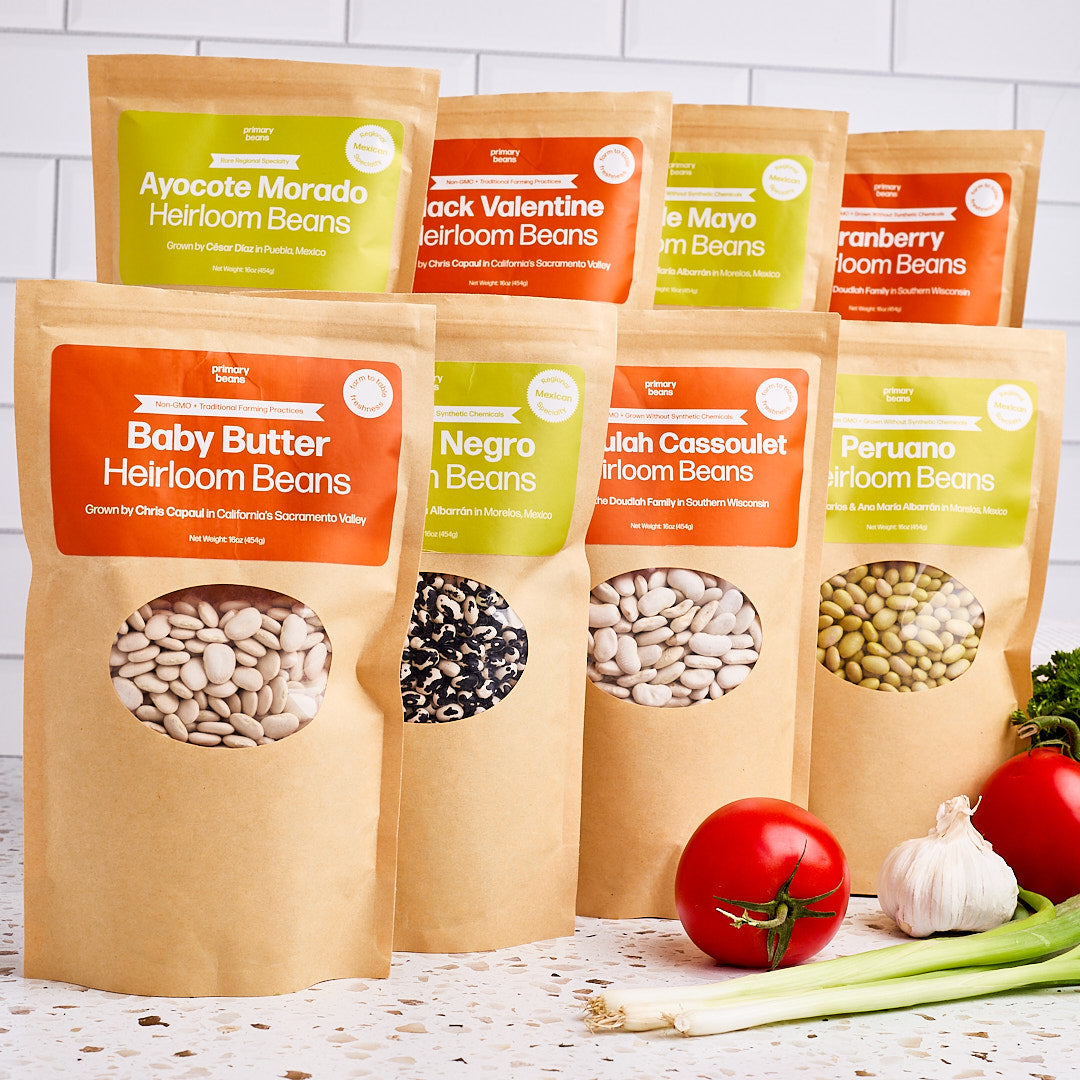
So we picked four of our favorite broth makers for the Brothy Beans Set. Each is an heirloom grown on a small family farm and never sprayed with glyphosate, and each makes a completely different pot.
Southwest Gold. A golden, buttery broth with surprising depth. Grown by the Brossy family in Idaho, this is the bean that turns a simple pot into dinner.
Flor de Mayo. Beloved by cooks in Central Mexico, where it's also called media oreja, or "half ear," for its shape. The broth is velvety, like cream with a hint of spring and a subtle floral sweetness.
Bayo. Smoky, rich and impossibly savory. This Mexican heirloom builds the kind of broth that sends everyone back for a second bowl. No pork required.
Vaquita Negro. Named vaquita, "little cow," for their black-and-white markings, these rare beans come from Morelos, Mexico, where they're grown with traditional farm practices. They hold their shape beautifully while turning the pot into an inky, deeply flavored broth Mexican cooks have prized for generations. If you want to make frijoles de la olla, start here.
What Goes in the Pot (and Why)
A perfect pot of brothy beans is mostly restraint. Every ingredient earns its place.

Salt, at the start. You may have heard a famous chef warn that salting beans early makes them tough. It's one of the kitchen's most stubborn myths. Salt in the cooking water actually helps soften the skins and seasons each bean all the way through, instead of leaving you with bland beans in salty broth.
Olive oil. A real glug, not a drizzle. The oil melts into the broth as it simmers, giving it body, gloss and that rich, round mouthfeel. Use one you'd happily dip bread into.
Onion, skin on. Half an onion is all you need, and leaving the papery skin on tints the broth a warm gold.
Garlic. A whole head, cut in half across the middle. It goes soft and sweet over the long simmer and you can fish it out or squeeze the cloves right into the pot.
A bay leaf. One is plenty. A good Caribbean bay leaf adds a quiet herbal, almost floral note.
A parmesan rind (optional). If you have one, toss it in. It adds a savory richness that makes people ask what your secret is. Leave it out to keep the pot vegan.
Kombu. This is my secret weapon. Kombu is a dried kelp that cooks in Japan have relied on for centuries as the foundation of dashi. It's naturally rich in glutamates, the same compounds that give parmesan and ripe tomatoes their savory depth, which makes it something like nature's MSG. A strip in the pot deepens the broth without making it taste anything like the sea. Many cooks also swear it makes beans more tender and easier to digest. The science there is still thin, but honestly, the flavor alone earns it a spot in every pot I make, and it does everything a parmesan rind does while keeping your beans plant-based. Look for whole leaf kombu.
How to Make the Perfect Pot of Brothy Beans

This method is for 1 pound of dried beans, cooked from dry, no soaking required. (If you prefer to soak, go for it. It shortens the cooking time. Our definitive guide to cooking heirloom beans walks through the tradeoffs.)
- Check your beans. Spread them out and pick out any tiny pebbles or bits of field debris. We leave the split beans in because they break down into the broth and make it extra velvety, but feel free to pull them out if you like your pot picture perfect.
- Rinse. Give the beans a good rinse in a colander under cool water.
- Choose a heavy pot. Add the beans to a large, heavy pot like a Dutch oven, or a clay pot if you're lucky enough to have one. Heavy pots hold a steady, gentle heat, which is exactly what beans want.
- Add the olive oil. A good glug, about 1/4 cup.
- Add the salt. 1 tablespoon per pound of beans. If you're watching your salt, you can go as low as 2 teaspoons.
- Add your flavorings. Half an onion with the skin on, a head of garlic cut in half, one bay leaf and a 4-inch strip of kombu. Add a parmesan rind here too, if you're using one.
- Add the water. Pour in 6 cups of water.
- Boil, then simmer. Cover and bring to a boil for 15 minutes, then reduce the heat to a gentle simmer until the beans are tender, about 1 1/2 to 2 hours from dry, give or take depending on the variety. Start tasting at an hour. They're done when they're creamy all the way through, with no chalky center.
The one rule: don't stir. Stirring breaks the beans. Instead, give the pot a gentle shake now and then, just like the cooks of Tolosa do. Check the water level as they cook and add more as needed to keep the beans submerged by at least an inch.
When they're done, fish out the onion, garlic skins, bay leaf and kombu (or leave the kombu in, it's delicious). Taste the broth and adjust the salt.
Finish It Bright
Right before serving, give each bowl another drizzle of your best olive oil and a little acid: a squeeze of lemon or lime, or a dash of a really good vinegar. That small hit of brightness wakes up the whole pot and makes the broth taste even more like itself.
Never add acid until the beans are fully cooked. Acid firms up the pectin in the bean's cell walls, and beans that meet it too early can stay firm no matter how long you simmer them. Even at the end, a little goes a long way, so add it to taste rather than all at once. Mixing up the two is likely where the old "don't salt your beans" warning came from. Salt was never the villain. Acid was.
Brothy beans keep beautifully in the fridge, stored in their broth, and they're often even better the next day. Cook a pot on Sunday and you've got the start of a week's worth of meals, if they last that long.
More Ways to Make Brothy Beans
Once you've made the perfect pot, here are three more recipes to try. Every one of them works with any bean in the Brothy Beans Set.
- Slow-Cooked Brothy Beans. Set it and forget it. Your beans simmer low and slow all day and make their own broth while you get on with your life.
- Frijoles de la Olla. The classic Mexican pot of beans, served broth and all. Vaquita Negro was born for this one.
-
Olive Oil Braised Beans. Beans slowly braised in a generous pour of olive oil until they're silky and rich.

The Heirloom Bean + Grain club
Learn More
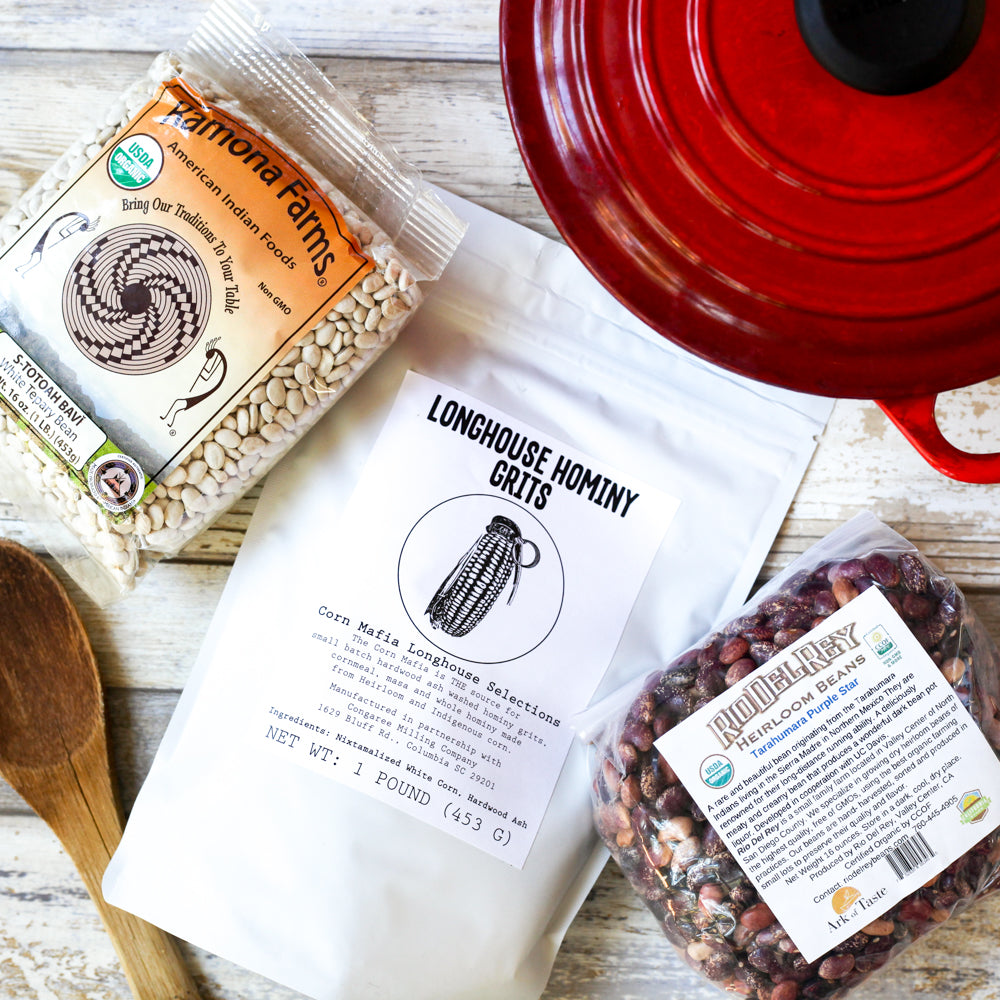
Get impossible to find beans and grains shipped direct to your doorstep each month from small family farms.


Support small family farms
Shop Now
We support small, family owned farms across the nation. Did you know that farmers only make an average of 10 cents on every dollar you spend at the supermarket? Working directly with farms and not middle men ensures that more money goes back to the people actually growning your food.