



Dried Chickpeas 101: History, Cooking Tips, and More
Chickpeas Are 10,000 Years Old. Here's Everything Else You Didn't Know About Them.
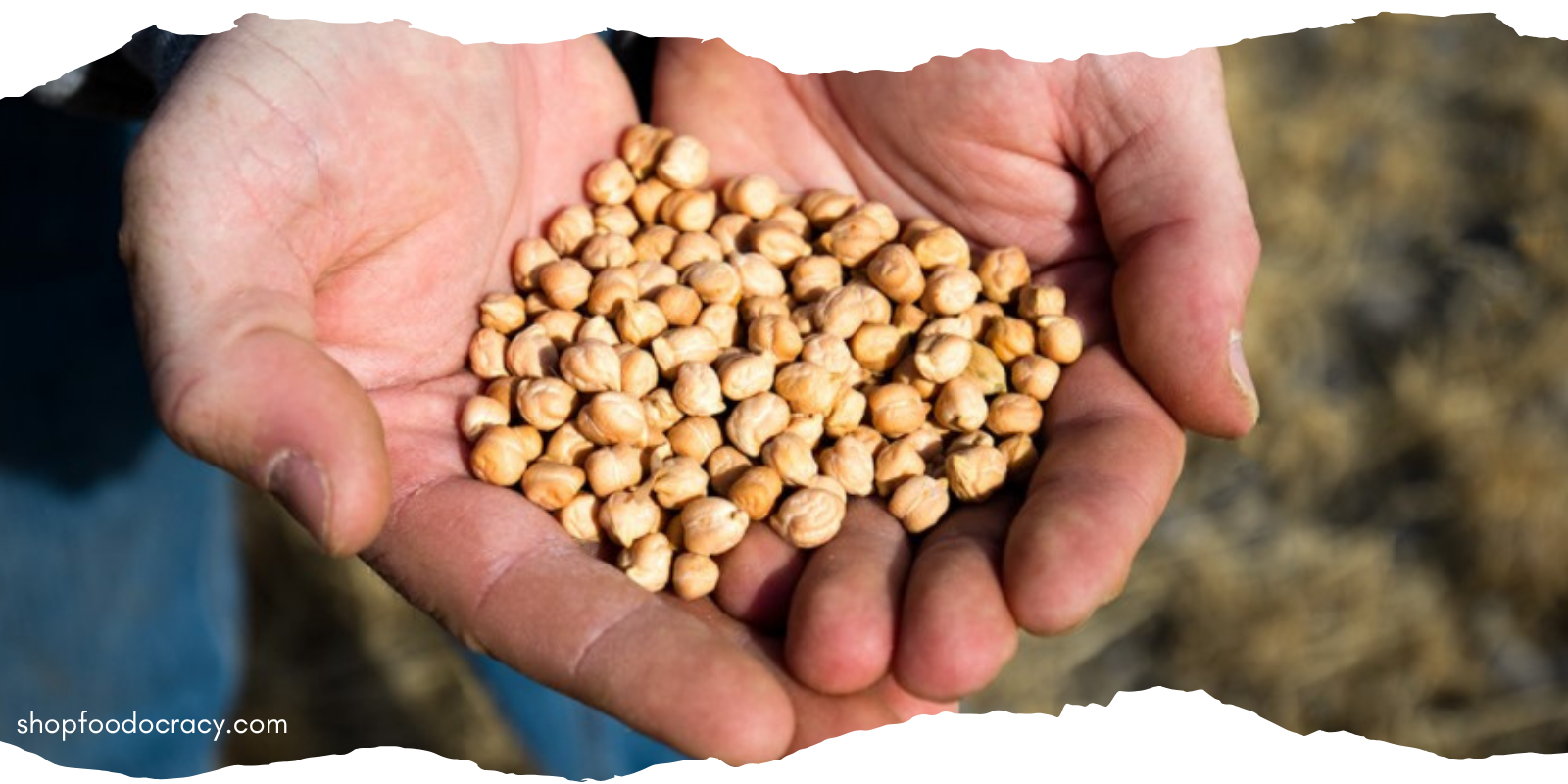
Someone was having chickpeas for dinner before the wheel. It probably wasn't a dense bean salad, but before what most of us consider civilization, humans domesticated chickpeas. In fact, chickpeas are among the eight founder crops of agriculture, alongside barley, wheat, lentils, peas, and flax, they were some of the first plants humans ever cultivated, grown in the Fertile Crescent (modern-day southeastern Turkey and the surrounding region) roughly 9,500 years before the common era.
We've been eating them ever since, in more places and more forms than almost any other legume. Here's the full story, plus why the ones we sell don't taste anything like the can.
From the Fertile Crescent to Everywhere
Once domesticated, chickpeas didn't stay put. Trade routes carried them west into the Mediterranean and east into what's now India, where farmers developed their own distinct varieties suited to local climates and soil. India remains the world's largest chickpea producer today, and the crop is deeply woven into everyday cooking there, chana masala, chana dal, and chickpea flour (besan) all trace back to varieties grown on the subcontinent.
Meanwhile, the larger, paler varieties that spread through the Mediterranean and Middle East became the chickpea most familiar to Western kitchens, the one that ends up in hummus, falafel, and minestrone. Ancient Romans grew them too. The Cicero family name is thought to come from *cicer*, the Latin word for chickpea, a nod, historians believe, to an ancestor with a chickpea-shaped wart, or possibly just a family known for growing them well.
Chickpea vs. Garbanzo: Same Bean, Two Languages

There's no culinary distinction between a chickpea and a garbanzo bean, it's the same legume, just two names arriving from two different linguistic paths. "Chickpea" comes from the Old French *chiche*, itself descended from that same Latin *cicer*. "Garbanzo" comes to English through Spanish, and it's the word you'll hear more often in Mexico, the American Southwest, and across Latin America, a legacy of Spanish colonization and trade. Use either one, a chickpea by any other name still makes excellent hummus.
Tan vs. Black: Not the Same Bean at All
This is where it gets more interesting, because tan and black chickpeas aren't just two colors of the same variety, they're genuinely different types with different histories.
The tan chickpea most people know, larger, smooth-skinned, mild, is the type that spread through the Mediterranean and became the global standard. It's what you'll find in most grocery store cans and most hummus recipes.
Black chickpeas are smaller, denser, and thicker-skinned, with a deeper, earthier, nuttier flavor that holds up to bold spices. They're a staple in South Asian cooking, where they're known as kala chana and show up in curries and salads, and they exist in scattered heirloom forms elsewhere too, including a rare black variety historically grown in parts of Italy. Our own Heirloom Black Garbanzo Beans, grown on a small family farm in Northern California, fall into this darker, denser family: black on the outside, creamy white on the inside, with a texture firm enough to hold its shape in a stew and a flavor that stands up to real heat. One of our customers used them for a North African-spiced goat and chickpea stew and reported the beans held their own against a heavy hand with ras el hanout, dark chili, and piri piri, which tells you something about how much flavor these actually carry.
What to Cook With Chickpeas
Chickpeas are one of the most versatile beans in the pantry, tan or black:

Hummus - the obvious one, and still the best one. Black chickpeas make a version with a deeper color and nuttier flavor than the classic.
Falafel - made from raw, soaked (not cooked) chickpeas ground with herbs and spices, then fried.
Chana masala and curries - where black chickpeas in particular shine.
Pasta e ceci - the classic Italian chickpea and pasta soup.
Roasted and crispy - tossed with oil and spice, roasted until crunchy, a genuinely great snack.
Ground into flour - chickpea flour (besan) shows up in socca, pakoras, and gluten-free baking. *make sure to cook them first if you want to grind them yourselves.
Tossed into salads, grain bowls, and soups - where they hold their shape and add texture without much fuss.
The Nutrition Case
Chickpeas are a genuinely good source of plant-based protein and fiber, a cup of cooked chickpeas delivers roughly 15 grams of protein and 12 grams of fiber, along with folate, iron, and manganese. Worth noting: like most legumes, chickpeas are a complementary protein rather than a complete one on their own, so pairing them with a grain, rice, farro, a piece of good bread, rounds out the amino acid profile. That combination is, not coincidentally, how chickpeas have been eaten in most of the cultures that have grown them for centuries.
Dried vs. Canned: The Honest Tradeoffs
We're obviously biased, but the case for dried holds up on its own merits:
Dried wins on flavor, texture, and control. You decide how much salt goes in, and you get a firmer bean that holds its shape rather than the softer, sometimes mushy texture canned chickpeas can have. Fresh-crop dried chickpeas, the kind harvested within the last growing season rather than sitting in a warehouse for years, cook faster and taste noticeably better than old commodity beans, and freshness is something most canned chickpeas can't tell you anything about at all.
Canned wins on convenience. There's no getting around that, if you need chickpeas in ten minutes, a can delivers. Canned beans are also fully cooked and shelf-stable indefinitely, which matters for some kitchens and some weeks.
The honest middle ground: cook a big batch of dried chickpeas on a Sunday, keep them in the fridge in their cooking liquid, and you get the flavor and texture advantage of dried with almost the same convenience as canned for the rest of the week. Freeze what's left in the cooking liquid and it will last for months.
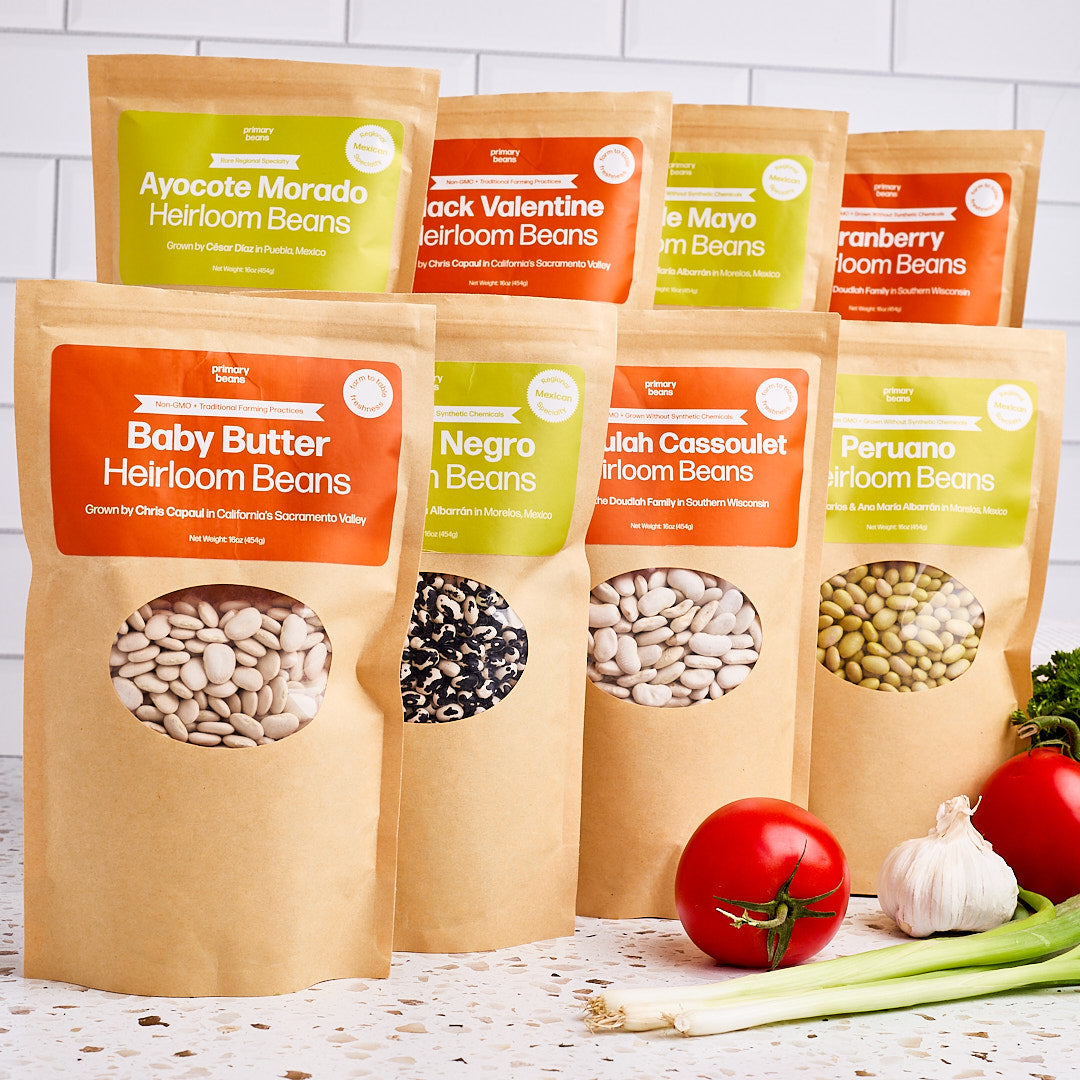
Primary Beans Chickpeas & Garbanzo Beans, and the Farmers Behind Them

Our organic chickpeas are grown by Jeff Bangs, a fourth-generation farmer at Prairie Sun Farms in Montana's Golden Triangle, where the arid climate and fertile soil suit chickpeas particularly well. Jeff farms with regenerative practices, rotating chickpeas with grains and integrating grazing animals to build soil health, and the difference shows up on the plate: smaller than a standard garbanzo, but with a rich, nutty depth that a can just can't touch. They're fresh enough that they don't need soaking, and they cook up beautifully creamy for hummus while still holding their shape in a stew.
For something rarer, our Heirloom Black Garbanzo Beans come from a small family farm in Northern California, grown without synthetic chemicals or fertilizers. They're denser and earthier than a standard chickpea, with that distinctive midnight color and a flavor that holds its own in a spice-heavy dish, and they grind into a genuinely beautiful flour if you want to take things further.
Ten thousand years is a long time for a bean to stick around. Ours might explain why.

The Heirloom Bean + Grain club
Learn More
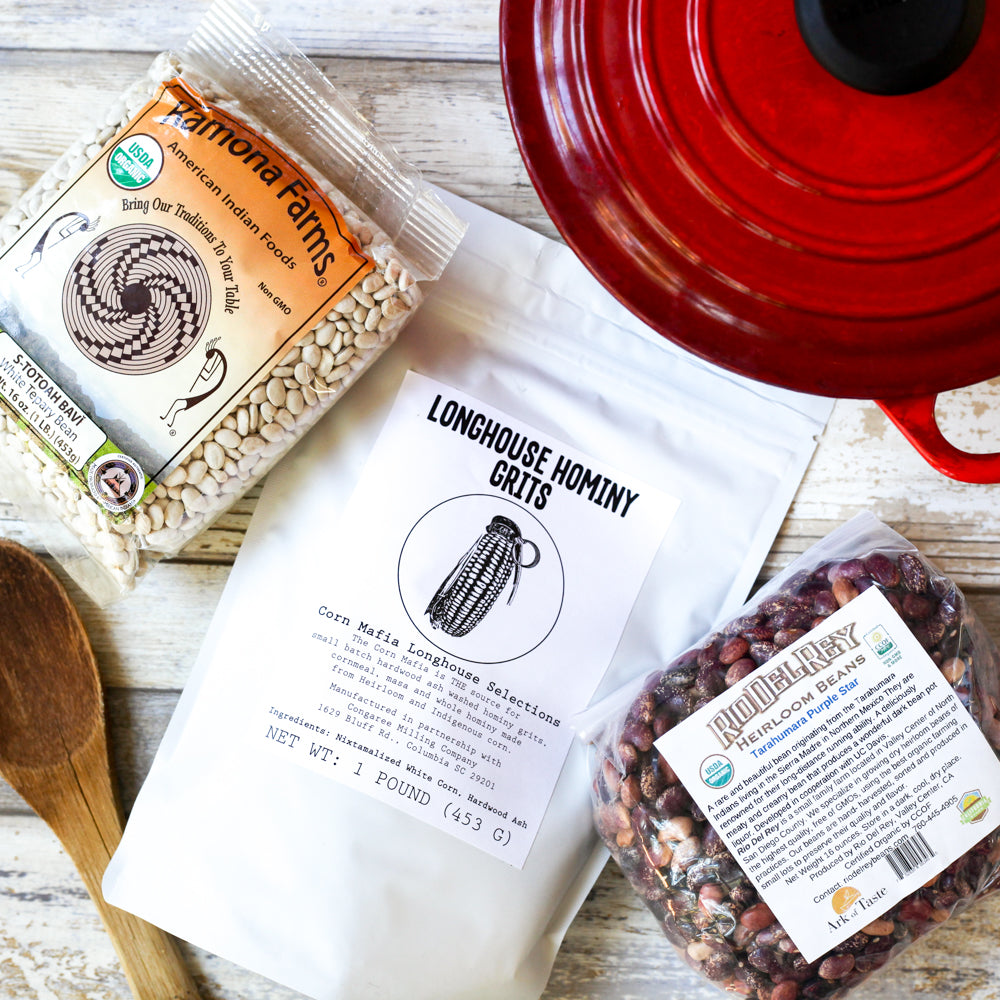
Get impossible to find beans and grains shipped direct to your doorstep each month from small family farms.

Support small family farms
Shop Now
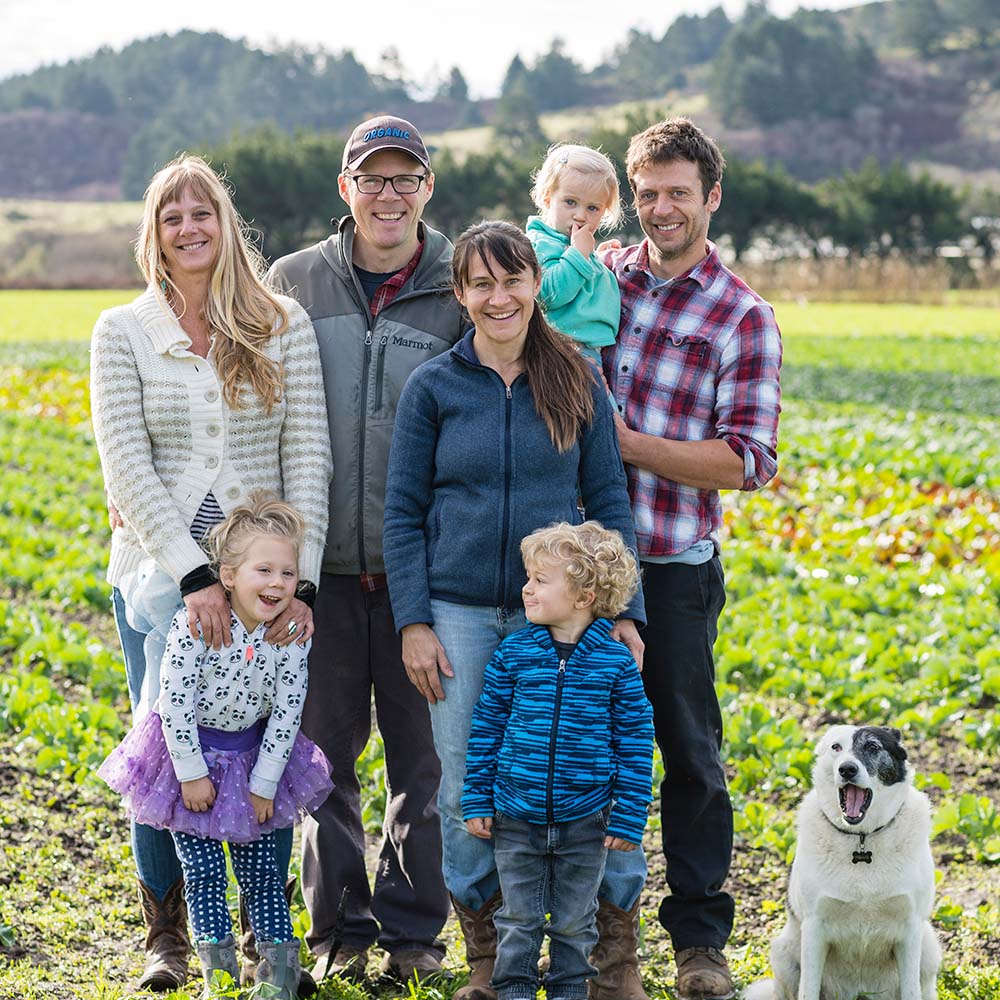
We support small, family owned farms across the nation. Did you know that farmers only make an average of 10 cents on every dollar you spend at the supermarket? Working directly with farms and not middle men ensures that more money goes back to the people actually growning your food.