



Frijoles De La Olla
If you've never had frijoles de la olla, your life is about to be changed. We've experimented with enough variations to know that the ultimate Mexican-style brothy beans comes from embracing simplicity. While flavorings vary depending on the region and personal preference, they often include onion, garlic, pork fat, and herbs. Other variations include chiles. As far as fat is concerned, choose lard for an amped-up porky flavor, bacon fat for smokiness, or oil for playing it neutral. Make plenty, at your next DIY taco party you'll find yourself reaching for the beans more than anything.
What Are Frijoles de la Olla?

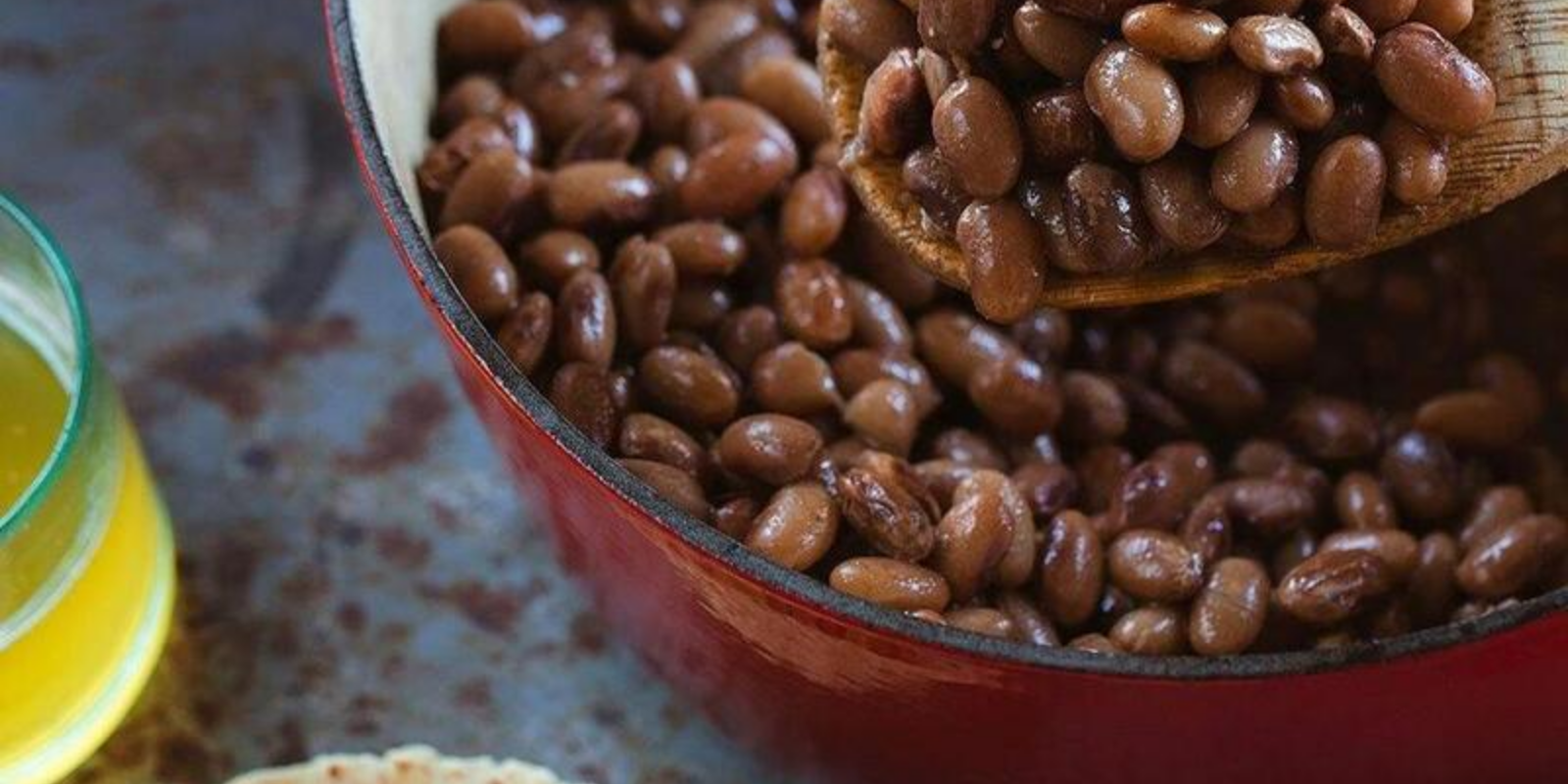
Frijoles de la olla, literally "beans from the pot", are the foundation of Mexican bean cookery. They're simply cooked beans in their flavorful broth, seasoned with aromatics and fat, served in bowls with their liquid or used as the base for countless other dishes. They're the kind of everyday food that appears on Mexican tables constantly, the basis for refried beans, enfrijoladas, bean soups, taco fillings, and more.
What makes frijoles de la olla special isn't complexity, it's quality beans cooked simply and properly, with just enough aromatics to enhance rather than overwhelm their natural flavor. As the recipe emphasizes, "the ultimate Mexican-style brothy beans comes from embracing simplicity."
The Star: Bayo Beans

Let's talk about Bayo beans, beautiful tan beans that make some of the richest, most flavorful frijoles de la olla. These beans are firm on the outside and creamy on the inside, and they create a full-bodied, golden broth that's unlike anything else. When cooked simply with onion, garlic, and fat, Bayo beans become the kind of beans you want to eat by the bowlful.
What makes Bayo beans perfect for frijoles de la olla is the incredible broth they produce. That broth, rich, slightly thick, deeply bean-flavored, is what makes frijoles de la olla so special. It's not just water the beans cooked in; it's liquid gold that you'll want to drink, soak up with tortillas, or use as the base for other dishes.
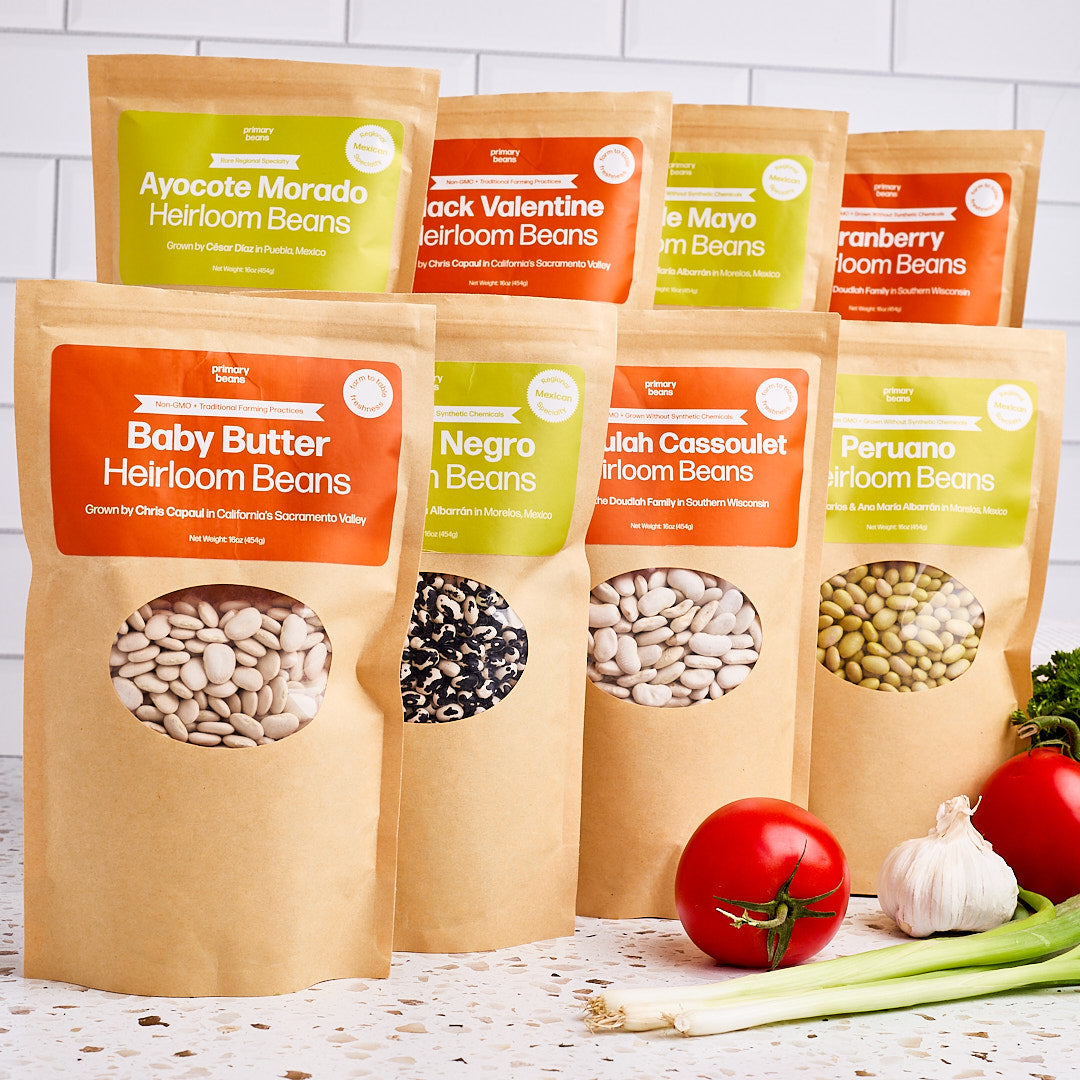
Our Bayo beans come from Carlos and Ana María Albarrán's certified organic small family farm in the heart of Morelos, Mexico. Their farm has lovingly preserved these precious seeds for generations using time-honored traditional farming methods. These gems are grown using the ancient Milpas technique, where corn, squash, beans, and chiles flourish together in perfect harmony. Learn more about Carlos and Ana María.
The Simplicity Principle
The recipe emphasizes embracing simplicity, and this is key to great frijoles de la olla. The ingredients are minimal:
- Dried beans (1 lb)
- Onion (half, diced)
- Garlic (1-2 cloves, minced)
- Fat (2-3 tsp lard, bacon fat, or oil)
- Salt (1½ tsp coarse salt)
- Herbs (cilantro or epazote sprigs)
- Optional chile (half a jalapeño or serrano, chopped)
That's it. No long list of spices, no complicated techniques, just quality beans and a few aromatics that enhance their natural flavor.
The Fat Choice
The recipe gives you options for fat, each creating slightly different results:
- Lard: Amped-up porky flavor, traditional, authentic
- Bacon fat: Smokiness, bacon flavor
- Neutral oil: Keeps it neutral, vegetarian-friendly
All three work beautifully. If you can find quality lard (especially from pasture-raised pigs), it creates the most authentic, delicious frijoles de la olla. But bacon fat or oil work well too, depending on your preferences and dietary needs.
The Technique
The method is beautifully simple: combine beans, onion, garlic, fat, and salt in a pot. Cook until tender according to the cooking guide (stovetop, Instant Pot, or other method).
Once the beans are tender, add herb sprigs (cilantro or epazote) and optional chopped chile. Simmer for about 15 minutes to let the flavors meld. The herbs and chile go in at the end so they stay bright and fresh rather than becoming dull from long cooking.
Taste and adjust salt before serving. Beans need generous seasoning to really shine, so don't be shy with salt.
About Epazote
Epazote is a pungent Mexican herb that's traditional in bean cooking. It has a distinctive flavor, slightly medicinal, aromatic, hard to describe, and it's said to reduce the digestive issues beans can cause. You can find it fresh or dried at Mexican grocery stores.
If you can't find epazote, cilantro works beautifully. Or use other herbs like Mexican oregano or bay leaves. The key is adding some herbal element that brightens and complements the beans.
The Broth Matters
Frijoles de la olla are served with plenty of broth, this isn't dry beans, this is soupy, brothy beans where the liquid is just as important as the beans themselves. That flavorful broth is what makes them so satisfying and versatile.
You can eat them in bowls like soup, spoon them over rice, use them as taco filling, or mash them for refried beans. The broth is the key to all these applications.
At Your Next Taco Party
As the recipe notes, "at your next DIY taco party you'll find yourself reaching for the beans more than anything." This is absolutely true. Good frijoles de la olla are incredibly satisfying, warm, comforting, flavorful, substantial. They're often the star of the meal even when there's carne asada or other proteins available.
Set out a big pot of frijoles de la olla with ladles and bowls, let people serve themselves, and watch them disappear.
Endless Serving Possibilities
The recipe provides an extensive (and accurate) list of serving suggestions:
- Fresh corn or flour tortillas
- Smoky charred salsa
- Salty crumbled cheese (queso fresco, cotija)
- Grilled scallions
- Carne asada
- Melty cheese in a warm tortilla
- Arroz verde (green rice)
- Arroz rojo (red rice)
- Pickled red onion
- Lime wedges
- Fresh cilantro
- Vinegary hot sauce
- Escabeche (pickled vegetables)
- Avocado
Any combination of these creates a satisfying Mexican meal. The beans are the foundation, and you build around them based on what you have and what sounds good.
A Foundation Recipe
While frijoles de la olla are delicious on their own, they're also the foundation for countless other dishes:
- Refried beans: Mash and fry in lard or oil
- Enfrijoladas: Tortillas dipped in bean sauce
- Bean soups: Add vegetables and broth
- Taco fillings: Mash slightly or use whole
- Molletes: Beans on bolillo bread with cheese
- Huevos con frijoles: Eggs with beans for breakfast
By mastering frijoles de la olla, you're learning the fundamental skill that unlocks all those other recipes.
Make Plenty
The recipe encourages making plenty, and this is smart advice. Frijoles de la olla keep beautifully in the fridge for up to a week, freeze well for months, and are incredibly useful to have on hand.
Make a big batch, enjoy some fresh, refrigerate some for the week, and freeze the rest. You'll always have the foundation for quick, delicious meals.
Better the Next Day
Like most bean dishes, frijoles de la olla are even better the next day. The flavors continue to develop and deepen as they sit. The beans absorb more of the broth, the onion and garlic mellow, everything becomes more integrated and delicious.
Life-Changing
The recipe promises that if you've never had frijoles de la olla, "your life is about to be changed." This isn't hyperbole. Good frijoles de la olla, made with quality beans, proper seasoning, and care, are genuinely revelatory if you've only had canned beans or poorly made dried beans.
The rich broth, the creamy beans, the simple but perfect seasoning, it's comfort food at its finest, proof that the best food doesn't need to be complicated, just made well with quality ingredients.
*A Note On Our Recipes:
Every recipe here was developed and tested using farm-fresh beans from Foodocracy and Primary Beans. Older beans, anything past a year in your pantry or beans from other sources may need more coaxing. Give them a soak and add extra cooking time, and they'll get there eventually.

Related Recipes



The Heirloom Bean + Grain club
Learn More
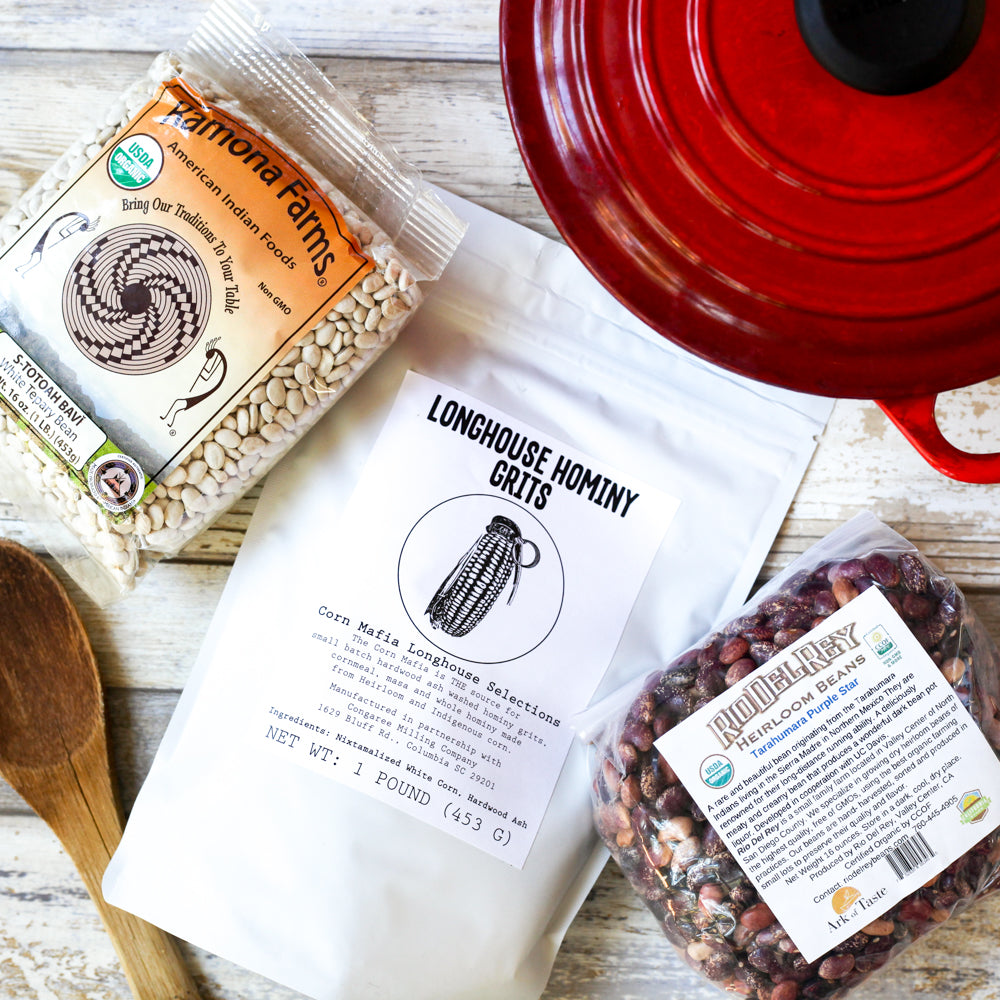
Get impossible to find beans and grains shipped direct to your doorstep each month from small family farms.

Support small family farms
Shop Now
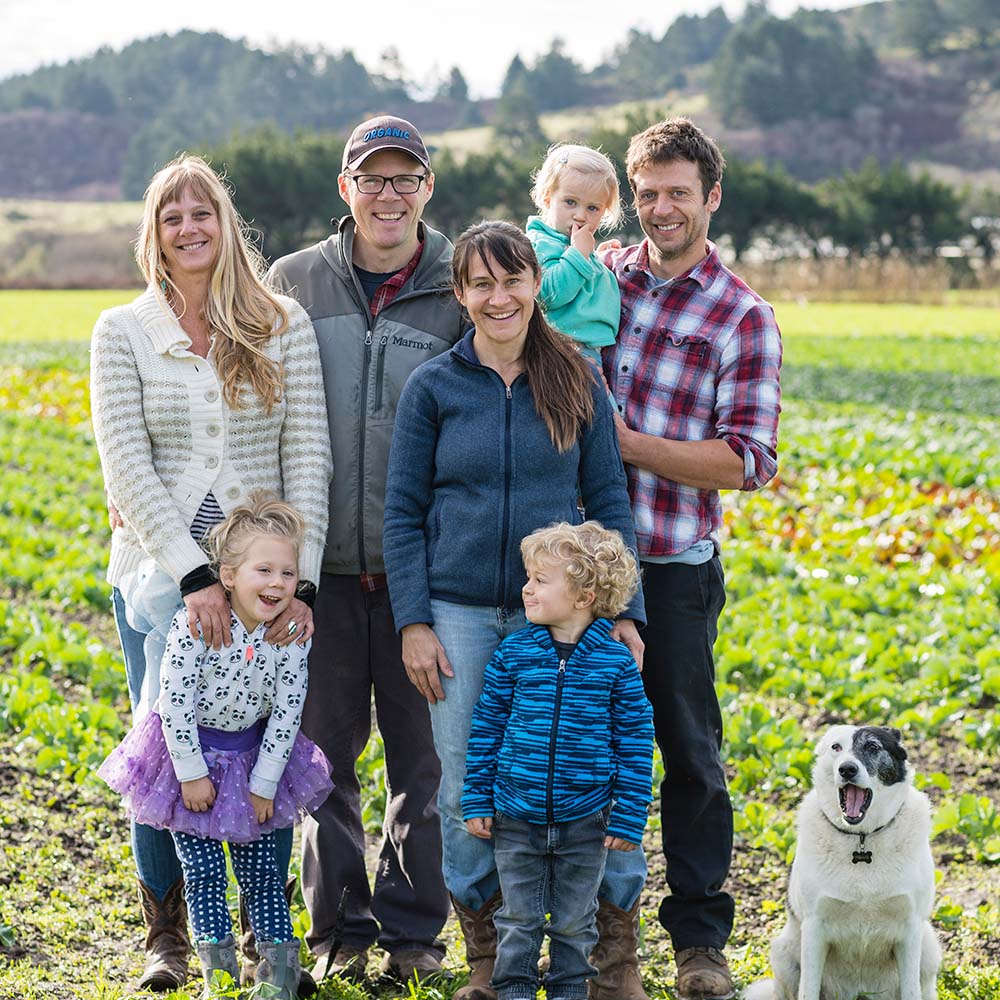
We support small, family owned farms across the nation. Did you know that farmers only make an average of 10 cents on every dollar you spend at the supermarket? Working directly with farms and not middle men ensures that more money goes back to the people actually growning your food.
Frijoles De La Olla
Mexican
Main Course
If you've never had frijoles de la olla, your life is about to be changed. We've experimented with enough variations to know that the ultimate Mexican-style brothy beans comes from embracing simplicity. While flavorings vary depending on the region and personal preference, they often include onion, garlic, pork fat, and herbs. Make plenty, at your next DIY taco party you'll find yourself reaching for the beans more than anything.
Featured bean: Bayo
Other beans to try: Negro, Ojo de Cabra, Peruano

Ingredients
- 1 lb dried Bayo beans
- ½ white or yellow onion, diced
- 1-2 minced garlic cloves
- 2-3 tsp lard, bacon fat, or neutral oil
- 1½ tsp coarse salt
- A few cilantro or epazote sprigs
- ½ jalapeño or serrano, stemmed and finely chopped (optional)
Directions
Combine the beans, onion, garlic, fat, and salt in a large pot or Instant Pot insert. Cook until tender according to our guide. Once tender, add the herb sprigs and chiles (if using) and simmer about 15 minutes to let the flavors meld. Taste for more salt before serving.