



The Joy (and Time-Saving Secret) of Sprouting Beans
I'll be honest with you: I seldom plan meals, and I almost never soak my beans ahead of time. So when I tell you I've fallen for sprouting, you should know that's saying something, because for it to earn a spot in my routine, the payoff has to outweigh my natural tendency toward kitchen spontaneity. I've been at it for a couple of weeks now, and I'm sold. Not just because it makes beans more nutritious and easier to digest, but because, somewhat counterintuitively, it actually saves me time. Stick with me and I'll explain.
Sprouting is an old technique, one that predates almost everything we think of as modern cooking, and it turns a humble dried bean into something a little more alive. Whether you've been cooking heirloom beans for years or you're just starting to explore them, sprouting is one of those small kitchen rituals that ends up changing more than you'd expect.
Why Sprout in the First Place?

When a bean sprouts, its complex carbohydrates start to break down, which is part of why sprouted beans tend to be gentler on digestion. The process also reduces phytic acid, a compound that can get in the way of your body absorbing minerals like iron and zinc. And beyond the science, there's a texture and freshness to a sprouted bean, a little crisp, a little green, that I genuinely love folded into a salad or a quick stir-fry.
The Part Where Sprouting Saves You Time
Here's my favorite part. Sprouting softens the bean and meaningfully shortens cooking time, often cutting it in half. If you know me, you know that's the kind of detail that gets my attention. Unsoaked beans, especially heirloom and ayocote varieties, can sit on the stove for well over an hour. Sprouted beans get there much faster.
A quick and important note on eating sprouts raw: it really depends on the bean. Mung bean sprouts are widely and safely eaten raw, they're a staple ingredient across Asian cuisines for good reason. Lentil sprouts are also commonly eaten raw in salads, but they do carry a bit more bacterial risk than mung beans, so I'd lean toward cooking them, especially if you're pregnant, cooking for young kids, or for anyone with a compromised immune system. Most other beans, kidney beans, cannellini, black beans, pinto beans, soybeans, all of our heirloom favorites, must be fully cooked, even after sprouting. Cooking is what fully neutralizes the natural lextins beans carry, sprouted or not.
How to Sprout Beans at Home
Step 1: Soak. Cover your beans in plenty of water and let them soak for 6 to 12 hours. This rehydrates them and gets them ready to sprout. Drain and rinse well.
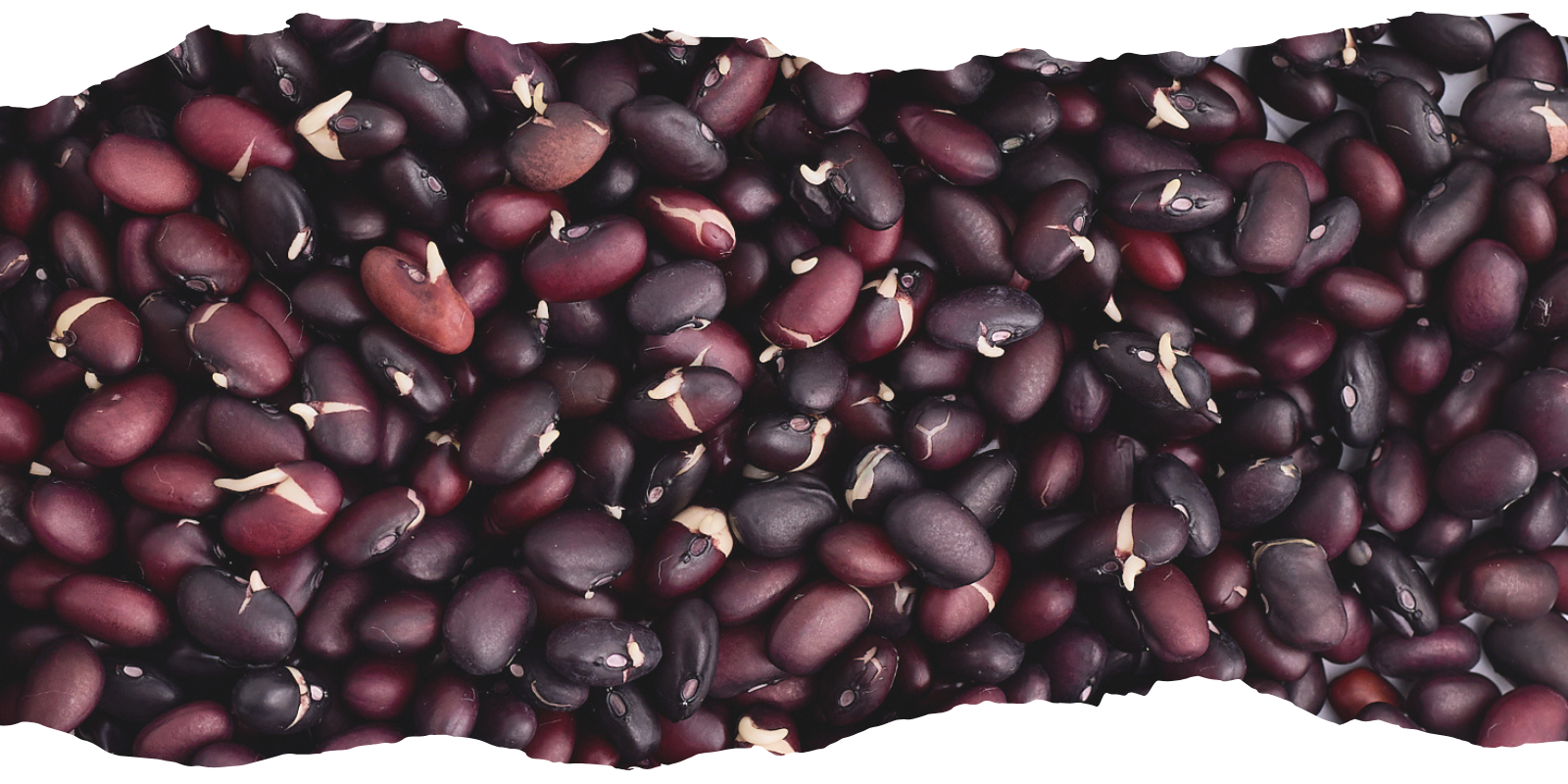
Step 2: Sprout. Move the soaked beans into a large mason jar with a sprouting lid, or a hemp sprouting bag. For the next several days, rinse and drain three times a day. Somewhere around day 2 to 4, you'll start to see little sprouts forming, tepary beans tend to take a touch longer than most. You don't need a long tail, the moment you see even a tiny sprout, the good stuff has already happened. Give the beans one last rinse once they're ready.
Step 3: Cook. Cook your sprouted beans following our heirloom bean cooking guide, cutting the usual cook time by about half. Or, if you're not ready to cook them yet, sprouted beans will keep in an airtight container in the fridge for up to a week.
A Few Dos and Don'ts
Do: use clean, filtered water for soaking and rinsing. Give your jar or bag a good sterilizing before you start. Keep your sprouts somewhere cool and dark while they grow. And if a batch ever smells off or looks discolored, trust your instincts and toss it.
Don't: sprout beans that have been treated with pesticides or preservatives. Don't skip a rinse, it's the thing standing between you and mold. Don't let your sprouts sit in standing water after that first soak. And NEVER EAT RAW SPROUTED BEANS. Always, always fully cook your sprouted beans before eating, with the exception of the few raw-safe varieties I mentioned above.
We are not doctors or nutritionists. If you have a health condition, are pregnant, elderly, or immunocompromised, please consult a qualified medical professional before consuming raw or sprouted legumes of any kind.
Why We Love This at Primary Beans

Since we started Primary Beans, sprouting has come up again and again in your questions, and after plenty of our own testing, plus more than a little guidance from customers who got there before we did, it felt like time to put it all in one place. Sprouting is completely optional, but it's a small extra step that can boost nutrient availability, ease digestion, and honestly, bring a little more mindfulness into the kitchen. There's something grounding about remembering that every bean we cook started as a living, breathing seed.
What you'll need: Primary Beans of your choice, and either a large mason jar with a sprouting lid or a hemp sprouting bag.
The method is the same one above: soak 6 to 12 hours, drain and rinse, then rinse and drain three times daily in your jar or bag until you see those first small sprouts, usually 2 to 4 days in. Cook right away with half the usual cook time, or refrigerate for up to a week before cooking.
One more reminder, because it matters: always fully cook your sprouted beans before eating. Uncooked beans carry natural compounds that can make you sick, and the warm, damp sprouting environment can also encourage bacterial growth if you're not careful with your rinsing routine.
Give It a Try
Sprouting is one of those small kitchen habits that pays you back, more flavor, better digestion, and a little more connection to what's actually on your plate. Grab a bag of your favorite heirloom beans and give it a go this week. I think you'll be as surprised as I was.
Special thanks to Lesley for some of the sprouting photography featured in this post.

The Heirloom Bean + Grain club
Learn More
Get impossible to find beans and grains shipped direct to your doorstep each month from small family farms.


Support small family farms
Shop Now
We support small, family owned farms across the nation. Did you know that farmers only make an average of 10 cents on every dollar you spend at the supermarket? Working directly with farms and not middle men ensures that more money goes back to the people actually growning your food.