



The Definitive Guide to Hummus
The Definitive Guide to Hummus: Origins, Methods, and Variations
Hummus is one of those things that exists in two completely different worlds. There's the plastic tub version at every grocery store, and there's actual hummus, silky, nutty, alive with flavor, the kind that makes you reconsider everything you thought you knew about a dip. This is a guide to the second kind.
We're covering where it came from, what it actually is, how to make it from scratch, and every variation worth knowing about. Including a few that will change the way you think about chickpeas entirely.
What Is Hummus, Actually?
The word hummus is Arabic for chickpea. The full name of the dish most of us call hummus is hummus bi tahini, chickpeas with tahini. When you order hummus at a restaurant, you're ordering "chickpeas with tahini." Which is good to know, because tahini is not optional. It's in the name.
The base is simple: cooked chickpeas, tahini, lemon juice, garlic, and salt. Everything else is technique and variation.
A Brief, Contested History
Hummus is very old. Beyond that, things get complicated fast.
The dish appears in 13th-century Arabic cookbooks from Cairo, making it one of the oldest documented recipes in the Middle East. But chickpeas themselves have been cultivated in the region for around 10,000 years, they show up in ancient Egyptian, Greek, and Roman texts, and archaeological evidence places them in the Fertile Crescent going back to roughly 7500 BCE.
The modern form of the dish, chickpeas blended smooth with tahini, is likely an Ottoman-era development, somewhere between the 13th and 18th centuries. Lebanon, Israel, Palestine, Syria, Turkey, and Egypt all have strong claims on it, and exactly zero of them agree. This has led to actual geopolitical disputes, including a Lebanese application to have hummus recognized as exclusively Lebanese under EU protected designation of origin laws. (It didn't succeed.)
The short version: hummus belongs to an entire region and a very long stretch of human history. The long version is the subject of ongoing argument at dinner tables across the Middle East.
What Makes Hummus Good
The ingredients list is short. That's what makes it hard.

The Chickpeas
This is where most store-bought hummus loses the plot. Commercial hummus is made with canned chickpeas, which are fine, but dried chickpeas, cooked from scratch, produce a noticeably creamier, more flavorful result. The chickpea flavor actually comes through instead of tasting like an afterthought.
Our Organic Chickpeas are smaller than a standard garbanzo, grown by Jeff Bangs of Prairie Sun Farms in Montana's Golden Triangle on fourth-generation land using certified organic, regenerative practices. They cook up with a rich, nutty depth that commercial chickpeas genuinely can't match, and they blend into hummus that is noticeably silkier. This is the chickpea for hummus.
If you want to go further off the beaten path, our Organic Heirloom Black Garbanzo Beans make a stunning dark, earthy hummus. More on that below.
The Tahini
Tahini is sesame paste. Not all tahini is created equal. Bitter, gritty tahini will make bitter, gritty hummus. What you want is a good stone-ground tahini, toasty, smooth, with a slight natural sweetness underneath the bitterness.
Villa Jerada Tahini is what we use. Small-batch roasted, stone-ground from US-grown sesame seeds. It's silky and deep-flavored in a way that cheap tahini isn't, and it makes a real difference in the finished bowl.
Lemon Juice
Fresh. Always fresh. Bottled lemon juice tastes like regret.
Garlic
Some people use raw, some use roasted, some use barely a whisper of it. Raw garlic is traditional and brings a bite. Roasted garlic is gentler and sweeter. How much is a matter of taste, start with one small clove for a batch and adjust.
Cold Water & Ice Cubes
This is the technique trick that most recipes bury in step six: adding ice water while blending gets the party started but the real magic is in ice cubes. The cubes breaking up helps to grind the chickpea into a smoother texture. It makes the hummus light and airy rather than dense. Don't skip it.
How to Make Hummus from Scratch

The full recipe, with exact quantities and timing, is here: Best Hummus. But the technique is worth understanding on its own terms, because each step is doing something specific.
The Chickpeas
Skip the soak. Cook dried chickpeas from dry in a pressure cooker for 37 minutes or on the stovetop for 90 minutes or more, longer than you'd cook them for a salad or a stew, until they're soft enough that they almost fall apart. That extra time matters: firm chickpeas make grainy hummus no matter how long you blend them.
If you want extra extra creamy hummus, add ¼ teaspoon of baking soda to the cooking water and simmer over medium heat with the lid on for 10-15 minutes, or until chickpeas are very soft and start to break down. (See below) I do this right in the cooking pot or instant pot, however if using a conventional pressure cooker that does not have a sauté function you will need to use a second pot. This step can be skipped, especially if the chickpeas are very soft and the skins are already falling off. Warning, it makes the chickpeas mushy but that's the point.
The Controversial Baking Soda Step
Some will say this isn't traditional, however, it's been well documented (Ottoleghi, Cooks Illustrated, Serious Eats) that home cooks in Jerusalem have been using baking soda to make a silky smooth hummus for generations (or at least since baking soda became available at the end of the 1800s.) There is science behind why this step works and some caution in using it. The idea is to turn the chickpeas into mush and break down the skins. Baking Soda changes the PH of the water and that breaks down pectins in the seed coat of legumes. Based on a hack from Harold McGee, my food science hero, I use this same technique to take the tough skin off of fresh fava beans and avoid the dread double peel. It's a little bit like magic. You'll notice the water foam a bit when you add the baking soda and more then as it simmers it foams up and in no time the skins pop off and the chickpeas break down completely. It only take a brief simmer of 10-15 minutes at most and your chickpeas will turn to mush with the tiny skins floating separately but now so soft they will blend easily. I'm using such a small amount of baking soda that it does not flavor the chickpeas. If you want to skip this step, just cook the chickpeas a little longer until they are falling apart. Both will work but they are slightly different. The baking soda produces a decidedly Jerusalem style, super smooth hummus.
The Garlic
Garlic gets mashed into a paste with salt to make a paste and then blended with the lemon juice and left to sit for at least 10 minutes before anything else happens. Raw garlic is sharp and can easily take over the whole bowl. Letting it mellow in acid rounds it out, you get garlic flavor without the bite.
The Tahini
This is the Lebanese move: tahini gets blended with ice-cold water first, before the chickpeas go anywhere near it. As you blend, it lightens in color, increases in volume, and turns almost fluffy. That aerated tahini base is what makes the finished hummus feel light rather than dense. It's the biggest technique difference between hummus that's good and hummus you eat with a spoon standing over the counter.
Then the chickpeas go in, and then ice cubes for even more fluffy texture and everything blends until smooth.
Serve It Right
Hummus is traditionally served warm or room temperature, not cold from the fridge. Spread it on a wide, shallow bowl, use the back of a spoon to create a well in the center, fill that well with good olive oil. Paprika, sumac, Aleppo-style chili flakes, whole chickpeas, fresh herbs, all fair game.
Every Hummus Variation Worth Knowing
Classic Hummus bi Tahini
The original. Chickpeas, tahini, lemon, garlic, salt, olive oil. It requires nothing else and is the benchmark against which everything else is measured.
Masabacha (Musabbaha)
This is levantine hummus served warm, with whole chickpeas left in rather than blended completely smooth. The texture is chunky and chunky-creamy at once. Sometimes served with a tahini sauce poured over rather than blended in. It's what gets served for breakfast in Israel and Palestine, usually with a hard-boiled egg alongside and torn flatbread for scooping. If you've only ever had smooth hummus, this will reframe the dish entirely.
Black Chickpea Hummus (Kala Chana Hummus)

This is where heirloom varieties get interesting. Black chickpeas, also called kala chana in Hindi, are an ancient variety from the Indian subcontinent and parts of the Mediterranean. They are smaller, denser, and earthier than standard garbanzos, with a flavor that's almost nutty and wild.
Black chickpea hummus is deeper in color with flecks of black, richer in flavor, and has a slightly more textured finish even when blended smooth. If you use black tahini it turns a dramatic inky color. It has a devoted following among people who find regular hummus a little bland.
Our Organic Heirloom Black Garbanzo Beans are grown in Northern California using certified organic practices. They require a longer soak, 24 hours and a longer cook. But the result is a hummus that tastes like a different dish entirely. Use the same base recipe, add a touch of cumin, and don't skimp on the lemon.
Roasted Garlic Hummus
Slice the top off a full head of garlic, drizzle with olive oil, wrap in foil, roast at 400°F for 40–45 minutes until completely soft and golden. Squeeze out the cloves and add them to the base recipe in place of raw garlic. The result is sweeter, mellower, more complex. A good introduction for anyone who finds the raw garlic version too sharp.
Roasted Red Pepper Hummus
Add 1–2 jarred roasted red peppers to the base blend. Smoky, slightly sweet, and the color is beautiful. A small pinch of smoked paprika deepens it further.
Beet Hummus

Roast one medium beet, peel it, and blend it in with the chickpeas. The color is aggressively pink in a way that genuinely surprises people. The flavor is earthy and sweet with the beet notes underneath the tahini. This is the variation that reliably creates converts among people who claim not to like beets. Our Lemony Roasted Beet Hummus recipe is a good place to start.
Meyer Lemon Hummus
If you have access to Meyer lemons, use them. Less acidic than a standard lemon, slightly floral, with a sweetness that plays beautifully against the tahini. Rustic Bakery developed a version of this that we love, find the recipe here: Rustic Bakery's Meyer Lemon Chickpea Spread.
Green Hummus
Blend in a big handful of spinach or fresh herbs, parsley, cilantro, basil, or some combination. Bright green, fresh, and good in summer. Some versions add peas as well, which is polarizing but delicious.
Whipped Feta Hummus
Not technically hummus, no chickpeas, but often lives in the same category on menus. Whipped feta with olive oil and lemon. Worth knowing about as a variation for people who are avoiding legumes.
Hummus with Whole Spiced Meat (Hummus Kawareh)
A traditional levantine preparation, classic hummus topped with spiced ground lamb or beef, toasted pine nuts, and fresh parsley. This is hummus as a substantial main dish, not a dip. Serve it warm, with flatbread, and nothing else is needed.
How Hummus Differs Across the Region
The same five ingredients, endlessly argued over. Here's what actually varies.
Lebanese hummus is the smooth one. The technique is deliberate: baking soda goes into both the soaking water and the cooking water, which raises the pH, softens the chickpeas more thoroughly, and makes the skins easier to remove. Many Lebanese cooks peel the chickpeas while still warm after cooking, it's the step that accounts for most of the texture difference between good hummus and genuinely silky hummus. The blend is also staged: tahini and lemon are processed together first until the tahini turns pale and almost fluffy, then the chickpeas go in gradually. The result is lighter and creamier than you'd expect from five ingredients.
Palestinian hummus tends to be thicker and more chickpea-forward, less tahini, more body, usually served warm. Pine nuts fried in butter, sumac, or cumin on top rather than just olive oil and paprika. This is also the tradition that gave us masabacha: warm, roughly mashed, with whole chickpeas and tahini sauce poured over the top rather than blended in. Hummus as a real meal rather than a dip.
The hummusiyot tradition, small shops in Israel, Palestine, and across the Levant that serve only hummus, sometimes with ful (fava beans), a hard-boiled egg, raw onion, and flatbread, is where hummus is taken most seriously as food rather than condiment. These places open at dawn and close when they run out. The hummus is made fresh every morning and served warm. It's a very different experience from anything in a plastic tub.
Syrian and Egyptian hummus shows up more in a mezze context, one of many small dishes rather than a centerpiece, and is more likely to include cumin in the blend itself rather than just as a garnish, which adds a warm earthiness to the base flavor.
Our recipe draws mostly from Lebanese technique, baking soda in the cook, tahini whipped with ice water before the chickpeas go in, garlic mellowed in lemon juice first, combined with a generous tahini ratio. The chickpeas go in dry, no soak, cooked under pressure longer than usual to get them genuinely soft before the baking soda simmer. The result is the silky texture of Lebanese hummus with enough tahini to make it a meal rather than a condiment. That's not a bad place to land.
Frequently Asked Questions
Can I use canned chickpeas? Yes. The result will be good. It will not be as good as hummus made from dried chickpeas cooked from scratch. If you use canned, drain and rinse them, then cook them in fresh water for an additional 10–15 minutes until they're very soft. Don't skip this step.
Why is my hummus grainy? Almost always undercooked chickpeas. Or not blending long enough. Or both. Blend for longer than you think necessary and add ice water to loosen.
Why is my hummus bitter? Usually the tahini. Buy better tahini.
How long does homemade hummus keep? 5–7 days in the fridge in an airtight container. Bring it to room temperature before serving and refresh it with a drizzle of olive oil.
Can I freeze hummus? Yes. Freeze in portions, thaw overnight in the fridge, stir well before serving.
What to Serve With Hummus
The list is genuinely long. Warm flatbread is traditional and essential. But hummus also works as:
- A base for roasted vegetables (spoon the vegetables over a bowl of hummus rather than serving it alongside)
- A spread on sandwiches in place of mayo or mustard
- A sauce for grain bowls
- A dip for raw vegetables, obviously
- Thinned with a bit of water and lemon as a salad dressing
Leftovers from dinner are almost always better spread on toast with a fried egg the next morning than whatever else you were planning to do with them.

The Chickpeas Make the Difference
Most of what separates a memorable bowl of hummus from a forgettable one comes down to the chickpeas. Commercial hummus is made with whatever chickpeas are cheapest in whatever quantity is most efficient. That's fine for what it is. But when you start with an heirloom chickpea grown with actual care on a real farm, the flavor is categorically different.

The Heirloom Bean + Grain club
Learn More
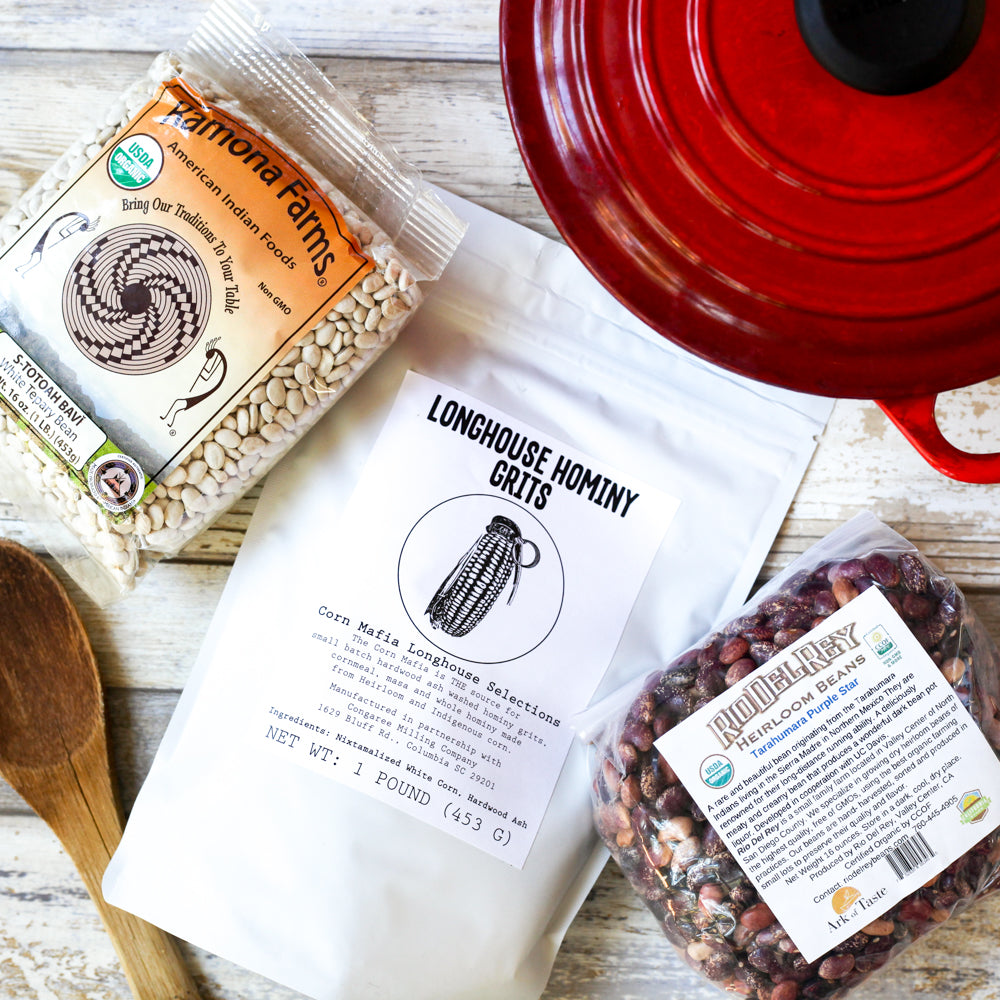
Get impossible to find beans and grains shipped direct to your doorstep each month from small family farms.


Support small family farms
Shop Now
We support small, family owned farms across the nation. Did you know that farmers only make an average of 10 cents on every dollar you spend at the supermarket? Working directly with farms and not middle men ensures that more money goes back to the people actually growning your food.