



How to Eat More Beans
How to Eat More Beans: Your Essential Guide to Adding This Fiber-Packed Superfood to Your Diet
In the quest for better health, few foods deliver as much bang for your buck as beans. These humble legumes have sustained civilizations for millennia, featured prominently in every Blue Zone region on earth, and are now experiencing a renaissance as modern science catches up to what traditional cultures always knew: beans are nothing short of miraculous for human health.
Yet despite their impressive resume, many Americans struggle to incorporate beans into their regular diet. If you've been wanting to eat more beans but don't know where to start—or if you've tried and been deterred by digestive discomfort—this comprehensive guide will walk you through everything you need to know to make beans a delicious, easy, and comfortable part of your daily routine.
Why You Want to Eat More Beans
The Fiber Powerhouse
Beans are one of nature's most concentrated sources of dietary fiber, delivering both soluble and insoluble types that work synergistically to support your health. A single cup of cooked beans provides 12-16 grams of fiber—nearly half your daily requirement. This fiber feeds your gut microbiome, stabilizes blood sugar, promotes satiety, and keeps your digestive system running smoothly. Learn more about the transformative power of fiber in our comprehensive guide.
Your Defense Against Modern Toxins
Recent groundbreaking research has revealed that dietary fiber, particularly from beans, may be one of our best defenses against the ubiquitous environmental toxins we face today. Studies show that high-fiber diets help eliminate PFAS (forever chemicals) and microplastics from the body through the digestive tract. Discover how beans protect you from PFAS and microplastics.

The Blue Zones® Secret
Every single Blue Zone®—those rare regions where people routinely live past 100 in excellent health—features beans as a dietary cornerstone. From the black beans of Nicoya, Costa Rica, to the fava beans of Ikaria, Greece, and the soybeans of Okinawa, Japan, beans are the common thread woven through the world's healthiest diets. Researchers estimate that eating a cup of beans daily can add up to four years to your life expectancy.
The Science Backs It Up

Beyond Blue Zones research, the scientific literature on beans is remarkably consistent:
- Heart Health: Regular bean consumption lowers LDL cholesterol by an average of 5-6%, reduces blood pressure, and decreases cardiovascular disease risk by up to 22%.
- Blood Sugar Regulation: The resistant starch and fiber in beans slow glucose absorption, making them invaluable for diabetes prevention and management.
- Weight Management: Despite being calorie-dense, bean consumption is associated with lower body weight and reduced obesity risk, likely due to their exceptional satiety factor.
- Cancer Prevention: The combination of fiber, antioxidants, and phytochemicals in beans has been linked to reduced risk of colorectal, breast, and prostate cancers.
- Gut Health: Beans are prebiotic superstars, feeding beneficial bacteria that produce short-chain fatty acids crucial for intestinal health and immune function.
- Longevity: Population studies consistently show that higher legume consumption correlates with reduced all-cause mortality.
How to Get Started: The Slow Integration Strategy
The biggest mistake people make when adding beans to their diet is going from zero to hero overnight. Your gut microbiome needs time to adapt to processing the complex carbohydrates and fiber in beans. Rush the process, and you're likely to experience uncomfortable gas and bloating that might discourage you from continuing.
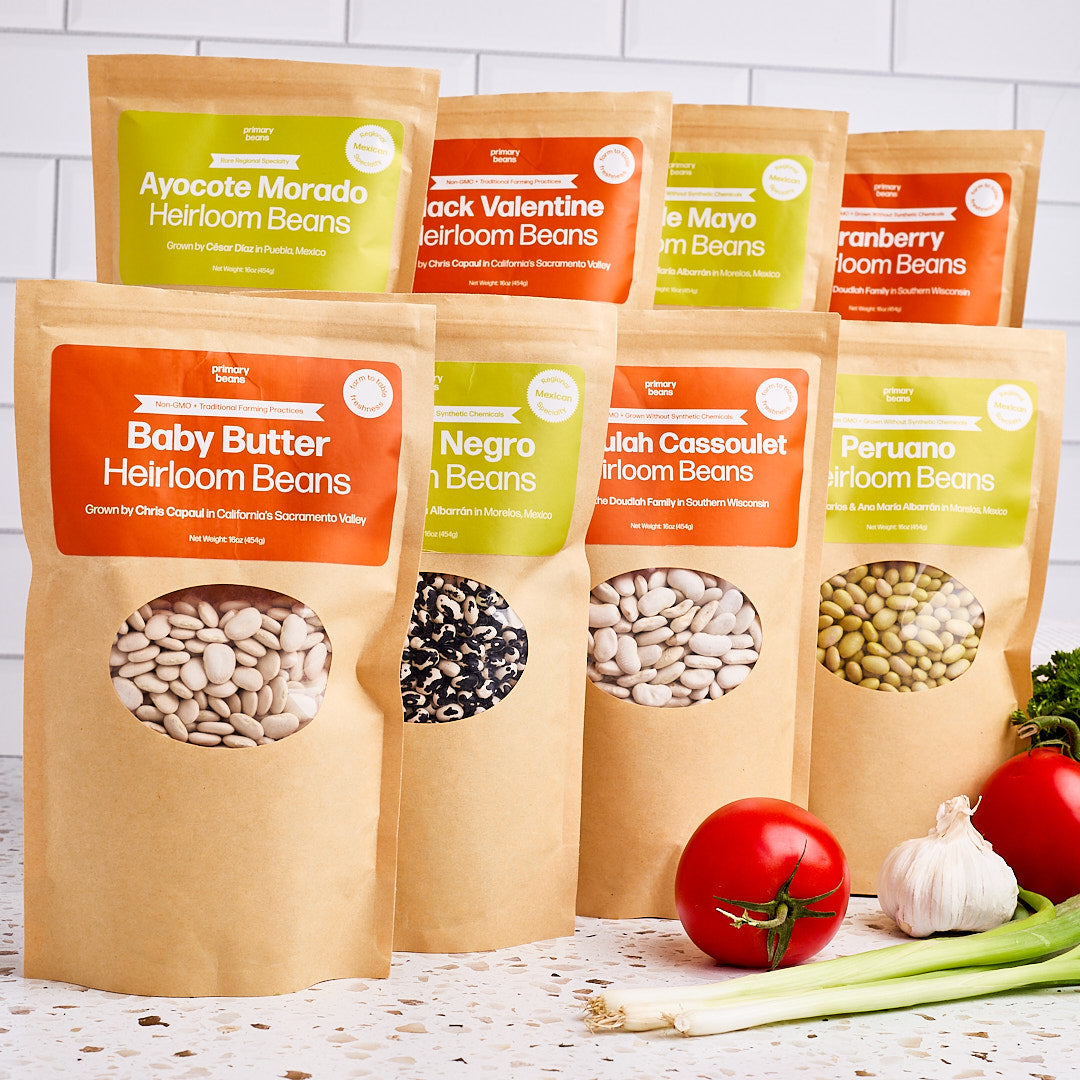
Week 1-2: Start with just 2-3 tablespoons of well-cooked beans added to dishes you already love—stirred into soup, scattered over a salad, or mashed into a quesadilla. Choose easily digestible varieties like peruano or baby butter beans.
Week 3-4: Increase to 1/4 to 1/2 cup servings, 3-4 times per week. Your digestive system is beginning to produce more of the enzymes needed to break down bean oligosaccharides.
Week 5-6: Work up to 1/2 to 3/4 cup servings daily. At this point, most people find their digestive system has adapted beautifully.
Week 7+: Enjoy full cup servings and experiment with varieties you haven't tried yet.
Remember: everyone's gut is unique. Some people adapt quickly, others need more time. Listen to your body and adjust accordingly.
Dry vs. Canned: What You Need to Know
Both dry and canned beans have their place in a healthy kitchen, but there are important distinctions to consider.

The Case for Dried Heirloom Beans
Flavor: There's simply no comparison. Freshly cooked heirloom beans have a depth of flavor, creamy texture, and distinctive character that canned beans can't match. Our heirloom varieties are harvested fresh each season and delivered to you with the harvest date on the bag—you're tasting beans at their peak, not commodity beans that may be years old.
Nutrition: Dried beans retain more nutrients than canned varieties, which lose some vitamins and minerals during the high-heat canning process. Plus, cooking your own beans means you control the sodium content.
Texture: Properly cooked dried beans maintain their shape while achieving that luscious, creamy interior. Canned beans are often mushy from processing.
Environmental Impact: Dried beans require no packaging beyond a simple bag, eliminating metal cans and their associated energy costs and BPA concerns.
Regenerative Agriculture: When you buy dried heirloom beans from farms like those we partner with—La Comandanta, Doudlah Farm, and other regenerative growers—you're supporting biodiversity, soil health, and traditional farming practices that actually heal the land.
When Canned Makes Sense
That said, canned beans absolutely have their place. They're convenient, require no planning, and are perfectly fine for quick weeknight meals when you haven't batch-cooked beans ahead of time. If you're using canned, choose organic varieties with no added salt when possible, and rinse them thoroughly before using to remove excess sodium and the starchy canning liquid.
Just don't let the convenience of canned beans stop you from experiencing the revelation of properly cooked heirloom beans. The difference is extraordinary.
Batch Cooking & Freezing: Your Secret Weapon
Here's the game-changer that makes eating beans regularly effortless: cook a large batch once, and you'll have delicious beans ready to go for weeks.
The Sunday Bean Ritual
Every week, cook up a pound or two of beans that you plan to eat for the week. Keep them in the fridge in their cooking liquid, and you'll have ready-to-use beans for salads, soups, tacos, grain bowls, and more. They'll stay fresh in the refrigerator for 4-5 days.

Freeze for Maximum Convenience
For longer storage, freezing is brilliant. Here's how:
- Cook a large batch of your favorite beans (2-3 pounds dried).
- Portion them out into 2-cup containers or freezer bags with some of their cooking liquid—this prevents freezer burn and maintains texture.
- Label with the variety and date (though they'll likely be gone long before freezer burn becomes an issue).
- Freeze flat if using bags for easy stacking.
- Thaw overnight in the refrigerator or quick-thaw in a pot on the stove.
Properly frozen beans maintain their quality for 6 months, though ours never last that long. Having several varieties in your freezer means you can have ayocote beans for a hearty stew, delicate baby butters for a salad, and mayocoba for refried beans—all without an hour of cooking time.
The Pre-Soak Freeze Method
Here's another ninja move: soak your beans, drain them, then freeze them in portions. This cuts cooking time dramatically when you're ready to use them, combining the convenience of quick preparation with the superior flavor and nutrition of dried beans.
Gas & GI Issues: The Real Story
Let's address the elephant (or should we say the toot) in the room. Yes, beans can cause gas. But understanding why—and how to minimize it—makes all the difference.
Why Beans Cause Gas
Beans contain oligosaccharides, complex sugars that humans can't digest in our small intestine. When these sugars reach the colon, gut bacteria ferment them, producing gas as a byproduct. This is actually a sign that your gut microbes are thriving and being well-fed—it's a feature, not a bug. However, excessive gas can be uncomfortable, as your body adjusts to more fiber this will diminish and there are proven strategies to minimize it.
The Kombu Solution: Your Digestive Secret Weapon
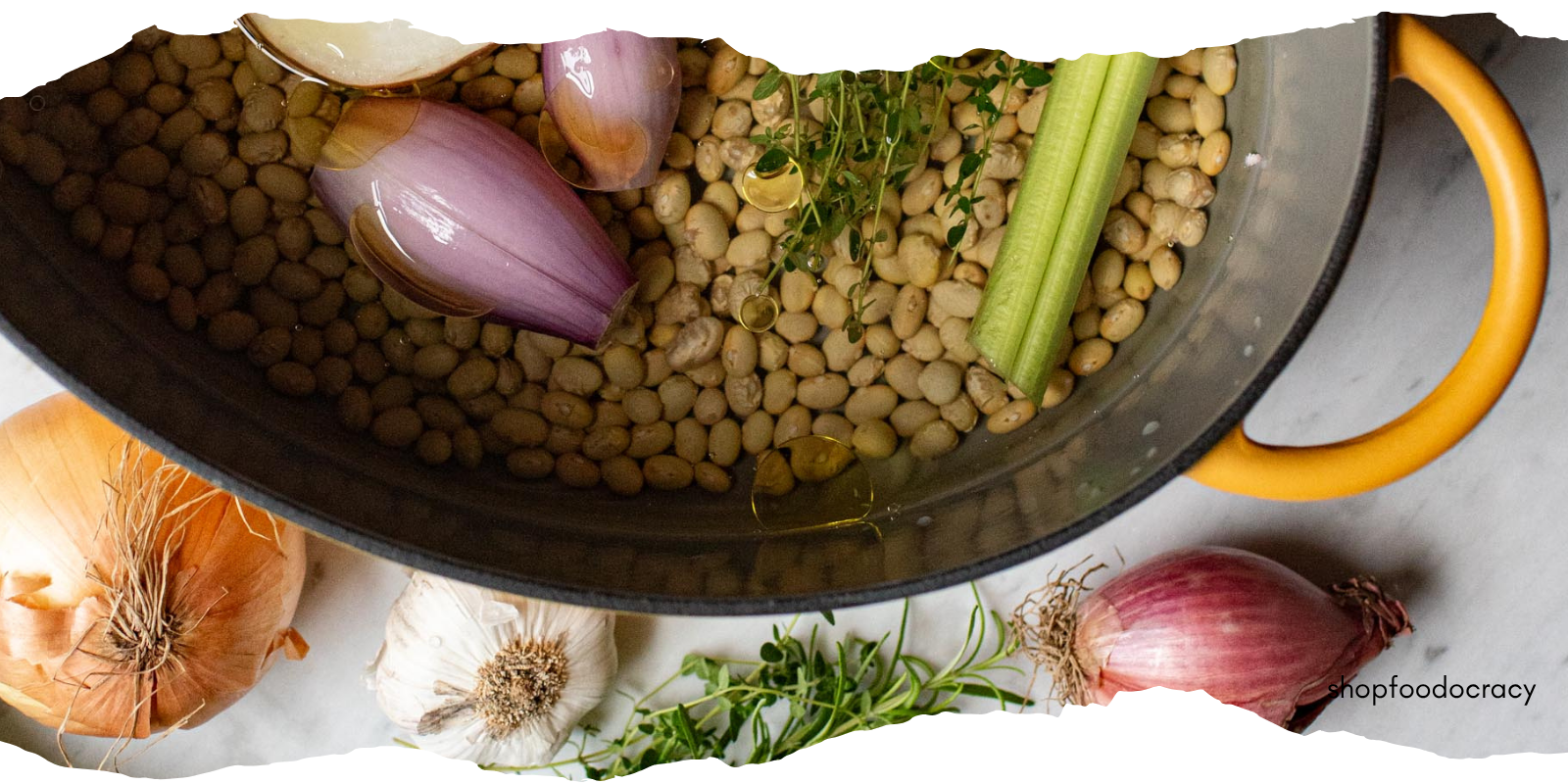
If I could share just one piece of wisdom about cooking beans, it would be this: always cook your beans with kombu.
Kombu is a type of kelp (seaweed) that has been used in Japanese cooking for centuries, particularly with beans. While Western cooks are only now discovering its magic, it's been an open secret in traditional food cultures for generations.

How Kombu Works Its Magic:
- Enzymatic Power: Kombu contains enzymes that help break down the complex oligosaccharides in beans before they reach your colon, dramatically reducing gas production.
- Amino Acid Boost: The glutamic acid in kombu acts as a natural flavor enhancer (think nature's MSG), enriching the taste of your beans and making them more savory and delicious.
- Mineral Infusion: Kombu is rich in iodine, calcium, iron, and magnesium, which leach into the cooking water and infuse your beans with additional nutrition.
- Texture Enhancement: The amino acids in kombu help soften bean skins, resulting in creamier beans with better texture.
How to Use Kombu: Simply add a 3-4 inch strip of dried kombu to your pot when you begin cooking your beans. You can remove it before serving, or if it's soft enough, chop it up and stir it back into the beans for even more nutrition and umami depth. One strip is enough for a pound of dried beans.
Other Gas-Reducing Strategies
Soak and Discard the Water: While soaking isn't strictly necessary for cooking beans, it does help reduce oligosaccharides. Soak beans for 12-24 hours, changing the water several times, then discard the soaking water and cook in fresh water.
Cook Thoroughly: Undercooked beans are harder to digest and more likely to cause gas. Make sure your beans are fully tender before eating.
Start Slowly: As mentioned earlier, gradually increasing bean consumption gives your gut microbiome time to adapt and produce more of the enzymes needed to process beans comfortably.
Add Spices: Traditional bean-cooking cultures always include carminative spices—those that reduce gas formation. Cumin, fennel, ginger, bay leaves, and epazote (Mexican wormseed) are all excellent additions.
Chew Thoroughly: Digestion begins in the mouth. Taking time to chew your beans well means they're broken down more before reaching your gut.
Stay Hydrated: Fiber needs water to move smoothly through your system. Increase your water intake as you increase your bean consumption.
Be Patient: For most people, gas issues diminish significantly within 2-4 weeks of regular bean consumption as the gut adapts.
Best Beans for Beginners
Not all beans are created equal when it comes to ease of cooking and digestibility. Here are my top recommendations for those just starting their bean journey:
Baby Butter Beans (Baby Lima Beans)
These petite, creamy white beans are the perfect gateway bean. Delicate and creamy with a subtle, almost nutty flavor, baby butter beans cook relatively quickly and are among the most easily digestible varieties. They're beautiful in salads, pureed into spreads, or simply dressed with good olive oil and lemon. Their tender texture makes them appealing even to bean skeptics.
Cooking time: 45-60 minutes (soaked), 60-90 minutes (unsoaked)
 Flageolet Beans
These slender, pale green French heirloom beans are a revelation for anyone who thinks they don't like beans. With their delicate, almost grassy flavor and tender texture, flageolets are particularly gentle on the digestive system, making them an excellent choice for beginners. What sets them apart is their remarkable ability to hold their shape beautifully while achieving that coveted creamy interior—they never turn mushy, making them ideal for salads, grain bowls, or served alongside proteins. The classic French preparation is simple perfection: dressed with excellent olive oil, fresh herbs (tarragon, parsley, or chervil), a squeeze of lemon, and flaky salt. Flageolets are famously paired with lamb—the traditional gigot d'agneau wouldn't be complete without them—but they're equally stunning with fish, chicken, or roasted vegetables.
Cooking time: 30 minutes (pressure cooker), 90-120 minutes (stovetop from dry)
Peruano Beans (Canary Beans)
Also called mayocoba or canary beans, these golden beauties are incredibly popular in Mexican cuisine for good reason. They have a mild, buttery flavor and creamy texture that's universally appealing. Peruanos are wonderfully versatile—perfect for refried beans, soups, or simply served as a side with rice. Their thin skin makes them particularly digestible.
Cooking time: 60-75 minutes (soaked), 90-120 minutes (unsoaked)
Ayocote Beans
These are the gentle giants of the bean world—large, meaty beans that cook up incredibly creamy and substantial. While they take longer to cook than smaller varieties, their rich, almost mushroom-like flavor and luxurious texture make them worth the wait. Ayocotes are traditionally used in Mexican cuisine and are surprisingly easy to digest despite their size. They're perfect for soups and stews where you want beans to be a starring ingredient.
Cooking time: 2-3 hours (soaked), 3-4 hours (unsoaked)

Easy Recipes to Get You Started
The best way to fall in love with beans is to experience how effortlessly they transform simple ingredients into deeply satisfying meals. Here are some of my favorite beginner-friendly recipes that showcase heirloom beans at their finest:
Flageolet Zucchini and Kale Salad
This Flageolet zucchini and kale salad is a delightful fusion of earthy flavors, fresh greens, and a tangy French vinaigrette with a hint of heat from Piment d’Espelette.
Pesto Baby Butter Beans
Baby Butter Beans have a naturally creamy texture and delicate flavor that makes them the perfect canvas for bold ingredients. When you toss them with vibrant pesto while they're still warm, the beans soak up all that garlicky, herby goodness, creating something far more luxurious than the sum of its simple parts.

Mary Me Beans
Marry Me Beans takes the viral sensation of Marry Me Chicken and reimagines it as a vegetarian showstopper that puts heirloom cassoulet beans front and center where they belong. This recipe will be equally good with Cannellini beans or Baby Butter Beans.
Frijoles de la Olla
Frijoles de la Olla, which means "beans of the pot," has a rich tradition of being slow-cooked in a clay pot on the stovetop.
Explore our complete collection of heirloom bean recipes →
From Past to Plate: A Living Tradition
Incorporating more beans into your diet isn't just a health decision—it's a connection to culinary traditions that span continents and centuries. Every bean tells a story of the land it grew on, the farmers who tended it, and the cultures that cherished it. When you choose heirloom varieties from regenerative farms, you're not just nourishing your body; you're preserving biodiversity, supporting sustainable agriculture, and keeping alive varieties that might otherwise disappear.
The journey to eating more beans is not about perfection or rigid rules. Start slowly, experiment with different varieties, find the preparation methods that work for your schedule, and discover which flavors resonate with your palate. Your gut will adapt, your energy will improve, and you'll likely find yourself naturally craving these nutritional powerhouses as your body recognizes their profound benefits.
So take that first step. Soak some beans tonight, tuck a strip of kombu into the pot tomorrow, and discover what traditional cultures have always known: beans are a gift—humble yet magnificent, simple yet sustaining, ancient yet perfectly suited for modern life.
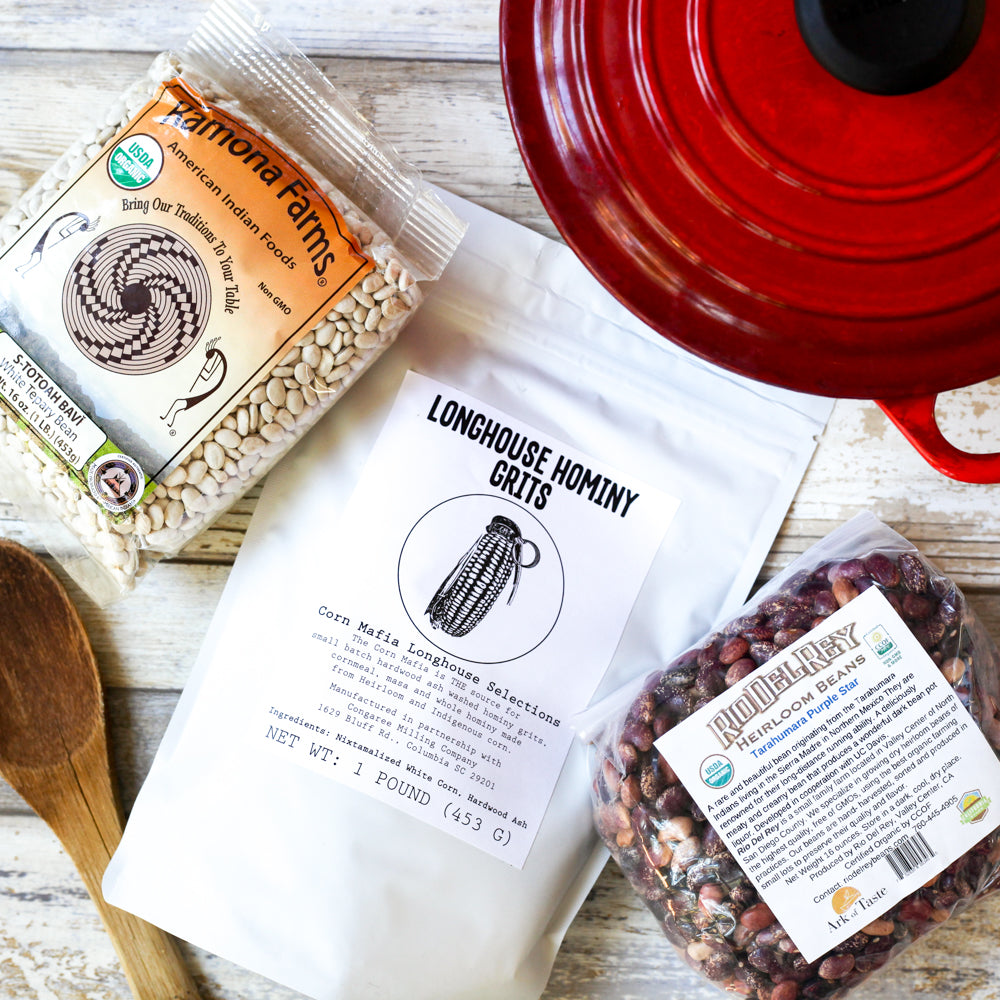
Ready to begin your bean journey? Shop our Heirloom Bean Collection or join the Heirloom Bean & Grain Club for seasonal varieties delivered to your door.

The Heirloom Bean + Grain club
Learn More
Get impossible to find beans and grains shipped direct to your doorstep each month from small family farms.


Support small family farms
Shop Now
We support small, family owned farms across the nation. Did you know that farmers only make an average of 10 cents on every dollar you spend at the supermarket? Working directly with farms and not middle men ensures that more money goes back to the people actually growning your food.