



Spicy Kimchi Stew With Mayocoba Beans
Some flavor combinations just work. They shouldn't, on paper, mild and creamy meeting bold and briny, delicate meeting fermented, but somehow they create something even better than either ingredient alone. That's exactly what happens in this kimchi jjigae with Mayocoba beans, a simple, highly addictive stew that proves beans can go anywhere, even into Korean cuisine.
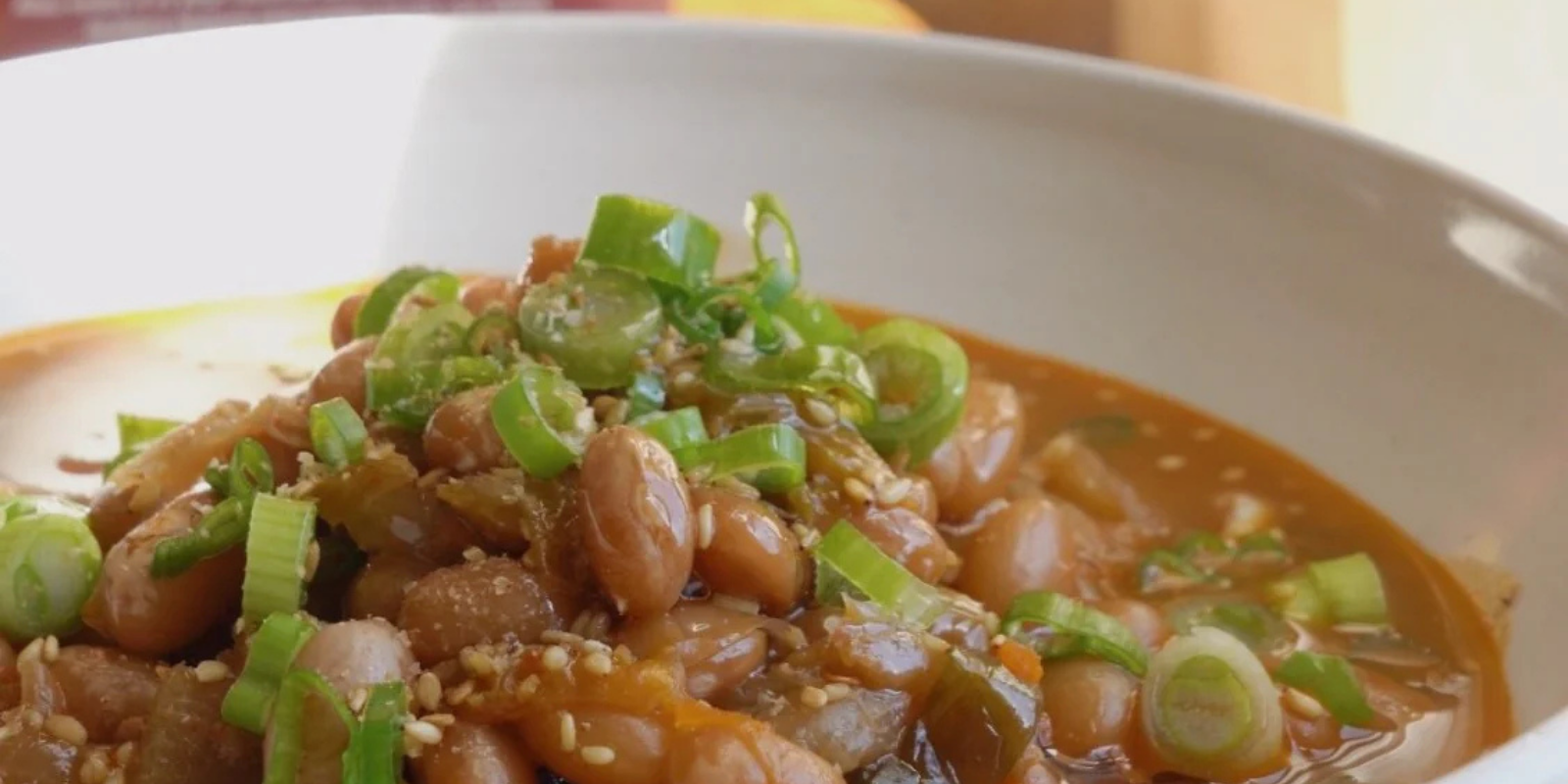
We teamed up with Heyri Han of @dearsaturdays to feature our Mayocoba beans in this stew, and the pairing is brilliant. The mild, creamy Mayocoba beans provide the perfect counterpoint to bold, briny fermented cabbage. Let time do its magic as everything simmers together, and you'll have creamy, flavorful beans soaked in the goodness of jjigae broth, savory, spicy, tangy, and completely crave-worthy.
What Is Jjigae?
Jjigae is a category of Korean stews that are typically served bubbling hot in stone pots or heavy cookware. They're comfort food at its finest, deeply flavored, warming, and meant to be shared. Kimchi jjigae is one of the most popular varieties, made with fermented kimchi as the star ingredient.
Traditional kimchi jjigae often includes pork or tofu, but this version uses Mayocoba beans instead, creating something that's both familiar to fans of Korean food and excitingly different. The beans soak up all that delicious, funky, spicy kimchi broth while providing protein and substance that makes this a complete meal.
Why This Works
The magic of this stew is in the balance. Kimchi is intense, salty, sour, spicy, umami-packed from fermentation. On its own, it can be overpowering. But when you combine it with mild, creamy beans that have a slight natural sweetness, everything comes into harmony.
The beans mellow the kimchi's intensity while the kimchi adds excitement to the beans. The kimchi brine creates a flavorful broth that the beans absorb as they cook. Anchovies add depth and that essential umami backbone. Garlic provides aromatic warmth. And time does the rest, as everything simmers together for an hour and a half, the flavors meld and deepen into something rich and satisfying.
The Star: Mayocoba Beans
Let's talk about Mayocoba beans, the butter-yellow heirloom beans that are about to become your secret weapon in the kitchen. These beans have a naturally creamy texture and mild, slightly sweet flavor that makes them incredibly versatile. They're beloved in Mexican cooking but, as this recipe proves, they work beautifully in cuisines from around the world.
What makes Mayocoba beans perfect for kimchi jjigae is their ability to become incredibly creamy while still holding their shape. Their thin skins practically disappear during cooking, and their mild flavor allows them to soak up the bold, complex flavors of the kimchi broth without getting lost. Each bean becomes a little pocket of creamy, savory, slightly spicy deliciousness.
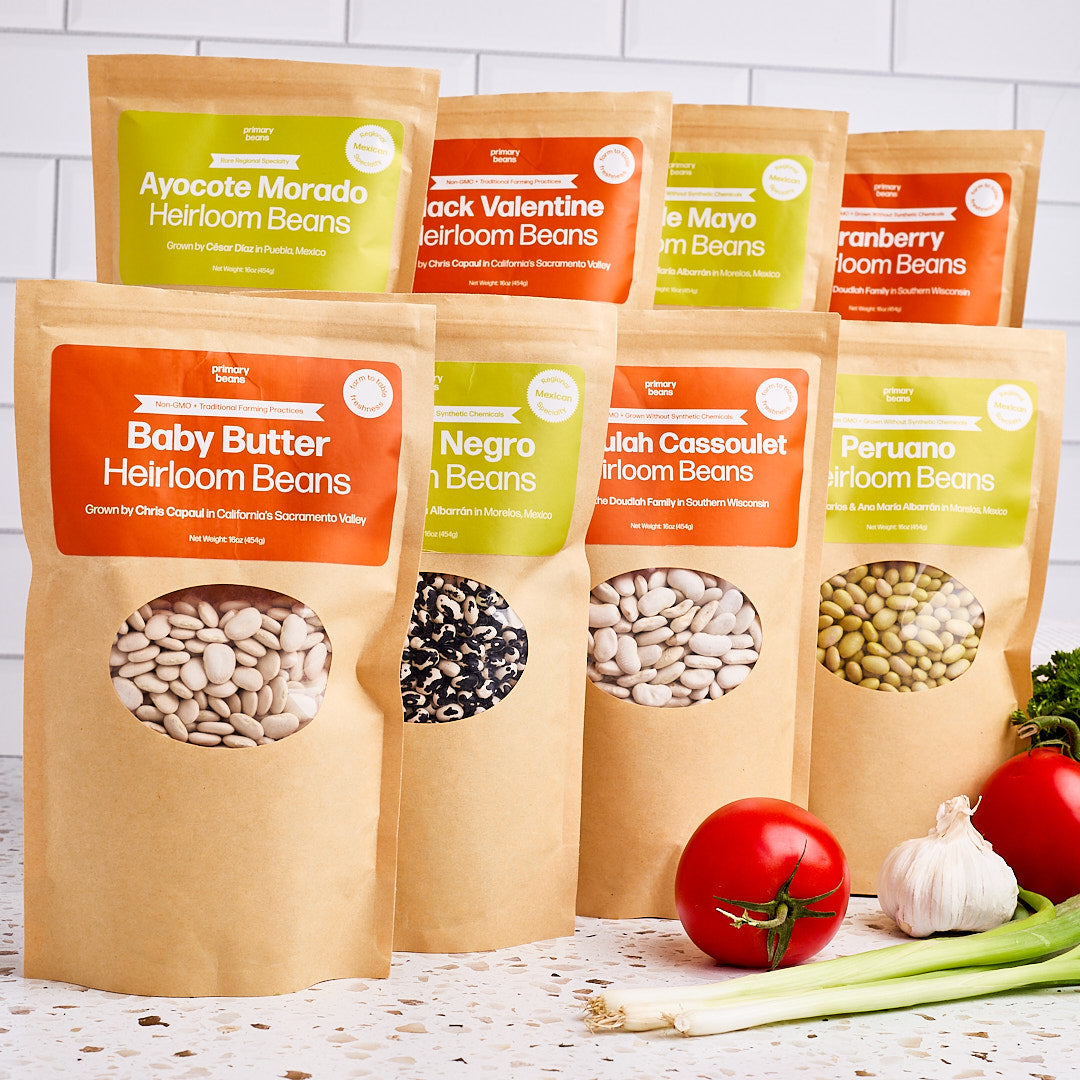
Note: While this recipe was originally created with Mayocoba beans, we currently feature Peruano beans, which are very similar. In fact, there's a fascinating relationship between these beans! The bright yellow Peruvian Canary bean, when introduced to Mexico, was called Peruano to distinguish it from Mexico's existing Canario variety. In 1978, Mexican agronomists crossed these two varieties to create Mayocoba. So Peruano beans work beautifully in this recipe and will give you that same creamy texture. You can also try this with Southwest Gold or Baby Butter beans.
About Kimchi
The quality of your kimchi matters in this recipe since it's a main ingredient. Look for kimchi that's well-fermented, it should be tangy, slightly fizzy, and deeply flavored. Avoid kimchi that's too fresh or mild, as it won't have the depth of flavor you want for the stew.
And don't throw away that kimchi brine! It's liquid gold, packed with probiotics, umami, and complex fermented flavors. In this recipe, it becomes part of the cooking liquid, adding even more depth to the broth.
The Anchovy Secret
Anchovies might seem like an unusual addition if you're not familiar with Korean cooking, but they're a secret weapon for adding umami and depth. They dissolve into the stew as it cooks, leaving behind a savory richness without any fishy flavor. If you don't have anchovies, you can substitute with a splash of fish sauce or even miso paste for that umami boost.
The Cooking Process

This stew is remarkably simple to make. You start by sautéing garlic and anchovies in oil until fragrant. The anchovies will start to break down, which is exactly what you want. Then kimchi, kimchi brine, water, and dried beans go into the pot. Everything gets stirred together, covered, and left to simmer on medium-low heat for about an hour and a half.
During that time, the beans slowly soften and absorb all those wonderful flavors. The kimchi continues to break down, releasing more of its tangy, spicy goodness into the broth. The anchovies completely dissolve, creating that savory backbone. And everything melds together into something that's way more than the sum of its parts.
Test the beans for doneness after an hour and a half, they should be tender and creamy. If they're not quite there yet, let them cook a little longer. The exact time can vary depending on how old your beans are and how you like their texture.
Finishing Touches
The garnishes aren't just decoration,they add important flavors and textures. Chopped scallions bring freshness and a mild onion bite. Sesame seeds add nuttiness and a subtle crunch. And sesame oil drizzled on top adds that distinctive toasted, nutty aroma that's essential to Korean food.
Serving
Serve this stew hot in bowls, with steamed rice on the side. In Korean cuisine, jjigae is typically served as part of a larger meal with rice and various banchan (side dishes), but it's also satisfying enough to be a meal on its own with just rice and maybe some kimchi on the side.
Leftovers are excellent, in fact, like many stews, this one gets even better the next day as the flavors continue to develop. Reheat gently on the stove, adding a splash of water if it's gotten too thick.
A Bridge Between Cuisines
What makes this recipe special is how it bridges culinary traditions. It takes Mexican heirloom beans and puts them in a Korean stew, proving that good ingredients and good techniques transcend borders. It's a reminder that fusion cooking, when done thoughtfully and respectfully, can create something new and exciting while honoring the traditions that inspired it.
This is comfort food that's both familiar and unexpected, simple and complex, mild and bold. And it's absolutely delicious.
*A Note On Our Recipes:
Every recipe here was developed and tested using farm-fresh beans from Foodocracy and Primary Beans. Older beans, anything past a year in your pantry or beans from other sources may need more coaxing. Give them a soak and add extra cooking time, and they'll get there eventually.

Related Recipes



The Heirloom Bean + Grain club
Learn More
Get impossible to find beans and grains shipped direct to your doorstep each month from small family farms.


Support small family farms
Shop Now
We support small, family owned farms across the nation. Did you know that farmers only make an average of 10 cents on every dollar you spend at the supermarket? Working directly with farms and not middle men ensures that more money goes back to the people actually growning your food.
Spicy Kimchi Stew With Mayocoba Beans
Korean
Soup
We teamed up with Heyri Han of @dearsaturdays to feature our beans in this simple, highly addictive kimchi stew. The mild, creamy Peruano beans pair perfectly with the bold, briny fermented cabbage. Let time do its magic and you'll have these creamy and flavorful beans soaked in the goodness of jjigae broth.
Featured bean: Mayacoba
Other beans to try: Southwest Gold, Baby Butter

Ingredients
- 3 tbsp minced garlic
- 2 oz chopped anchovies
- 3 tbsp cooking oil
- 2 cups minced kimchi
- ¾ cup kimchi brine
- 3 cups water
- 1½ cups dried Peruano beans
- For finishing: chopped scallions, sesame seeds, sesame oil
Directions
Sauté aromatics: Drizzle olive oil in a medium pot, sauté garlic and anchovies on medium heat for 1-2 minutes.
Simmer the stew: Add kimchi, kimchi brine, water, and beans and give the pot a good stir. Cover and set the heat to medium-low and simmer for 1½ hours. Test beans for doneness, they should be tender and creamy. Cook for a little longer if needed.
Garnish and serve: Garnish with chopped scallions, sesame seeds, and sesame oil.