



Spicy Bean Cakes With Cilantro-Yogurt Sauce
As a child, I knew I was in for a treat the second my nose pulled in the engulfing scent of hot frying oil. On special occasions, my mom prepared a snack of pakoras, battered, spiced vegetables fried until crispy. We devoured these crunchy fritters hot out the fryer. I dipped them into sweet ketchup when I was younger, but as my palate matured, I moved on to the more traditional condiments, like tamarind or cilantro-mint chutney.
These spicy bean cakes are a fun cross between bean patties and my mom's pakoras. Their crisp exterior and warm, flavorful interior pair beautifully with a dollop of cooling cilantro-yogurt sauce. Because of their snackable yet filling size, you can serve the cakes as a snack, appetizer, or along with greens and your favorite flatbread for an easy weeknight meal. Best of all, the recipe makes use of already cooked beans, so the dish comes together rather quickly.
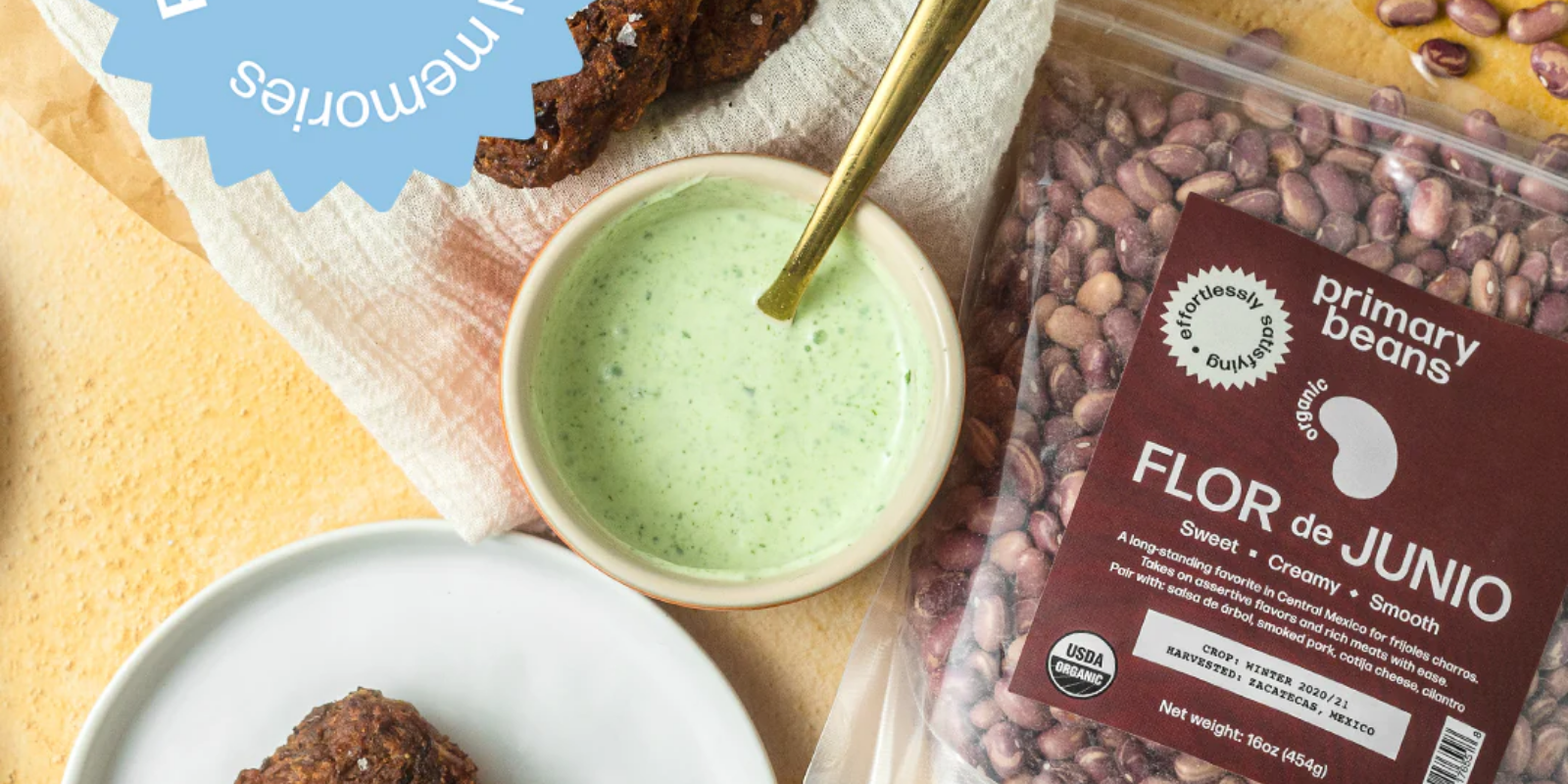
Choose a creamy bean variety, such as Flor de Junio, to easily mash and form into a patty. Or, go with a 50/50 mix of creamy and firm beans (like Negro beans) for a little more texture. To ensure these come out as wonderfully as intended, make sure to serve the bean cakes warm, just after frying. And do take the extra step of chilling the yogurt sauce before serving, it brightens the whole dish. – Karishma Pradhan, founder, Home Cooking Collective.
Why These Bean Cakes Work

What makes these bean cakes so successful is how they bridge culinary traditions. They take the concept of Indian pakoras, those crispy, spiced fritters, and adapt it to showcase beans as the star. The result is something that's familiar if you know pakoras but exciting and new because beans provide a different texture and heartiness than vegetables.
The key is in the texture contrast: crispy, golden exterior meets warm, flavorful, slightly creamy interior. The spices, cumin, turmeric, chili powder, garam masala, provide authentic Indian flavor without being overwhelming. And the cooling cilantro-yogurt sauce provides the perfect counterpoint, cutting through the richness of the fried cakes with bright, tangy freshness.
The Star: Flor de Junio Beans
Let's talk about Flor de Junio beans, beautiful medium-sized beans that are perfect for this recipe. These beans have a creamy texture when cooked that makes them easy to mash while still maintaining enough structure to form into patties. They're not so soft that they become mushy, but they're tender enough to break down into that "somewhat smooth yet slightly chunky paste" that Karishma describes.
What makes Flor de Junio ideal for these bean cakes is their ability to hold together when formed into patties and fried. They provide substance and protein while taking on the warm spices beautifully. Their mild flavor also lets the aromatics shine—cumin, turmeric, garam masala, while contributing their own subtle earthiness.
As Karishma notes, you can also do a 50/50 mix of creamy beans like Flor de Junio with firmer beans like Negro beans for more texture. This creates bean cakes with distinct bits of beans throughout, adding visual and textural interest.
The Spice Blend
The spicing is what gives these bean cakes their Indian character. Cumin seeds provide earthy, warm flavor with a slight crunch. Turmeric adds golden color and a subtle earthiness. Chili powder brings gentle heat. And garam masala, that aromatic Indian spice blend typically containing cinnamon, cardamom, cloves, and other warm spices, adds complexity and depth.
Together, these spices create a flavor profile that's warm, aromatic, and distinctly Indian without being overpowering. The beans become a canvas for these flavors rather than just a neutral base.
The Binding Ingredients
Cornstarch and panko work together to bind the cakes and create that desirable crispy exterior. The cornstarch helps hold everything together and creates a slightly crispy surface when fried. The panko adds texture and helps absorb moisture, ensuring the cakes hold their shape.
An egg whisked in provides additional binding power and richness. Together, these ingredients ensure the cakes stay together during frying while developing that crispy golden crust.
The Cilantro-Yogurt Sauce
The cooling sauce is essential to balancing the warm spices and richness of the fried cakes. It's incredibly simple, just yogurt, cilantro, lime juice, and salt blended until smooth. But the key is chilling it for at least 20 minutes before serving.
That chilling step is important. As Karishma notes, the cold sauce brightens the whole dish, providing a refreshing contrast to the hot, crispy cakes. The cilantro adds herbaceous freshness, the lime provides acidity, and the yogurt brings cooling creaminess.
It's reminiscent of the cilantro-mint chutney Karishma loved as her palate matured, but simpler and quicker to make.
The Frying Process
Frying these bean cakes properly is crucial to their success. You want oil heated to 350°F, hot enough to create a crispy exterior quickly without the cakes absorbing too much oil. Use a thermometer if you have one, or test with a small portion of the bean mixture. It should sizzle when it hits the oil but not bubble vigorously (which would mean the oil is too hot).
Form the cakes by scooping about 3 tablespoons of mixture and cupping it in your hands to create a half-inch thick patty. Don't overcrowd the pan, give each cake space so the oil temperature doesn't drop too much.
Fry for 2-3 minutes per side until nicely browned and crispy. Transfer to a wire rack (ideal) or paper towel-lined plate to drain excess oil. The wire rack is better because it allows air circulation, keeping the bottoms crispy.
Serving
As Karishma emphasizes, serve these warm, just after frying. That's when they're at their best, crispy on the outside, warm and flavorful inside. The texture changes as they cool, so don't make them too far ahead.
Serve with the chilled cilantro-yogurt sauce, a sprinkle of flaky salt for textural interest, and lime wedges for extra brightness. Each person can dollop sauce on their cakes and squeeze lime as desired.
Versatility
These bean cakes work in multiple contexts. Serve them as a snack for casual gatherings. Present them as an appetizer for dinner parties. Or make them the centerpiece of an easy weeknight meal, serving them alongside greens and flatbread (naan, roti, or pita would all be excellent).
They're also great for meal prep, make the mixture ahead and fry when ready to serve. Or fry them all and reheat in a hot oven to crisp them up again.
A Bridge Between Cultures
What makes this recipe special is how it honors Karishma's heritage while creating something new. The flavors and techniques come from her memories of her mom's pakoras, those special occasion treats that filled the house with the smell of hot oil and spices. But by using beans as the base, she's created something that's accessible, protein-rich, and uniquely delicious.
It's a beautiful example of how food memories can inspire new creations, how traditions can be adapted while still honoring their roots, and how beans can be the star of dishes from any culinary tradition.
Check out our interview with Karishma to learn more about her approach to cooking and how she develops recipes!
*A Note On Our Recipes:
Every recipe here was developed and tested using farm-fresh beans from Foodocracy and Primary Beans. Older beans, anything past a year in your pantry or beans from other sources may need more coaxing. Give them a soak and add extra cooking time, and they'll get there eventually.

Related Recipes



The Heirloom Bean + Grain club
Learn More
Get impossible to find beans and grains shipped direct to your doorstep each month from small family farms.


Support small family farms
Shop Now
We support small, family owned farms across the nation. Did you know that farmers only make an average of 10 cents on every dollar you spend at the supermarket? Working directly with farms and not middle men ensures that more money goes back to the people actually growning your food.
Spicy Bean Cakes With Cilantro-Yogurt Sauce
Indian-Inspired
Appetizer
Creator notes These spicy bean cakes are a fun cross between bean patties and my mom's pakoras. Their crisp exterior and warm, flavorful interior pair beautifully with a dollop of cooling cilantro-yogurt sauce. To ensure these come out as wonderfully as intended, make sure to serve the bean cakes warm, just after frying. And do take the extra step of chilling the yogurt sauce before serving—it brightens the whole dish. – Karishma Pradhan, founder, Home Cooking Collective
Featured bean: Flor de Junio
Other beans to try: Speckled Bayo

Ingredients
Cilantro-yogurt sauce
- ⅓ cup yogurt
- 2 tbsp loosely packed cilantro (leaves and tender stems)
- Juice from ½ a lime
- Coarse salt
Bean cakes
- 1½ cups of cooked and strained Flor de Junio beans (or mixed variety), cooked according to the Primary Beans cooking guide
- ½ tsp cumin seeds
- ¼ tsp ground turmeric
- ¼ tsp chili powder
- 1 tsp garam masala
- 1 tbsp cornstarch
- ⅓ cup panko
- ½ teaspoon coarse salt (use just a pinch if your beans are already salted)
- 1 egg
- ⅔ cup neutral oil for frying
- For serving: Flaky salt and lime wedges
Directions
Make the cilantro yogurt sauce: In a small blender jar, blend yogurt, cilantro, and lime juice. Season with salt and refrigerate for at least 20 minutes before serving.
Prep the bean cakes: In a medium bowl, mash beans with a fork or your hands until mixture forms a somewhat smooth yet slightly chunky paste (small chunks of beans are okay and add a nice texture to the cakes). Add cumin seeds, turmeric, chili powder, garam masala, cornstarch, panko, and salt. Whisk in egg and mix until well incorporated.
Fry the cakes: Set aside a wire rack or paper-towel lined plate. Place a cast-iron pan (or other heavy-bottomed pan, such as a Dutch oven) over medium heat. Add oil and heat to 350°F, ideally using a thermometer to check the temperature. If you don't have a thermometer, drop a tsp sized portion of the bean mixture into the pan. If it sizzles, it's hot enough. If it bubbles vigorously, it is too hot, so you will want to turn the heat down.
Form and cook: Form the bean cakes. Scoop about 3 tbsp of the bean mixture in your hands, cupping to form a ½-inch thick cake. Repeat with the rest of the cakes. Gently drop cakes, dividing as necessary so that the pan isn't overcrowded, into the oil and cook 2-3 minutes on each side until nicely browned. Place the cakes on the wire rack or plate to drain any excess oil.
Serve: Serve warm with the chilled yogurt sauce, flaky salt, and lime.