



Portuguese Feijoada
Some stews are worth waiting for. They're the ones that simmer slowly on the stove, filling your kitchen with incredible aromas as layers of flavor build and deepen. Feijoada is exactly that kind of stew, a hearty, soul-satisfying Portuguese bean dish that's even better the next day when the flavors have had time to meld together and the broth has thickened into something rich and luxurious.
This recipe comes from Jennifer Borges (@nothingssoffthetable), who shares her take on this traditional dish with Portuguese origins. "Feijão" literally means bean in Portuguese, and this stew, which spread to Brazil and other parts of the world via colonization, is all about celebrating beans alongside pork, chouriço, and vegetables. As Jennifer notes, "My favorite time to eat it is the next day when the flavors blend together even more and the soup has a chance to thicken."
A Stew with History
Feijoada has deep roots in Portuguese cuisine and has evolved into different versions across Portuguese-speaking countries. In Brazil, it's considered a national dish, often served at weekend gatherings with family and friends. The Portuguese version tends to be brothier and includes different cuts of meat and sausages.
What makes feijoada special is how it transforms simple ingredients, beans, pork, sausage, vegetables, into something deeply flavorful and comforting through slow cooking and careful layering of flavors. It's the kind of dish that brings people together around the table.
The Stars: Cassoulet and Alubia Beans

This recipe uses a combination of two beans: Cassoulet (Classic Flat White) and Alubia beans. Let's talk about why this combination works so well.
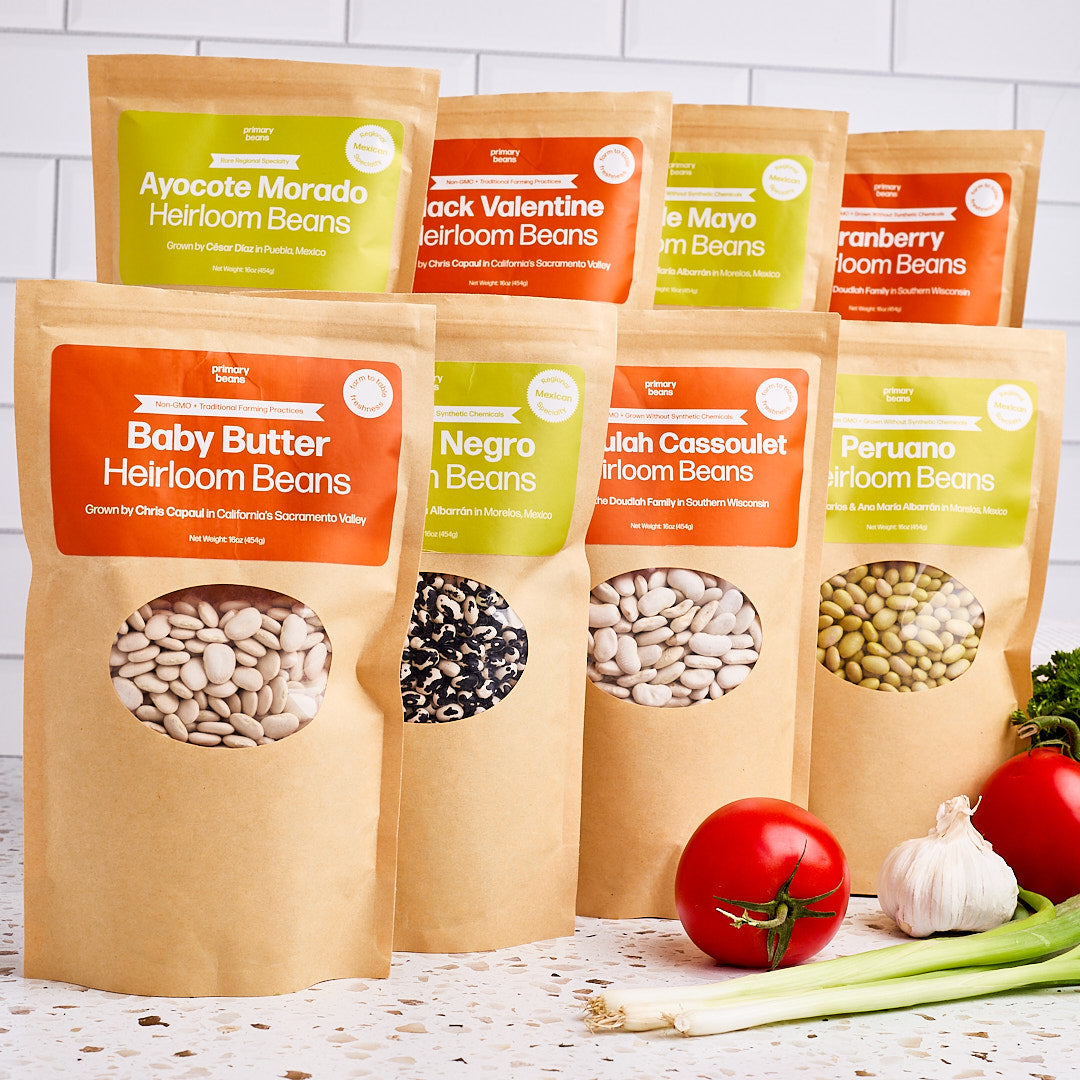
Cassoulet beans (also known as Cannulah™ or Classic Flat Whites™) are large, creamy white beans that French cooks have treasured for generations. A favorite of French cooks, these beans hold their large shape beautifully and soak up all the flavor around them. They're part of the Classic Flat White™ project, bred from the exact same seed famously grown in France and Spain. When slow-cooked in stews, they become incredibly creamy while maintaining their shape, adding substantial, satisfying bites throughout.
Alubia beans are Spanish white beans with a delicate, creamy texture and mild flavor. They break down slightly during cooking, helping to thicken the broth naturally while adding creaminess.
Together, these beans create a wonderful texture in the stew, some beans stay whole and distinct, while others break down and thicken the broth. It's the best of both worlds.
Our Cassoulet beans are grown by Mark Doudlah at Doudlah Farms in Wisconsin. Mark is a 6th generation farmer who transformed his family's conventional farm into a certified regenerative organic operation. After his father was diagnosed with Mantle Cell Lymphoma, known as The Midwest Farmers' Cancer, due to long-term exposure to farm chemicals, Mark knew he had to change how they farmed. Today, Doudlah Farms goes beyond organic with Regenerative Organic Certification and continuous testing to ensure the cleanest, most nutrient-dense beans possible. Learn more about Mark and Doudlah Farms.
Building the Flavors

Great feijoada is all about layering flavors. You start by infusing olive oil with cilantro stems, which adds a subtle herbaceous note to the base. Then onions and garlic get softened until fragrant. Portuguese hot pimenta paste (a spicy pepper paste), paprika, and bay leaves add warmth and depth. Tomatoes and tomato paste create a rich, savory foundation.
The beans, pork, chouriço, and toucinho (Portuguese bacon) all go into the pot together, getting covered with good-quality stock. Everything simmers for about an hour, giving the beans time to soften and all those flavors time to meld. The chouriço and toucinho are left whole during cooking, then removed, cut into bite-sized pieces, and returned to the pot, this keeps them from breaking apart but still infuses the broth with their flavor.
Cabbage and carrots join near the end, adding freshness and texture. Finally, cooked macaroni gets stirred in just before serving, making the stew even heartier.
About the Meats
The meats in feijoada are important for flavor. Portuguese chouriço is a dry-cured, smoked sausage with paprika and garlic that's quite different from Mexican chorizo (which is fresh and won't work in this recipe). If you can't find Portuguese chouriço, try dry-cured Spanish chorizo, linguiça (another Portuguese sausage), or andouille as alternatives.
Toucinho is thick-cut, lightly salted Portuguese bacon. If you can't find it, thick-cut bacon works as a substitute, though the flavor will be slightly different.
The stew pork should be a cut that holds up well to long cooking, shoulder or butt works great, becoming tender and flavorful as it simmers.
The Cooking Process
This isn't a difficult stew to make, but it does take time. The active cooking time is relatively short, you're building the base, then everything simmers together. But that simmering time is essential for developing deep flavor and getting the beans perfectly tender.
The whole process takes about 90 minutes from start to finish, though most of that is hands-off simmering time. And as Jennifer notes, it's even better the next day, so don't hesitate to make it ahead.
Serving
Feijoada is traditionally served in bowls with crusty bread on the side for soaking up that delicious, flavorful broth. In Portugal and Brazil, it's often accompanied by rice, orange slices (the acidity cuts through the richness), and hot sauce for those who like extra heat.
This is the kind of meal that's perfect for feeding a crowd. Make a big pot, set out bowls and spoons, and let everyone help themselves. It's casual, comforting, and completely satisfying.
Next-Day Magic
Here's the thing about feijoada: it really does get better with time. As it sits, the flavors continue to meld and deepen. The beans absorb more of the broth, making them even more flavorful. The broth itself thickens slightly, becoming richer and more concentrated.
So if you're making this for a dinner party, consider making it the day before. Reheat it gently on the stove, adding a splash of stock or water if it's gotten too thick, and you'll have a stew that tastes like it's been simmering for days.
A Taste of Tradition
Feijoada is more than just a stew, it's a connection to Portuguese culinary traditions, a celebration of simple ingredients transformed through patience and care, and a reminder that some of the best food is the kind that brings people together.
One bowl of this hearty, flavorful stew and you'll understand why it's been beloved for generations.

Related Recipes


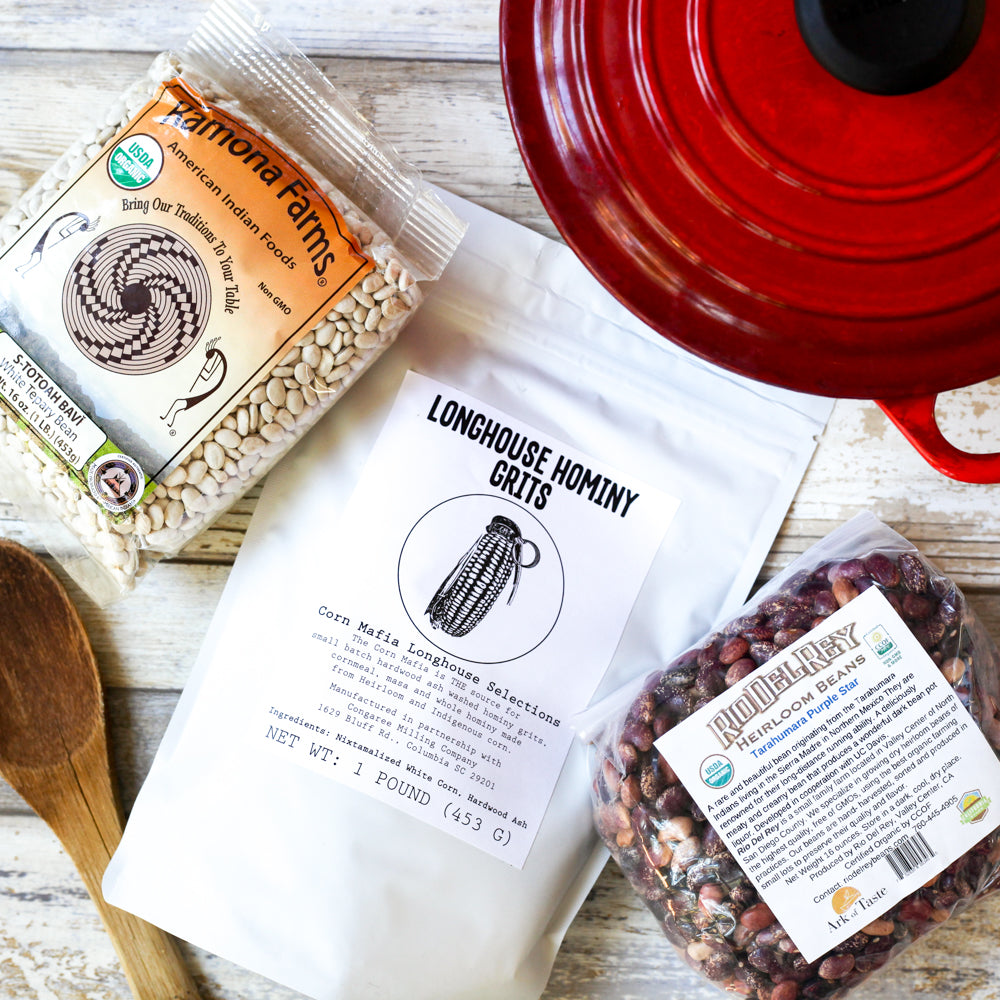

The Heirloom Bean + Grain club
Learn More
Get impossible to find beans and grains shipped direct to your doorstep each month from small family farms.


Support small family farms
Shop Now
We support small, family owned farms across the nation. Did you know that farmers only make an average of 10 cents on every dollar you spend at the supermarket? Working directly with farms and not middle men ensures that more money goes back to the people actually growning your food.