



Venezuelan-Style Arepas With Secret Sauce
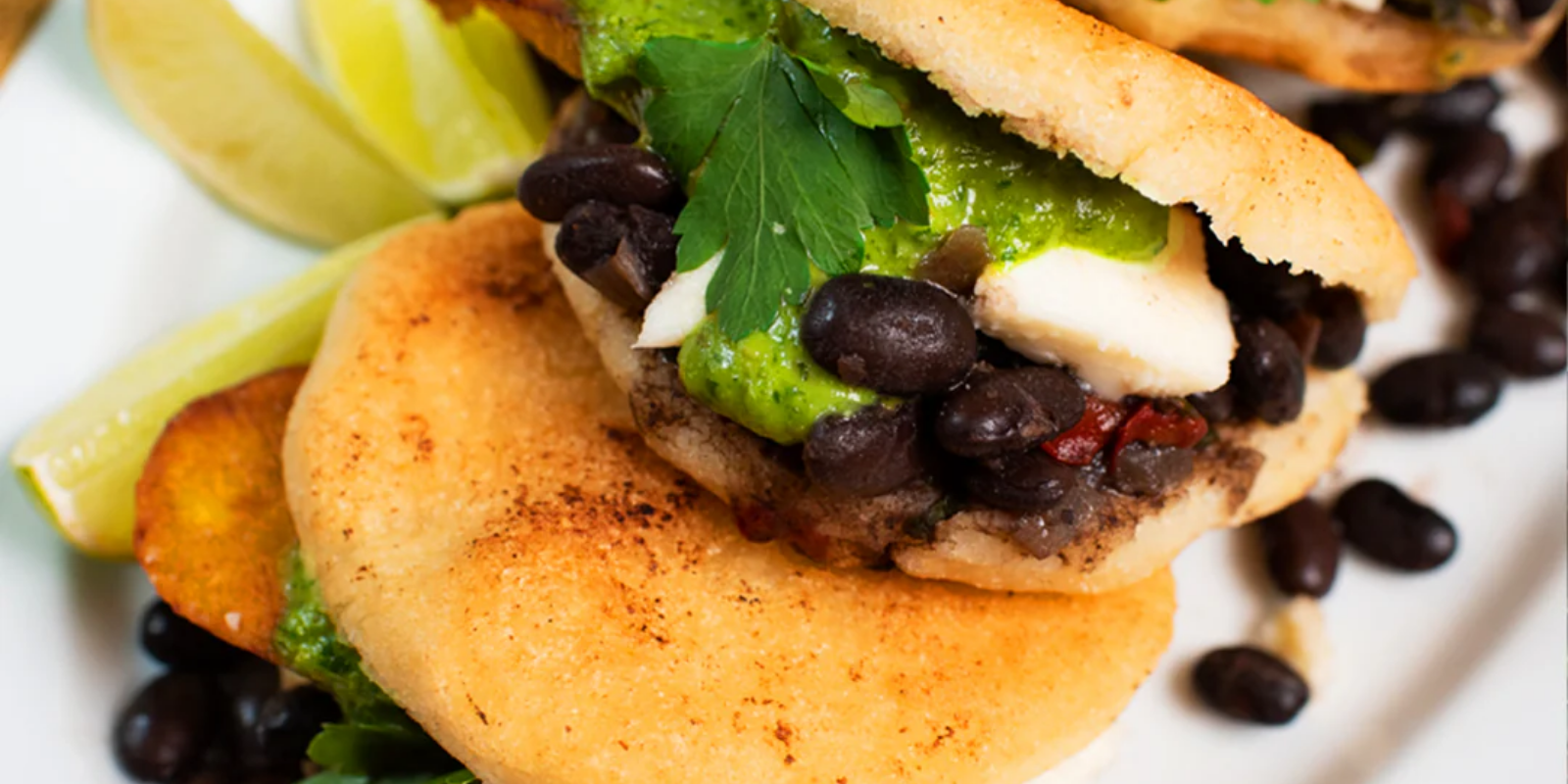
While living on the East Coast a decade ago, we became obsessed with the stuffed cornmeal cakes, known as arepas, from NYC's Caracas Arepas Bar. Crispy on the outside and tender on the inside, stuffed with creamy beans, doused with a punchy sauce, and completely affordable, what more could 20-something-year-olds want? We still dream about the restaurant's signature tangy, bright sauce that is nothing short of addicting. The owner, Maribel Araujo, keeps the ingredients a closely guarded secret, but luckily there is enough chatter online to develop a recipe that's close! Loaded with herbs, sweet peppers, and mango, and just the right amount of heat and vinegar, you'll want to make the full batch: it goes great with beans and rice, roasted potatoes, tortilla chips, fish, chicken, and just about anything else. –Lesley & Renee
What Are Arepas?

Arepas are cornmeal cakes popular throughout Venezuela and Colombia, with each country having its own style. Venezuelan arepas are typically thicker and split open to be stuffed with various fillings, beans, cheese, meat, avocado, plantains, creating a complete meal in a handheld package.
As Lesley and Renee describe them: "Crispy on the outside and tender on the inside, stuffed with creamy beans, doused with a punchy sauce, and completely affordable", the perfect street food and comfort food combination.
The Caracas Arepas Bar Obsession
The recipe is born from a decade-old obsession with Caracas Arepas Bar, a beloved NYC Venezuelan restaurant. That kind of lasting food memory, "we still dream about the restaurant's signature tangy, bright sauce", is what inspired this recreation.
The owner, Maribel Araujo, keeps her sauce recipe secret, but as Lesley and Renee note, "there is enough chatter online to develop a recipe that's close!" This collaborative detective work by devoted fans has cracked the code.
The Star: Chaparro Beans
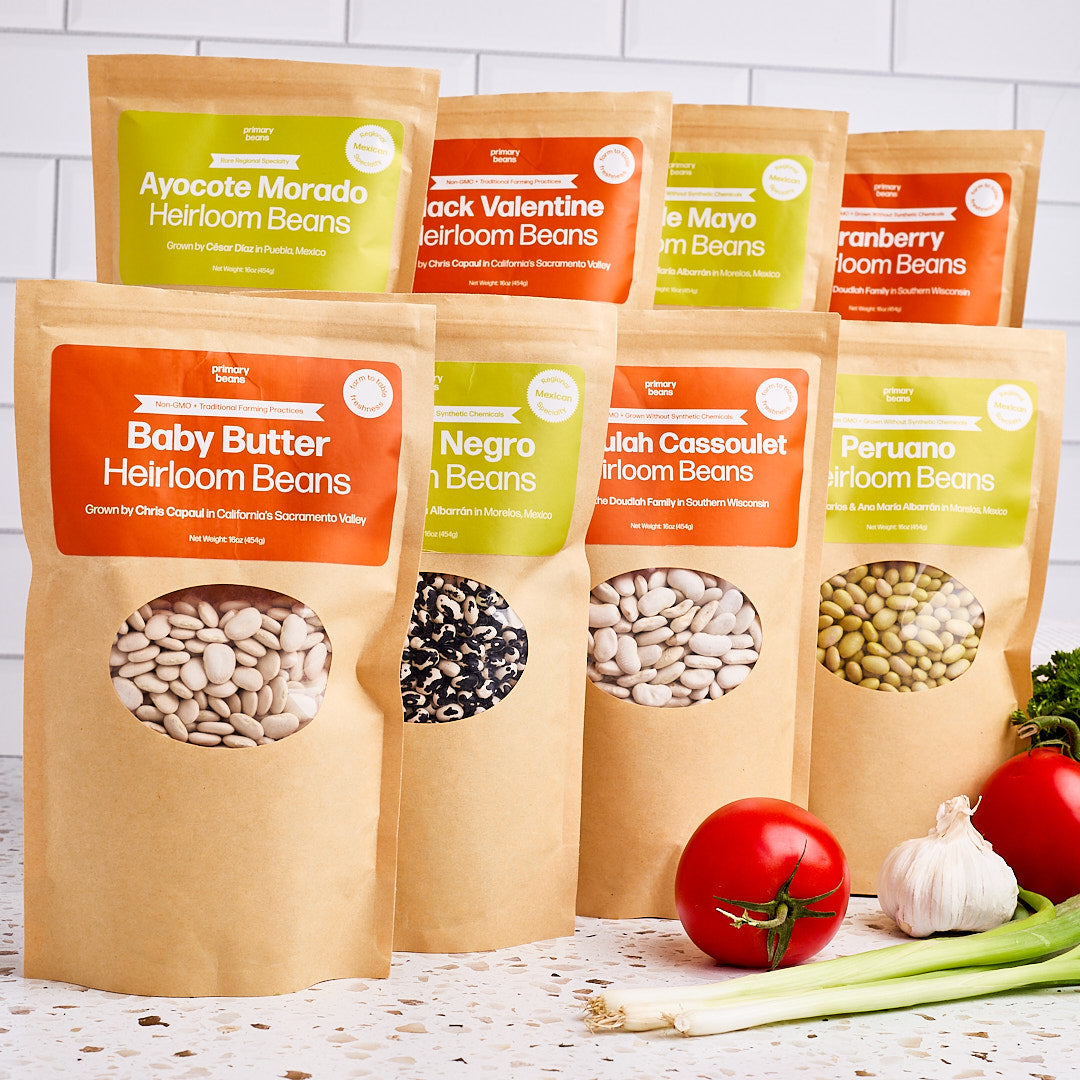
Let's talk about Chaparro beans (also called Negro beans) and why they're perfect for arepas. These small black beans have a rich, earthy flavor and creamy texture that makes them ideal for Venezuelan cooking.
What makes Chaparro beans perfect for arepa filling is their creamy texture that spreads easily inside the arepa pocket, their rich, earthy flavor that stands up to the bright sauce and sweet plantains, and their traditional use in Venezuelan cuisine.
When cooked with a sofrito of onions, peppers, garlic, cumin, and cilantro, these beans become a flavorful, substantial filling that's essential to great arepas.
The Bean Sofrito
Heat oil in a large skillet and cook chopped onion, finely chopped red bell pepper, and a pinch of salt until the vegetables are soft and fragrant. Add minced garlic and cumin, cooking for 2 minutes to bloom the spices.
Stir in chopped cilantro (leaves and tender stems) and remove from heat. This sofrito is the aromatic base that transforms plain cooked beans into something distinctly Venezuelan.
Once the beans are cooked and drained, stir them into the sofrito and simmer for 15 minutes or longer to meld the flavors. Season with salt to taste. The longer they simmer, the more the beans absorb the sofrito flavors.
The Secret Sauce
This is what makes these arepas special, the "tangy, bright sauce that is nothing short of addicting." The sauce combines:
- Cilantro and parsley (fresh, herby)
- White vinegar (tangy, sharp)
- Yellow bell peppers (sweet, mild)
- Jalapeño with seeds (heat)
- Mango, preferably Ataulfo (sweet, fruity)
- Garlic (pungent)
- Cumin (warm, earthy)
- Dried oregano (herbaceous)
- Mayo (creamy, emulsifying)
- Olive oil (richness)
Blend everything except the olive oil in a high-powered blender or food processor. Once puréed, with the motor running, gradually drizzle in olive oil until the sauce is "creamy and smooth." Season with salt to taste.
The result is complex, sweet from mango and peppers, tangy from vinegar, herby from cilantro and parsley, slightly spicy from jalapeño, with the richness of oil and mayo creating a creamy texture.
The Versatility
Lesley and Renee note you'll "want to make the full batch: it goes great with beans and rice, roasted potatoes, tortilla chips, fish, chicken, and just about anything else." This sauce is genuinely versatile, use it as a condiment, dipping sauce, salad dressing, or marinade.
Make extra and keep it in the fridge for adding to everything.
The Maduros
Maduros are fried sweet plantains, an essential component of Venezuelan arepas. Use very ripe plantains that are black (not yellow or green). Slice diagonally into 1-inch pieces.
Heat about an eighth inch of vegetable oil in a large skillet over medium-high. When shimmering, fry plantains in batches until golden brown, turning once, 2-3 minutes per side.
The plantains should be "caramelized and slightly crisp at the edges but still tender in the middle." Transfer to paper towels to drain.
The sweetness of maduros contrasts beautifully with savory beans and tangy sauce.
Making the Arepas
The arepa dough is simple but requires the right flour, yellow or white arepa corn flour like Areparina or Masarepa, NOT regular cornmeal or masa harina. These are pre-cooked corn flours specifically for arepas, found in Latin markets or online.
Mix warm water and salt in a bowl. Add the arepa flour gradually, mixing with your hands. Stop when you have dough that "doesn't easily stick to your hands and is moldable, yet still moist." Cover with a towel for 5 minutes to hydrate.
Divide the dough, rolling each piece into a ball, then pressing into a half-inch thick disk with your palms. If the dough cracks, add a little more water.
The Two-Step Cooking
Heat oil in a large skillet over medium-high. Cook arepas in batches for 2-3 minutes on each side until deep golden brown. This creates the crispy exterior.
Transfer to a baking sheet and bake at 350°F for about 15 minutes until slightly puffed. This second step cooks the interior, creating that tender, fluffy inside while maintaining the crispy exterior.
Let them cool slightly before stuffing, they need to be cool enough to handle but still warm.
The Assembly
Cut each arepa three-quarters of the way around, leaving a seam so you can stuff it like a pita. This technique keeps the arepa intact while creating a pocket for fillings.
Stuff with beans, maduros, and other fillings (avocado, queso fresco). Drizzle generously with the secret sauce.
The combination is perfect, crispy arepa, creamy beans, sweet plantains, tangy sauce, with optional fresh cheese and avocado adding richness.
The Additional Fillings
The recipe suggests fresh cheese (queso fresco) and avocado slices as additional fillings. These add:
- Queso fresco: Salty, milky, crumbly texture
- Avocado: Creamy richness and healthy fats
Both are traditional arepa fillings that complement the beans and plantains beautifully.
What 20-Something-Year-Olds Want
Lesley and Renee's rhetorical question, "what more could 20-something-year-olds want?", captures arepa appeal perfectly. They're affordable, filling, handheld, delicious, and available late-night. They're comfort food and street food in one package.
But arepas aren't just for 20-somethings, they're for anyone who appreciates good food that's both substantial and exciting.
The Food Memory
This recipe demonstrates how powerful food memories can be. A decade after living on the East Coast, Lesley and Renee still dream about these arepas enough to recreate them. That lasting impression is what great food creates, memories that persist and inspire us to recreate flavors we love.
The Collaborative Recipe Development
The note about using "enough chatter online to develop a recipe that's close" reflects how food enthusiasts work together to crack secret recipes. When restaurants won't share their formulas, devoted fans compare notes, test theories, and eventually develop approximations that capture the essential character.
This recipe represents that collaborative effort, multiple people tasting, discussing, and experimenting until they figured out what makes that sauce so addictive.
A Complete Meal
Arepas as described here are a complete meal, carbs (arepa), protein (beans), vegetables (peppers in sofrito), fruit (plantains), healthy fats (avocado), and that incredible sauce tying everything together.
Serve them for dinner, lunch, or even breakfast (arepas are eaten at all meals in Venezuela).
The Technique Acknowledgments
The recipe credits Minimalist Baker and Serious Eats for arepa technique inspiration, and Caracas Arepas Bar for fillings and sauce inspiration. This proper attribution shows respect for sources while creating something new.

Related Recipes



The Heirloom Bean + Grain club
Learn More
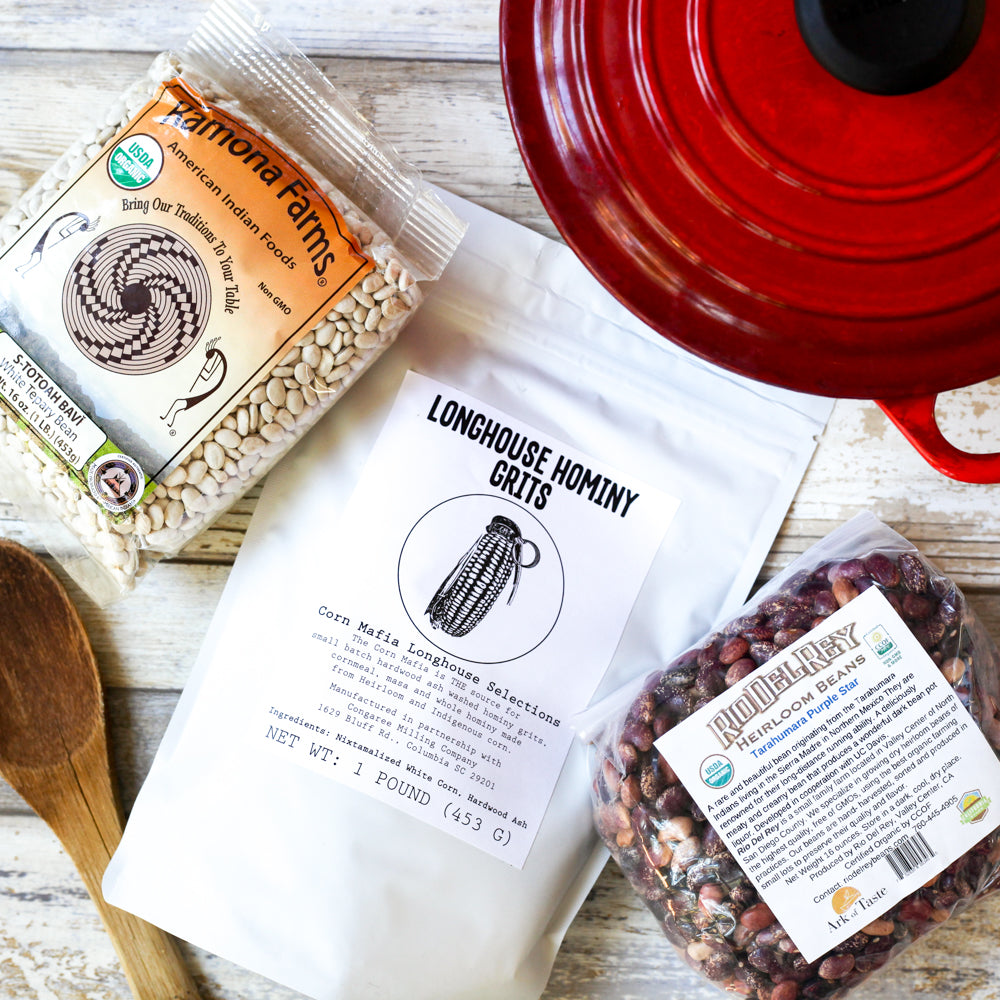
Get impossible to find beans and grains shipped direct to your doorstep each month from small family farms.


Support small family farms
Shop Now
We support small, family owned farms across the nation. Did you know that farmers only make an average of 10 cents on every dollar you spend at the supermarket? Working directly with farms and not middle men ensures that more money goes back to the people actually growning your food.