



Best Hummus
Sometimes the simplest dishes are the hardest to get right. Hummus is one of those recipes, just a few ingredients, but the difference between good hummus and truly great hummus comes down to quality and technique. This recipe showcases the beauty of both, proving that when you start with high-quality chickpeas and exceptional tahini, and treat them with care, you get hummus that's impossibly creamy, perfectly balanced, and absolutely irresistible.
The secret? Cooking the chickpeas until they're incredibly tender, almost breaking down. Letting the garlic mellow in lemon juice. Blending the tahini with ice-cold water until it transforms into something light and creamy. These small steps make all the difference between hummus that's good and hummus that makes you want to eat it by the spoonful straight from the bowl.
Why This Recipe Works

Great hummus is all about texture and balance. You want it creamy and smooth, not grainy or chunky. You want the flavors, chickpeas, tahini, lemon, garlic, to be in harmony, with no single ingredient overpowering the others. And you want it rich but not heavy, substantial but still light enough that you can't stop dipping.
This recipe achieves all of that through a few key techniques. First, the chickpeas get cooked until they're very soft, much softer than you'd want for a salad. Then they simmer with baking soda, which helps break down their skins and makes them blend into something silky-smooth. The garlic gets mellowed in lemon juice before blending, which takes away any harsh bite. And the tahini gets whipped with ice-cold water until it's light and creamy before the chickpeas even join the party.
The result is hummus that's velvety, balanced, and crave-worthy.
The Star: Chickpeas

Let's talk about chickpeas, also known as garbanzo beans. These round, nutty beans are the foundation of hummus and countless other dishes across the Middle East, Mediterranean, and beyond. They have a distinctive flavor that's earthy and slightly sweet, and a texture that can range from firm and satisfying to incredibly creamy depending on how you cook them.
What makes chickpeas perfect for hummus is their ability to blend into something smooth and creamy while still maintaining their distinctive flavor. When cooked properly, until they're very soft and almost falling apart, they create that luscious texture that makes great hummus so addictive. Their mild, nutty flavor also pairs beautifully with tahini, lemon, and garlic without any ingredient dominating.
For this recipe, using high-quality dried chickpeas makes a real difference. They're fresher than canned, cook up creamier, and have better flavor. The extra time is worth it for hummus this good.
About High-Quality Tahini
The other star ingredient here is tahini, and quality matters tremendously.
If you've never made hummus with really good tahini, you're in for a revelation. It transforms the entire dish, adding richness and depth that makes the hummus taste professional and restaurant-quality.
The Technique
The process has a few steps, but each one is important for that perfect texture. You start by cooking the chickpeas with aromatics like garlic and one strip of lemon zest. Then they simmer with baking soda, which helps break down the skins and makes them incredibly soft. More about that below.
While the chickpeas cook, you blend garlic with lemon juice and salt, then let it sit for at least 10 minutes. This mellows the garlic, taking away any harsh bite and leaving just a pleasant, rounded garlic flavor.
Next comes the tahini magic. You blend the tahini with that garlicky lemon juice until thick and creamy, then add ice-cold water a little at a time. As you blend, the tahini transforms, it lightens in color, increases in volume, and becomes incredibly smooth and fluffy. This is the base that makes your hummus creamy.
Finally, the cooked chickpeas go in and some extra ice cubes and everything blends until silky-smooth. You want it thick but spoonable, so add a little more water if needed. Season with salt to taste.
The Controversial Baking Soda Step
Some will say this isn't traditional, however, it's been well documented (Ottoleghi, Cooks Illustrated, Serious Eats) that home cooks in Jerusalem have been using baking soda to make a silky smooth hummus for generations (or at least since baking soda became available at the end of the 1800s.) There is science behind why this step works and some caution in using it. The idea is to turn the chickpeas into mush and break down the skins. Baking Soda changes the PH of the water and that breaks down pectins in the seed coat of legumes. Based on a hack from Harold McGee, my food science hero, I use this same technique to take the tough skin off of fresh fava beans and avoid the dread double peel. It's a little bit like magic. You'll notice the water foam a bit when you add the baking soda and more then as it simmers it foams up and in no time the skins pop off and the chickpeas break down completely. It only take a brief simmer of 10-15 minutes at most and your chickpeas will turn to mush with the tiny skins floating separately but now so soft they will blend easily. I'm using such a small amount of baking soda that it does not flavor the chickpeas. If you want to skip this step, just cook the chickpeas a little longer until they are falling apart. Both will work but they are slightly different. The baking soda produces a decidedly Jerusalem style, super smooth hummus.
Serving and Toppings
The fun part is the toppings. Scoop your hummus into a shallow bowl and use a spoon to smooth the top, creating that classic crater in the center. Drizzle generously with good olive oil, this is where quality really shows. Then get creative with toppings.
Traditional options include a sprinkle of paprika or Aleppo-style chili flakes, or a spoonful of whole chickpeas. But you can also try harissa paste for heat, pickled hot peppers for tang, crushed cumin seeds for earthiness, or fresh herbs like parsley or cilantro for brightness. Each topping changes the character of the hummus, so feel free to play around based on what's in your pantry.
Serve with warm pita bread, fresh vegetables, grilled meats, or honestly, just eat it by the spoonful. No judgment here.
Why Homemade Is Worth It
Once you make hummus this good at home, it's hard to go back to store-bought. The texture is silkier, the flavors are brighter and more balanced, and you can adjust everything to your taste. Plus, you get that satisfaction of making something from scratch that tastes better than anything you can buy.
This is the kind of hummus that disappears at parties, that you find yourself making weekly, that makes people ask for the recipe. It's worth every minute.
Serve and enjoy: Scoop hummus into a shallow bowl and use a spoon to smooth the top. Top with as much olive oil and other toppings as you'd like. Serve with pita, veggies, grilled meats, or simply eat it by the spoonful.
*A Note On Our Recipes:
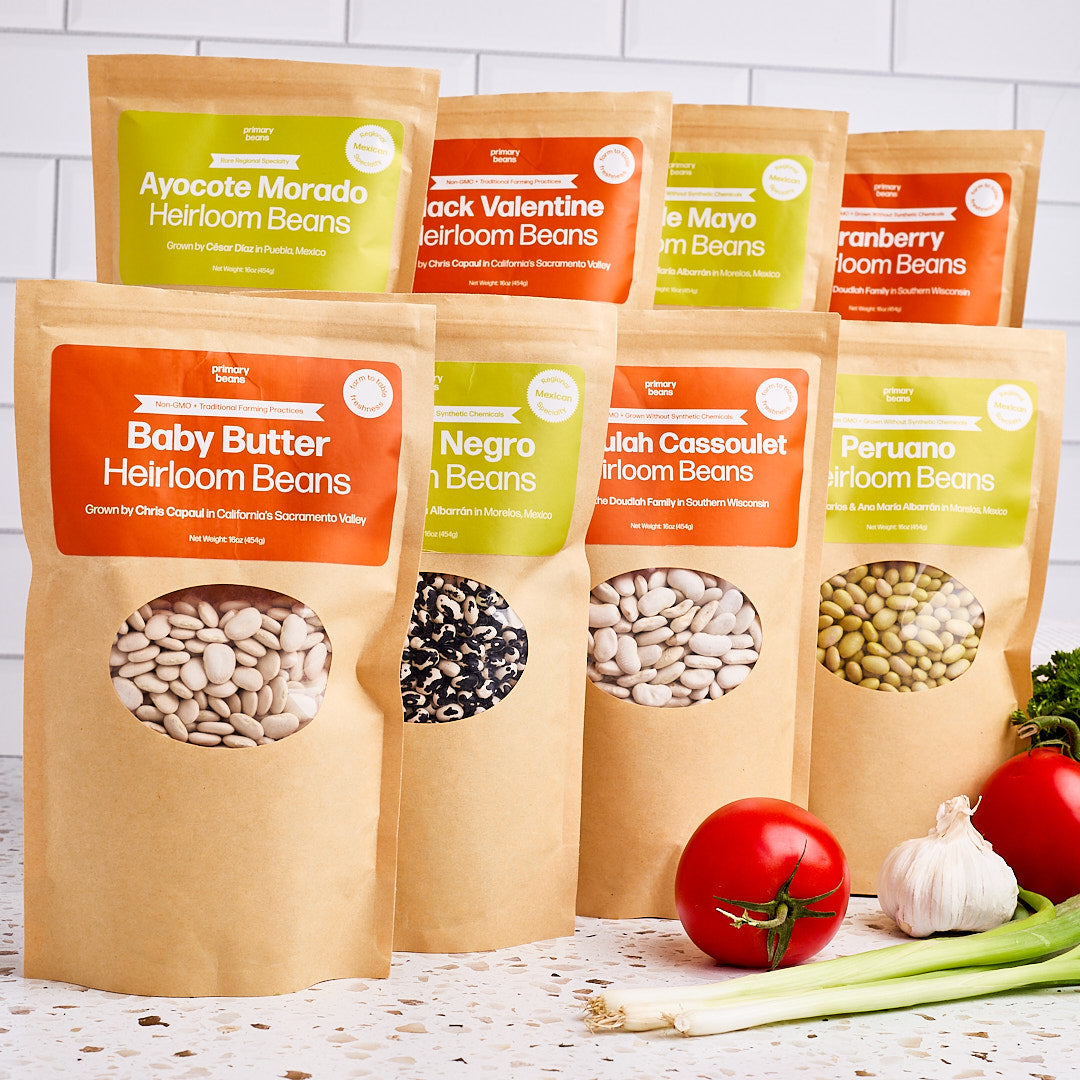
Every recipe here was developed and tested using farm-fresh beans from Foodocracy and Primary Beans. Older beans, anything past a year in your pantry or beans from other sources may need more coaxing. Give them a soak and add extra cooking time, and they'll get there eventually.



The Heirloom Bean + Grain club
Learn More
Get impossible to find beans and grains shipped direct to your doorstep each month from small family farms.


Support small family farms
Shop Now
We support small, family owned farms across the nation. Did you know that farmers only make an average of 10 cents on every dollar you spend at the supermarket? Working directly with farms and not middle men ensures that more money goes back to the people actually growning your food.
Best Hummus
Middle Eastern
Appetizer
This recipe from our friends at Soom showcases the beauty of simple ingredients and a handful of special techniques. High-quality chickpeas and tahini make all the difference, they blend together to make the creamiest version of this classic dip. You can play with the toppings depending on what's in your pantry.
Featured bean: Organic Chickpeas

Ingredients
- 1 cup dried Primary Beans Chickpeas
- zest from half a lemon
- 2 cloves garlic, olive oil
- Coarse salt
- ¼ tsp baking soda
- 4 cloves garlic, roughly chopped
- Juice from 2 lemons
- ¾ cup Villa Jerada tahini
- ¼ cup ice-cold water, plus more as needed
Toppings
- Arbequina extra virgin olive oil
- Sumac
- Pacific Flake Finishing Salt
Directions
Prepare the chickpeas:
Use a vegetable peeler to slice just the zest off of a lemon avoiding any white. This gives the chickpeas a slightly lemon garlic flavor before you’ve even started the blender. Combine the chickpeas, garlic, lemon zest and a drizzle of olive oil in the cooking vessel of your choice with 1 tsp salt. Cover with water to cover the chickpeas by at least 2 inches and cook 36 minutes in the pressure cooker or about 90 minutes on the stovetop until they are creamy and soft.
Remove the garlic but leave the lemon. If you want extra extra creamy hummus, add ¼ teaspoon of baking soda to the cooking water and simmer over medium heat with the lid on for 10-15 minutes, or until chickpeas are very soft and start to break down. (See note above about using baking soda) I do this right in the cooking pot or instant pot, however if using a conventional pressure cooker that does not have a sauté function you will need to use a second pot. This step can be skipped, especially if the chickpeas are very soft and the skins are already falling off.
Drain chickpeas and allow to cool or rinse under cold water.
Blend the ingredients:
Meanwhile, chop the garlic very fine, sprinkle with ¼ teaspoon of salt and using the side of your knife crush it into a paste. Combine with the juice of 2 lemons and another ¼ teaspoon of salt and allow to rest at least 10 minutes so the garlic flavor can mellow.
Add lemon mixture and the tahini to a blender and blend until mixture is thick and creamy, scraping down sides as necessary. While the device is running, add 2 tbsp ice-cold water and then another 2 tbsp, blending until the mixture is super smooth and pale.
Add in drained chickpeas and blend until very smooth. Taste and adjust seasonings. Blend again, this time adding 1 -2 ice cube. The ice cube is the critical final step to get the smoothest, most fluffy hummus. The dip should be thick, but you can add a little more ice water if necessary. Season with salt to taste.
Serve and enjoy: Scoop hummus into a shallow bowl and use a spoon to smooth the top. Hummus is served room temperature, never from the fridge. Top with as much olive oil and other toppings as you'd like. Serve with pita, veggies, grilled meats, or simply eat it by the spoonful.