



May 2026 Heirloom Bean And Grain Club
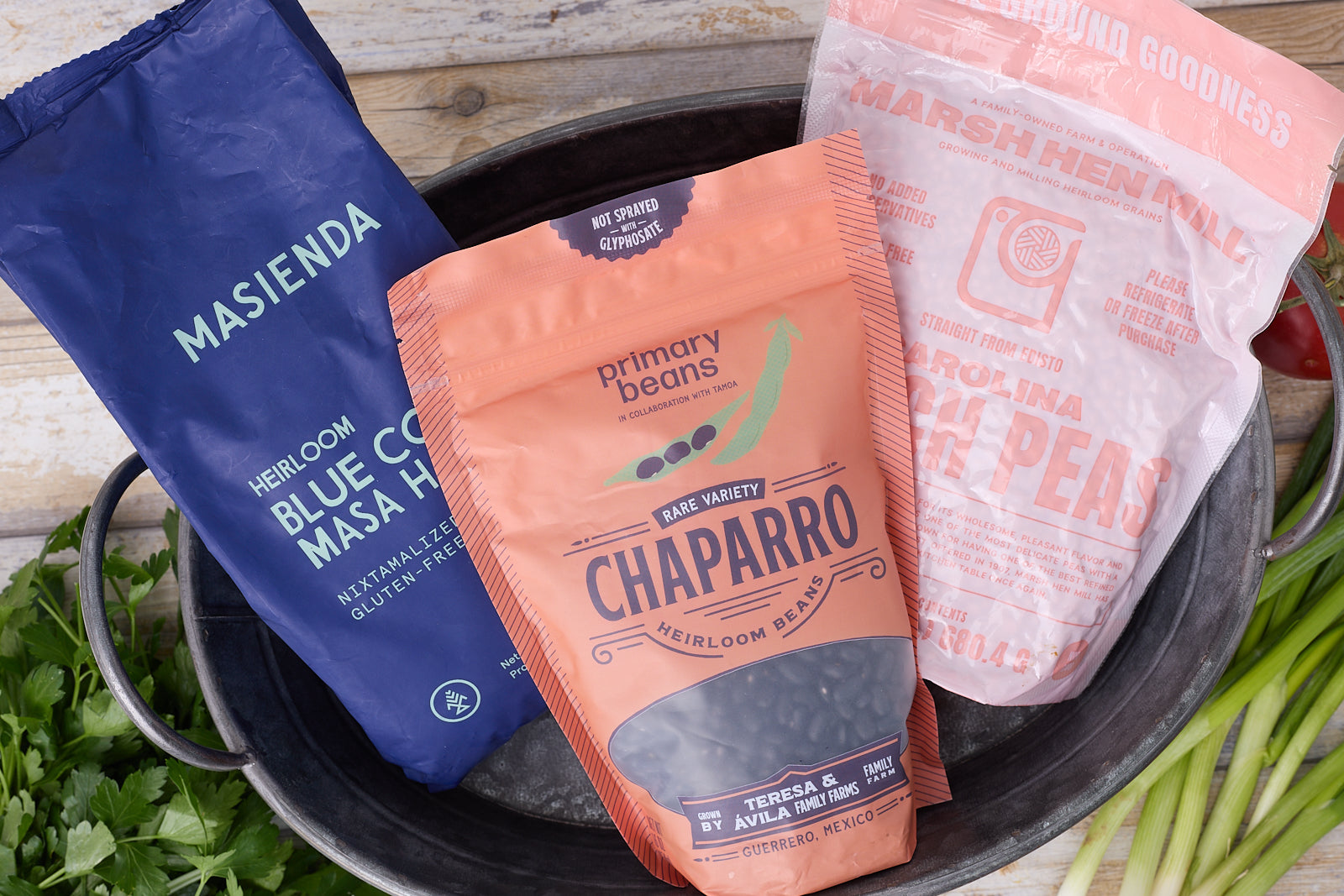
May's Heirloom Bean and Grain Club is a celebration of the true spirit of Cinco de Mayo — not the watered-down, commercialized version, but the real story of indigenous Mexican communities who held their ground against the most powerful military force in the world. At the heart of this month's selection is the Chaparro bean, a rare regional heirloom grown by the Teresa García family in Huamuchapa, Guerrero, at the edge of a tropical forest ecosystem. Hand-sown and hand-harvested at 440 meters above sea level using the ancient milpa system, these organic heirloom beans are a product of farming in rhythm with the land, exactly as it's been done here for generations. We're pairing the Chaparro with freshly milled heirloom blue masa from our friends at Masienda, bringing the full tamale tradition right to your kitchen. Rounding out the month, we're thrilled to welcome back the Carolina Conch Pea — a regional specialty and club favorite we haven't been able to offer in a couple of years. Its slightly sweet, earthy flavor and creamy texture have a way of turning field pea skeptics into lifelong converts.
BEAN AND GRAIN BOX CONTAINS:
Chaparro, Carolina Conch Peas, Heirloom Blue Masa
THE BEAN ONLY CONTAINS:
Chaparro, Carolina Conch Peas, Organic Brown Tepary Beans

OUR CUSTOMER PORTAL
You can easily claim rewards, add to your next shipment and so much more! We made a video walking you through exactly how easy it is to add some goodies to your order and get cash back. WATCH THE VIDEO.
NEW TO THE CLUB? First of all, congratulations on scoring a spot. It's going to be harder to get in this year because of low yields from key farmers like Blue House Farms. Check out our blogposts with everything you need to know to get the most out of your membership in the heirloom bean and grain club.
How To Cook A Perfect Pot of Beans
The Definitive Guide To Cooking Beans

 CHAPARRO HEIRLOOM BEANS
The beloved Chaparro is back by popular demand — the most soulful black bean you'll ever cook. Fudgy, with a fragrant aroma and a full-bodied, inky broth that makes everything it touches taste better, from a simple pot of frijoles de olla to smoky braised beans, enfrijoladas, and tamales. This heirloom black bean has a devoted following, and once you cook a pot, you'll understand why. People tell us they simply can't find this bean in the States, and honestly, that's no surprise. The Chaparro is a rare, deeply regional variety, beloved in Guerrero but almost unknown outside of it.
ABOUT THE FARMER
The Teresa García family grows Chaparro in Huamuchapa, a small community nestled at the edge of a tropical forest ecosystem in the coastal hills of Guerrero — a state of staggering biodiversity, where the Sierra Madre del Sur meets the Pacific and the land shifts from pine-oak forest in the highlands down to lush tropical lowlands. At 440 meters above sea level, the García family hand-sows and hand-harvests these organic heirloom beans using the milpa system, the ancient indigenous practice of planting beans, squash, corn and chilis together — each crop supporting the others, building soil health and biodiversity the way this land has been farmed for generations. This is traditional farming not as a marketing term but as a living practice, the kind that keeps an irreplaceable agricultural tradition alive to be handed down to the next generation.
*photo by Tamoa and Claudio CastroWHAT TO MAKE WITH THEM
The farmers enjoy the early harvest of Chaparro in tamales so in that spirit we'd like to suggest trying them in our Oaxacan Black Bean Tamales. We also teamed up this month with Diaspora. Club members get first dibs on their Taco Masala seasoning and you'll love it in their recipe for Spicy Paneer and Black Bean Crunch Wraps you can make some out of this world tacos or tostadas with your left over beans (hint tostadas are much easier to make if you've never worked with masa before). On a warm day our taco salad is a fast and easy lunch or dinner. That inky broth also inspired us to make a Mexician Black Bean Soup.
CAROLINA CONCH PEA
The Conch Pea is one of more than 50 varieties of cowpea, or field pea identified in the Southern US. The first cowpeas were brought to this country in the 1600s by enslaved people from West Africa and quickly became a staple of the South. The Conch Pea, one of many variety often called "lady peas" first appeared in the late 19th century in the St. John’s River region of north Florida, likely having arrived from the West Indies. This cream pea is similar to varieties such as "lady peas", a white pea with a pale eye. Cooked, conch peas are noted for their creamy texture and delicate flavor, making them popular among Southern cooks. They are ideal for soups and stews, adding just the right amount of flavor without overpowering other ingredients.
WHAT TO DO WITH THEM

Traditional Southern Conch Peas
This is the most traditional of all field pea recipes. So simple and yet by far the tastiest pea dish we've ever made. Start with 1 cup of dried peas, a quarter pound of smoked ham or turkey, a medium onion diced, 2 cloves of minced garlic, a teaspoon each of fresh thyme and parsley, and optionally a seeded and diced jalapeño or serrano chili. Rinse and soaking your peas overnight in cold water, or quick-soaking them in boiling water for an hour. Add the peas to a heavy-bottomed pot with 2 cups of water, a teaspoon of salt, and your smoked meat, and let everything cook together for an hour. While that's going, sauté your onion and herbs in butter until soft, then add them to the pot along with the garlic, chili (if using), and another 3 cups of water. Bring it all to a boil, then drop it down to a simmer for about 30 minutes, until the peas are tender. Finish with a good crack of fresh ground pepper, taste, and adjust seasoning as needed.You can skip the soak and simply cook the peas for longer from dry if you're like me and you never plan ahead.
The creamy texture and delicate flavor are perfect for soups, stews and salads. On chilly nights we'll be enjoying Conch Pea and Butternut Squash Soup with Crispy Sage Leaves. For all that Sunday football we think this Carolina Caviar or this Carolina Conch Pea Dip will be perfect for our tailgate party. Conch peas are also known as Lady peas and we're over the moon for this recipe from Edible Nashville for a Lady Pea Salad with Pesto.
ABOUT THE FARMER

Greg Johnsman is passionate about preserving traditional Southern foodways on the South Carolina Sea Islands. He and his wife Betsy farm and mill heirloom ingredients at Marsh Hen Mill on Edisto Island, where Betsy's family has farmed for generations. In addition to Sea Island Red Peas, Greg grows Carolina Gold Rice and Jimmy Red Corn on their Sea Island farm and mills the finest cornmeal and grits around on his ancient milling equipment from the 1940s.
HEIRLOOM BLUE CORN MASA HARINA (BEAN + GRAIN VERSION)
Non-GMO, Gluten free and made from the best, traditional heirloom corn in Mexico. Blue corn was originally cultivated by the Hopi people in what is now known as New Mexico long before Spanish explorers set foot on Turtle Island. Remember that at the time there wasn't an "America" and "Mexico" and there wasn't a boarder dividing this continent. There were at least 5 distinct varieties developed by the Hopi and those made their way across the land and were adopted far south. The Tarahumara northern Mexican variety Tarahumara Maiz Azul, cultivated in the high deserts bordering the Sierra Madre in Northern Mexico.
Once you try Masienda corn flour, you won't go back. The deep flavors are made from the highest quality ingredients and grown in the same environment for hundreds of years. In small batches, the heirloom corn is cooked, slow dried, and milled to perfection with no genetic modification. With a trace of lime and the natural, traditional maize flavor, this masa will change your life.
 WHAT TO MAKE
This blue masa is amazing for tortillas, tostadas, tamales, pupusas, arepas and more. Masa can be used like a blank canvas, there is so many possibilities! Each bag makes 86 6" tortillas. If you're new to cooking with fresh masa start out with our super easy oil free tostadas. Or try your hand at arepas. These are basically little sandwich buns, entirely gluten free and delicious. Here's a video tutorial from Masienda to show you how it's done. If you've made too much masa use leftover beans and masa to make bocoles the next night just like they do in Mexico. They are deliciously crispy on the outside and soft and chewy on the inside.
MAKING TORTILLAS
If you've never made a fresh corn tortilla you are in for a major treat. You may never go back to store bought, it's an entirely different world. First off you will want a tortilla press. I found mine at my local grocery store, but you might need to go to a latin market or order one online.
1. Fill a measuring cup with warm water.
2. Slowly add the water to one cup of masa in until fully incorporated but not sticky.
3. Adjust consistency by adding more masa if sticky, or water if too dry.
4. Heat griddle or skillet to medium heat.
5. Roll masa into pingpong size balls and cover with a damp towel.
6. Line tortilla press with plastic (cut open a plastic grocery bag for best results).
7. Place masa ball in press and press firmly.
8. Peel tortilla off plastic onto your hand, then onto the hot pan.
9. Wait until tortilla moves freely and flip.
10. Pat edges with a cloth napkin or tea towel.
11. Flip again and pat edges until slightly dry with cracks on both sides.
12. Keep warm in towels and repeat for next tortilla.
Check out this video from Masienda on how to make a tortilla that puffs.

ABOUT THE MAKER
Masienda started on the pursuit for the perfect tortilla. The journey for flavor landed Jorge Gaviria, founder and CEO in Oaxaca, Mexico, the birthplace of heirloom corn. In Oaxaca, he experienced his first perfect, real tortilla cultivated from traditional maize farmers and their families have been cultivating for centuries. The corn that is used in these traditional tortillas go through a Mesoamerican process called Nixtamalization which mineralizes the corn and excretes nutrition. This is what keeps in the flavor and nutrients that tortillas in the U.S. lack.
Jorge discovered that there are three principles that build the best tasting corn, biodiversity, sustainability, and small farmers. Masienda pairs with hundreds of traditional farmers to curate the highest quality ingredients. Masienda continuously focuses more eyes to the beautiful flavors of heirloom corn and gives farmers a way to sell their product. In Oaxaca, Masienda's investments stay with the residents, farmers, and families. Donaldo Cruz Escamilla, a Masienda farmer, says it best.
"Corn is not a culture, it's the foundation of the family."
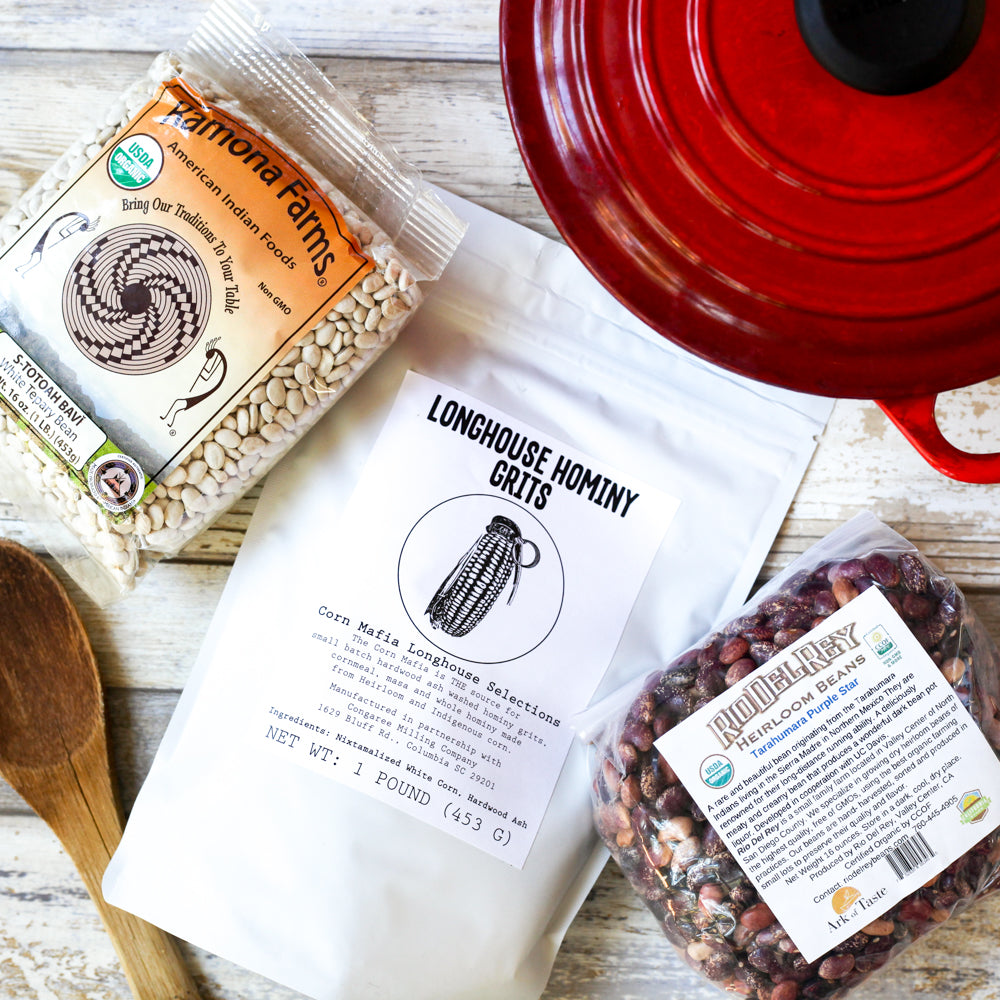

The Heirloom Bean + Grain club
Learn More
Get impossible to find beans and grains shipped direct to your doorstep each month from small family farms.
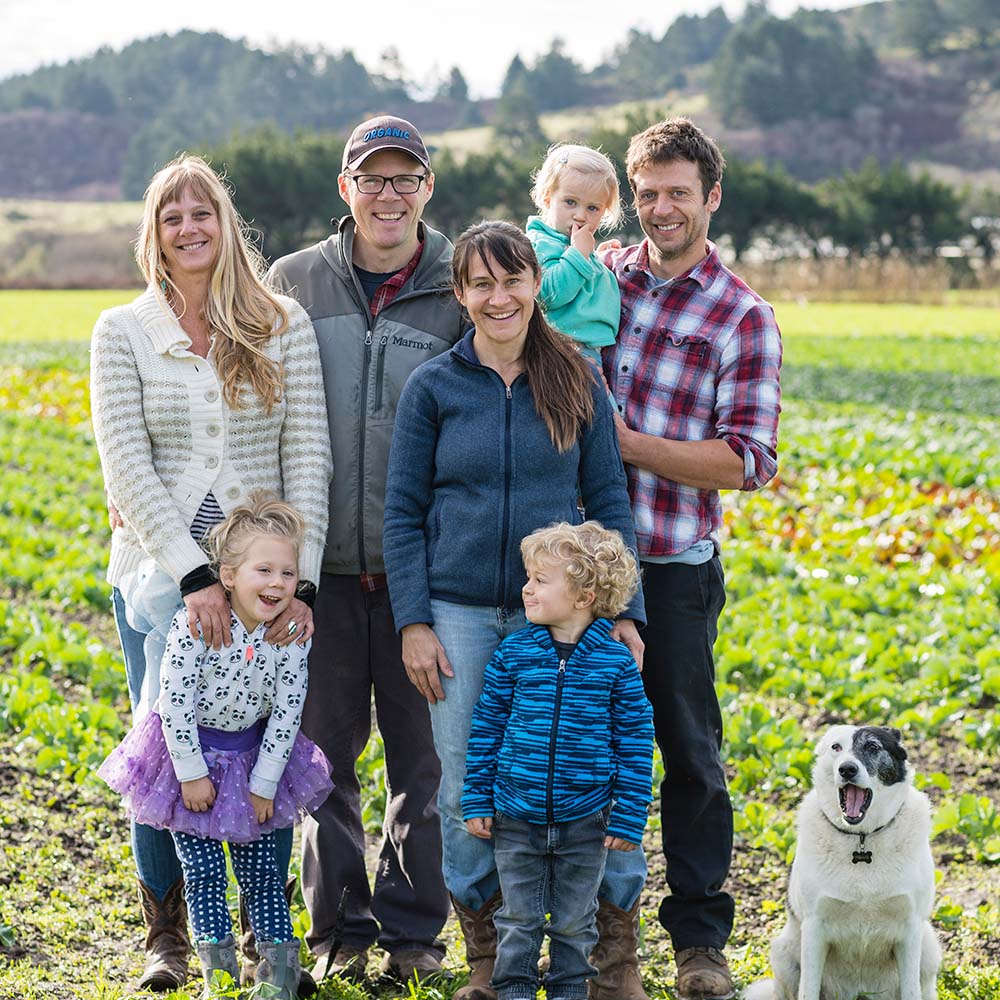

Support small family farms
Shop Now
We support small, family owned farms across the nation. Did you know that farmers only make an average of 10 cents on every dollar you spend at the supermarket? Working directly with farms and not middle men ensures that more money goes back to the people actually growning your food.