



July 2026 Heirloom Bean + Grain Club
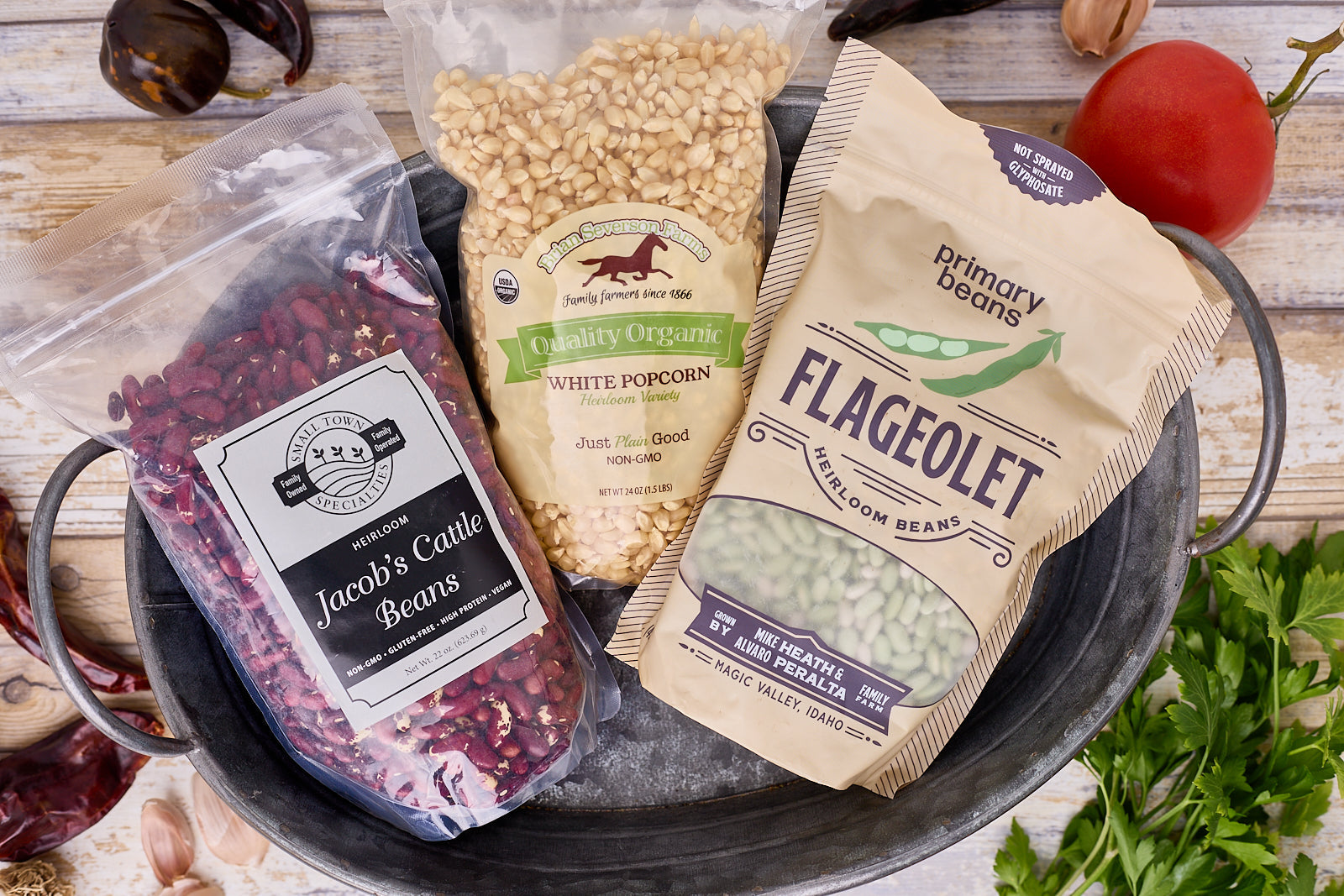
July's Heirloom Bean and Grain Club is pure summer — bright flavors, backyard grilling, and a little something for the popcorn bowl. This month we're featuring three beloved organic heirloom beans and grains with deep roots in traditional farming and small family farms: Organic Flageolet Beans, perfect for seasonal salads and an elegant pairing with grilled fish or meat; Jacob's Cattle Beans, the New England heirloom built for the most authentic baked beans you've ever tasted; and — because you asked for it — the fan-favorite Organic Non-GMO Heirloom Popcorn is back, straight from our friends at Brian Severson Farms. Ancient grains and organic beans have never looked so good on a summer table. Whether you're firing up the grill, slow-cooking a pot of old-school baked beans, or just settling in for a movie night with the best popcorn of your life, this month's selection delivers.
BEAN AND GRAIN BOX CONTAINS:
Organic Flageolet Beans, Jacob's Cattle Beans, Organic Non-GMO Heirloom Popcorn
THE BEAN ONLY CONTAINS:
Organic Flageolet Beans, Jacob's Cattle Beans, Sea Island Red Peas

OUR CUSTOMER PORTAL
You can easily claim rewards, add to your next shipment and so much more! We made a video walking you through exactly how easy it is to add some goodies to your order and get cash back. WATCH THE VIDEO.
NEW TO THE CLUB? First of all, congratulations on scoring a spot. It's going to be harder to get in this year because of low yields from key farmers like Blue House Farms. Check out our blogposts with everything you need to know to get the most out of your membership in the heirloom bean and grain club.
How To Cook A Perfect Pot of Beans
The Definitive Guide To Cooking Beans

Organic Flageolet Beans
One of our all-time favorites is back in the Heirloom Bean and Grain Club, and this month's crop is exceptional. The flageolet has a remarkable history for a humble heirloom bean. It was developed in the 1870s just outside Paris by a grower named Gabriel Chevrier, made its world debut at the 1878 International Paris Exposition, and went straight from the World's Fair to the finest restaurants in the city. The name comes from the Old French word for flute, a nod to the slender, elegant shape of the pod. What most people don't know is that despite being a French icon, the flageolet actually traces its roots back to the Americas — possibly even Oaxaca, Mexico. Ancient grains and heirloom beans have a way of crossing continents and cultures, and the flageolet is a perfect example.
That gorgeous pale spring green color is no accident. The flageolet has a unique ability to retain chlorophyll longer than other beans, and growers harvest them early and dry them in the shade specifically to preserve it. The color will vary from minty green to creamy white depending on how long each bean stayed on the plant before harvest — it's impossible to get an entire field to ripen at once. This is an outstanding crop, picked at the perfect moment, and it shows.
WHAT TO DO WITH THEM
Flageolet is mild and creamy and pairs perfectly with salmon, chicken, fish or lamb but also make a wonderful vegetarian dish. These have such incredible flavor thanks to the soil health that all they need is a drizzle of olive oil and possibly a squeeze of lemon. They are of course amazing in all salads because they hold their shape so beautifully. Enjoy them in this This delicious lemony salad by Martha Stewart is a staff favorite and we think it would make a great addition to your summer table. The classic Flageolet preparation is with lamb as in this recipe from New York Times. They work great in anything slow cooked like a cassoulet because although they are mild and tender they hold their shape with long cooking. We love them slow cooked on the stove with stock, onion and tomatoes. The flageolet is a favorite among many chefs for everything from soups to sides and they'll find a perfect place on your table.
ABOUT THE FARMER
These gorgeous organic Flageolets are grown by M&M Heath Farm in Idaho’s Magic Valley in South Central Mike Heath is considered an organic pioneer by his peers (and even featured in Michael Pollan’s Botany of Desire!), relying on complex crop rotations to cultivate healthy and alive soil, beneficial insects for pest control, and compost as natural fertilizer. Today, bean production is largely stewarded by Alvaro, who has been Mike’s right hand for 20+ years.
JACOB'S CATTLE BEANS
Jacob's Cattle,also known as the trout bean or Appaloosa bean, is known for its ability to hold its shape in addition to its beautiful white and reddish-brown speckles said to resemble the markings of a spotted calf. This delicious heirloom bean is an ingredient in the Slow Food Ark of Taste that has been around since colonial times, originating in the northeastern United States and southeastern Canada. The Passamaquoddy people of Maine are said to have presented some of these beans to Joseph Clark, the first Caucasian child born in Lubec, Maine. The flavor is described as fruity, rich, and nutty with a dense and meaty texture. It's great for soups and stews since it can hold its shape well under long cooking times, even with heavy seasoning.

WHAT TO COOK WITH JACOBS CATTLE BEANS
We love this bean in just about everything. It's so tasty just on it's own with a bit of salt you really don't have to do much to it at all. It's quite versatile and goes equally well in our recipe for the best ever vegan baked beans as it does in a hearty bowl of chili or our parmesan, rosemary soup.
ABOUT THE FARMER
Allen and Kendral Ferguson of Small Town Specialties aren't being cute with that name — they're being honest. Allen's from Chico, Kendral's from Princeton, and those small California towns shaped everything about how they farm and do business today. Their farm sits in California's Sacramento Valley, where rich volcanic soil fed by Sierra Nevada snowmelt has been feeding people for generations. It's the kind of land where farmers work with the earth rather than against it, and the Fergusons understand what a gift that is. They started farming in 2018 with a handful of unusual black chickpeas and a willingness to take a chance, and it has been a true family operation from day one — in the early years their kids played in the warehouse while Allen and Kendral filled orders; today the younger ones help with irrigation while their older daughter works packaging. Their commitment to growing clean, nutrient-dense legumes became even more personal when their daughter was diagnosed with celiac disease, deepening their dedication to food people can genuinely trust. They believe in knowing your neighbors, understanding your land, and making sure everyone knows exactly where their food comes from. The small-town way, done right.
ORGANIC HEIRLOOM POPCORN
By popular demand, the heirloom popcorn is back — and honestly, summer wouldn't feel right without it. Popcorn by a campfire is one of life's great pleasures. I grew up going to drive-in movies with my parents, loading up a big bowl of popcorn and watching summer blockbusters from the hood of the car under the fireflies. Most of those drive-ins are long gone, but we've been known to hang a sheet and project a movie from a laptop on warm summer nights. Some traditions are worth keeping alive.
Brian Severson's Pennsylvania Dutch Butter Flavored Popcorn is the real thing — a century-old heirloom variety that Amish farmers have been perfecting since the 1800s, grown organically on a small family farm in the Midwest. This is an open-pollinated, non-GMO white butterfly variety with a natural buttery sweetness that has nothing to do with artificial flavoring or processing tricks. It's just what generations of careful seed saving and traditional farming taste like. Each kernel pops into a tender, almost creamy bite with that ghost of butter on the tongue — bred in, not added. A light sprinkle of good sea salt is genuinely all it needs.
Pop it the old-fashioned way in a heavy pot with a splash of oil, or use an air popper if that's your thing. Drizzle with olive oil and flaky salt, toss with nutritional yeast and herbs, or just eat it straight from the bowl by the handful. However you enjoy it, you're tasting something that took generations to get this good.
ABOUT THE FARMER

Brian Severson grows, harvests, and mills each batch right on his family’s farm in Dwight, Illinois. His farm, committed to organic and sustainable practices, carefully nurtures these non-GMO oats from field to table. Brian’s dedication shines through in every step of the process, ensuring the grains never leave the farm until they’re ready for your bowl. We’re thrilled to support Brian’s work and share these Midwest-grown corn with you, full of flavor and care from his family to yours.

The Heirloom Bean + Grain club
Learn More
Get impossible to find beans and grains shipped direct to your doorstep each month from small family farms.

Support small family farms
Shop Now
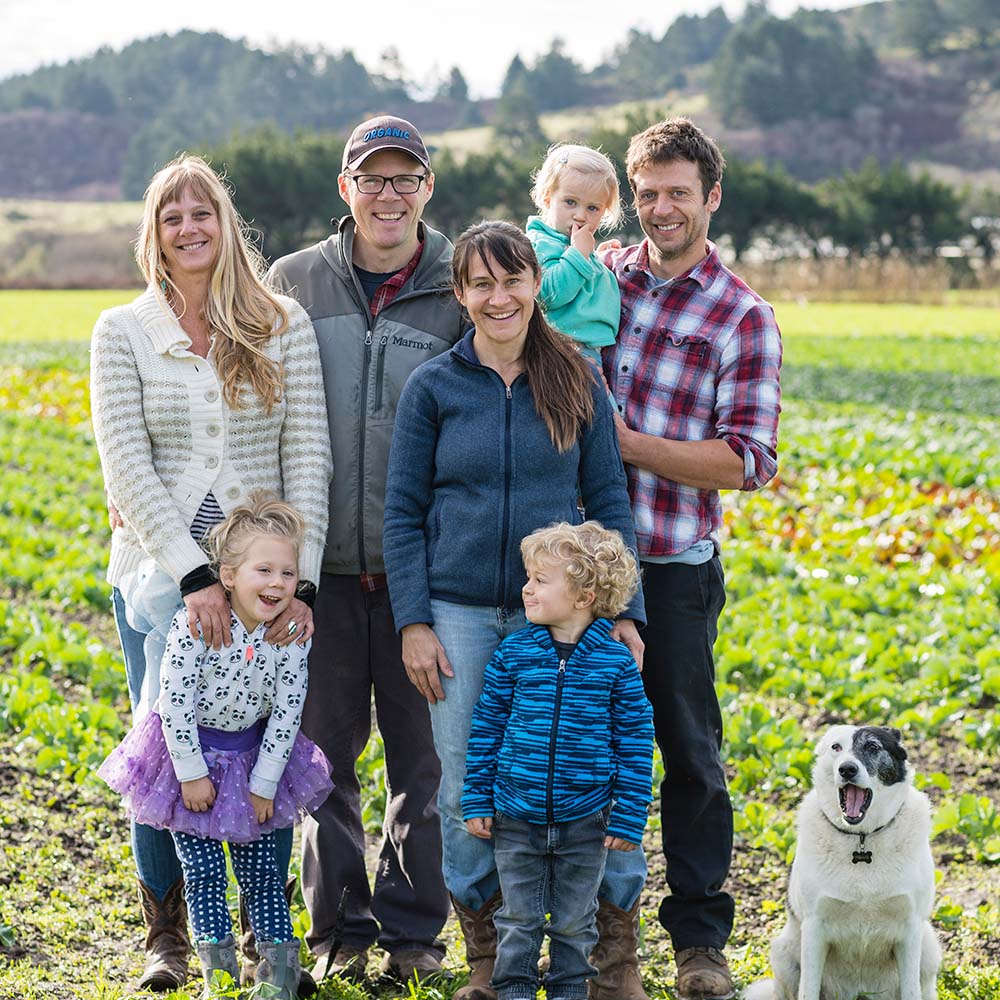
We support small, family owned farms across the nation. Did you know that farmers only make an average of 10 cents on every dollar you spend at the supermarket? Working directly with farms and not middle men ensures that more money goes back to the people actually growning your food.