


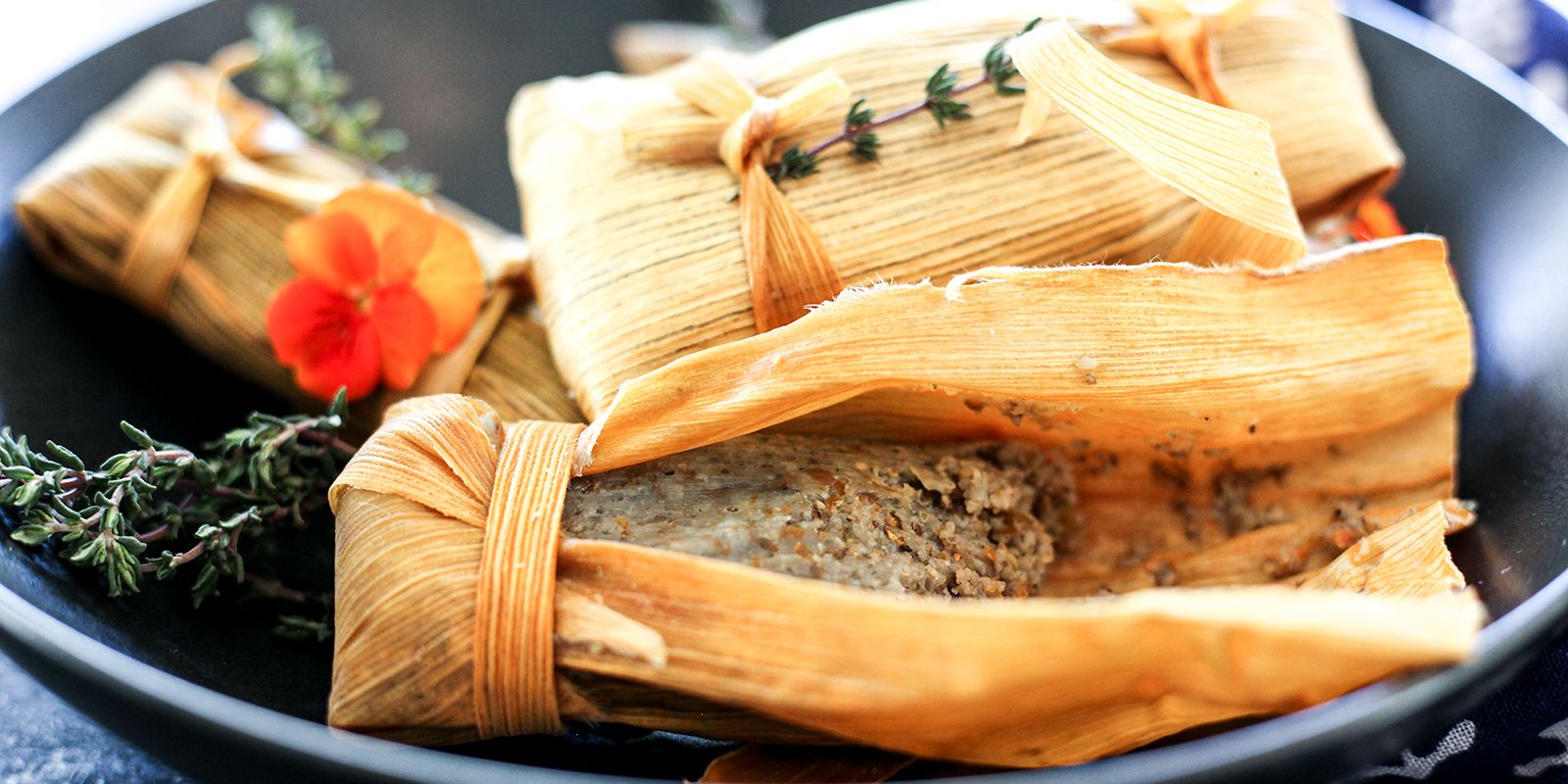

Oaxacan Black Bean Tamales
Making tamales is not just about creating a meal. It is about embracing and preserving a rich culinary tradition that stretches back thousands of years, to the ancient kitchens of Mesoamerica where tamales fed communities, marked celebrations, and honored the dead. Whether you are a seasoned cook or making tamales for the first time, the process is deeply rewarding, and the result, tender masa wrapped around a deeply seasoned black bean filling, is something genuinely special.
These Oaxacan Black Bean Tamales use heirloom corn masa harina for a richer, more complex masa that honors the ancient corn varieties this dish was built around. And at the center of every tamal is a filling made with our most soulful black bean. This is heritage cooking at its finest.
A Culinary Journey Through Tradition
Tamales have a history that stretches back to the Aztec and Maya civilizations, where they were a staple food wrapped in corn husks or banana leaves and cooked over steam. In Oaxaca, tamales are more than a meal. They are a celebration of heritage and community, traditionally made for religious festivals, family gatherings, and significant life events. The process itself, preparing the masa, the filling, the wrapping, the slow steaming, is an art form passed down through generations.
Making tamales at home is a way of participating in that story. It takes a little time and patience, but every step is worth it.
Understanding Masa Harina
Masa harina is the cornerstone of a good tamal. This flour, made from dried corn that has been nixtamalized, soaked and cooked in an alkaline solution, is what gives tamales their distinctive texture and subtle earthiness. Heirloom corn masa harina offers a richer, more complex flavor and a direct connection to the ancient corn varieties that Mexican cooks have cultivated for centuries. The nixtamalization process also significantly improves the nutritional value of the corn, making the masa more digestible and nutrient-dense. It pairs beautifully with the robust black bean filling at the heart of this recipe.
The Star: Chaparro Beans

The filling in these tamales is only as good as the bean, and for this recipe there is only one choice.
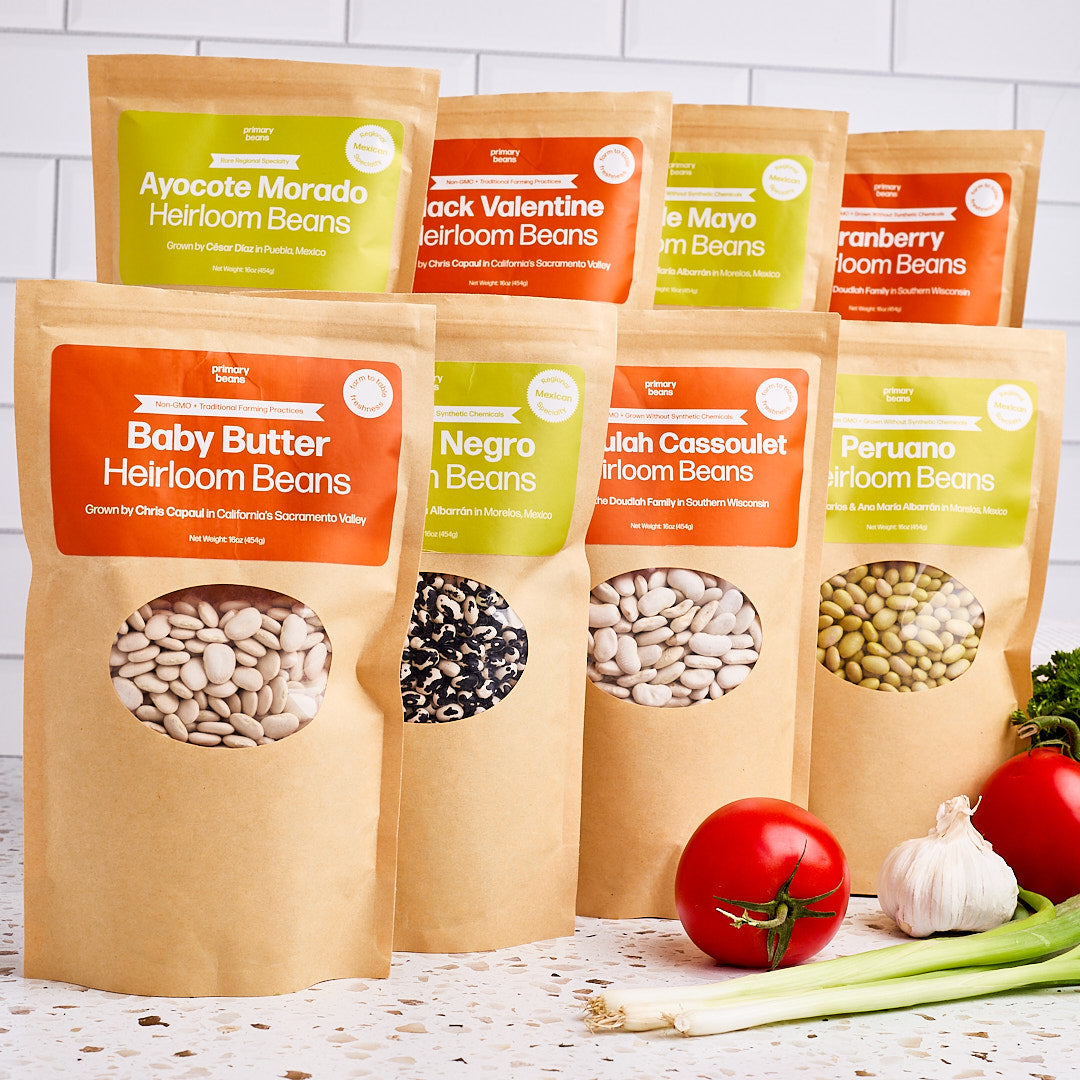
Our Chaparro Beans are the most soulful black bean we have ever cooked. Fudgy, with a fragrant aroma and a full-bodied, inky broth that makes everything it touches taste better, this beloved and very rare heirloom has a devoted following, and once you cook a pot you will understand exactly why.
Grown by the Teresa García family in Huamuchapa, Guerrero, at the edge of a tropical forest ecosystem, Chaparro is raised using the traditional milpa system, planting beans, squash, corn, and chilis together to support soil health, biodiversity, and flavor. Hand-sown and hand-harvested at 440 meters above sea level, these beans are a product of farming in deep rhythm with the land, exactly as it has been done here for generations. We are proud to partner with Tamoa to bring them to your kitchen.
For tamales specifically, the Chaparro earns its place in ways that a regular black bean simply cannot. Its fudgy, dense texture holds up beautifully when blended into the thick filling sauce, giving you body and richness rather than a watery puree. Its inky, full-bodied broth goes right back into the filling, deepening every bite. And its naturally complex, almost smoky flavor weaves through the spiced onion, garlic, and arbol chili base to create a filling that is genuinely extraordinary. This is the bean tamale makers dream about.
*A Note On Our Recipes:
Every recipe here was developed and tested using farm-fresh beans from Foodocracy and Primary Beans. Older beans, anything past a year in your pantry or beans from other sources may need more coaxing. Give them a soak and add extra cooking time, and they'll get there eventually.

Related Recipes


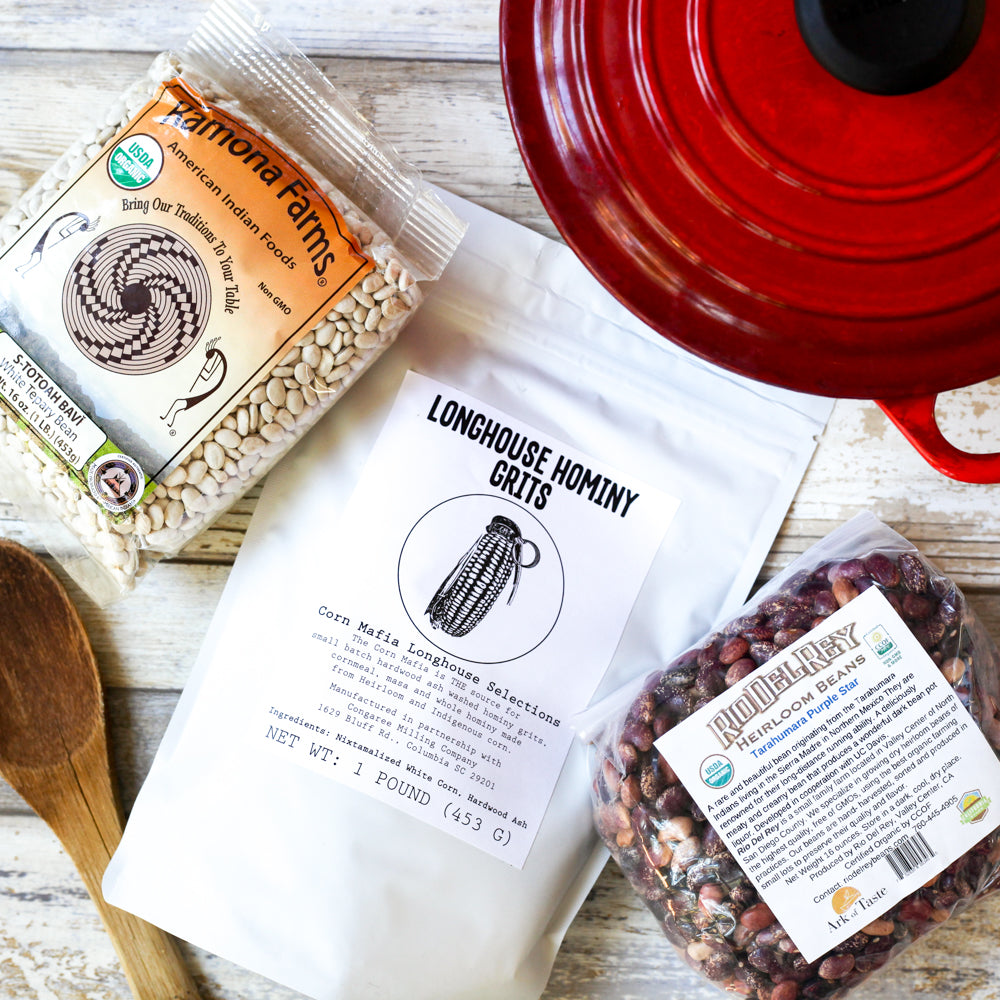

The Heirloom Bean + Grain club
Learn More
Get impossible to find beans and grains shipped direct to your doorstep each month from small family farms.


Support small family farms
Shop Now
We support small, family owned farms across the nation. Did you know that farmers only make an average of 10 cents on every dollar you spend at the supermarket? Working directly with farms and not middle men ensures that more money goes back to the people actually growning your food.
BLACK BEAN TAMALES
Lisa Riznikove
Mexican
Main Dish
Discover how to make traditional Oaxacan Black Bean Tamales using heirloom corn masa harina. A perfect blend of rich flavours and cultural heritage.

Ingredients
Filling
- 1/2 pound Chaparro Beans
- 2 tablespoons olive oil
- 1/2 onion diced
- 6 cloves of garlic, peeled and chopped
- 1 teaspoon mexican oregano
- 1-3 arbol chili peppers stems and seeds removed (optional)
- 1 Caribbean Bay Leaf
- 1 4 inch strip of kombu
- 1 tablespoon kosher salt
- Oaxaca cheese optional
Tamal
- 1 cup Heirloom Corn Masa Harina
- Corn husks
- 1 cup water or broth, room temp
- 1/2 teaspoon Salt
- 1/2 - 1 cup unsalted butter or vegan butter
- 1/2 teaspoon baking powder
Directions
Make The Filling
- In a dutch oven or pressure cooker saute the onion in olive oil for 2 minutes, add the garlic and saute for 1 more minute until fragrant and starting to soften. Rinse and drain the beans before adding to the pot along with all of the other filling ingredients and enough water to cover by a couple of inches. Cook on high in the pressure cooker for 30 minutes or bring to a boil on the stovetop then cover and reduce to a simmer for 1-2 hours on the stove until the beans are tender.
Remove the peppers, kombu and Caribbean bay leaf and discard. Strain the beans retaining the bean broth.
- Add one cup of beans and cup of bean broth to the blender and blend into a thick sauce. Add the thickened broth back to the beans taste and adjust seasoning and set aside. This can be made 1-2 days ahead.
Prepare To Make Tamales
Pour boiling water over your corn husks in a bowl and set aside to soak.) Prepping tamales with masa harina goes much faster, so it helps to have soaked, pliable husks ready for assembly that aren’t too hot. Have your filling ready (it does not need to be hot) and if you are using Oaxacan cheese pull it into strands.
Make the Masa
- Using 1 cup Masienda masa harina, use about 1 cupswater, chicken broth or vegetable broth (I love using corn stock). Don’t add all the water or broth at once, instead add 1.5 cups at first and then continually add the rest until you get a nice, uniform not-too-sticky dough. I's okay if the dough is just slightly on the drier side as opposed to too wet, because you're adding additional elements like fat to the mix, later on. Set aside.
- In a stand mixer or in a bowl with a hand mixer, whip the butter until light and fluffy. Add the masa a bit at a time to the whipped butter. You are looking for the texture of hummus. Add the baking powder. Taste again for seasoning. Go a bit heavier on the salt because they tend to lose flavor in the steaming process.
Assembly
- Lay a corn husk in front of you with the thin end away from you so that it makes a little boat. With your spoon spread a spoonful of masa in the center of the corn husk. You want it to almost reach the edge but leave a couple inches at the top and bottom to fold over the corn husk. Spread it thick enough that the filling won't poke through but not so thick that that you won't be able to wrap it. Then put a bit of the filling in the middle (but not to the edges) of the masa. Roll up the sides of the corn husk until the masa meets to enrobe the filling. Wrap the corn husk over the masa to completely cover it and then fold the top and bottom edges to the middle like an envelope and flip it over. Tear long thin strips of corn husk off of one of the husks you've prepared and use them to tie the ends so that they stay closed.
- Steam the tamales in a steamer basket over a pot of water or use a steamer if you have one. Be careful not to let the water reach the tamales but also watch that the water doesn't run dry. A trick for this is to throw a penny in the bottom of the basket. The steam will make it rattle. If stop hearing the rattle it's time to add some water. Steam the tamales for 30 minutes. You will know they are done if the masa no longer sticks to the corn husk.
- They can be kept warm at a low steam for over an hour, you can also cook them ahead and reheat them over steam before serving. Tamales freeze wonderfully and can be thawed and steamed or heated up in the microwave wrapped in a damp towel.
- Serve them with hot sauce, additional mole sauce and sour cream and lime drizzle.