



Beet And Bean Dip With Walnuts And Nigella
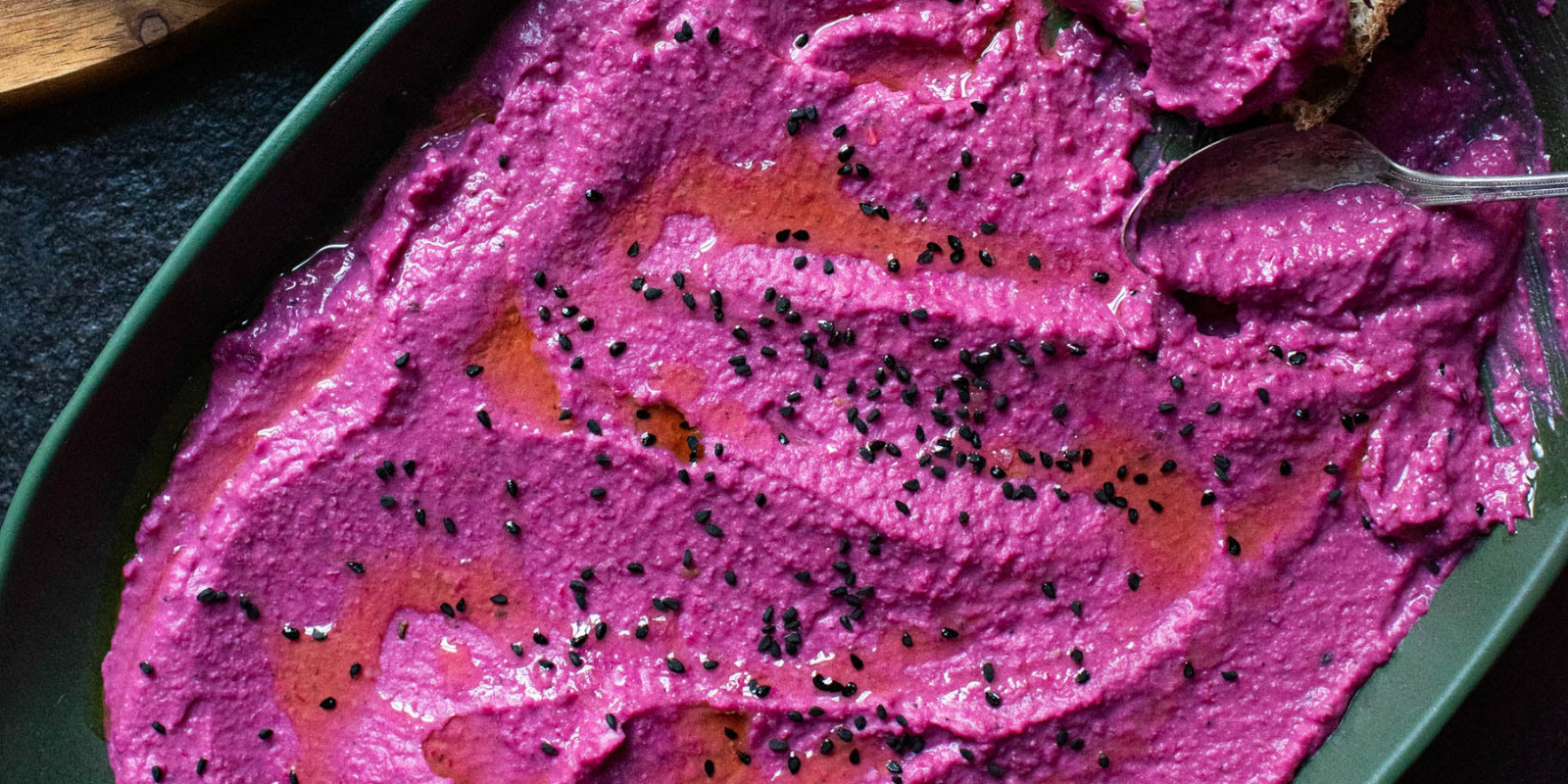
This dip is inspired by one of my favorite Middle Eastern dishes, muhammara. I love how the earthiness of the walnuts contrasts the brighter flavors of lemon and pomegranate molasses, and how the creamy Cannellini beans tie it all together. And of course, that color! Bravo to beets for their chromatic abundance. – Catherine Ownes (@countercollaborative)
Why This Dip Works

What makes this dip so successful is how it balances earthy, bright, tangy, and nutty flavors while creating something visually stunning. The beets provide sweetness, earthiness, and that gorgeous vibrant pink color. Creamy Cannellini beans add substance and a smooth texture. Walnuts bring richness and a slightly bitter, earthy quality. Pomegranate molasses adds tangy sweetness with a hint of funk. Fresh lemon juice brightens everything. And nigella and cumin seeds provide aromatic complexity.
The result is a dip that's complex and interesting without being overwhelming, perfect for spreading on bread, scooping with crackers, or dipping with fresh vegetables. And that color! It's a show-stopper on any grazing board.
The Inspiration: Muhammara
For those unfamiliar, muhammara is a beloved Middle Eastern dip made from roasted red peppers, walnuts, pomegranate molasses, and breadcrumbs, seasoned with cumin and Aleppo pepper. It's tangy, slightly sweet, nutty, and utterly addictive.
Catherine's version takes that flavor profile and gives it a twist by swapping the red peppers for beets and adding Cannellini beans for extra creaminess and protein. The result is something that honors the original while being distinctly its own creation, earthier, creamier, and more vibrant in color.
The Star: Cannellini Beans

Let's talk about Cannellini beans, the creamy white Italian beans that are perfect for dips and spreads. These medium-sized beans have a smooth, silky texture and a mild, slightly nutty flavor that makes them incredibly versatile. When blended, they create a luxuriously creamy base without needing any dairy.
What makes Cannellini beans ideal for this dip is their ability to act as a neutral canvas that carries other flavors. They add substance and protein while creating that smooth, spreadable texture you want in a dip. Their mild flavor doesn't compete with the beets, walnuts, or pomegranate molasses, instead, they tie everything together.
The reserved bean broth is essential too. It's used to adjust the consistency of the dip, adding moisture while reinforcing the bean flavor rather than diluting it with water.
About the Ingredients
Beets: One large cooked beet provides the color and earthy sweetness. You can roast your own (wrap in foil and roast at 400°F until tender), boil them, or even use pre-cooked vacuum-packed beets to save time.
Walnuts: These provide richness and a slightly bitter, earthy quality that's essential to the flavor profile. Their oil content also helps create a smooth, creamy texture when blended.
Pomegranate molasses: This is a tangy, slightly sweet syrup made from reduced pomegranate juice. It's a staple in Middle Eastern cooking and adds a distinctive sweet-tart flavor that can't be replicated by anything else. Look for it in Middle Eastern markets or well-stocked grocery stores.
Nigella seeds: These small black seeds (sometimes called black cumin or kalonji) have a slightly bitter, onion-like flavor and add visual interest and aromatic complexity. They're worth seeking out, though if you can't find them, you can substitute with sesame seeds for a different but still delicious result.
Building the Dip
The process is straightforward but involves a few key steps. First, you cook the Cannellini beans according to our guide, making sure to reserve the flavorful broth. While the beans cool, you gently cook smashed garlic cloves in olive oil until they're soft and fragrant but not browned. This mellows the garlic and infuses the oil with flavor.
The nigella and cumin seeds get lightly crushed, either in a mortar and pestle or with the back of a sturdy spoon on a cutting board. This releases their aromatic oils and helps them integrate better into the dip.
Then everything goes into the food processor: the cooked beet, strained beans, crushed spices, walnuts, lemon juice, pomegranate molasses, the garlic-infused oil with the garlic cloves, and salt. You pulse until creamy, adding reserved bean broth a tablespoon at a time until you reach your desired consistency, about a quarter cup total.
The result should be smooth and spreadable, not too thick or too runny. Taste and adjust the salt, beans need generous seasoning to really shine.
Serving
This dip is best served at room temperature or chilled, which makes it perfect for make-ahead entertaining. Scoop it into a shallow bowl, drizzle with good olive oil, and sprinkle with the reserved nigella seeds. The oil adds richness and makes everything glisten, while the nigella seeds provide visual interest and little bursts of flavor.
Serve with bread, crackers, and fresh vegetables. Pita chips are traditional and wonderful. Sliced baguette works beautifully. And crisp vegetables like carrots, cucumbers, and bell peppers provide a fresh contrast to the rich, earthy dip.
A Stunning Addition to Any Board
This dip is a natural fit for grazing boards and mezze platters. Its vibrant pink color makes it a visual centerpiece, and its complex flavors make it interesting enough to keep people coming back. Pair it with other dips like hummus, baba ganoush, or tzatziki, along with cheeses, olives, pickled vegetables, and fresh fruit for a stunning spread.
Catherine knows a thing or two about beautiful grazing boards, check out her tips for building one, and her recipe for Alubia beans with rose harissa and orange for more inspiration.
Make It Your Own
While this recipe is delicious as written, it's also wonderfully adaptable. Try different beans, Alubia beans would be excellent. Experiment with different nuts, pistachios or hazelnuts would be interesting. Adjust the garlic up or down to your taste. Add a pinch of Aleppo pepper for gentle heat.
The basic formula, beans, vegetables, nuts, acid, sweetness, aromatics, can be varied endlessly while still producing something delicious.
A Dip Worth Making
This beet and bean dip is the kind of recipe that impresses people with minimal effort. It's colorful, flavorful, healthy, and completely plant-based. It works for casual gatherings or fancy dinner parties. And it proves once again that beans can be elegant, sophisticated, and absolutely delicious.
Plus, that color! It's hard to overstate how beautiful this dip is, a stunning vibrant pink that makes any spread look special.
*A Note On Our Recipes:
Every recipe here was developed and tested using farm-fresh beans from Foodocracy and Primary Beans. Older beans, anything past a year in your pantry or beans from other sources may need more coaxing. Give them a soak and add extra cooking time, and they'll get there eventually.

Related Recipes



The Heirloom Bean + Grain club
Learn More
Get impossible to find beans and grains shipped direct to your doorstep each month from small family farms.


Support small family farms
Shop Now
We support small, family owned farms across the nation. Did you know that farmers only make an average of 10 cents on every dollar you spend at the supermarket? Working directly with farms and not middle men ensures that more money goes back to the people actually growning your food.
Beet And Bean Dip With Walnuts And Nigella
Middle Eastern-Inspired
Appetizer
This dip is inspired by one of my favorite Middle Eastern dishes, muhammara. I love how the earthiness of the walnuts contrasts the brighter flavors of lemon and pomegranate molasses, and how the creamy Cannellini beans tie it all together. And of course—that color! Bravo to beets for their chromatic abundance. – Catherine Ownes (@countercollaborative)
Featured bean: Cannellini
Other beans to try: Alubia

Ingredients
- 1 large beet (cooked), peeled & quartered
- 1 cup dried Cannellini beans, cooked and strained (reserve broth!)
- 2 tsp nigella seeds, reserve ½ tsp for garnish
- ⅛ tsp cumin seeds
- ½ cup walnuts
- Juice from 1 lemon
- 1 tbsp pomegranate molasses
- 2 tbsp olive oil + more for garnish
- 3 large garlic cloves, smashed
- Salt to taste
Directions
Cook the beans: Cook Cannellini beans via the Primary Beans Bean Cooking Guide. Once cooked, remove any aromatics, set aside, and reserve broth.
Prepare aromatics: Heat olive oil in a small pan over medium low heat, add garlic cloves. Cook until garlic is fragrant and soft but not browned. In a mortar and pestle or with the back of a sturdy spoon on a cutting board, lightly smash nigella and cumin seeds until fragrant.
Blend: Add all ingredients except for reserved broth to a food processor. Pulse until it's creamy, adding reserved broth one tablespoon at a time as needed to achieve desired consistency (about ¼ cup's worth). Salt to taste.
Serve: Serve at room temperature or chilled, garnish with a couple drizzles of olive oil, and remaining nigella seeds. Enjoy with bread, crackers, and/or crudités.