



Baked Cannellini Beans With Lemon And Dill
Creator notes
The most summery and fresh that baked beans can get! I love cooking with loads of fresh herbs and I'd be lying if I said that I didn't use more than the cup of dill called for here. Baking the beans yields such a creamy texture and zingy flavor as they soak up all of the goodness from the dill, lemon juice, and olive oil. The sauce concentrates and is almost sweet in the end, but with an herbaceous, lemony kick. Serve this as a main course with lots of bread and feta on the side to really savor every bit. – Diana Moutsopoulos (@greek_recipes)
Why This Recipe Works

What makes this dish so successful is how it captures summer freshness while using the comforting technique of baking. As Diana enthusiastically describes, it's "the most summery and fresh that baked beans can get!" The combination of abundant fresh dill, bright lemon juice, and good olive oil creates something that tastes like sunshine and the Mediterranean.
The baking technique is key, it allows the beans to soak up "all of the goodness from the dill, lemon juice, and olive oil" while the sauce concentrates and thickens, becoming "almost sweet in the end, but with an herbaceous, lemony kick." This transformation creates depth and complexity from simple ingredients.
The Star: Cannellini Beans
Let's talk about Cannellini beans and why they're perfect for this Greek-inspired preparation. These creamy Italian white beans have a smooth, silky texture and mild, slightly nutty flavor that provides the ideal canvas for bold flavors like lemon and dill.
What makes Cannellini beans ideal for baking with lemon and dill is their creamy texture that becomes even more luxurious through baking, their ability to absorb flavors without losing their identity, and their substantial size that makes them satisfying as a main course.
When baked in lemon juice, olive oil, and fresh dill, these beans become incredibly creamy while absorbing those bright, herbaceous flavors throughout.
The Dill Abundance
Diana's confession, "I'd be lying if I said that I didn't use more than the cup of dill called for here", is both charming and instructive. The recipe calls for 1 cup of chopped dill (including stems), which is already generous, but Diana encourages using even more.
This abundance of fresh dill is what makes the dish so distinctively Greek and summery. Dill has a bright, slightly anise-like flavor that's refreshing and aromatic. When used generously, it transforms simple baked beans into something special and memorable.
Don't be timid with the dill, its flavor mellows during baking, so starting with what seems like too much results in just the right amount in the finished dish.
The Partial Cooking Technique
The recipe includes important timing adjustments: if using a pressure cooker, set the time to 38 minutes instead of the recommended 42 minutes. If cooking on the stovetop, cook beans until just al dente, about 15-20 minutes less than normal.
This partial cooking is crucial, the beans will continue cooking in the oven, and you don't want them to become mushy. Starting with slightly undercooked beans ensures they finish perfectly tender in the oven while maintaining their shape and texture.
The Baking Process
Preheat the oven to 400°F. Strain the cooked beans from their broth, measure 1 cup of broth (reserve the rest for another use), and add everything to a 9x13 inch baking dish: the partially cooked beans, 1 cup bean broth, chopped dill, olive oil, lemon juice, smashed and minced garlic, and pepper.
Stir well, taste, and add salt if needed. The bean broth already contains some salt, so taste before adding more.
Bake for 25-35 minutes until the beans are bubbly and the sauce has thickened slightly. The exact timing depends on how much the beans cooked initially and your oven's heat distribution.
The Sauce Concentration
As the beans bake, the sauce concentrates and thickens, becoming "almost sweet" as Diana describes. This sweetness comes from the natural sugars in the beans and the slight caramelization that happens during baking, balanced by the herbaceous dill and zingy lemon.
The olive oil helps the sauce become silky and cohesive rather than watery. The bean broth contributes starch that helps thicken everything. Together, they create a sauce that's flavorful, glossy, and perfect for soaking up with bread.
The Resting Period
Remove the baked beans from the oven and let them rest for 5 minutes before serving. This brief rest allows the sauce to settle and thicken further, and it brings the temperature down from molten hot to pleasantly warm, perfect for eating.
Serving as a Main Course
Diana emphasizes serving this "as a main course with lots of bread and feta on the side to really savor every bit." This is important, these beans are substantial and flavorful enough to be the centerpiece of a meal, not just a side dish.
The bread is essential for soaking up that concentrated, lemony, dill-infused sauce. The feta provides salty, tangy creaminess that complements the beans beautifully, crumble it over the top or eat it alongside.
The Optional Garnishes
Diana suggests serving "as is, or with additional chopped fresh dill, lemon wedges, and a drizzle of olive oil." These finishing touches add:
- Fresh dill: Bright, raw herb flavor as a contrast to the cooked dill
- Lemon wedges: Additional brightness for squeezing over individual portions
- Olive oil drizzle: Richness and a final flavor boost
All are optional but recommended, especially if you're serving this to guests and want it to look special.
The Greek Connection
This dish embodies Greek cooking principles: generous use of fresh herbs, bright citrus, good olive oil, and simple ingredients treated well. It's the kind of food you'd find at a Greek table, unfussy, fresh, seasonal, meant for sharing.
Diana's Instagram handle (@greek_recipes) suggests this is her area of expertise, and this recipe demonstrates that knowledge, it feels authentically Greek while being accessible to home cooks everywhere.
Summer Freshness
The description of this as "the most summery and fresh that baked beans can get" is accurate. Despite being baked (which we associate with cold weather comfort food), this tastes like summer:
- Fresh herbs in abundance
- Bright lemon juice
- Light, zingy flavors
- Meant to be eaten with fresh bread and cheese
It's proof that baking isn't just for winter, when you bake with summery ingredients, you get summery results.
The Creamy Texture
Diana notes that "baking the beans yields such a creamy texture." This happens because:
- The beans continue cooking gently in liquid, becoming completely tender
- The starch from the beans thickens the sauce
- The olive oil emulsifies with the bean liquid, creating a silky sauce
- The gentle heat allows flavors to meld without the beans falling apart
The result is beans that are creamy inside and out, coated in a concentrated, flavorful sauce.
Make-Ahead Friendly
While best served fresh from the oven, this dish reheats well. Make it ahead, refrigerate, and reheat gently on the stovetop or in the oven, adding a splash of water or broth if the sauce has thickened too much.
The flavors actually improve as they sit, so making it a few hours ahead and reheating before serving can result in even better flavor.
A Recipe to Savor
Diana's instruction to "really savor every bit" captures the spirit of this dish. It's meant to be enjoyed slowly, with good bread, good feta, maybe some wine, and ideally with people you care about.
It's simple food that becomes special through quality ingredients, proper technique, and the generosity of fresh herbs.
*A Note On Our Recipes:
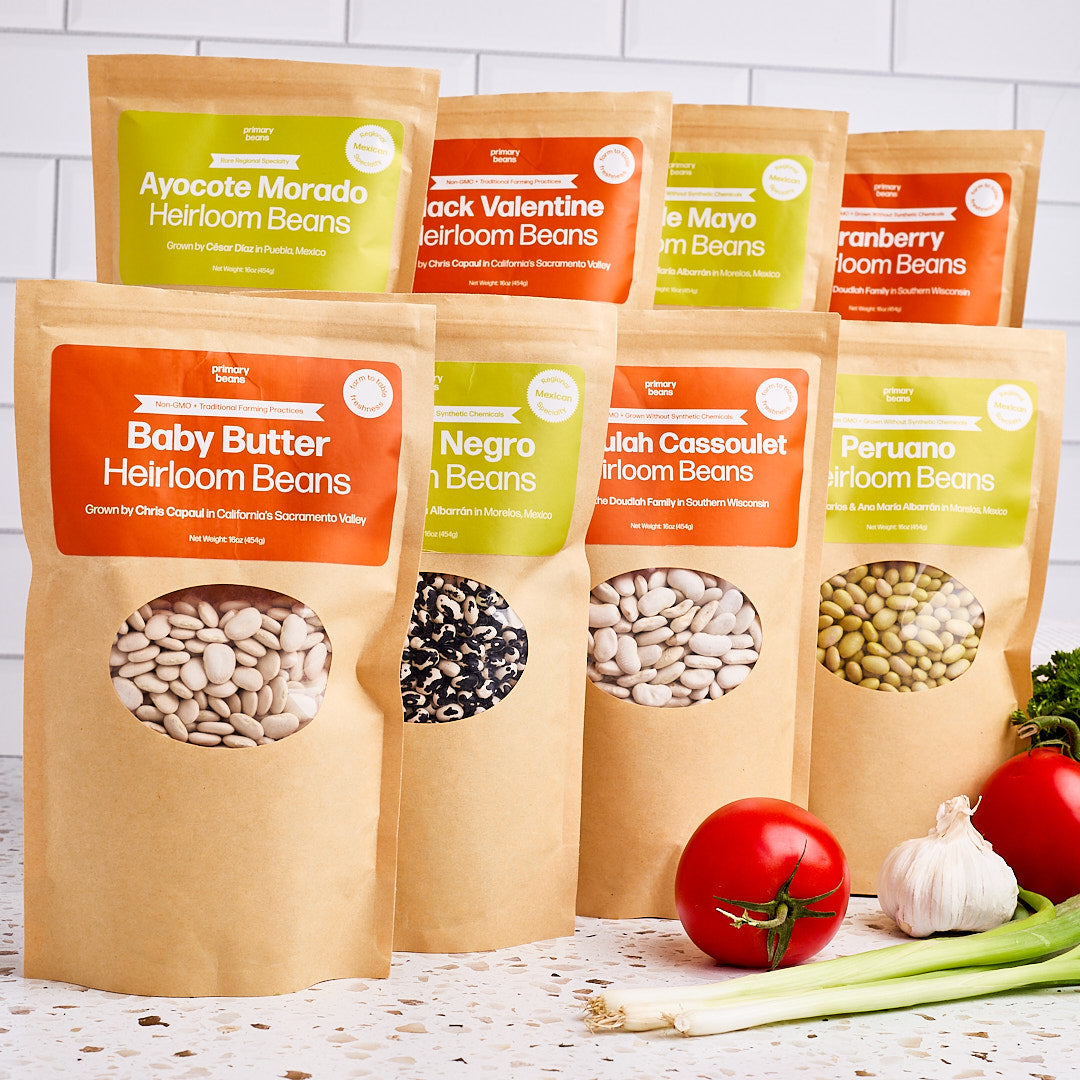
Every recipe here was developed and tested using farm-fresh beans from Foodocracy and Primary Beans. Older beans, anything past a year in your pantry or beans from other sources may need more coaxing. Give them a soak and add extra cooking time, and they'll get there eventually.

Related Recipes


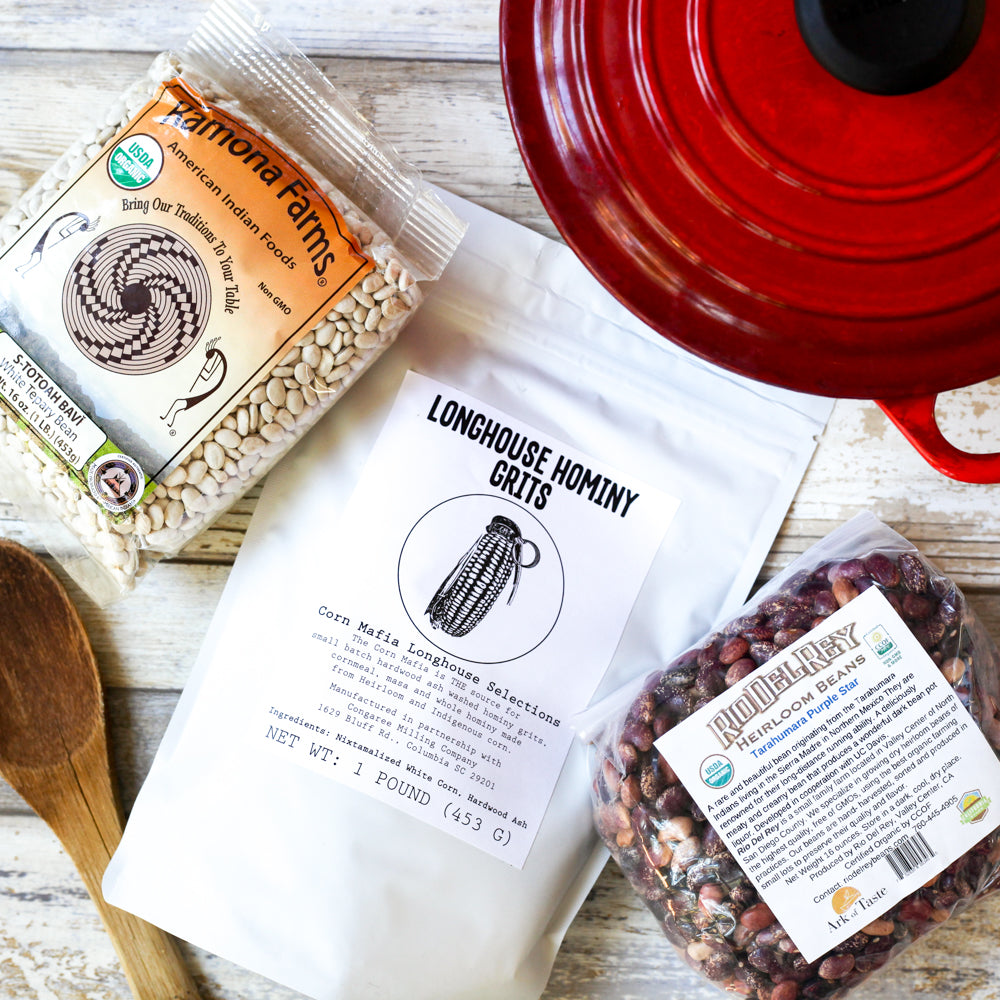

The Heirloom Bean + Grain club
Learn More
Get impossible to find beans and grains shipped direct to your doorstep each month from small family farms.


Support small family farms
Shop Now
We support small, family owned farms across the nation. Did you know that farmers only make an average of 10 cents on every dollar you spend at the supermarket? Working directly with farms and not middle men ensures that more money goes back to the people actually growning your food.