We're Officially Certified Organic

11.99 FLAT RATE SHIPPING

0

Your Cart is Empty

SHOP
  • All The Primary Beans Set - The Foodocracy

    Primary Beans now available at Foodocracy. Shop now »

  • April 11, 2026 6 min read

    We're Officially Certified Organic (And Honestly, It's Mostly Just a Lot of Paperwork)
    We have some big news: Foodocracy is now officially certified as an organic handler of heirloom beans. You might be asking yourself what that means, and whether it changes anything about the beans you've been buying from us. These are great questions.

    The short answer? Nothing changes with our farmers or the beans you've come to love. Absolutely nothing. The beans are the same. The farms are the same. The relationships are the same. What changed is mostly paperwork — a truly staggering amount of paperwork — and the ability to officially put organic claims on our Primary Beans packaging for the beans that have always been grown organically.

    So let me back up and explain how we got here.

    What Is Organic Handler Certification, Exactly?

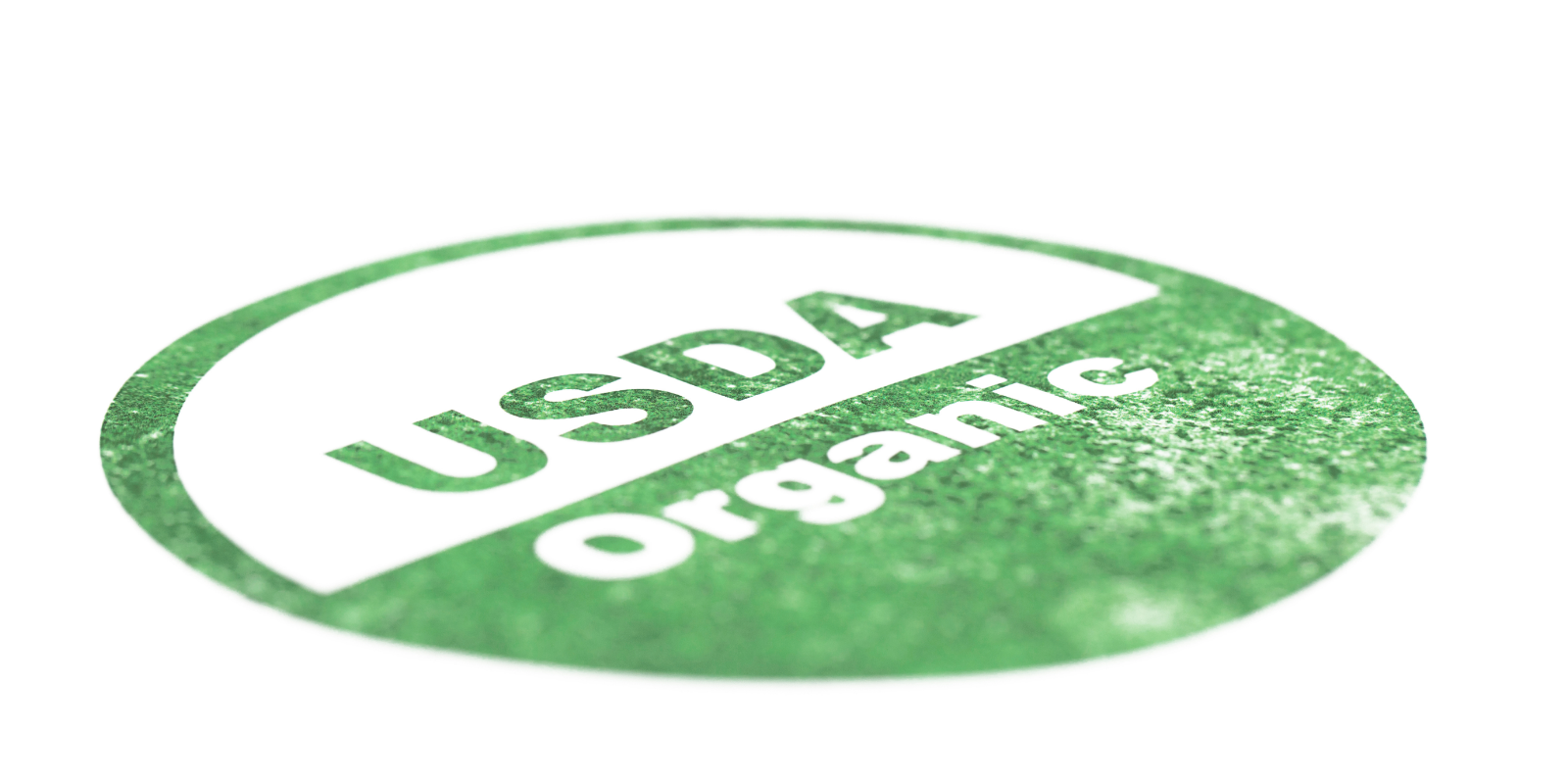
    Most people think of organic certification the way it applies to farms: inspectors show up, they look at the fields, they check the records, they make sure nobody's spraying glyphosate or synthetic fertilizers, and if everything checks out, the farm gets certified. That's grower certification, and it's what you picture when you see the USDA organic seal.

    But there's a whole other category of organic certification called handler certification, and it covers basically everyone who touches organic products between the farm and your kitchen. Mills, warehouses, co-packers, distributors, importers, brokers — all of these businesses are considered handlers. And now, as of March 2024, private label brands like Primary Beans are too.

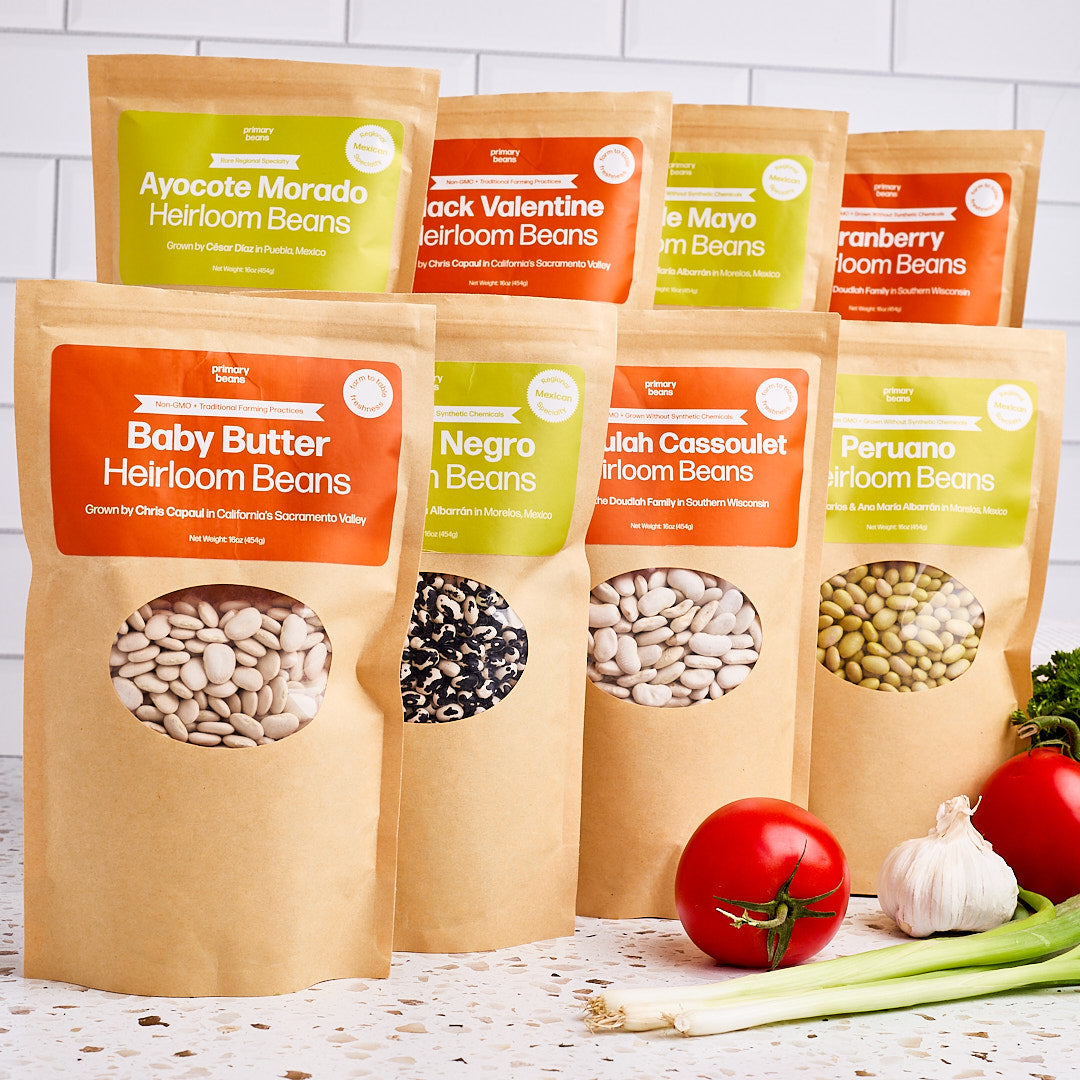
    What is a private label brand? It's a company that doesn't grow, process, or physically package its own product — it puts its label on products and sells them under its brand name. You see this constantly in grocery stores with store-brand products. Primary Beans is a private label brand, and it's actually a model we love because it lets us work with small family farms that don't do their own consumer packaging. We take their incredible beans, have them packaged by a certified organic co-packer, and get them to your door.

    Why Did the Rules Change?

    This is where it gets interesting, and honestly, where I have some feelings.

    The Strengthening Organic Enforcement (SOE) Rule was published by the USDA National Organic Program on January 19, 2023, and is the most significant change to the national organic regulations since the creation of the NOP. The rule was driven by organic market growth and increasingly complex supply chains, where products are often handled by many businesses before reaching the consumer — businesses that weren't certified organic and therefore had no USDA oversight. The absence of that oversight, combined with the price premiums organic products command, had created real opportunities for fraud.

    In plain English: some unscrupulous operations were slapping organic labels on products that were not grown organically, and the old rules had enough gaps that it was hard to catch them. So USDA created a sweeping set of new rules to tighten the supply chain. Many brokers, traders, importers, distributors, retailers, private labelers, co-packers, brand owners, and transloaders previously exempt from certification were required to become certified. 

    The intent of these rules is genuinely good. Without certification, you just have to trust that whoever is selling you organic beans is telling the truth. And while I'd like to believe the best in everyone, that's not a great system for a market that has nearly doubled in size over the past decade. Certification creates a paper trail that makes fraud significantly harder.

    The Part Where I Understand Why Small Farms Sometimes Don't Certify

    Going through this process has given me a whole new level of empathy for the farmers who choose not to pursue organic certification even when they're farming organically. I used to wonder about that — why skip the certification when it gives you a market advantage and that beautiful USDA seal?

    Now I get it. It is an enormous amount of work. And this new rule is designed for large organizations with dedicated compliance teams. Small farms are not those organizations. The paperwork, the inspections, the ongoing record-keeping — it's a significant burden for a tiny team that's also, you know, farming.

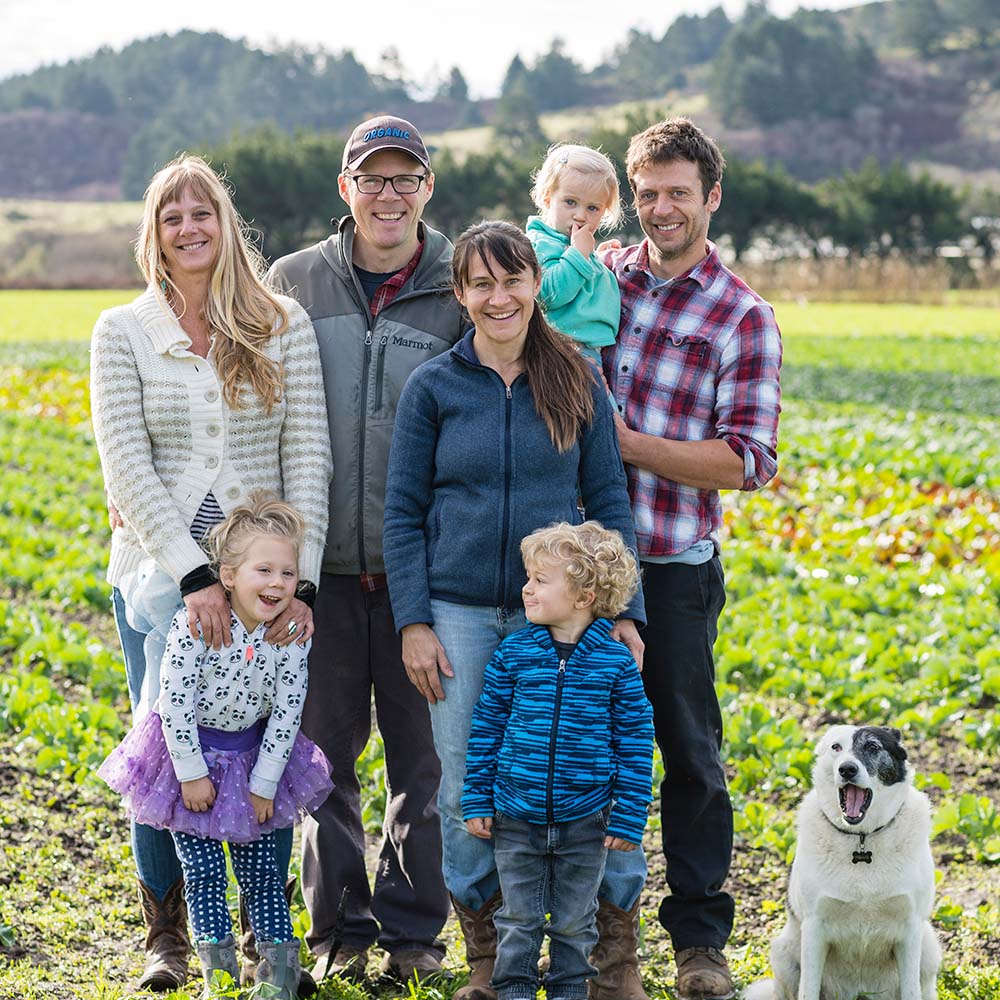
    I'll also be honest with you: we seriously considered not certifying and just skipping the organic label altogether. We are not on grocery store shelves. We know our farmers personally. We know how these beans are grown. We don't need a piece of paper to tell us that our milpa farmers in Puebla are farming without chemicals, or that Doudlah Farm's fields are as clean as regenerative farming gets.

    But in the end, we went ahead with certification for a few reasons. We want to be fully transparent. We want you to have the documentation to back up the claims we make. And frankly, after spending almost a full year and thousands of dollars getting there, we are not going back.

    A Few Important Things to Know

    Not all of the farms we work with are certified organic — and that's worth talking about directly.

    Some of our farms are simply too small to absorb the cost and administrative burden of certification. Others grow using ancient agricultural methods that, while profoundly respectful of the land, are genuinely incompatible with how organic certification is structured. Milpa farming — the indigenous Mexican intercropping system that has sustained communities and soil health for thousands of years — is a perfect example. The USDA's certification framework was not designed with traditional indigenous farming methods in mind, and small milpa farms could not realistically meet its requirements even if they wanted to. That's not a knock on organic certification. It's just an honest acknowledgment that a regulatory system designed for modern commercial agriculture doesn't map neatly onto ancestral practices that predate the USDA by a few millennia.

    The farms we partner with that are certified organic include Doudlah Farm and Mike Heath. For certified organic beans, you'll see that reflected clearly on the packaging.

    For the beans coming from our smaller and traditional farms, we will not be making organic claims on the packaging. What we will always tell you is that every single farm we work with uses soil-healthy, chemical-free growing practices. No glyphosate. We are uncompromising on this, full stop. The certification just isn't something every farm can access, and we think it's important to say that plainly rather than pretend the system is designed for everyone.

    One More Thing: You Won't See the Organic Seal on Our Bags This Year

    Even though we're now certified, you're not going to see organic claims or the USDA seal on most of our packaging this year — and I want to explain why.

    The certification process took almost a full year. Meanwhile, we have beans. Real, beautiful, freshly harvested beans, and you've bean waiting long enough. At some point we had to make a call: keep holding everything up while we waited to see if the paperwork would finally clear, or get the new packaging printed so we could actually get beans into your hands. We chose beans. In the next couple of weeks you're going to start seeing the new organically grown beans from Primary Beans in our new packaging, and had we waited until now to start printing those bags it would have been another month or more before any of them reached you. 

    So this year, the bags won't carry organic seals or claims. The website will clearly indicate which beans are certified organic, and every farmer bio tells you exactly how that farm grows — including whether they're a certified organic operation. We think that's actually more meaningful than a seal anyway. A seal tells you a product met a regulatory standard. A farmer bio tells you who grew your beans, how they've been farming their land, and what they care about. That's the information we want you to have.

    The seal will be on the packaging next year. In the meantime, you have our word — and a whole lot of documentation to back it up.

    Now if you'll excuse me, I have some beans to cook.