

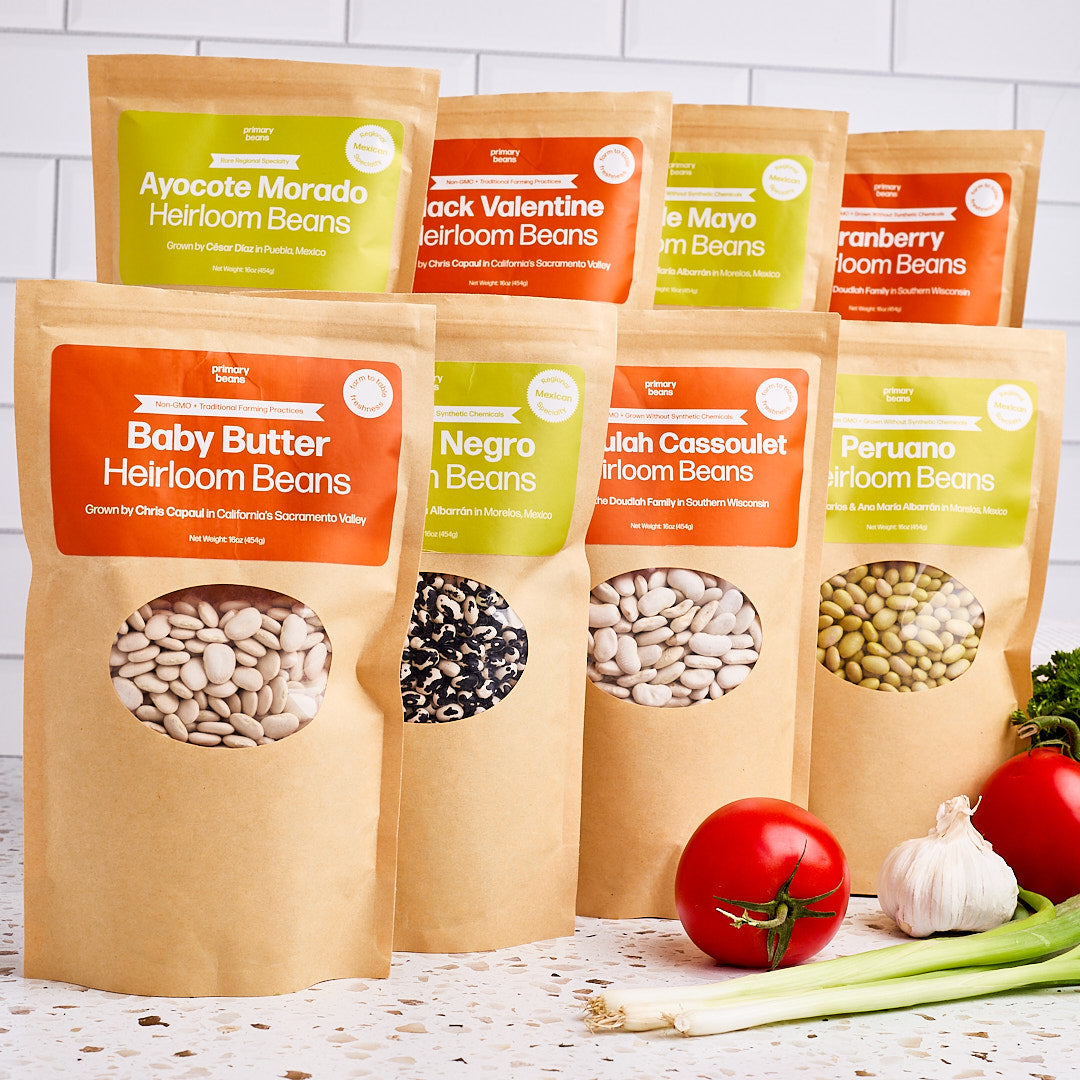


No-Ketchup Sticky Baked Beans
Creator notes
I grew up in New England, and few things remind me of fall more than a big pot of baked beans served on a crisp day. The baked beans of my childhood are, to my now grown-up palate, a little too sweet, so I wanted to update the recipe. Rather than the traditional salt pork, or even bacon, I opted for smoked ham hocks, which has become my go-to meat to add flavor and decadence to beans. Apart from adding that rich, umami, porky goodness, they add a layer of smokiness, something I imagine you'd get from cooking these in an old wood stove or over a campfire.
Many recipes use ketchup or tomato paste to help thicken the broth into that signature shiny, syrupy sauce, but I've never been a fan of that method. Instead, we par-cook the beans with aromatic vegetables until just tender, then use that starchy, flavorful bean broth as the base for our sauce. As the sauce reduces in the oven, we get the same effect without unnecessary ingredients so that the beans are the real star of the show. I've also used some classic fall flavors, like ginger and fresh sage, to really make the dish feel special and seasonal (although come on, who's gonna stop you from making these beans all year round?!).
With just a few small changes, these baked beans have gone from the side dish I'd have a few spoonfuls of before moving on to more savory fare, to something I'd be happy to have as a meal all on their own! I hope you feel the same.
NOTE: If you're not keen on using meat in this dish, you can mimic the flavors you'd get from pork hocks by substituting smoked salt for the kosher salt used in the recipe, and by adding a teaspoon of Marmite and/or a tablespoon of soy sauce before you begin baking the beans.
–Jarrett Melendez, recipe developer and author
Check out our interview with the recipe creator!
Why This Recipe Works

What makes Jarrett's updated baked beans so successful is how he addresses the common issues with traditional recipes while maintaining the dish's essential character. He reduces the sweetness that made childhood versions too cloying, uses smoked ham hocks instead of salt pork for deeper flavor, and eliminates ketchup in favor of the beans' own starchy broth for thickening.
As Jarrett describes, the result is baked beans that have transformed "from the side dish I'd have a few spoonfuls of before moving on to more savory fare, to something I'd be happy to have as a meal all on their own." That's high praise and suggests these truly are an improvement on the classic.
The New England Connection
Jarrett's opening, "I grew up in New England, and few things remind me of fall more than a big pot of baked beans served on a crisp day", establishes both his authority and the regional specificity. Boston baked beans are iconic New England fare, traditionally made with navy beans, molasses, salt pork, and long, slow baking.
This recipe honors that tradition while updating it for contemporary tastes that prefer less sweetness and more complexity.
The Star: Alubia Beans
Let's talk about Alubia beans and why they're ideal for baking. These medium-sized white Spanish beans are similar to cannellini but with their own distinctive character, creamy texture, mild flavor, and the ability to hold their shape through long cooking.
What makes Alubia beans perfect for baked beans is their firm structure that withstands 4-5 hours of oven baking without falling apart, their creamy interior that becomes incredibly tender, and their starchy cooking liquid that creates the signature thick, syrupy sauce.
When baked with smoked ham hocks, molasses, maple syrup, and fall spices, these beans become "super tender and creamy" while maintaining their shape and creating that sticky, rich sauce that defines great baked beans.
The Smoked Ham Hock Choice
Rather than traditional salt pork or bacon, Jarrett uses smoked pork hocks, "my go-to meat to add flavor and decadence to beans." Ham hocks provide "rich, umami, porky goodness" plus "a layer of smokiness, something I imagine you'd get from cooking these in an old wood stove or over a campfire."
This choice adds depth and complexity that salt pork can't match. The hocks cook slowly with the beans, their collagen breaking down and enriching the sauce while the meat becomes fall-apart tender.
The Vegetarian Option
Jarrett provides thoughtful guidance for making vegetarian baked beans: substitute smoked salt for kosher salt, and add a teaspoon of Marmite and/or a tablespoon of soy sauce before baking.
This combination mimics the umami and smoky depth that pork hocks provide, the smoked salt adds smokiness, while Marmite and soy sauce contribute savory, umami richness.
The No-Ketchup Approach
The recipe's title highlights the "no-ketchup" aspect, which Jarrett explains: "Many recipes use ketchup or tomato paste to help thicken the broth into that signature shiny, syrupy sauce, but I've never been a fan of that method."
Instead, he uses the beans' own starchy broth as the base for the sauce. As the sauce reduces during long baking, "we get the same effect without unnecessary ingredients so that the beans are the real star of the show."
This approach is both simpler and more pure, letting bean flavor shine rather than masking it with tomato products.
Par-Cooking the Beans
Add soaked beans (soaked overnight), halved carrots, and a whole peeled onion to a large Dutch oven. Cover with cold water by about 3 inches. Bring to a boil, reduce to a steady simmer, and cook until just tender.
Discard the carrots and onion (they've infused their flavors), drain the beans into a bowl, and crucially, reserve the broth. This starchy, flavorful liquid becomes the base for the sauce.
Building the Sauce Base
Return the Dutch oven to the stove, add oil, and heat over medium-high until shimmering. Add diced onions and cook, stirring constantly, until translucent and just beginning to brown on the edges.
This caramelized onion provides sweetness and depth that complements the molasses and maple syrup.
The Long Bake
Add the cooked beans back to the Dutch oven along with pork hocks and just enough bean broth to cover the beans (it's okay if the hocks stick out). Stir in molasses, maple syrup, spicy brown mustard, ground ginger, fresh sage sprigs, bay leaf, salt, and pepper. Bring to a simmer.
Transfer to a 325°F oven and bake uncovered for 4-5 hours until the beans are "super tender and creamy." Check every 60-90 minutes, stirring each time and adding more bean broth as needed to keep the beans just submerged.
This long, slow baking is essential. It allows flavors to meld, the sauce to reduce and concentrate, and the beans to become incredibly tender while the pork hocks break down.
The Fall Flavors
Jarrett notes he's "used some classic fall flavors, like ginger and fresh sage, to really make the dish feel special and seasonal." These additions distinguish his version from traditional recipes:
- Ground ginger: Warming spice that adds subtle heat and complexity
- Fresh sage: Earthy, slightly peppery herb that feels autumnal
Combined with molasses and maple syrup (both fall harvests), these create baked beans that taste decidedly seasonal.
The Sauce Consistency
When done, the broth should be "thick, rich, and sticky." If too thick, thin with boiling water. If too thin, simmer on the stove until it reaches the desired consistency.
Getting this sauce right is what makes baked beans special, it should coat the beans glossily, not be watery or soup-like, but also not so thick it's pasty.
The Sweetness Balance
Jarrett's childhood baked beans were "a little too sweet," so he's adjusted the sweetness level. The recipe uses half a cup each of molasses and maple syrup, which is substantial but balanced by:
- The smokiness from ham hocks
- The tang from mustard
- The earthiness from sage
- The subtle heat from ginger
- The long cooking that concentrates and mellows sweetness
The result is sweet but not cloying, with complexity that makes them satisfying rather than one-dimensional.
A Meal on Their Own
Jarrett's goal was creating baked beans that could be "a meal all on their own" rather than just a side dish. The combination of beans (protein and fiber), pork hocks (richness and flavor), and the substantial, sticky sauce creates something hearty enough to be the main event.
Serve with cornbread and coleslaw for a complete New England-style meal.
The Food Memories Series
This recipe is part of the Food Memories series, "a rotating collection of stories from our favorite home cooks, chefs, and bean enthusiasts, featuring all your favorite beans and showcasing recipes, tips, and bean magic from around the world."
Jarrett's story about childhood fall memories and updating a regional classic fits perfectly into this series celebrating how food connects to memory and place.
Year-Round Appeal
While Jarrett frames these as fall food, he adds a playful aside: "although come on, who's gonna stop you from making these beans all year round?!" This is true, while they feel especially appropriate for crisp autumn days, good baked beans are welcome any time.
The Interview
The recipe notes to "Check out our interview with the recipe creator!" This provides additional context about Jarrett's cooking philosophy and approach to recipe development.
A Thoughtful Update
What makes this recipe special is how thoughtfully Jarrett has updated a classic. He hasn't radically changed baked beans, they're still sweet, sticky, slow-baked beans with pork. But by adjusting sweetness, choosing better pork, eliminating unnecessary ingredients, and adding seasonal flavors, he's created a version that feels both traditional and contemporary.
*A Note On Our Recipes:
Every recipe here was developed and tested using farm-fresh beans from Foodocracy and Primary Beans. Older beans, anything past a year in your pantry or beans from other sources may need more coaxing. Give them a soak and add extra cooking time, and they'll get there eventually.

Related Recipes


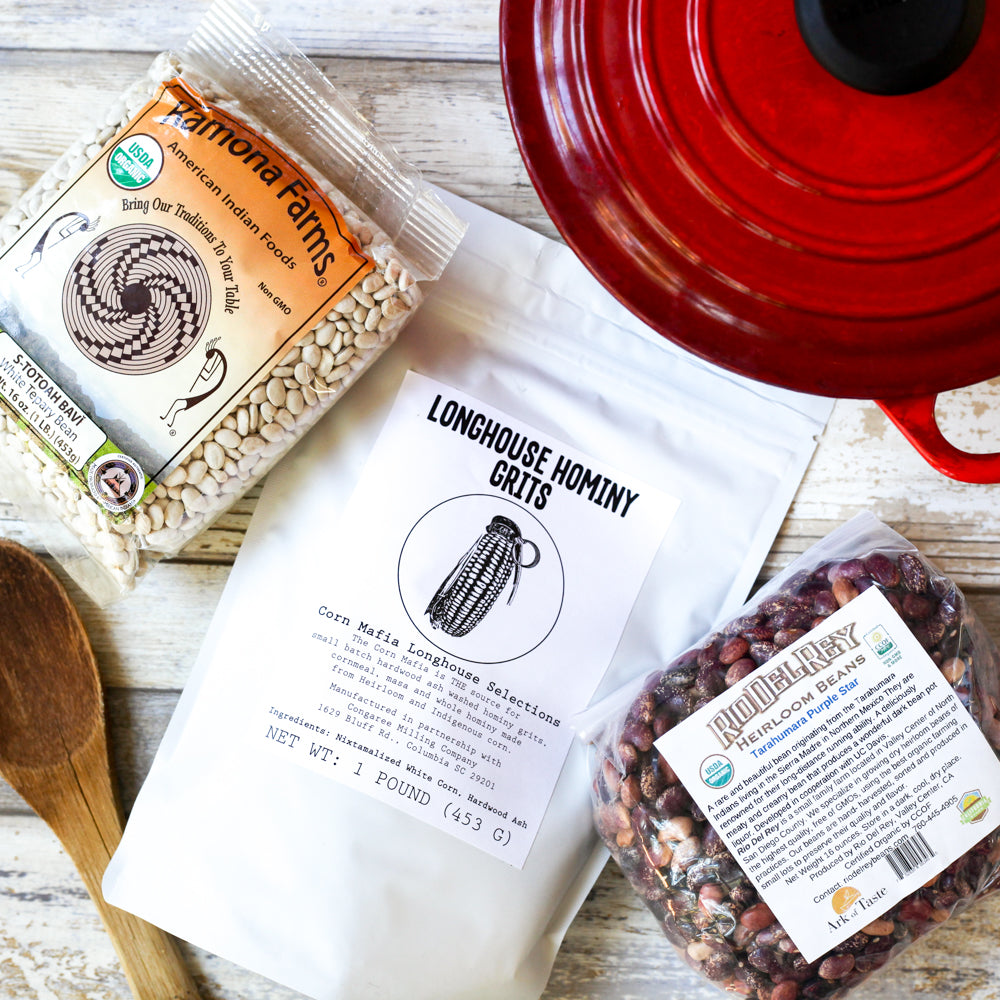

The Heirloom Bean + Grain club
Learn More
Get impossible to find beans and grains shipped direct to your doorstep each month from small family farms.


Support small family farms
Shop Now
We support small, family owned farms across the nation. Did you know that farmers only make an average of 10 cents on every dollar you spend at the supermarket? Working directly with farms and not middle men ensures that more money goes back to the people actually growning your food.