



Jocelyn’s Frijoles De La Olla
This recipe was designed exclusively for our Toda la Familia kit by Todo Verde founder and NYT Cooking contributor, Jocelyn Ramirez. Our collaboration celebrates plant-based cooking and simple, healthy, abuela-approved meals at home. You can typically find avocado leaves at Mexican grocery stores or online.
What Are Frijoles de la Olla?
Frijoles de la olla, literally "beans from the pot", are the foundation of Mexican bean cookery. These are simply cooked beans in their flavorful broth, seasoned with aromatics and served in bowls with their liquid. They're the kind of everyday food that appears on Mexican tables constantly, the basis for countless other dishes, and the embodiment of simple, nourishing cooking.
What makes frijoles de la olla special isn't complexity, it's the quality of the beans, the care in cooking them, and the traditional aromatics that infuse them with authentic Mexican flavor. Done properly, they're deeply satisfying and comfort food at its finest.
The Star: Bayo Beans

Let's talk about Bayo beans, beautiful tan beans that make some of the richest, most flavorful frijoles de la olla. These beans are firm on the outside and creamy on the inside, and they create a full-bodied, golden broth that's unlike anything else. When cooked simply with aromatics, Bayo beans become the kind of beans you want to eat by the bowlful with nothing more than tortillas and salsa.
What makes Bayo beans perfect for frijoles de la olla is their distinctive flavor and the incredible broth they produce. That broth, rich, slightly thick, deeply bean-flavored—is what makes frijoles de la olla so special. You want to drink it, soak it up with tortillas, or use it as the base for other dishes.
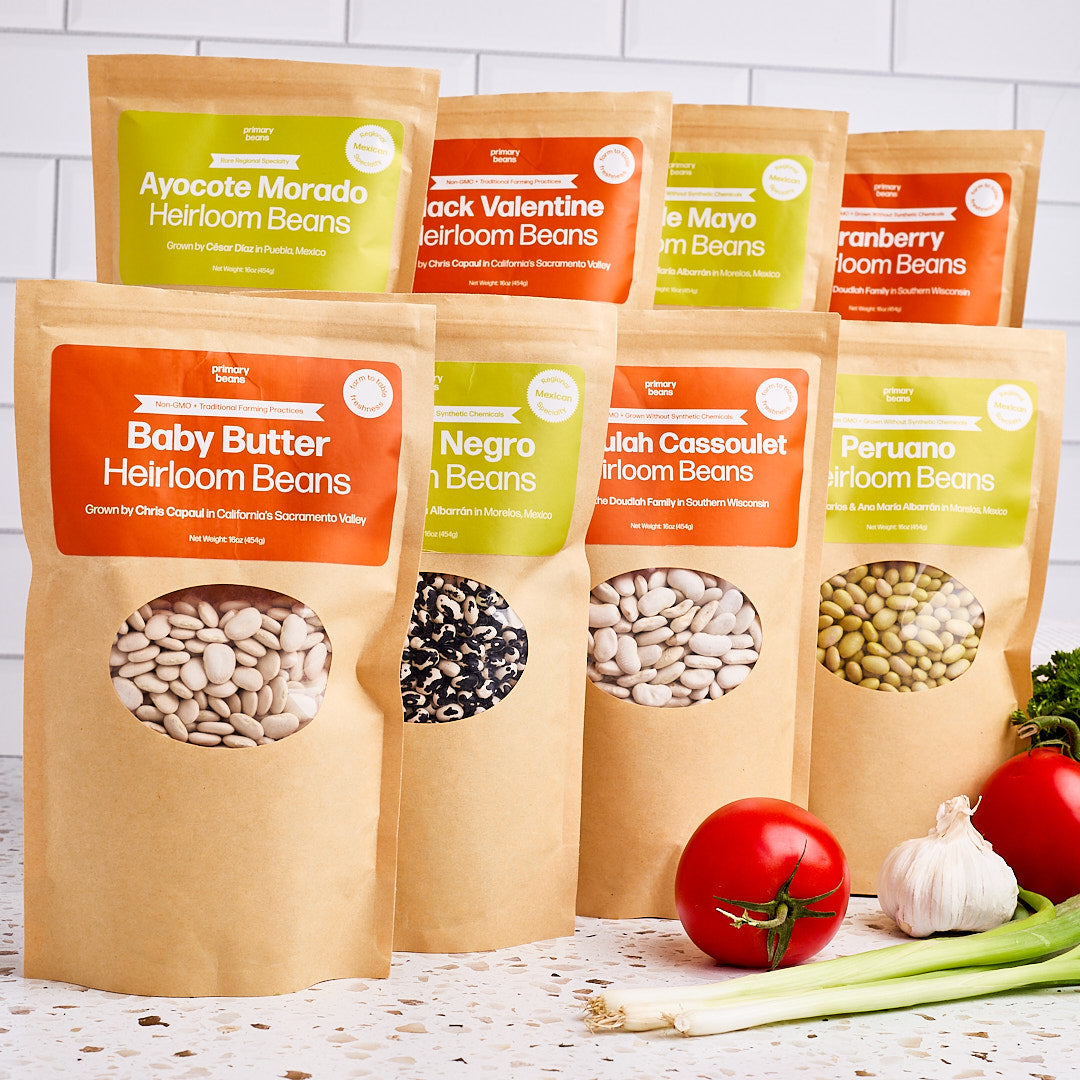
Our Bayo beans come from Carlos and Ana María Albarrán's certified organic small family farm in the heart of Morelos, Mexico. Their farm has lovingly preserved these precious seeds for generations using time-honored traditional farming methods. These gems are grown using the ancient Milpas technique, where corn, squash, beans, and chiles flourish together in perfect harmony. Learn more about Carlos and Ana María.
The Traditional Aromatics
The beans cook with simple but essential aromatics:
- Avocado leaf: Adds subtle anise-like flavor that's traditional in Mexican bean cooking
- Bay leaf: Herbal, slightly bitter notes
- Todo Verde Tinga seasoning: Provides depth and spice without requiring multiple ingredients
- Salt: Essential for seasoning the beans properly
The avocado leaf is particularly important for authentic Mexican flavor. It has a distinctive taste that's hard to describe, slightly anise-like, aromatic, essential to many traditional Mexican dishes. You can find dried avocado leaves at Mexican grocery stores or online.
The Todo Verde Collaboration
This recipe was created for the Toda la Familia kit, a collaboration between Primary Beans and Todo Verde celebrating plant-based Mexican cooking. Todo Verde's Tinga seasoning provides the complex flavors you'd normally get from multiple spices and aromatics, making authentic Mexican flavor accessible for home cooks.
Jocelyn Ramirez, founder of Todo Verde and NYT Cooking contributor, designed this recipe to be simple, healthy, and "abuela-approved", the kind of honest, straightforward cooking that Mexican grandmothers have been doing for generations.
The Soaking
Unlike some bean cooking methods that skip soaking, this recipe calls for soaking the beans for 6 hours or overnight. This reduces cooking time and can help beans cook more evenly. After soaking, the beans cook for about 2 hours until tender.
The goal is beans that are completely soft and tender with a rich, flavorful broth. You cook until at least 5 beans are soft and tender when tested, this ensures the whole batch is properly cooked.
The Cooking
The method is beautifully simple: beans, water, avocado leaf, bay leaf, Tinga seasoning, and salt go into a pot and cook for about 2 hours. That's it. No sautéing aromatics, no adding ingredients at different stages, just everything simmering together until the beans are tender and the broth is rich.
This simplicity is intentional, frijoles de la olla aren't meant to be complicated. They're meant to be the kind of food you can make easily and often, the foundation that everything else builds on.
The Serving
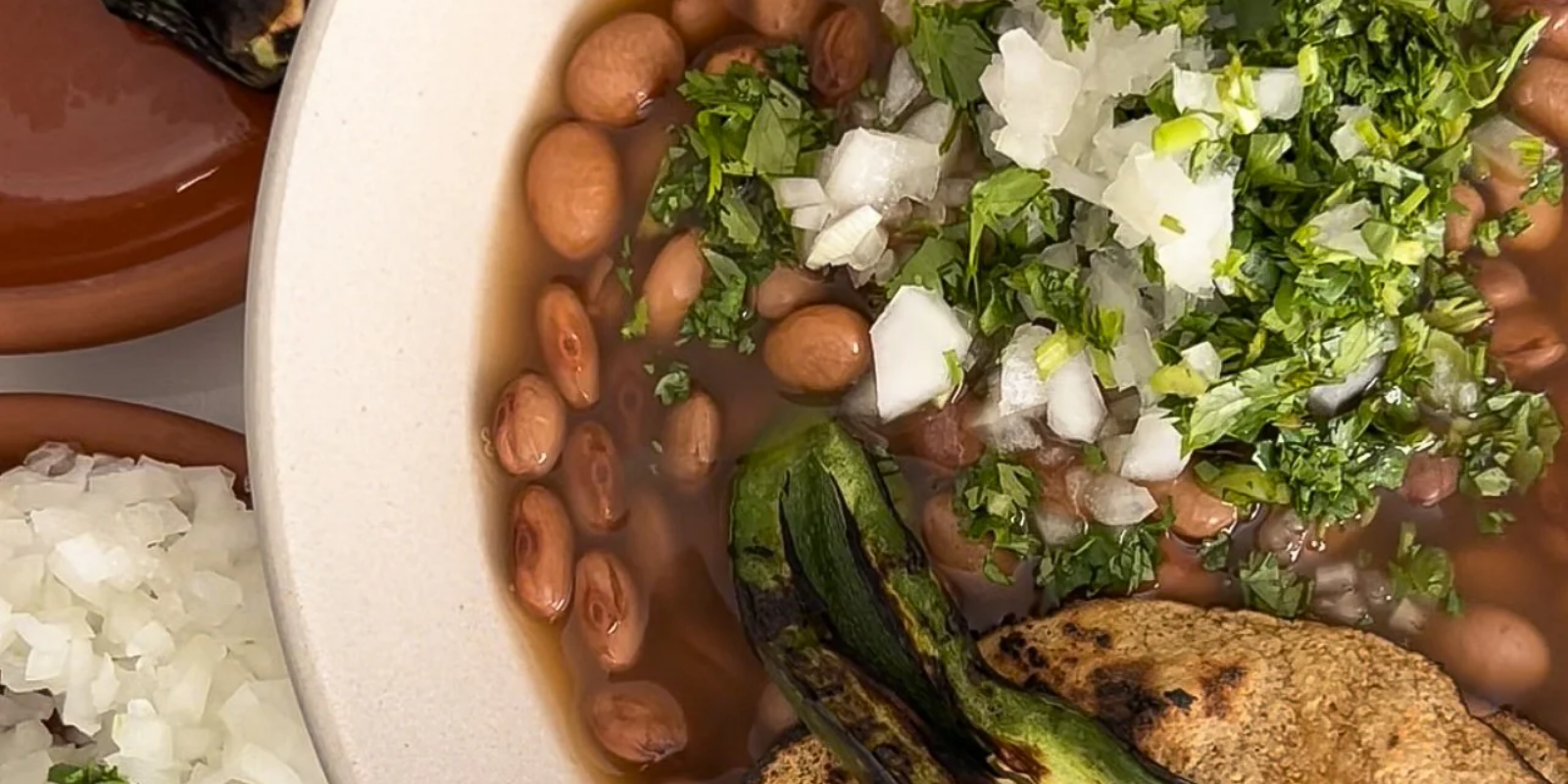
Frijoles de la olla are served in bowls with their broth, this isn't dry beans, this is soupy, brothy beans where the liquid is just as important as the beans themselves. Traditional accompaniments include:
- Fire-roasted jalapeño: Adds smoky heat (roast over open flame until charred)
- Warm tortillas: Also fire-roasted over flame, folded and stuck into the bowl
- Chopped fresh cilantro and onion: Brightness and crunch
- Lime wedges: Acidity to squeeze over the top
The fire-roasting of the jalapeño and tortillas adds a smoky, charred quality that's traditional and delicious. If you have a gas stove, hold them directly over the flame with tongs, turning until charred. If not, you can char them under the broiler or on a very hot skillet.
How to Eat
You eat frijoles de la olla by spooning beans and broth into your mouth, taking bites of the charred tortilla, adding cilantro and onion, squeezing lime, and biting into the roasted jalapeño for heat. It's interactive, customizable eating where everyone builds their own experience.
The tortilla serves multiple purposes, it's a utensil for scooping, it adds substance and corn flavor, and when it gets soggy from the bean broth, it becomes delicious in its own right.
Plant-Based Comfort Food

This recipe exemplifies plant-based Mexican cooking at its best. There's no meat, no dairy, no eggs, just beans, water, aromatics, and simple toppings. Yet it's deeply satisfying, filling, and comforting. The protein and fiber from the beans, the richness of the broth, the char from the tortillas and jalapeño, everything works together to create a complete, nourishing meal.
It's proof that traditional Mexican cooking has always been largely plant-based, with beans serving as the primary protein for most people throughout history.
A Foundation Recipe
While frijoles de la olla are delicious on their own, they're also the foundation for countless other dishes:
- Refried beans
- Enfrijoladas
- Bean soups
- Taco and burrito fillings
- Additions to rice dishes
- Bases for more complex preparations
By mastering frijoles de la olla, you're learning the fundamental skill that unlocks all those other recipes.
Part of the Toda la Familia Kit
This recipe is one of three designed for the Toda la Familia collaboration. Check out the other recipes:
- Molletes with Tofu al Pastor: Open-faced Mexican sandwiches with plant-based al pastor
- Vegan Frijoles Zacatecanos: Mashed beans with poblano and vegan cheese
Together, these recipes showcase how Mexican cooking can be plant-based, healthy, and absolutely delicious while honoring traditional flavors and techniques.
Abuela-Approved
The description notes this recipe is "abuela-approved," which is the highest praise in Mexican cooking. It means it honors tradition, uses proper techniques, tastes authentic, and is the kind of food Mexican grandmothers would recognize and endorse. That's exactly what Jocelyn has created, modern plant-based cooking that respects and celebrates traditional Mexican foodways.
*A Note On Our Recipes:
Every recipe here was developed and tested using farm-fresh beans from Foodocracy and Primary Beans. Older beans, anything past a year in your pantry or beans from other sources may need more coaxing. Give them a soak and add extra cooking time, and they'll get there eventually.

Related Recipes



The Heirloom Bean + Grain club
Learn More
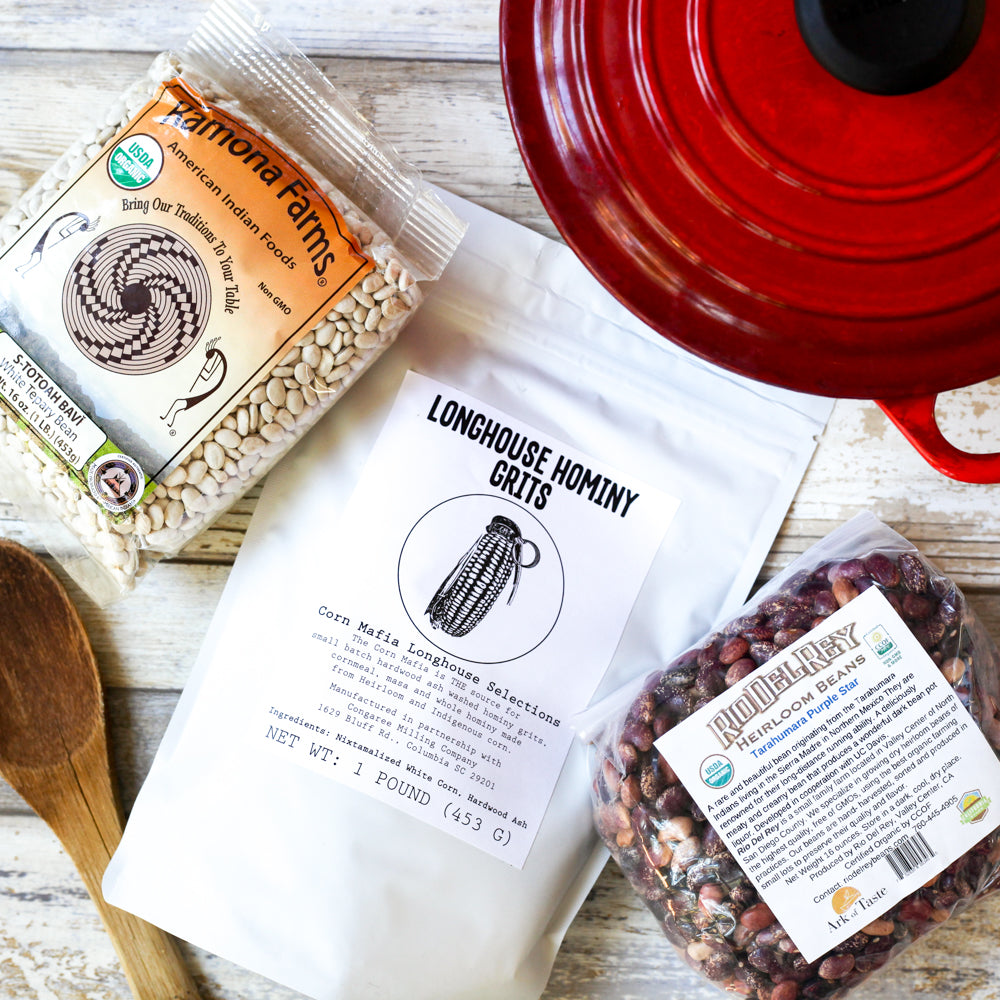
Get impossible to find beans and grains shipped direct to your doorstep each month from small family farms.

Support small family farms
Shop Now
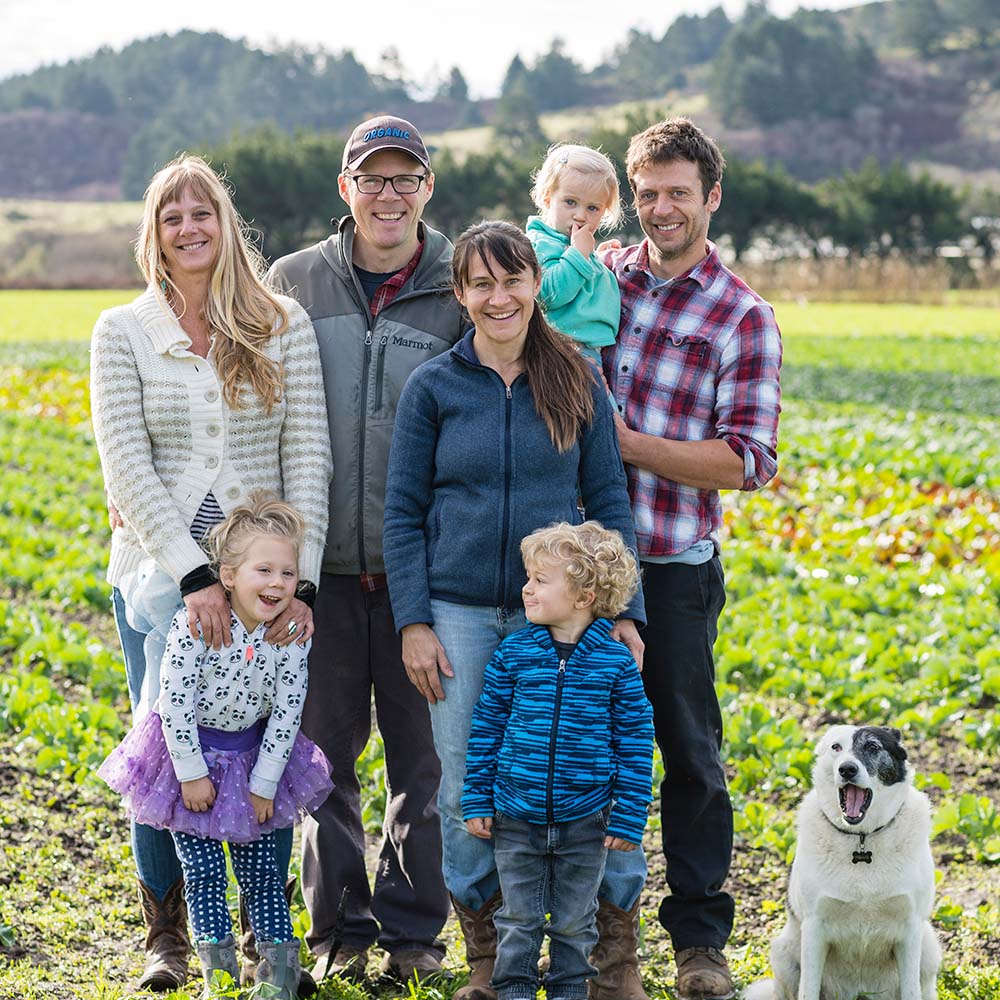
We support small, family owned farms across the nation. Did you know that farmers only make an average of 10 cents on every dollar you spend at the supermarket? Working directly with farms and not middle men ensures that more money goes back to the people actually growning your food.
Jocelyn’s Frijoles De La Olla
Mexican
Main Course
This recipe was designed exclusively for our Toda la Familia kit by Todo Verde founder and NYT Cooking contributor, Jocelyn Ramirez. Our collaboration celebrates plant-based cooking and simple, healthy, abuela-approved meals at home.
Featured bean: Bayo
Other beans to try: Ojo de Cabra, Flor de Junio, Flor de Mayo

Ingredients
- 2 cups dried Primary Beans Bayo beans, soaked for 6 hours or overnight (makes extra)
- 1 avocado leaf
- 1 bay leaf
- Salt to taste
- 2 tbsp Todo Verde Tinga seasoning
- For serving: tortillas, chopped cilantro and onion, lime wedges, fire-roasted jalapeño
Directions
Prepare the beans: Add beans to a medium pot with 5 cups of water. Add bay leaf, avocado leaf, Tinga seasoning, and salt to taste. Cook beans for 2 hours or until at least 5 beans are soft and tender.
Prepare the toppings: Fire roast jalapeño and tortillas over open flame.
Serve: Add cooked beans to individual serving bowls and garnish with cilantro, onion, lime wedges, 1-2 tortillas folded in half, and jalapeño.