



Barbounia Yiahni
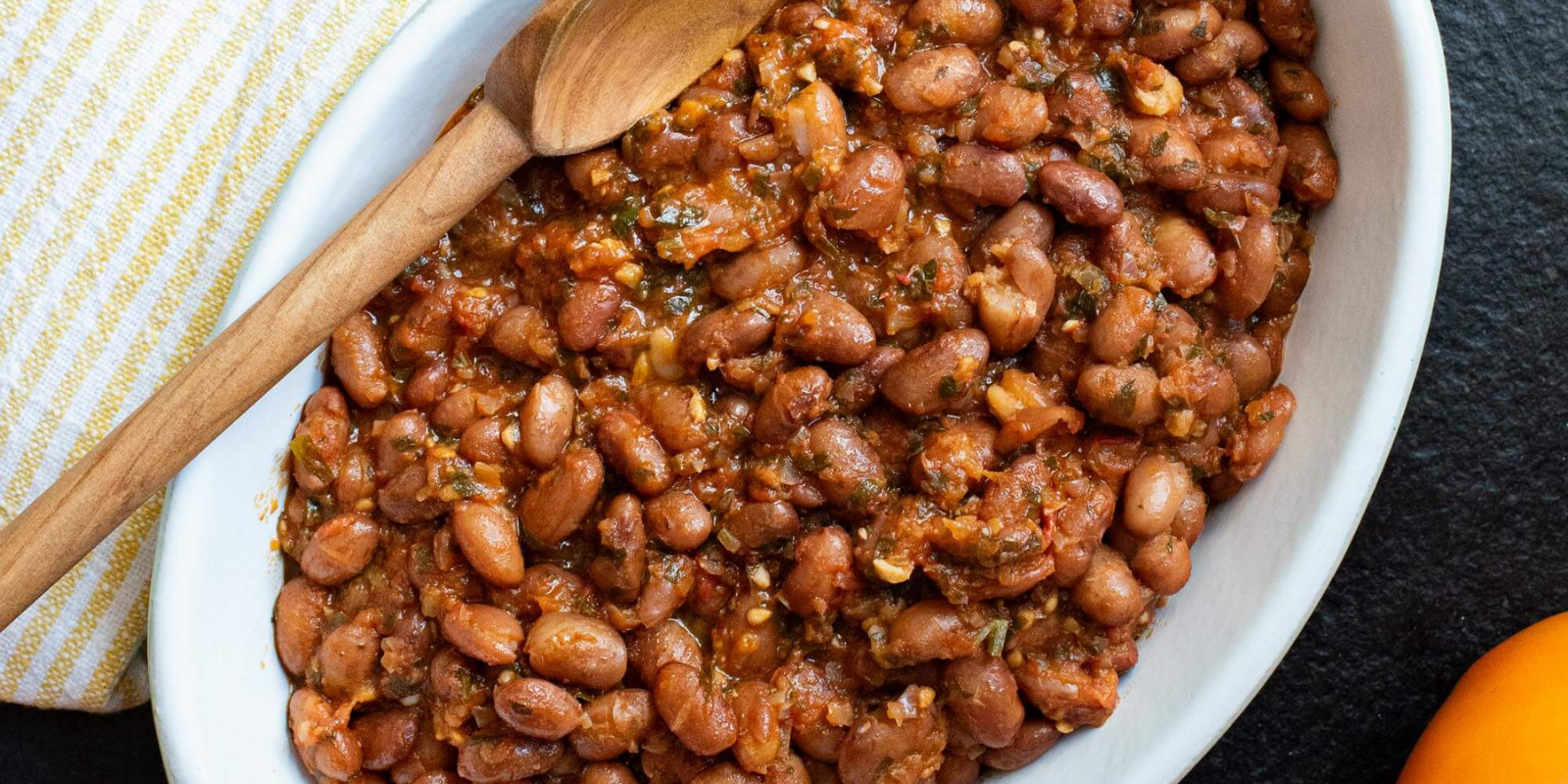
Some dishes are so deeply rooted in a culture that they tell you something essential about how people eat and what they value. Barbounia yiahni is one of those dishes. Also called handres or hantres, barbounia is Greek for cranberry beans, and this recipe, beans slow-cooked in a rich tomato sauce, is exactly the kind of vegan main course you'd find served in a Greek home, alongside a favorite salad and lots of good bread for mopping up the sauce.
Recipe creator Diana Moutsopoulos (@greek_recipes) brings us this traditional preparation that showcases how Greeks treat beans with respect and care. "If you like gigantes plaki (baked giant beans), you'll love barbounia yiahni," she explains. It's comfort food at its finest, simple ingredients cooked thoughtfully to create something deeply satisfying.
Why This Recipe Works

What makes barbounia yiahni so special is the cooking technique and the quality of the sauce. The beans are cooked just until al dente, then finished in a rich tomato sauce made from fresh grated tomatoes, olive oil, onion, garlic, and tomato paste. As they simmer together, the beans become fully tender while absorbing all those wonderful flavors, and the sauce reduces and thickens into something luscious and rich.
The Bean: Organic Cranberry Soup Beans

The cranberry bean has been the backbone of Greek home cooking for generations, and the variety we reach for here is something special.
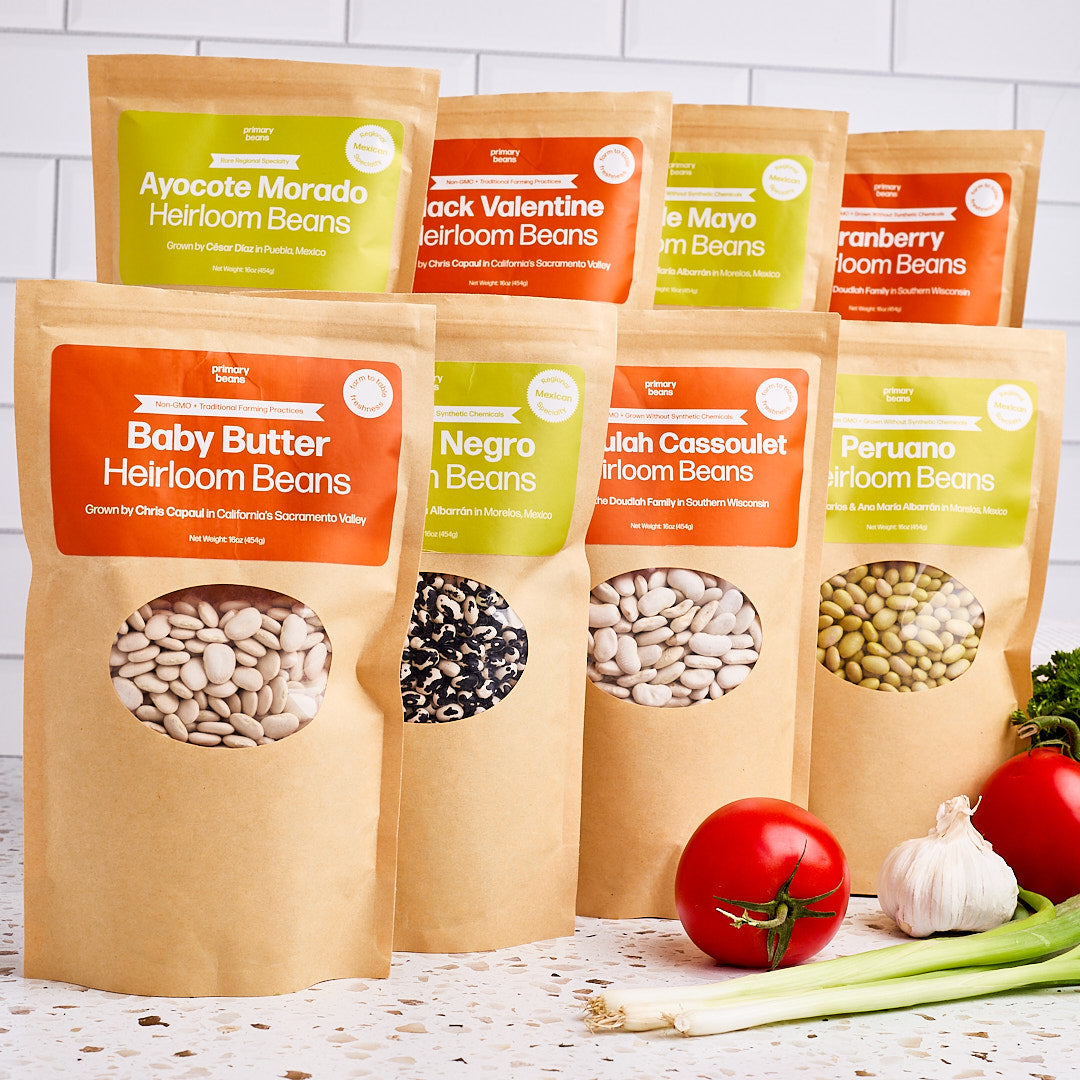
Our Organic Cranberry Soup Beans come from Doudlah Farms, a sixth-generation family operation in Southern Wisconsin where Mark and his son Jason work the land and Lucy runs marketing and operations. They farm certified regenerative organic and biodynamic, built on the belief that healthy soil grows food that is genuinely better for you. Beyond the farm they are active in their community and passionate about getting clean, nutritious food into schools. Our kind of people.
These are not your average cranberry beans. Grown in living, healthy soil built over generations of careful regenerative farming, they deliver a buttery, nutty flavor and a velvety texture that most beans cannot match. Their broth is full-bodied, luxurious, and deeply savory, exactly what you want reducing down into a rich, clingy tomato sauce that coats every bean.
A note on the current harvest: this batch had a tough run through the cleaner, so you may find more splits than usual along with some broken pieces. Do not worry about it, and do not throw them out. Those broken pieces melt into an extraordinary broth, thick, silky, and intensely flavored, that makes this stew even better than it would be otherwise. Sift through a colander first to remove any loose seed coat bits, do a quick sort, and keep the splits. They are part of the magic.
One important cooking note: skip the soak on these beans. They are so fresh and tender that soaking causes them to fall apart. Cook them dry, and they will reward you.
The Technique
The key to this recipe is cooking the beans in two stages. First, you cook them until just al dente, not fully tender, but getting close. This takes about 15-20 minutes less than you'd normally cook them, or if using a pressure cooker, 36 minutes instead of the usual 42. You want them to have a slight bite still because they'll finish cooking in the tomato sauce.
Then comes the sauce. Fresh tomatoes are grated using a box grater, this is a brilliant Greek technique that creates a thick tomato puree without needing a blender or food processor. You halve the tomatoes and grate the cut side over a bowl using the largest holes of the grater. The flesh goes through while the skin stays in your hand to be discarded. It's simple, effective, and creates the perfect texture.
The grated tomatoes get cooked with sautéed onion and garlic, tomato paste for depth, fresh parsley for brightness, and some of the reserved bean broth. The partially cooked beans go in, and everything simmers together until the beans are fully tender and the sauce has reduced to a luscious, thick consistency.
Building the Flavors
This isn't a complicated recipe, but each step matters. The onion and garlic get softened gently in good olive oil, you don't want them browned, just softened and fragrant. The beans get stirred in to coat them with the aromatic oil before the tomatoes are added. This ensures every bean is infused with flavor.
The grated tomatoes, tomato paste, and parsley create a rich, slightly sweet, herby sauce. The reserved bean broth adds depth and helps everything come together. Proper seasoning with salt and pepper is essential, beans need generous salt to really shine.
As everything simmers together, partially covered, the magic happens. The beans finish cooking, becoming tender and creamy. The sauce reduces and thickens, concentrating its flavors. The result is beans in a rich, clingy sauce that's absolutely delicious.
Serving the Greek Way
In Greece, this would be served as a vegan main course, not a side dish. A generous plateful of beans and sauce is the centerpiece of the meal, accompanied by good bread for mopping up that luscious sauce, good feta cheese for salty, tangy richness, and a simple green salad to share.
This is how Greeks have eaten for generations, simple food, well-prepared, shared with family and friends. It's not fancy, but it's deeply satisfying. It's food that nourishes both body and spirit.
The Bread Is Essential
Let's be clear: the bread is not optional. You need good, crusty bread to soak up every last bit of that tomato sauce. In Greece, no one would dream of letting that sauce go to waste, it's too delicious. The bread becomes part of the dish, soaking up the rich, garlicky, tomatoey goodness and making every bite perfect.
A Dish That Connects
What makes this recipe special is how it connects you to Greek food culture. This isn't restaurant food or fancy dinner party food, it's the kind of honest, nourishing meal that Greek families make regularly. It's comfort food in the truest sense, the kind that fills you up and makes you happy.
It's also a reminder of how satisfying vegan food can be when it's done right. You don't need meat or cheese (though the feta on the side is welcome) to make something deeply flavorful and filling. Beans, tomatoes, olive oil, aromatics, that's all you need.
Make It Ahead
Like many bean dishes, this one is excellent the next day. The flavors continue to develop as it sits, and the beans absorb even more of the sauce. Reheat gently on the stove, adding a splash of water if it's gotten too thick, and it's as good as (or better than) the day you made it.
*A Note On Our Recipes:
Every recipe here was developed and tested using farm-fresh beans from Foodocracy and Primary Beans. Older beans, anything past a year in your pantry or beans from other sources may need more coaxing. Give them a soak and add extra cooking time, and they'll get there eventually.

Related Recipes



The Heirloom Bean + Grain club
Learn More
Get impossible to find beans and grains shipped direct to your doorstep each month from small family farms.


Support small family farms
Shop Now
We support small, family owned farms across the nation. Did you know that farmers only make an average of 10 cents on every dollar you spend at the supermarket? Working directly with farms and not middle men ensures that more money goes back to the people actually growning your food.
Barbounia Yiahni
Greek
Main Course
Also called handres or hantres, barbounia is Greek for cranberry beans. If you like gigantes plaki (baked giant beans), you'll love barbounia yiahni. In Greece, it's common to find fresh cranberry beans in the market, which you shell yourself. You can also find them both frozen and dried. I like this as a vegan main course, which is how you'd find it served in a Greek home, alongside your favorite salad and lots of good bread for mopping up the sauce. – Diana Moutsopoulos (@greek_recipes)
Featured bean: Cranberry

Ingredients
- 1 lb Primary Beans Cranberry beans
- 1 lb beefsteak tomatoes
- ⅓ cup olive oil
- 1 small red onion, grated
- 1 clove garlic, minced
- 2 tbsp tomato paste
- 3 tbsp finely chopped parsley
- Salt and freshly ground pepper
- Good bread, good feta, and a green salad, for serving
Directions
Prepare the beans: Prepare dried beans according to the Primary Beans cooking guide. If using a pressure cooker, set time to 36 minutes instead of the recommended 42 minutes. If cooking on the stovetop, cook beans until just al dente, about 15-20 minutes less than you would normally cook them. Drain beans and keep ½ cup of broth. Reserve the remaining broth for another use.
Prepare the tomatoes: Prepare tomatoes by halving each, then grating the cut side over a bowl using the largest holes of a box grater. Once you have grated all the flesh, discard the skin. Repeat with all remaining tomato halves.
Build the sauce: In a large saucepan or Dutch oven, heat olive oil over medium heat and add onion and garlic. Cook gently until softened but not browned. Add drained beans to the onion and oil mixture and stir gently to coat the beans in the oil.
Finish cooking: Add grated tomato, tomato paste, parsley, and reserved broth. Stir well and add salt and pepper to taste. Bring to a simmer and cook, partially covered, until beans are fully tender and the sauce has reduced and thickened, 10 to 15 minutes. The end result should not be soup-like, but rather a luscious, thick sauce. You can cook uncovered to reduce further, if needed.
Serve: Serve a plateful of beans as a main dish with bread, feta, and a green salad to share.