


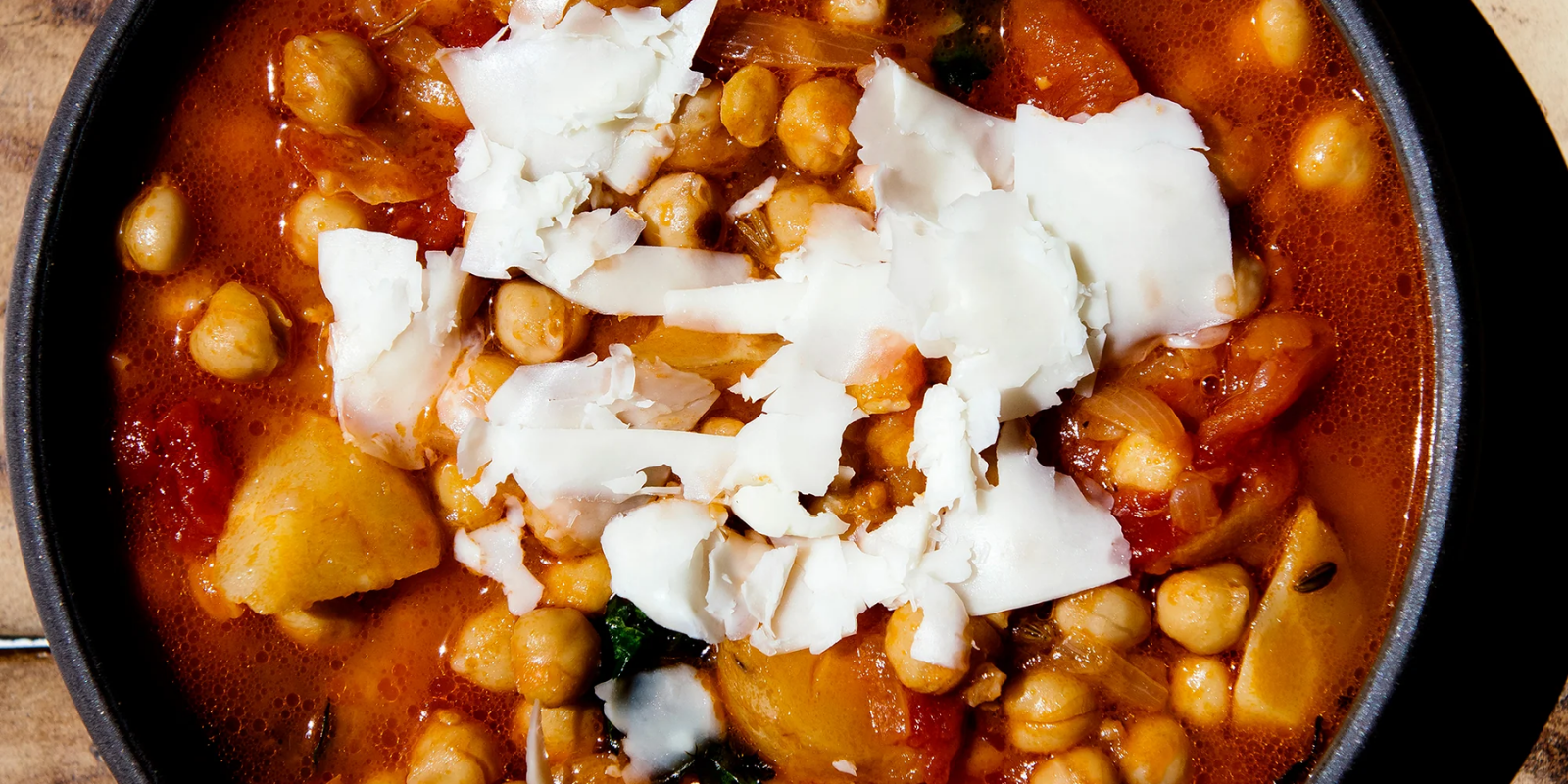

Abra Berens' Tomato + Parsnip Ptew W/ Wilted Kale
I like to finish these stews in the oven to slowly evaporate the liquid while creating a bit of a crust on top. It takes a little longer but requires less attention than the stovetop, though you could certainly do it that way too. Just give it a stir once in a while so it doesn't stick on the bottom. – Abra Berens
Why This Recipe Works
What makes this stew special is the technique as much as the ingredients. Most stews simmer away on the stovetop, requiring frequent stirring and attention. Abra's method is different: you build the stew on the stovetop, then finish it uncovered in a hot oven. This slow evaporation concentrates the flavors while creating a slightly crusty top layer that adds textural interest.
The result is a stew that's deeply flavored, with sweet roasted parsnips, hearty chickpeas, and tangy tomatoes all bound together in a thick, rich sauce. Fresh kale wilted with lemon zest and juice at the end adds brightness and a pop of green. It's rustic, satisfying, and the kind of dish that makes you want to soak up every last bit with crusty bread.
The Star: Chickpeas

Let's talk about chickpeas, also known as garbanzo beans. These round, nutty beans are kitchen workhorses in cuisines around the world, from Middle Eastern hummus to Indian curries to Mediterranean stews like this one. They have a distinctive earthy, slightly sweet flavor and a texture that can be firm or creamy depending on how you cook them.
What makes chickpeas perfect for this stew is their ability to hold their shape while absorbing the flavors of the tomato sauce and roasted parsnips. They provide protein and substance without falling apart during that long oven time. Each chickpea becomes tender and flavorful, contributing its own nutty taste while carrying all those wonderful Mediterranean flavors.
For this recipe, using cooked dried chickpeas makes a real difference. They're fresher and more flavorful than canned, and they produce a better texture that holds up to the oven roasting.
The Sweet and Earthy Parsnips
Parsnips are the secret weapon in this stew. These often-overlooked root vegetables look like pale carrots but have a sweeter, more complex flavor with earthy, slightly peppery notes. When roasted in the oven with tomatoes and chickpeas, they become incredibly tender and sweet, almost caramelized in places.
The parsnips break down slightly as they cook, thickening the stew naturally while contributing their own distinctive sweetness. They're cut into medium chunks so they cook evenly and provide satisfying bites throughout the dish.
Building the Flavors

The flavor-building happens in layers. You start by briefly frying fennel seeds and chili flakes in olive oil, this blooms their essential oils and creates an aromatic base. Then onions and garlic sweat gently until soft and sweet.
Canned whole tomatoes go in next, cooking down until their liquid reduces by half and concentrates. This creates a rich tomato base that's both tangy and slightly sweet. The parsnips and chickpeas get stirred in, along with water or stock, then everything comes to a simmer on the stovetop.
That's when the magic happens: the pot goes into a hot oven, uncovered, where it slowly reduces and develops flavor for about 20 minutes. The oven's dry heat evaporates excess liquid while creating that slightly crusty top layer. The parsnips become tender and sweet, the chickpeas soak up all those flavors, and the sauce thickens into something luscious and stewy.
The Lemony Kale
The kale isn't just tossed in raw, it gets its own treatment. Fresh kale ribbons are combined with lemon zest, lemon juice, and salt, then gently wilted by the heat of the stew just before serving. This keeps the kale bright green and slightly crisp rather than overcooked and drab.
The lemon is crucial here. Its brightness cuts through the richness of the stew and lifts all the flavors. The zest adds aromatic oils while the juice provides acidity. Together with the kale, they provide a fresh counterpoint to the sweet parsnips and earthy chickpeas.
The Technique
Abra's oven method is brilliant for several reasons. First, it's hands-off, once the stew goes in the oven, you don't need to stir or watch it constantly. Second, the uncovered cooking slowly concentrates flavors while developing that crusty top layer you wouldn't get from stovetop cooking. Third, the even, dry heat of the oven cooks the parsnips perfectly without scorching the bottom of the pot.
If you prefer the stovetop method, you can certainly finish it there instead. Just keep it at a gentle simmer and stir occasionally to prevent sticking. The oven method takes a little longer but requires much less attention.
Serving
This stew is best served in wide, shallow bowls. You can fold the lemony kale into the whole pot before serving, or add it to individual bowls, either way works. A hefty grating of Parmesan on top is optional but highly recommended, adding salty, umami richness that makes everything even better.
Crusty bread is essential for soaking up that thick, flavorful sauce. A simple green salad on the side provides a fresh contrast to the rich stew.
A Stew for All Seasons
While this feels like cold-weather comfort food, it's actually wonderful year-round. In winter, it's warming and substantial. In spring and summer, served at room temperature with the bright kale and lemon, it feels fresh and Mediterranean. It's equally good the next day, maybe even better as the flavors continue to meld.
Make It Your Own
The basic method is versatile. Try different root vegetables alongside or instead of parsnips, carrots, turnips, or sweet potatoes would all work. Use different greens, Swiss chard or spinach instead of kale. Add other Mediterranean flavors like olives or capers at the end. Swap the Parmesan for feta for a different profile.
The technique, building flavor on the stovetop, then finishing in the oven, works for all kinds of stews and braises. Once you try it, you'll find yourself using it for other dishes too.
A Recipe from a Master
This recipe comes from Abra Berens' excellent cookbook Grist: A Practical Guide to Cooking Grains, Beans, Seeds, and Legumes. Abra is a chef and educator who understands how to make simple ingredients taste extraordinary through thoughtful technique and proper treatment. Her recipes are never fussy but always delicious, and this stew is a perfect example of her approach.
It's the kind of recipe that becomes a staple, one you make over and over, tweaking slightly each time based on what you have and what sounds good. And every time, it delivers.
*A Note On Our Recipes:
Every recipe here was developed and tested using farm-fresh beans from Foodocracy and Primary Beans. Older beans, anything past a year in your pantry or beans from other sources may need more coaxing. Give them a soak and add extra cooking time, and they'll get there eventually.

Related Recipes



The Heirloom Bean + Grain club
Learn More
Get impossible to find beans and grains shipped direct to your doorstep each month from small family farms.

Support small family farms
Shop Now
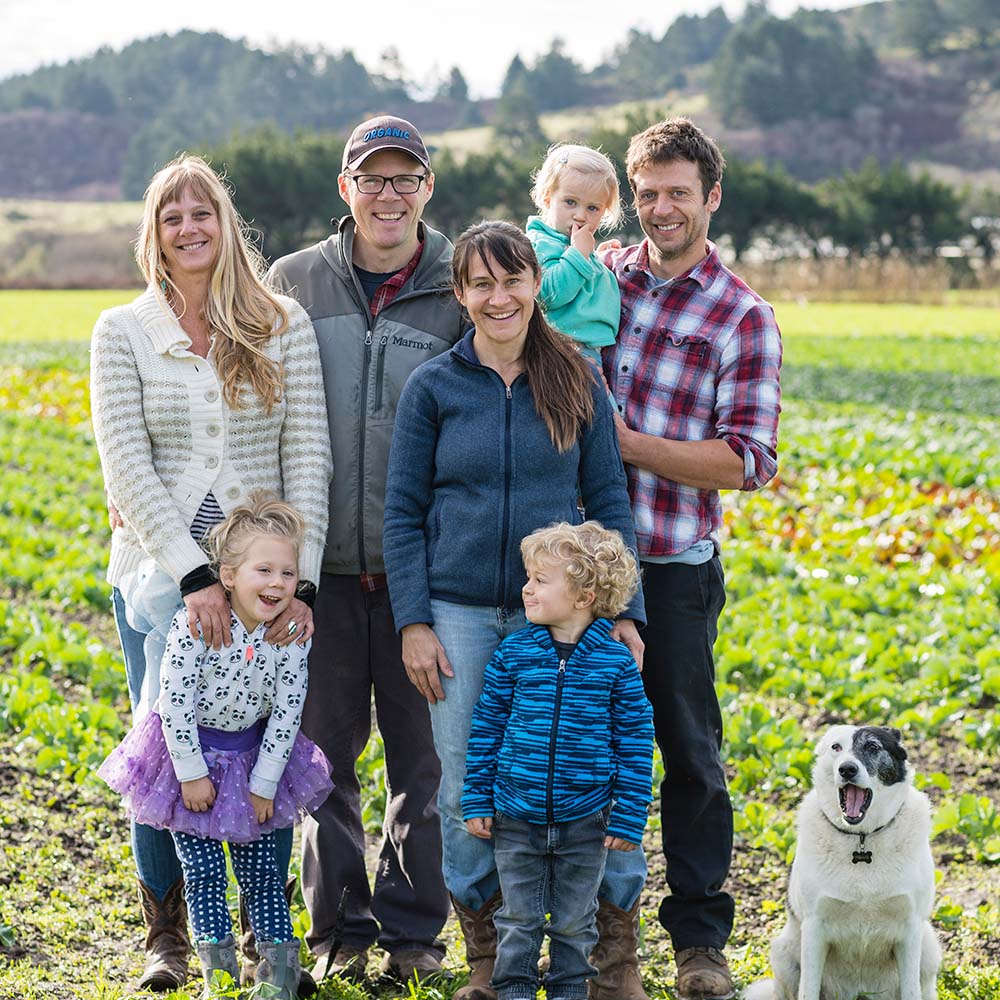
We support small, family owned farms across the nation. Did you know that farmers only make an average of 10 cents on every dollar you spend at the supermarket? Working directly with farms and not middle men ensures that more money goes back to the people actually growning your food.
Abra Berens' Tomato + Parsnip Ptew W/ Wilted Kale
Mediterranean
Main Course
I like to finish these stews in the oven to slowly evaporate the liquid while creating a bit of a crust on top. It takes a little longer but requires less attention than the stovetop, though you could certainly do it that way too. Just give it a stir once in a while so it doesn't stick on the bottom. – Abra Berens
Featured bean: Chickpea

Ingredients
Olive oil
½ tsp fennel seed
½ tsp chili flakes
1 onion (about 8 oz), thinly sliced
3 garlic cloves, minced
Salt
One 14½ oz can whole peeled tomatoes
8 parsnips (about 2 lb), peeled and cut into medium chunks
2 cups cooked Chickpeas
1 bunch kale (8 oz), leaves stripped and cut into ribbons
1 lemon, zest and juice
Parmesan, for grating (optional)
Directions
Start on stovetop: Preheat the oven to 400°F. In an ovenproof pot, heat a couple of glugs of olive oil over medium heat until shimmering hot, about 1 minute. Briefly fry the fennel seed and chili flakes until fragrant, 1 to 2 minutes.
Build the base: Add the onion, garlic, and several big pinches of salt. Lower the heat to low and sweat the onion and garlic until soft, about 7 minutes.
Add tomatoes and vegetables: Add the tomatoes, juice and all, and cook until the liquid is reduced by half, about 5 minutes. Add the parsnips and chickpeas and stir to combine. Add 2 cups of water or chicken stock, bring to a boil, lower to a simmer, and cook for 10 minutes.
Finish in oven: Remove from the heat and place uncovered in the oven. Cook until the parsnips are tender and the sauce is reduced and stewy, about 20 minutes.
Prepare kale: Combine the kale, lemon zest and juice, and a pinch of salt.
Serve: Before serving, fold the kale into the parsnip chickpea stew and allow the heat of the stew to wilt the greens gently. If serving individually, add the kale to each bowl after doling out the stewed beans. Top with a hefty grating of Parmesan (if using) and serve.