



Roxana Jullapat's Gallo Pinto
We asked our friend Roxana Jullapat, mastermind behind the beloved cookbook Mother Grains and LA's bakery Friends & Family, to share her favorite recipe for Costa Rican rice and beans.
Creator notes In Costa Rica, where I grew up, this panfried rice and bean concoction is considered a national dish. Many Latin American countries have their own version, but I'm inclined to think gallo pinto is the best one. It's traditionally served for breakfast with eggs sunny-side up, fried fresh cheese, and corn tortillas. In most households, it's common to find beans simmering on the stove alongside a rice cooker filled to the brim. This way one can always make gallo pinto with just a moment's notice.
Starting from scratch is a longer cooking project, about 1½ hours of total cooking time, but you can break it up in steps by making the beans a day or two ahead. The recipe calls for white rice, but more health-conscious Costa Ricans use brown rice, as I do here. Take your time to prepare a well-seasoned sofrito. Just like mirepoix in classic French cooking, this blend of aromatic vegetables, onion, red bell pepper, cilantro, and garlic, is used as a flavorful base.
This recipe is ideal for entertaining and feeds 6 to 8 hungry guests. Not cooking for a crowd? Don't worry; the leftovers keep up to 3 days in the refrigerator and reheat very well. Some even say gallo pinto tastes better the next day. – Roxana Jullapat
What Is Gallo Pinto?

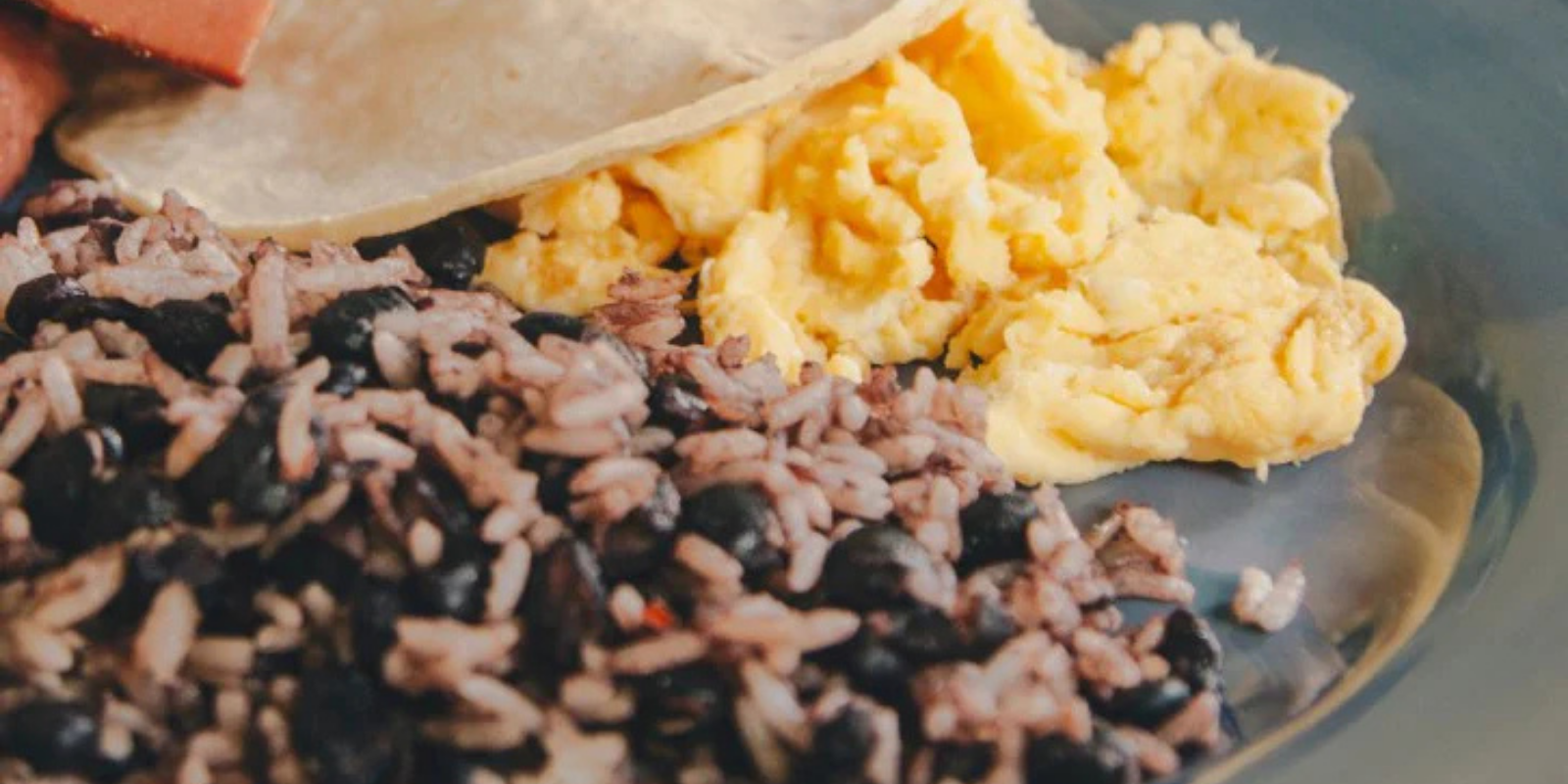
Gallo pinto (literally "spotted rooster") is Costa Rica's national dish, a simple but deeply flavorful combination of rice and black beans that's eaten primarily for breakfast but also at other meals. The name comes from the speckled appearance created when the dark beans are mixed with white or brown rice.
What makes gallo pinto special isn't just the ingredients, rice and beans appear in cuisines worldwide, but the technique and the sofrito. The beans and rice are cooked separately, then combined and fried together with a generous amount of well-seasoned sofrito until everything is hot, fragrant, and slightly crispy in places. The reserved bean cooking liquid gets added to bring everything together, creating a dish that's cohesive but not mushy.
As Roxana notes, many Latin American countries have similar dishes, but Costa Ricans claim theirs is the best. And after tasting this version, it's hard to argue.
The Star: Black Beans (Chaparro)

While the recipe calls for black beans generically, we feature Chaparro beans, firm, meaty beans that work beautifully in gallo pinto. These beans hold their shape perfectly when cooked, which is essential for a dish where the beans need to maintain their integrity while being stirred into rice and fried.
What makes Chaparro beans ideal is their robust texture and earthy flavor. They don't fall apart or become mushy when cooked until tender, and they create a flavorful cooking liquid that becomes part of the final dish. Each bean stays distinct, creating that "spotted rooster" appearance when mixed with the rice.
The beans are cooked simply with quartered onion, chile de árbol, and bay leaf, no need for elaborate seasoning since the sofrito will provide most of the flavor. They cook for 50-60 minutes until very tender, then get seasoned with salt. Crucially, the cooking liquid is reserved because it contains all that delicious bean flavor that will help bind the dish together.
The Sofrito
The sofrito is what elevates gallo pinto from simple rice and beans to something special. As Roxana notes, this blend of aromatic vegetables, onion, red bell pepper, cilantro, and garlic, is used as a flavorful base, similar to mirepoix in French cooking.
The vegetables get finely diced and cooked in a generous amount of olive oil (half a cup) until soft, stirring constantly for 5-6 minutes. This develops their flavors and creates an aromatic base that will permeate the entire dish. Ground toasted cumin seeds and salt get stirred in, adding warmth and seasoning.
Taking your time with the sofrito is important. Don't rush it. Let the vegetables soften completely and become fragrant. This is where the dish builds its flavor foundation.
The Brown Rice
Roxana uses brown rice instead of the traditional white rice, following the lead of more health-conscious Costa Ricans. Brown rice adds nuttiness, fiber, and nutritional value while still creating authentic gallo pinto.
The rice gets stirred into the sofrito, coating every grain with those aromatic vegetables and spices. Then water is added and the rice simmers until tender, about 40 minutes for brown rice (much faster if using white rice). It rests covered for 10 minutes, then gets fluffed to separate the grains.
This technique ensures the rice is infused with flavor from the beginning, not just mixed with seasoned beans at the end.
Bringing It Together
Once the rice is cooked and fluffed, the magic happens. The cooked beans get stirred in along with a cup of their cooking liquid. Everything cooks together over medium-high heat until the liquid reduces almost completely, 3-4 minutes.
This final cooking step is what makes gallo pinto special. The bean liquid creates a slight sauce that binds everything together while concentrating in flavor. Some of the rice and beans get slightly crispy on the bottom of the pan, adding textural interest. The result is something cohesive and flavorful, not just rice and beans sitting next to each other on a plate.
Traditional Serving
In Costa Rica, gallo pinto is traditionally served for breakfast with eggs sunny-side up, fried fresh cheese (queso frito), and corn tortillas. This combination provides protein, carbs, and fat, a complete, satisfying meal that fuels you for the day.
The runny egg yolk mixing with the rice and beans is a beautiful thing. The salty, crispy cheese adds richness and textural contrast. And the warm tortillas are perfect for scooping everything up.
But gallo pinto isn't limited to breakfast. It's also served at lunch or dinner, often as a side dish for grilled meats or fish.
Make-Ahead Friendly
As Roxana notes, you can break up the cooking into steps. Make the beans a day or two ahead and refrigerate them with their cooking liquid. When you're ready to make gallo pinto, you just need to cook the rice and bring everything together.
In Costa Rican households, it's common to always have beans simmering and rice in the rice cooker, making gallo pinto something you can whip up at a moment's notice. For special occasions or when cooking from scratch, the 1½ hours of total cooking time is manageable, especially when split across days.
Better the Next Day
Leftover gallo pinto keeps for up to 3 days in the refrigerator and, as Roxana mentions, some say it tastes better the next day. The flavors have time to meld, and when you reheat it in a pan, you get those crispy bits that are so delicious.
To reheat, sauté in a pan with a little oil until warmed through and slightly crispy. Don't microwave it, you'll miss out on that textural element that makes reheated gallo pinto so good.
Perfect for Entertaining
This recipe serves 6-8, making it ideal for brunch gatherings or family breakfasts. It's the kind of dish that brings people together around the table, casual but special, simple but deeply satisfying.
Set out the gallo pinto alongside fried eggs, fresh cheese, tortillas, hot sauce, and maybe some fresh fruit, and you have a feast. Everyone can build their own plate, mixing the eggs into the rice and beans, wrapping everything in tortillas, adding as much hot sauce as they like.
A Taste of Costa Rica
What makes this recipe valuable is how it connects you to Costa Rican food culture. This isn't fusion or a modern interpretation, this is how Roxana grew up eating gallo pinto in Costa Rica. It's authentic, traditional, and delicious.
The use of brown rice is a nod to contemporary health consciousness while staying true to the dish's spirit. The generous sofrito and careful technique ensure maximum flavor. And the result is something that tastes like home to Costa Ricans while being accessible and appealing to everyone.
Now before you blow up the comments telling us how it's not authentic if it doesn't have Salsa Lizano, we want you to know that one of the things we love most about Roxana's recipe is that it does not rely on a Costa Rican condiment that can be tricky for US cooks to obtain..and also that it's truly from scratch.
It's a reminder that some of the world's best dishes are simple combinations of humble ingredients, elevated by technique, care, and cultural knowledge passed down through generations.
*A Note On Our Recipes:
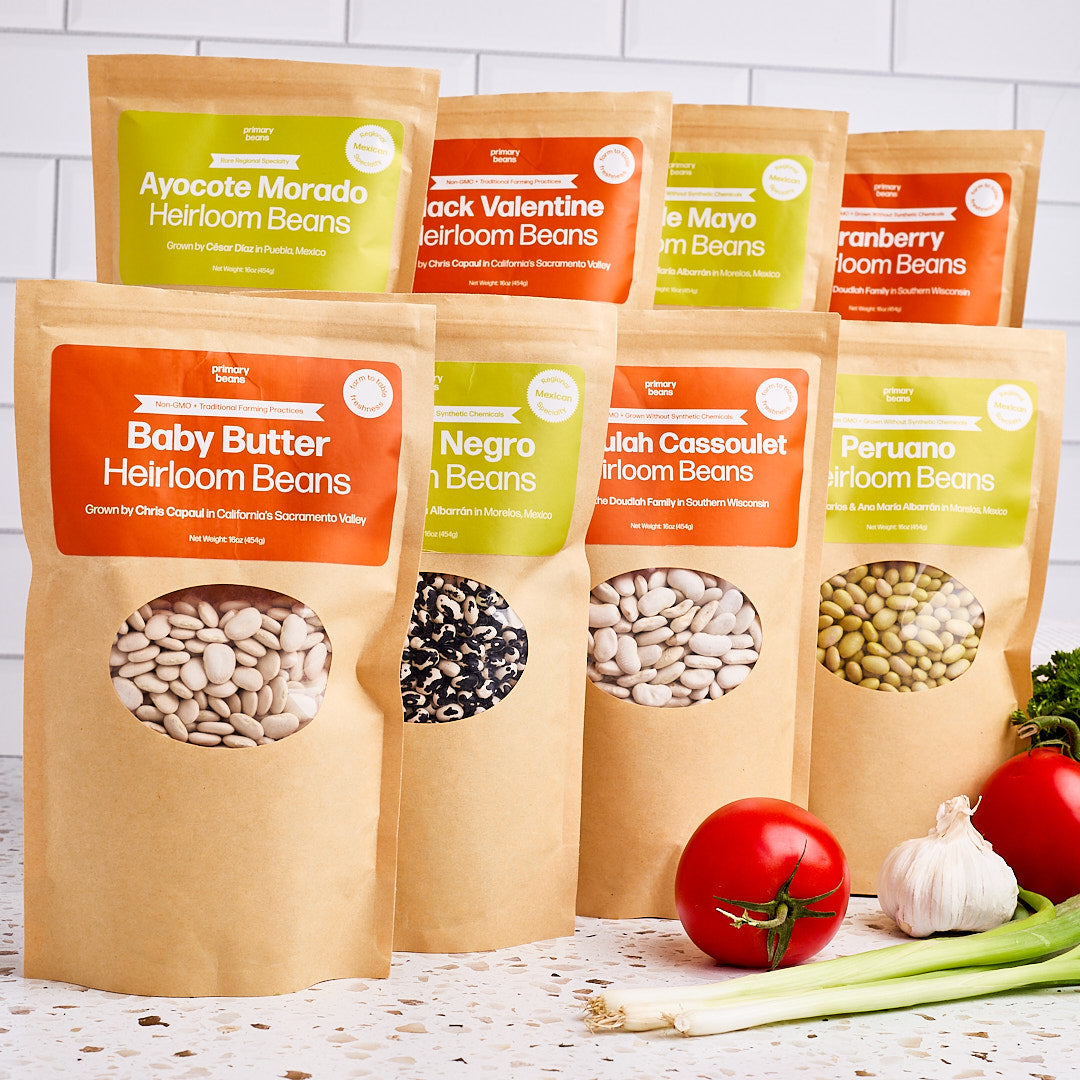
Every recipe here was developed and tested using farm-fresh beans from Foodocracy and Primary Beans. Older beans, anything past a year in your pantry or beans from other sources may need more coaxing. Give them a soak and add extra cooking time, and they'll get there eventually.

Related Recipes



The Heirloom Bean + Grain club
Learn More
Get impossible to find beans and grains shipped direct to your doorstep each month from small family farms.


Support small family farms
Shop Now
We support small, family owned farms across the nation. Did you know that farmers only make an average of 10 cents on every dollar you spend at the supermarket? Working directly with farms and not middle men ensures that more money goes back to the people actually growning your food.
Roxana Jullapat's Gallo Pinto
Costa Rican
Main Course
We asked our friend Roxana Jullapat—mastermind behind the beloved cookbook Mother Grains and LA's bakery Friends & Family—to share her favorite recipe for Costa Rican rice and beans.
Creator notes In Costa Rica, where I grew up, this panfried rice and bean concoction is considered a national dish. It's traditionally served for breakfast with eggs sunny-side up, fried fresh cheese, and corn tortillas. This recipe is ideal for entertaining and feeds 6 to 8 hungry guests. The leftovers keep up to 3 days in the refrigerator. Some even say gallo pinto tastes better the next day. – Roxana Jullapat
Featured bean: Chaparro
Other beans to try: Ayocote Morado

Ingredients
For the beans
- 1 cup dried Chaparro beans (or black beans)
- ½ yellow onion, quartered
- 1 chile de árbol
- 1 bay leaf
- 1 teaspoon kosher salt
For the rice
- 1 teaspoon cumin seeds
- ½ cup extra virgin olive oil
- 1 yellow onion, finely diced
- 1 red bell pepper, finely diced
- 1 cup chopped cilantro
- 2 garlic cloves, minced
- 2 teaspoons kosher salt
- 2 cups medium-grain brown rice
- 6 cups water
Directions
Cook the beans: Rinse the black beans in a colander and place in a medium saucepan. Add the onion, chile, and bay leaf and pour in enough water to cover the beans by 3 inches. Bring to a boil, then simmer over medium heat until the beans are very tender, 50 to 60 minutes. Season with the salt. Drain, reserving the cooking liquid.
Toast the cumin: For the rice, toast the cumin seeds in a small sauté pan over medium heat until they start releasing their assertive aroma. Let the seeds cool for a few minutes before you crush them to a powder in a mortar and pestle or spice grinder.
Make the sofrito and cook the rice: Heat the olive oil in a large saucepan over medium-high heat. Add the onion, red pepper, cilantro, and garlic. Cook the vegetables until soft, stirring constantly with a wooden spoon, 5 to 6 minutes. Stir in the ground cumin and salt. Add the rice and stir to mix the grains thoroughly with the sofrito. Add the water, bring to a boil, lower the heat, and simmer until the rice is tender, about 40 minutes. Cover with a lid and rest for 10 minutes.
Combine and finish: Fluff the rice with a fork to separate the grains. Stir in the black beans with 1 cup of their cooking liquid and cook over medium-high heat until the liquid reduces in volume almost completely, 3 to 4 minutes. Taste for salt and adjust the seasoning as necessary. Let sit for a few minutes before serving. Store leftovers in the refrigerator. To reheat, sauté in a pan until warm all the way through.