



Frijoles Con Salsa Macha
This recipe was designed exclusively for our Primary Beans x Tamoa collaboration by Bolita founder, Emmanuel Galván. Salsa macha is a toasty, nutty, spicy condiment with roots in Veracruz and Oaxaca, and we're so delighted we get to feature Emmanuel's version, sold across the Bay Area, in this recipe.
What Is Salsa Macha?

Salsa macha is a distinctive Mexican condiment featuring dried chiles, nuts, seeds, and oil, all toasted separately and then blended into a chunky, intensely flavorful sauce. Unlike fresh salsas made with tomatoes or tomatillos, salsa macha is oil-based and shelf-stable, with deep, complex flavors from toasted ingredients.
The name "macha" roughly translates to "tough" or "strong," which describes both the bold flavors and the chunky, rustic texture. While it has roots in Veracruz and Oaxaca, salsa macha has become popular throughout Mexico and beyond as people discover its addictive combination of nutty, toasty, spicy, and slightly sweet flavors.
It's the kind of condiment you'll want to put on everything, eggs, tacos, grilled meats, vegetables, and especially beans.
The Star: Ayocote Morado Beans

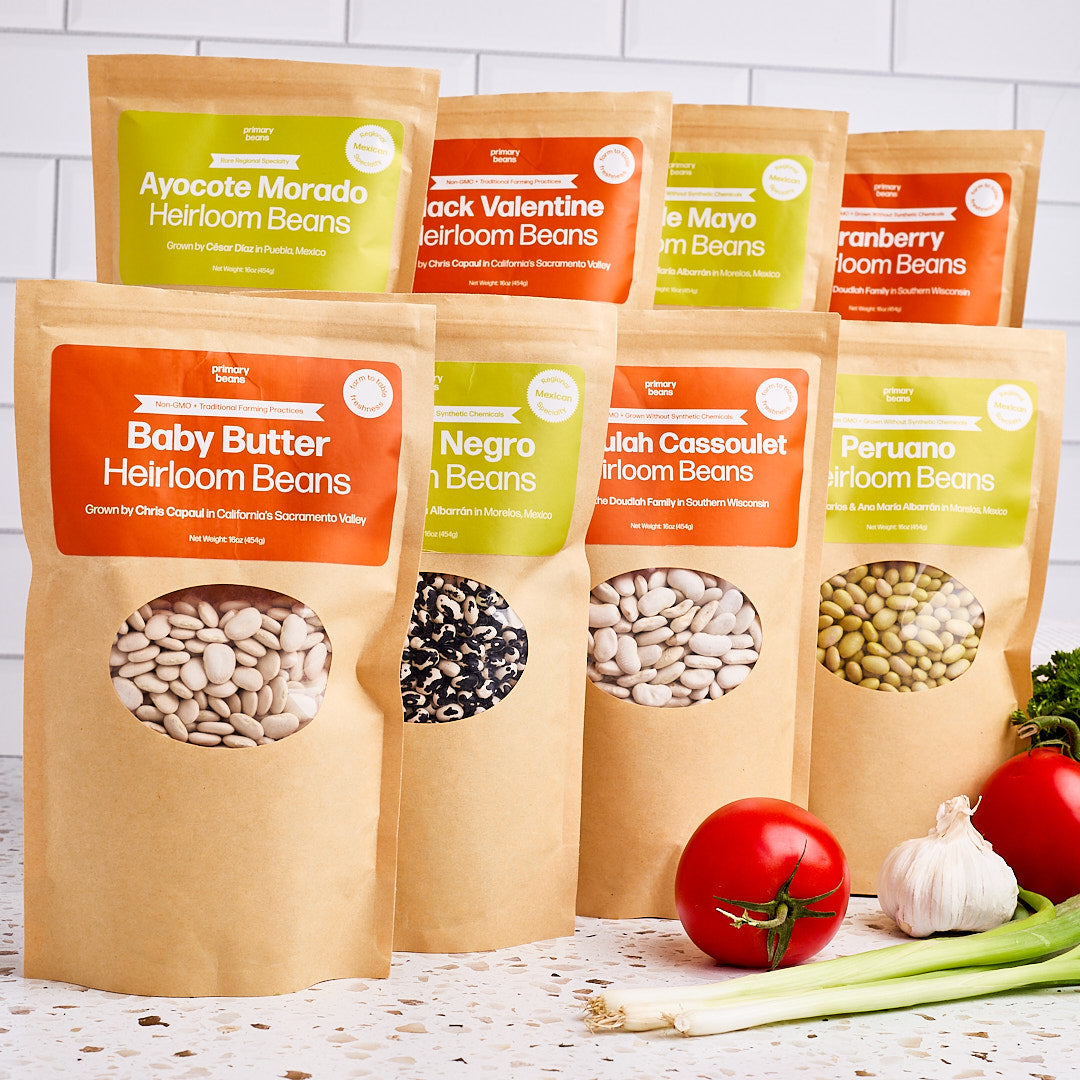
Let's talk about Ayocote Morado beans, stunning purple-black beans that are among the largest bean varieties. These heritage Mexican beans have a meaty texture and rich, earthy flavor that makes them perfect for preparations where beans are the star rather than a side element.
What makes Ayocote Morado beans ideal for pairing with salsa macha is their size and substance. They're large and substantial enough to stand up to the bold, complex flavors of the salsa without being overwhelmed. Their meaty texture and earthy flavor complement the toasty, nutty quality of the salsa macha beautifully.
When cooked with aromatics (leek, garlic, onion, dried pasilla chile) and served in their flavorful broth, these beans become the perfect vehicle for the intensely flavored salsa macha.
The Emmanuel Galván / Bolita Connection
This recipe was created by Emmanuel Galván, founder of Bolita, a Bay Area company specializing in fresh nixtamal (traditional masa made from corn treated with lime) and products celebrating Mexican foodways. Emmanuel also makes salsa macha that's sold throughout the Bay Area.
His approach emphasizes traditional techniques, quality ingredients, and respecting Mexican culinary heritage. This recipe exemplifies that philosophy, heritage beans cooked properly, authentic salsa macha made from scratch using traditional methods.
Cooking the Beans with Aromatics
The beans cook with thoughtful aromatics that build flavor from the beginning. Leek, garlic, and white onion get sautéed in olive oil until lightly browned (6-8 minutes), developing sweet, caramelized flavors. A dried pasilla chile gets toasted briefly (about 1 minute) to release its fruity, slightly smoky flavor.
Then the beans go in, covered with water, and cook according to the Primary Beans cooking guide until tender. These aromatics infuse the beans and their broth with complex flavors that complement the salsa macha.
Once cooked, remove the aromatics and set the beans aside in their broth, that flavorful liquid is essential for serving.
Making Salsa Macha: The Toasting
The key to great salsa macha is toasting each ingredient separately to its optimal point. This requires attention and care, but it's what creates the complex, layered flavors.
The process:
- Garlic, sesame seeds, and pepitas: Cook in oil over medium heat until garlic just starts to color (about 4 minutes). Remove with slotted spoon.
- Chiles de árbol: Add to hot oil and cook until slightly puffed and darkened (3-4 minutes). These small, fiery chiles need more time than the larger chiles. Remove with slotted spoon.
- Ancho and pasilla chiles: Add to oil and cook until slightly puffed and darkened (1-2 minutes). These larger chiles toast quickly. Remove with slotted spoon.
Each step develops specific flavors, the garlic becomes sweet, the seeds and pepitas become nutty, the chiles become toasty and slightly smoky. Removing each ingredient at the right moment prevents burning and ensures optimal flavor.
The Finishing Touches
After removing all the chiles, turn off the heat and (while the oil is still hot) add apple cider vinegar, grated piloncillo sugar, and salt. Stir to prevent the sugar from burning and to evaporate the vinegar.
The vinegar adds brightness and acidity that balances the rich oil. The piloncillo (unrefined Mexican sugar with molasses-like flavor) adds subtle sweetness and complexity. The salt brings everything together.
Blending the Salsa Macha
Transfer all the toasted chiles and seeds to a food processor and pulse until coarsely chopped. Then, with the processor running, add the cooled oil mixture in a steady stream and puree until all ingredients are finely chopped, about 1 minute.
The goal is a chunky texture, not a smooth sauce. You want to see distinct pieces of chile, seeds, and nuts throughout. Season with additional salt to taste and transfer to a container.
Salsa macha keeps for months in the fridge, getting better as it sits and the flavors meld.
Serving
Serve the beans in bowls with plenty of their flavorful broth. Top with:
- Full-fat sour cream: Cooling richness that tempers the salsa's heat
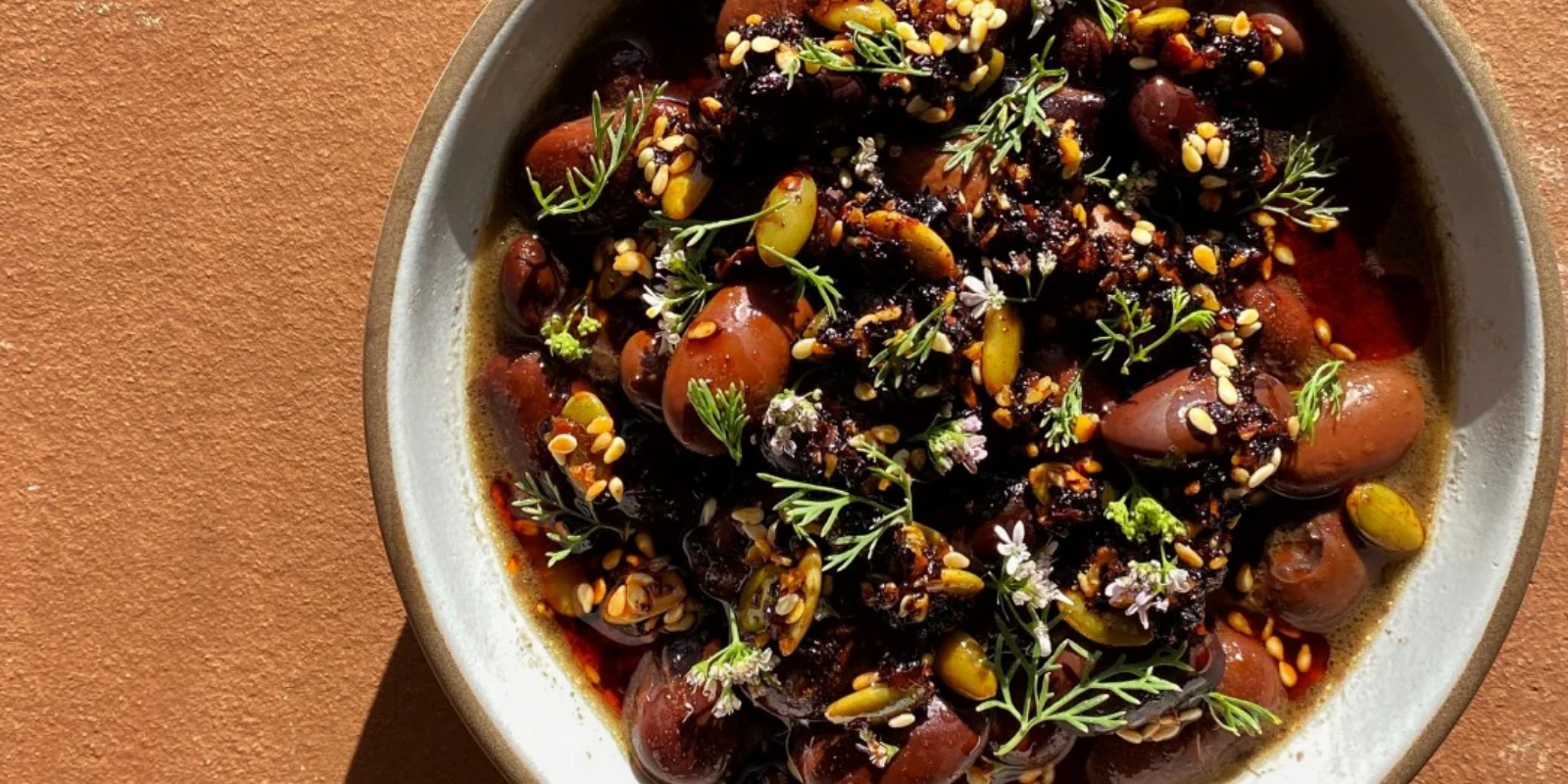
- Generous drizzle of salsa macha: The star, providing toasty, nutty, spicy intensity
- Chopped cilantro: Fresh, herbaceous brightness
The combination is perfect—rich brothy beans, cooling sour cream, intensely flavored salsa macha, fresh cilantro. Each element contributes something essential.
The Addictive Quality
Once you taste salsa macha, you'll understand why people become obsessed with it. The combination of toasted chiles, nuts, seeds, and oil creates flavors that are complex, layered, and deeply satisfying. It's nutty from sesame and pepitas, toasty from the careful toasting, spicy from multiple chile varieties, slightly sweet from piloncillo, and tangy from vinegar.
Over beans, it's transformative, taking simple cooked beans and turning them into something extraordinary.
Beyond Beans
While this recipe features salsa macha with beans, you'll want to use it on everything once you've made it:
- Scrambled eggs or omelets
- Tacos of all kinds
- Grilled meats and vegetables
- Quesadillas
- Rice bowls
- Pizza (seriously)
- Avocado toast
- Pasta (it works)
Make a big batch and keep it in the fridge. It lasts for months and becomes your go-to condiment for adding instant flavor and complexity to anything.
A Recipe Worth the Effort
Making salsa macha from scratch requires attention and time, toasting each ingredient separately, monitoring carefully to prevent burning, blending properly. But the result is so much better than anything you can buy (unless you're buying Emmanuel's Bolita salsa macha in the Bay Area).
The deep, complex flavors you get from proper toasting and quality ingredients are worth the effort. And once made, you have a condiment that elevates countless meals.
Honoring Tradition
This recipe exemplifies the Primary Beans x Tamoa collaboration's goals: celebrating Mexican bean varieties, respecting traditional preparations, and making authentic flavors accessible. Emmanuel's salsa macha recipe honors Oaxacan and Veracruzan traditions while being achievable for home cooks.
Check out the other recipe created for this collaboration: Tamales de frijol, calabaza, y epazote.
*A Note On Our Recipes:
Every recipe here was developed and tested using farm-fresh beans from Foodocracy and Primary Beans. Older beans, anything past a year in your pantry or beans from other sources may need more coaxing. Give them a soak and add extra cooking time, and they'll get there eventually.



The Heirloom Bean + Grain club
Learn More
Get impossible to find beans and grains shipped direct to your doorstep each month from small family farms.


Support small family farms
Shop Now
We support small, family owned farms across the nation. Did you know that farmers only make an average of 10 cents on every dollar you spend at the supermarket? Working directly with farms and not middle men ensures that more money goes back to the people actually growning your food.
Frijoles Con Salsa Macha
Mexican
Main Course
This recipe was designed exclusively for our Primary Beans x Tamoa collaboration by Bolita founder, Emmanuel Galván. Salsa macha is a toasty, nutty, spicy condiment with roots in Veracruz and Oaxaca, and we're so delighted we get to feature Emmanuel's version, sold across the Bay Area, in this recipe.
Featured bean: Ayocote Morado

Ingredients
The beans
- 1 lb Ayocote Morado beans
- 1 leek, halved lengthwise
- 2 garlic cloves, peeled
- 1 white onion, halved lengthwise
- Olive oil
- 1 dried pasilla chile
Salsa macha
- 1-1½ cups grapeseed oil or other neutral oil
- 6 large garlic cloves, finely minced
- ¼ cup sesame seeds
- ¼ cup pepitas
- 8 dried chiles de árbol, stemmed and seeded
- 2 dried ancho chiles, stemmed and seeded
- 2 dried pasilla chiles, stemmed and seeded
- 1 tbsp apple cider vinegar
- 1 tbsp piloncillo sugar, grated
- 1 tsp salt, plus more to taste
For serving
- Full-fat sour cream
- Cilantro, finely chopped
Directions
Prepare the beans: Combine leek, garlic, onion, and 1 tbsp olive oil in the cooking vessel of your choice. Cook until lightly browned, about 6-8 minutes. Add chile and toast for about 1 minute and then add beans. Cover with water, bring to a boil for 10 minutes and then cover and reduce to a simmer for ab out 2 hours. Once tender, remove aromatics and set aside.
Make The Salsa Macha
Toast the ingredients: Tear or cut chiles into 1-inch pieces, removing the stems and seeds and keeping varieties separate. Cook oil, garlic, sesame seeds and pepitas in a large saucepan over medium heat until garlic is just starting to get color, about 4 minutes. Remove from oil using a slotted spoon. Add chiles de árbol to oil and cook just until slightly puffed and darkened, 3-4 minutes. Remove from oil using a slotted spoon. Add ancho and pasilla chiles to oil and cook just until slightly puffed and darkened, 1-2 minutes. Remove from oil using a slotted spoon. Turn off heat and (while still hot) add apple cider vinegar, piloncillo sugar, and salt. Stir to prevent sugar from burning and to evaporate vinegar.
Make the salsa: Transfer reserved chiles and seeds to a food processor and pulse until coarsely chopped. Once oil mixture is cool, while food processor is running, add oil in a steady stream and purée until all ingredients are finely chopped, about 1 minute. Season with salt and transfer to a container.
Serve and enjoy: Serve brothy beans in a bowl, and top with sour cream, a generous drizzle of salsa macha, and a sprinkle of cilantro and pepitas.