



Coconut Rice And Red Beans
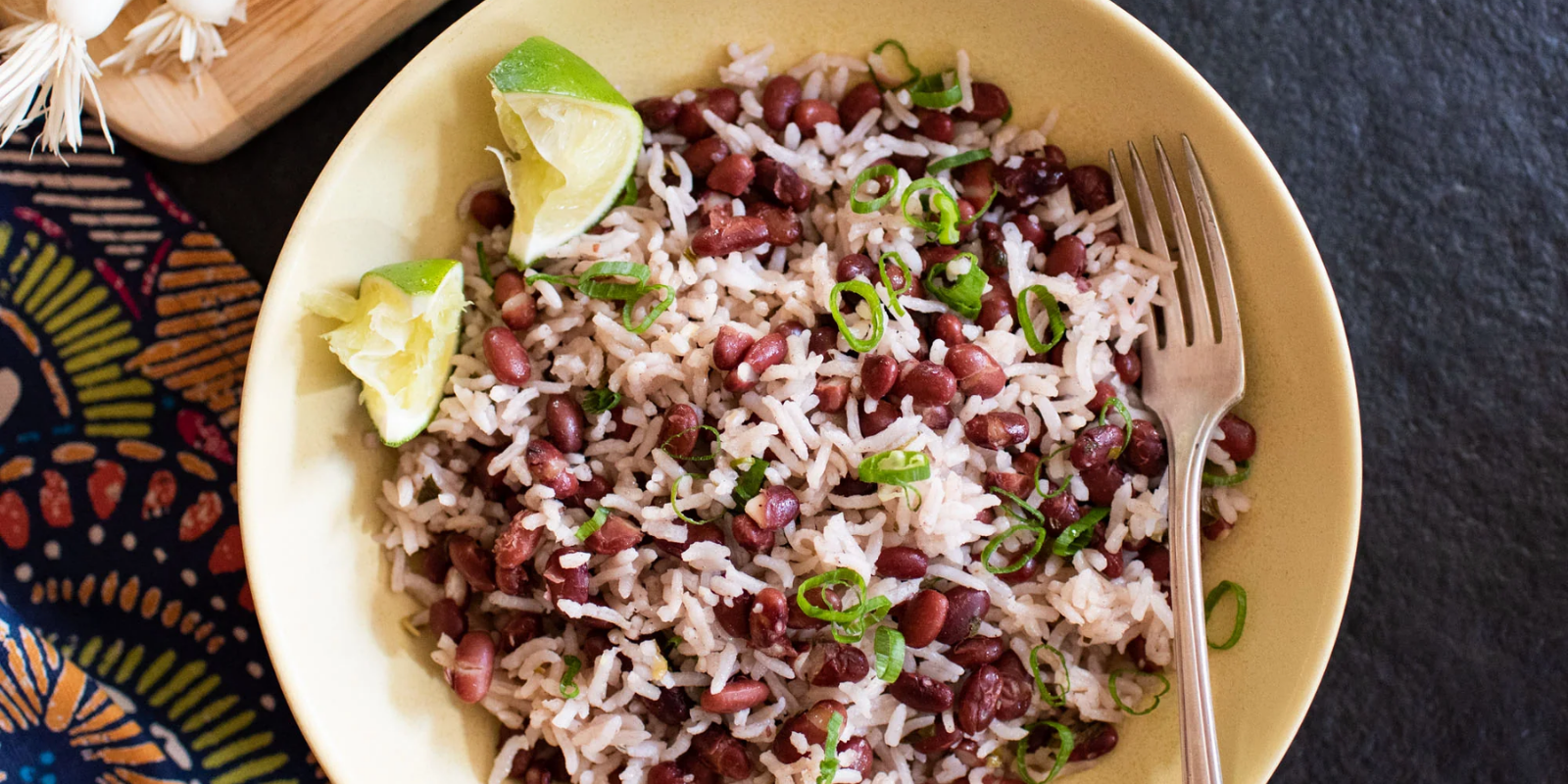
This classic Caribbean-inspired rice and beans dish has stood the test of time. We first tried it while visiting the Caribbean coast in Costa Rica and fell in love with its simplicity, subtle richness, and versatility. (Here, we upped the typical ratio of beans to rice so it's closer to 50:50, based on personal preference.) Serve simply with lime or top with grilled fish or chicken, fried egg, pickled vegetables, your favorite hot sauce, the possibilities are endless.
Why This Recipe Works

What makes this dish so successful is how it creates subtle richness and complex flavor from simple ingredients. The coconut milk provides creamy richness without being heavy. The allspice adds warmth and traditional Caribbean flavor. The whole Scotch bonnet chile (pierced but not chopped) infuses the dish with fruity heat without overwhelming it. The garlic, scallions, and thyme create an aromatic foundation.
The recipe notes it "upped the typical ratio of beans to rice so it's closer to 50:50." This makes the dish more balanced and substantial, beans aren't just an accent, they're equal partners with the rice.
The Beans:
Originally written for Sangre de Torro, this recipe also works with the Speckled Bayo which is provides a little more bean broth than Sangre de Torro and is a bit more creamy. Both are excellent choices here.
The Costa Rica Connection
The recipe has a personal origin story, discovered while visiting the Caribbean coast of Costa Rica. This dish (or variations of it) appears throughout the Caribbean and Central America, with each region and household having slightly different versions.
The "simplicity, subtle richness, and versatility" that made them fall in love with it are exactly what make rice and beans such a foundational dish throughout the Caribbean, it's everyday food that's satisfying, affordable, and endlessly adaptable.
The Technique
The technique builds flavor through layering. Heat oil in a large saucepan over medium-low heat. Add sliced garlic and scallions, cooking and stirring until softened, about 3 minutes. This creates the aromatic base.
Add the cooked beans, fresh thyme sprig, coconut milk (stirred to emulsify the cream and liquid), allspice, and the whole Scotch bonnet chile (pierced with a knife to allow flavor to escape without making the dish too spicy).
Bring to a simmer and cook until the coconut milk reduces and thickens, about 5-7 minutes, stirring frequently. This concentrates the coconut flavor and creates a creamy sauce that will coat the rice as it cooks.
The Scotch Bonnet Chile
Scotch bonnet chiles are traditional in Caribbean cooking, they're extremely hot but also fruity and aromatic. Using a whole chile that's pierced (rather than chopped) allows the fruity flavor and aromatic oils to infuse the dish without making it overwhelmingly spicy.
If you can't find Scotch bonnet, habanero is a close substitute (they're related). If you want less heat, use a milder chile or omit it entirely, though you'll lose some of the authentic Caribbean character.
The whole chile gets removed before serving, so you're not biting into it directly.
The Rice Addition
Rinse the rice in a sieve under cold water until the water runs clear. This removes excess starch and prevents the rice from being gummy.
Stir the rinsed rice and 2 cups of water into the pan with the beans and coconut milk. Bring to a simmer, then cover, reduce heat to low, and cook undisturbed for about 20 minutes until the rice is tender.
The rice cooks directly in the coconut-bean mixture, absorbing all those wonderful flavors, coconut, allspice, thyme, garlic, chile, rather than just being mixed in after cooking separately.
The Finishing
Remove the whole chile and thyme sprig (they've infused their flavors and are no longer needed). Fluff the rice with a fork to separate the grains and incorporate everything evenly. Season with salt and pepper to taste.
Serve with lime wedges for squeezing over the top. The lime juice adds brightness that cuts through the rich coconut milk and balances the dish.
The Versatility
The recipe emphasizes that "the possibilities are endless" for toppings and serving options:
- Simply with lime: The base dish is complete and satisfying on its own
- Grilled fish or chicken: Traditional Caribbean protein accompaniments
- Fried egg: Adds richness and makes it breakfast or brunch
- Pickled vegetables: Acidity and crunch to balance richness
- Hot sauce: Additional heat and vinegar tang
This versatility makes it perfect as a weeknight base recipe, make a big batch and top it differently throughout the week.
The 50:50 Bean-Rice Ratio
The decision to increase beans to a 50:50 ratio with rice is smart. Traditional rice and beans often has rice heavily dominating, with beans as an accent. This version makes beans equal partners, creating:
- More protein: Beans provide substantial protein
- Better texture: More varied mouthfeel
- Greater satisfaction: More filling and substantial
- Improved nutrition: Higher fiber and nutrients
Caribbean Staple
This dish exemplifies Caribbean cooking wisdom, simple ingredients (rice, beans, coconut milk, basic aromatics) combined thoughtfully to create something that's both everyday and special. It's comfort food that also happens to be nutritious and affordable.
Throughout the Caribbean, rice and beans (or beans and rice, depending on the country) appear on tables daily in countless variations. This version captures that essential character.
Make-Ahead and Meal Prep
This dish works beautifully for meal prep. Make a big batch, portion it out, and reheat throughout the week with different toppings each time. The flavors actually improve as it sits and everything melds together.
Add a splash of water or coconut milk when reheating to restore moisture.
Vegan and Satisfying
This is completely vegan as written (assuming you use vegetable oil rather than lard or butter). Yet it's deeply satisfying and feels indulgent thanks to the coconut milk and substantial beans.
It's proof that vegan food doesn't need to be complicated or rely on substitutes, traditional cuisines around the world have been making delicious plant-based dishes for centuries.
A Recipe That's Stood the Test of Time
As the recipe notes, this "classic Caribbean-inspired rice and beans dish has stood the test of time." There's a reason, it works. It's simple, it's satisfying, it uses affordable ingredients, and it's endlessly adaptable.
Once you make it, you'll understand why it's been a Caribbean staple for generations.
*A Note On Our Recipes:
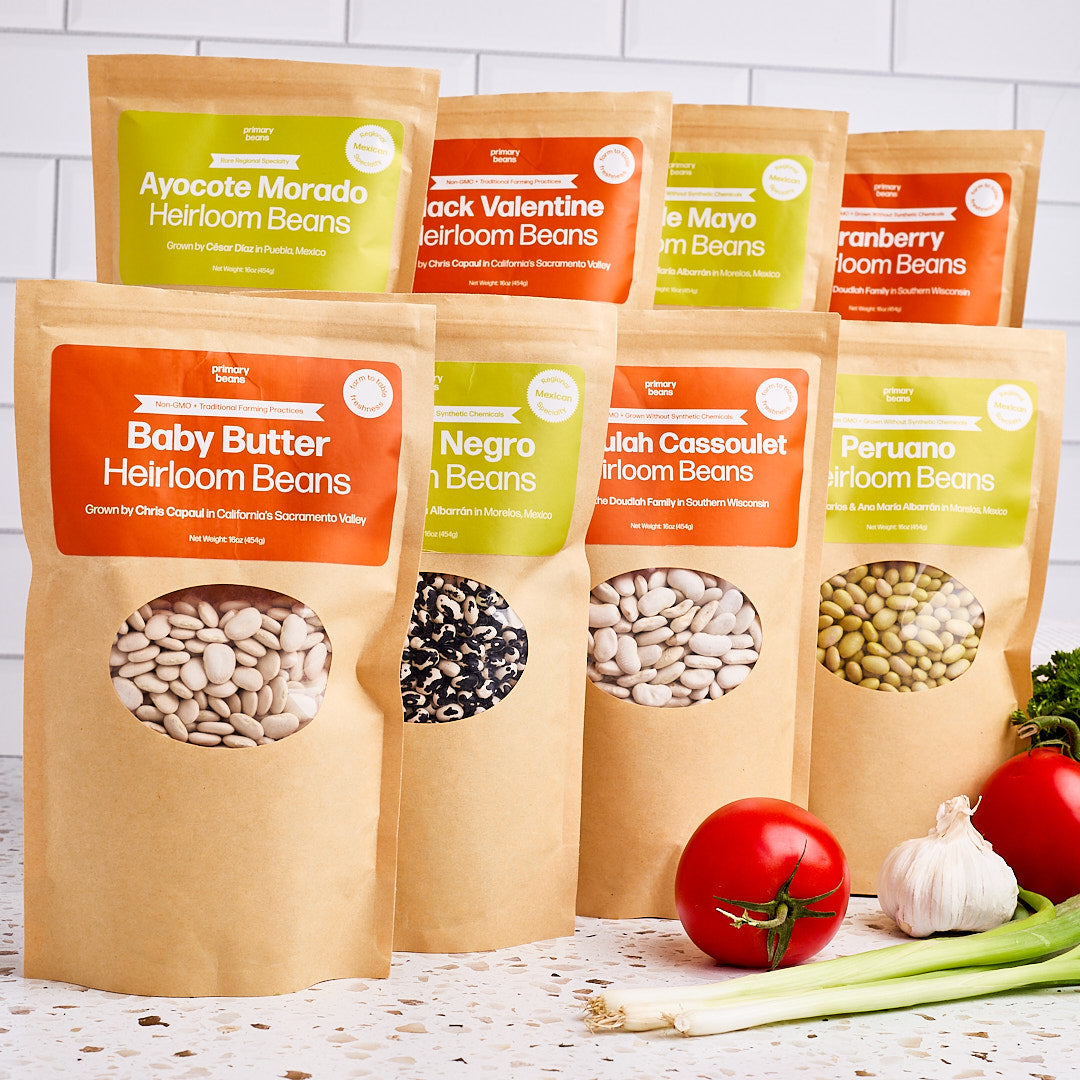
Every recipe here was developed and tested using farm-fresh beans from Foodocracy and Primary Beans. Older beans, anything past a year in your pantry or beans from other sources may need more coaxing. Give them a soak and add extra cooking time, and they'll get there eventually.

Related Recipes



The Heirloom Bean + Grain club
Learn More
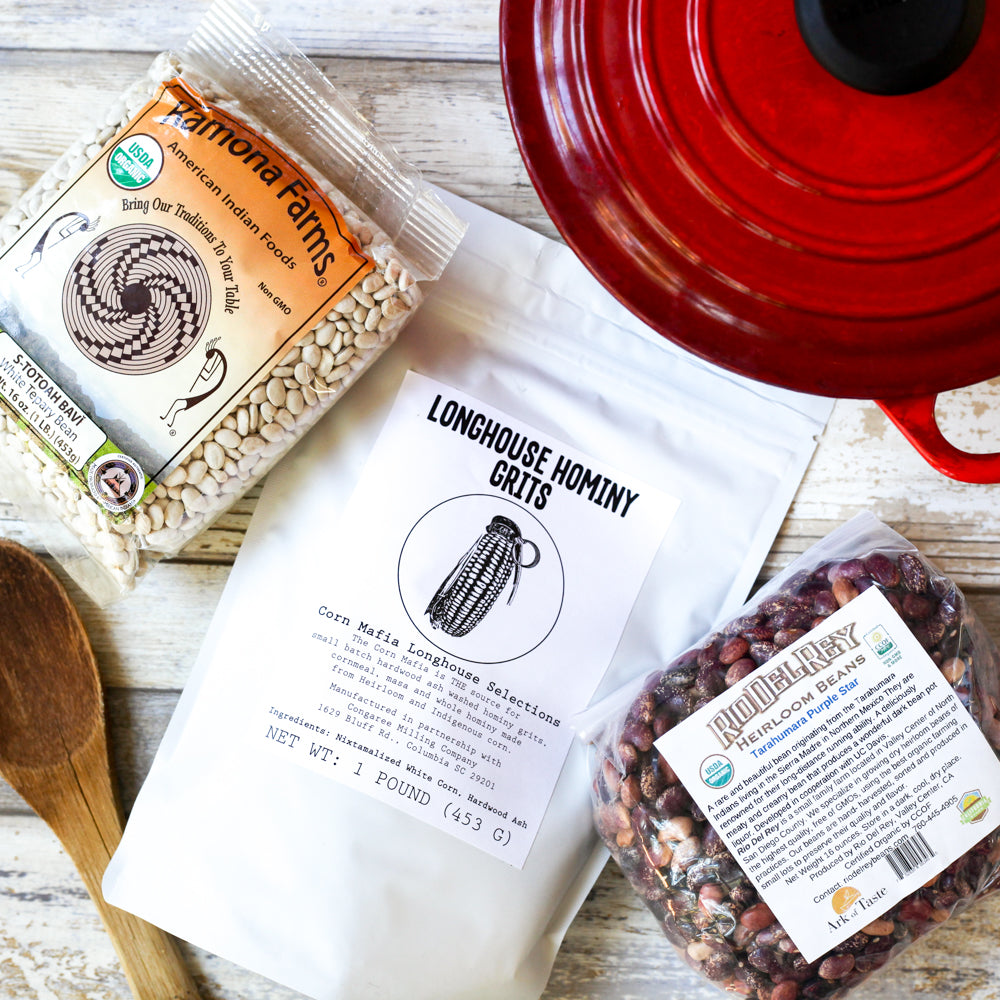
Get impossible to find beans and grains shipped direct to your doorstep each month from small family farms.


Support small family farms
Shop Now
We support small, family owned farms across the nation. Did you know that farmers only make an average of 10 cents on every dollar you spend at the supermarket? Working directly with farms and not middle men ensures that more money goes back to the people actually growning your food.
Coconut Rice And Red Beans
Caribbean
Main Course
This classic Caribbean-inspired rice and beans dish has stood the test of time. We first tried it while visiting the Caribbean coast in Costa Rica and fell in love with its simplicity, subtle richness, and versatility. Serve simply with lime or top with grilled fish or chicken, fried egg, pickled vegetables, your favorite hot sauce, the possibilities are endless.
Featured bean: Sangre de Toro
Other beans to try: Speckled Bayo, Southwest Gold

Ingredients
- 1 tbsp vegetable oil
- 3 cloves garlic, thinly sliced
- 2 scallions, thinly sliced
- 4 cups cooked Sangre de Toro beans
- 1 sprig fresh thyme
- 1½ cups unsweetened coconut milk (stirred to emulsify the cream)
- ¼ tsp allspice
- 2 cups long grain white rice
- Coarse salt and black pepper
- Lime and sliced scallions, for serving
Directions
Heat oil in a large saucepan over medium-low and then stir in garlic and scallions and cook, stirring, until softened, 3 minutes. Add cooked beans, thyme, coconut milk, allspice, and whole chili. Bring to a simmer. Cook until coconut milk is reduced and thickened, about 5-7 minutes, stirring frequently.
Rinse rice in a sieve under cold water until the water runs clear. Stir rice and 2 cups water into the pan and bring to a simmer. Cover the pan, reduce the heat to low, and cook, undisturbed, until rice is tender, about 20 minutes.
Remove chili and thyme, fluff rice with fork, and season with salt and pepper. Serve with lime wedges and any other toppings you desire.