



Tamales De Frijol, Calabaza, Y Epazote
This recipe was designed exclusively for our Primary Beans x Tamoa collaboration by Bolita founder, Emmanuel Galván. Eaten widely across Mexico but with many regional variations, tamales are both a celebratory and convenience food. While lard is traditionally used, this version can be made entirely vegan by using grapeseed oil. Look for fresh masa, corn husks, and epazote at Mexican grocery stores or farmers' markets. And if you're in the Bay Area, you can buy fresh masa from Bolita!
What Are Tamales?
Tamales are one of Mexico's most beloved traditional foods, with roots stretching back thousands of years to pre-Columbian civilizations. They consist of masa (corn dough) filled with various ingredients, meats, beans, vegetables, chiles, cheese, wrapped in corn husks or banana leaves and steamed until tender. The result is a portable, complete meal that's both celebratory (served at holidays and special occasions) and practical (easy to transport and eat).
Every region of Mexico has its own tamale traditions, with different fillings, sizes, wrapping materials, and preparation methods. This version from Emmanuel Galván of Bolita features beans, summer squash, and epazote, a trio of ingredients that's earthy, fresh, and deeply satisfying. And importantly, it can be made entirely vegan by using grapeseed oil instead of lard.
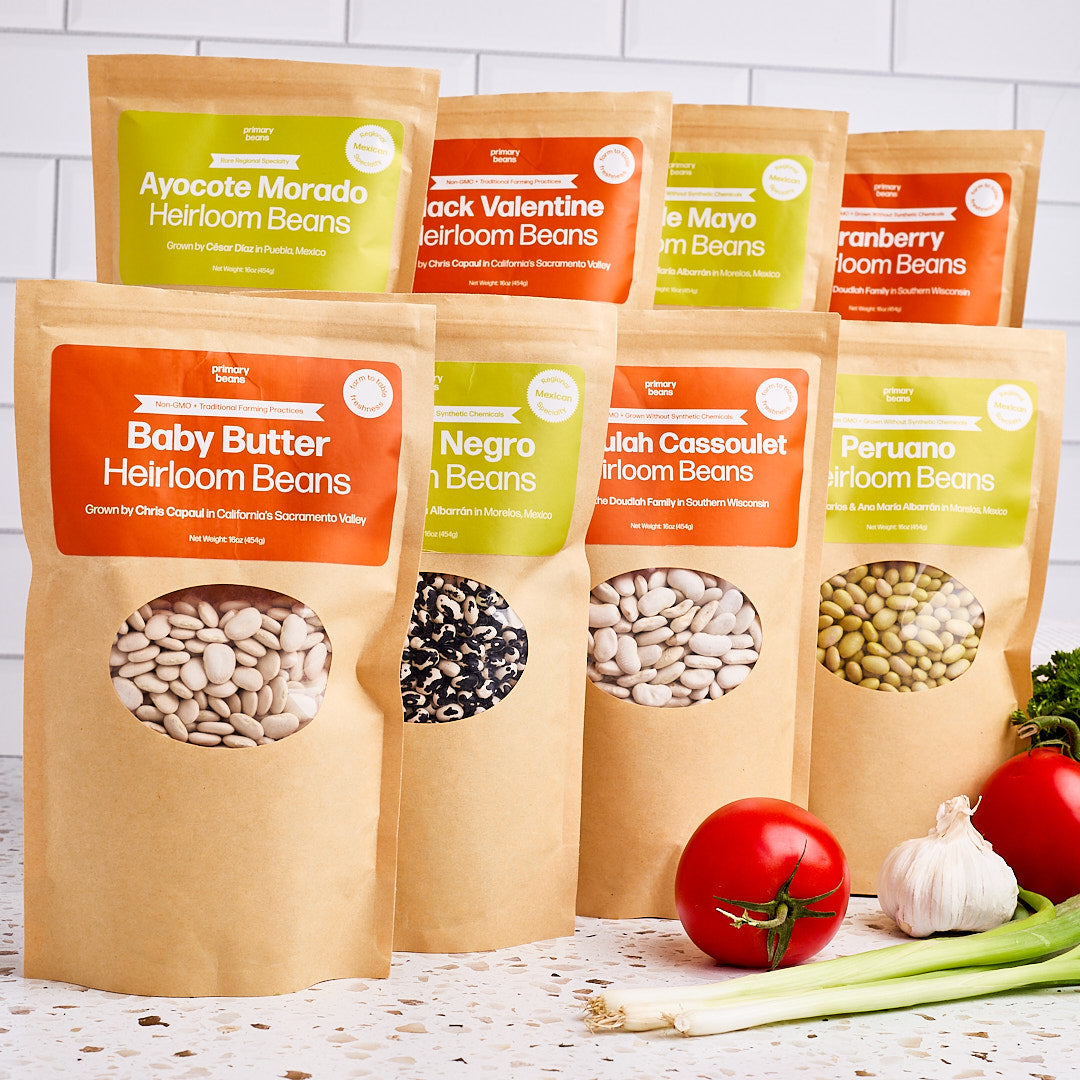
The Star: Ayocote Morado Beans

Let's talk about Ayocote Morado beans, stunning purple-black beans that are among the largest bean varieties. These are heritage beans native to Mexico with a rich, meaty texture and deep, earthy flavor. When cooked, they're incredibly creamy and substantial, making them perfect for tamale fillings where you want beans that are flavorful and satisfying.
What makes Ayocote Morado special for tamales is their size and texture. These large beans provide substantial bites throughout the filling, and their creamy interior contrasts beautifully with the tender masa and fresh squash. They're cooked with fresh epazote, a pungent Mexican herb with an assertive, almost medicinal flavor that's traditional with beans and absolutely essential to authentic Mexican cooking.
The beans' deep purple-black color also adds visual interest when you cut into the tamales, creating beautiful contrast against the pale masa and green squash.
The Fresh Masa
Fresh masa is essential to great tamales. This is masa made from corn that's been nixtamalized (treated with lime water), then ground fresh. It's completely different from masa harina (the dried flour), with a sweet corn aroma, tender texture, and authentic flavor that you simply can't replicate with the dried version.
Look for fresh masa at Mexican grocery stores, farmers' markets, or tortillerías. If you're in the Bay Area, Bolita (Emmanuel's company) makes excellent fresh masa. The masa needs to dry out for 2-3 hours before using, which allows it to lose some moisture and achieve the right texture for tamales.
Then you mix it with salt and fat (grapeseed oil for vegan, or lard for traditional) until it becomes silky and slightly oily. This enriched masa is what creates tender, flavorful tamales.
The Epazote
Epazote deserves special mention because it's so essential to this recipe. This pungent herb is used throughout Mexican cooking, especially with beans. It has a distinctive flavor that's hard to describe, some say it tastes like oregano mixed with anise, others detect citrus or even gasoline notes. It's assertive and not for everyone, but it's absolutely traditional and adds authentic Mexican flavor.
The epazote is used twice in this recipe: first cooked with the beans to flavor them, then fresh leaves are added to each tamale filling for bright, herbaceous pops of flavor.
Look for fresh epazote at Mexican grocery stores or farmers' markets. There's no perfect substitute, but you can make the tamales without it if necessary, though they won't taste quite as authentic.
The Filling
The filling is a brilliant combination of flavors and textures. Garlic and red onion get cooked until golden and sweet. Ground chile de árbol adds heat, while ground ancho chile contributes fruity, slightly sweet smokiness. Diced summer squash (zucchini or yellow squash) gets added and cooked briefly.
Half of this squash mixture gets removed and mixed with the cooked beans, creating a bean-and-squash filling. The other half continues cooking until the squash is fully soft. This creates two different textures in your tamales, some bites have crisp-tender squash, others have soft, melting squash.
The Assembly

Making tamales is a bit of a process, but it's also meditative and satisfying. You soak corn husks in hot water until pliable, weighting them down to keep them submerged. Once the masa is ready and the filling is prepared, you pat the husks dry and begin assembly.
About a quarter cup of masa gets spread in a thin, even layer on each husk, leaving the narrow end uncovered. About 2 tablespoons of filling goes in the center, along with 2-3 fresh epazote leaves. Then you fold: one side over the filling, the other side to seal, and the narrow end gets folded and tucked under.
The folding takes practice, but once you get the hang of it, it becomes rhythmic and almost automatic.
The Steaming
Tamales are steamed, not baked or fried. You need a large pot with a steamer basket. The tamales stand vertically with the wide opening facing up, so steam can penetrate and cook the masa evenly.
They steam for 75 minutes, a long time, but necessary for the masa to cook through and develop that tender, slightly springy texture. You'll know they're done when the masa doesn't stick to the husks. If it does stick, steam for another 10 minutes.
Let them rest for 10 minutes after steaming. This allows the steam to redistribute and the masa to firm up slightly, making them easier to unwrap and eat.
Serving
Tamales are traditionally served with accompaniments that add richness, brightness, and heat. Full-fat sour cream or Mexican crema provides cooling creaminess. Your favorite salsa adds brightness and spice. Pickled onions or curtido (a Central American pickled cabbage slaw) contribute tangy crunch.
Each person unwraps their own tamal, discarding the husk, and tops as desired. It's a communal, interactive eating experience that's part of what makes tamales special.
A Celebratory Food
In Mexican culture, tamales are often made for celebrations, Christmas, Día de los Muertos, quinceañeras, baptisms. Making them is frequently a group activity, with family members gathering to prepare masa, make fillings, and assemble tamales together. It's as much about the process and the gathering as it is about the food itself.
But tamales are also convenience food, portable, complete meals that can be made ahead, frozen, and reheated. They're perfect for busy mornings (tamales for breakfast is very traditional), packed lunches, or anytime you want something satisfying and delicious.
Part of the Tamoa Collaboration
This recipe was created for our collaboration with Tamoa, celebrating Mexican heritage beans and traditional cooking methods. The pairing of Ayocote Morado beans with fresh masa and traditional techniques honors Mexican foodways while making them accessible to home cooks.
Check out the other recipe from this collaboration: Frijoles con Salsa Macha for more inspiration on cooking with Mexican heritage beans.
*A Note On Our Recipes:
Every recipe here was developed and tested using farm-fresh beans from Foodocracy and Primary Beans. Older beans, anything past a year in your pantry or beans from other sources may need more coaxing. Give them a soak and add extra cooking time, and they'll get there eventually.

Related Recipes



The Heirloom Bean + Grain club
Learn More
Get impossible to find beans and grains shipped direct to your doorstep each month from small family farms.


Support small family farms
Shop Now
We support small, family owned farms across the nation. Did you know that farmers only make an average of 10 cents on every dollar you spend at the supermarket? Working directly with farms and not middle men ensures that more money goes back to the people actually growning your food.