



Matos Family Black Beans
Creator notes
I adapted this recipe from my Puerto Rican grandma, Adeline Matos (or, as my sister and I called her, "Mom Mom"), who got it from her mother, who probably got it from HER mother! Generations of matriarchs! Mom Mom would make these beans from dried black beans, typically Goya brand, and I know she would've loved how delicious Primary Beans Negro beans are in the recipe. We always ate it with white rice growing up, but I've also treated it like soup and served it with crusty bread! I hope you love it, and definitely encourage you to write down the recipes from loved ones in your own family, it's a very special way to save memories that can be recalled every time you cook.
Why This Recipe Matters

This isn't just a recipe, it's a family heirloom, passed down through generations of Puerto Rican matriarchs. From Dani's great-great-grandmother to her great-grandmother to Mom Mom (Adeline Matos) to Dani, this recipe carries memories, traditions, and the love of women who cooked to feed and nurture their families.
What makes generational recipes like this so special is how they connect us to our ancestors. Every time Dani makes these beans, she's cooking the same dish her grandmother made, using techniques passed down through family stories and kitchen lessons. It's a living connection to the past, a way of keeping loved ones present through food.
The Star: Black Valentine Beans

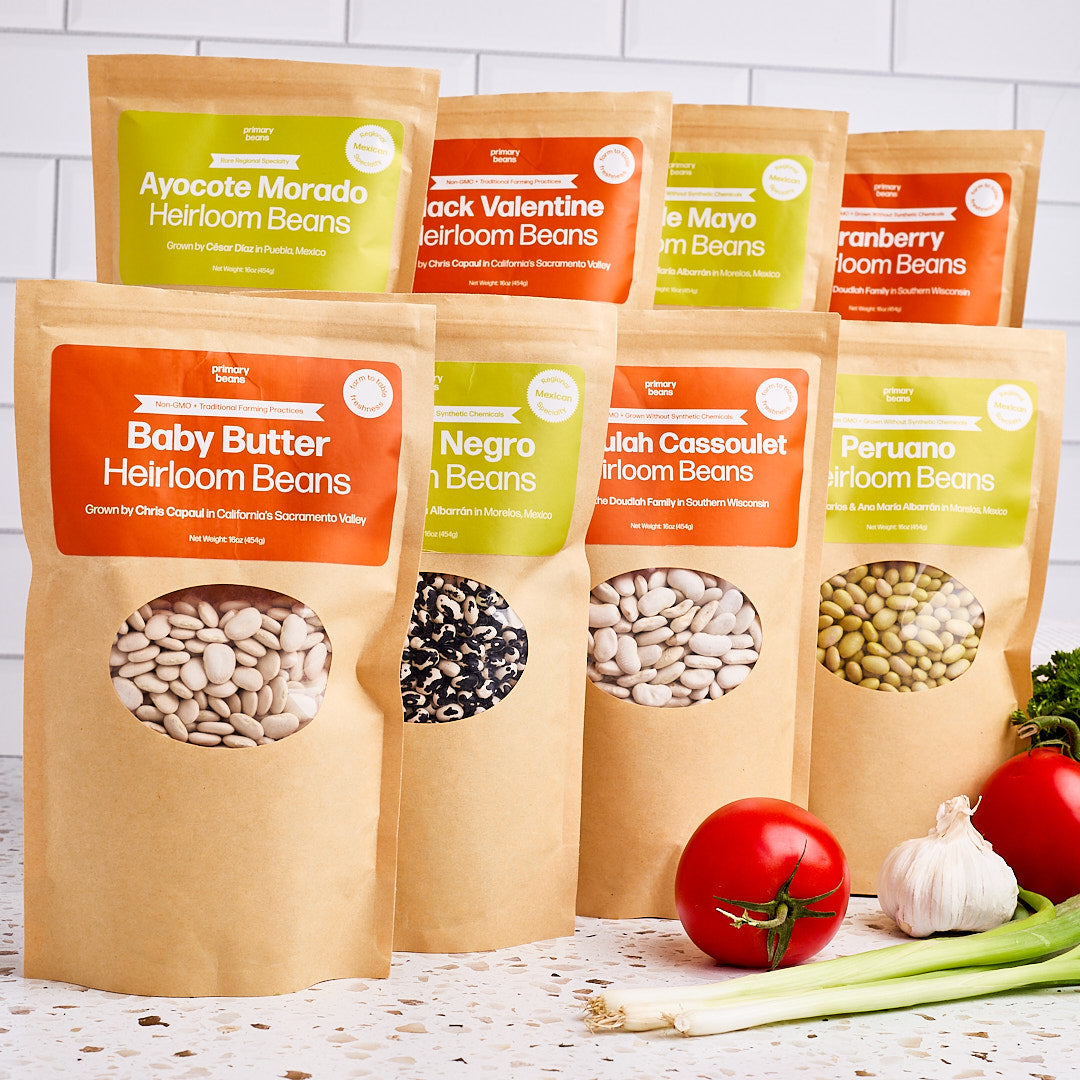
Let's talk about Negro beans, small, dense black beans with rich, earthy flavor. While Mom Mom used Goya black beans (what was available to her), Dani notes that Primary Beans Negro beans are exceptional in this recipe, bringing superior flavor and texture.
What makes Negro beans perfect for this Puerto Rican preparation is their ability to hold their shape through long cooking while developing a rich, almost creamy texture. They create a thick, flavorful broth that becomes the foundation of the dish. Their deep, earthy flavor stands up to the bold sofrito and all those aromatics without being overwhelmed.
The beans cook for 1½-3 hours with onion, green bell pepper, and bay leaves, absorbing those flavors and creating a deeply savory base before the sofrito even joins them.
The Sofrito
Sofrito is the heart and soul of Puerto Rican cooking, a aromatic base of sautéed onions, garlic, and peppers that provides the flavor foundation for countless dishes. This version is generous and deeply flavorful, with:
- Olive oil (½ cup): Creates richness and carries flavors
- Spanish onions (2 large, chopped): Sweetness and body
- Garlic (6-8 cloves, minced): Pungent, savory depth
- Green bell peppers (2, diced small): Vegetal sweetness
- Cumin (2 tbsp): Earthy, warm
- Cayenne or red pepper flakes (2 tsp): Heat
- Oregano (2 tbsp): Herbal, slightly bitter
- Black pepper (2 tbsp): Sharp, peppery bite
The technique is crucial: high heat at first to get everything sizzling, then low and slow cooking for at least 20 minutes (ideally longer) until the sofrito is "melty and dreamy." This slow cooking allows the vegetables to break down completely, the flavors to meld, and the olive oil to become infused with all those aromatics.
You season as you go, adding salt with the onions and garlic, then more with the peppers. This layered seasoning builds deeper flavor than adding all the salt at once.
The Long Simmer
After combining the cooked beans with the sofrito, everything simmers together for another 30 minutes. This is when the magic happens, the sofrito infuses the bean broth, the flavors meld and deepen, and the dish becomes cohesive.
To thicken the beans and create that characteristic creamy texture, you remove about a cup of beans, mash them with a fork in a bowl, then stir them back in. This creates body and richness without adding any thickeners.
The Finishing Touches
The final flavoring elements are what make these beans distinctively Mom Mom's:
- White sugar (3 tbsp): Balances acidity, adds subtle sweetness
- Apple cider vinegar (¼ cup): Brightness, tang
- Dry white wine (¼ cup): Complexity, acidity (or Shaoxing wine as an alternative)
These get added toward the end and simmer for another 15 minutes. Then you taste and adjust, more salt, more vinegar, more wine, more sugar. This tasting and adjusting is how you make the recipe your own while honoring the tradition.
As Dani notes, the exact amounts can vary to taste. Some people might want it sweeter, others more acidic. The recipe provides a framework, but your palate makes the final decisions.
The Timing
The recipe requires patience, 1½-3 hours for the beans, at least 20-30 minutes for the sofrito, then another 45 minutes after combining them. This isn't quick weeknight cooking; it's slow Sunday cooking, the kind where delicious smells fill your house for hours and anticipation builds.
But the time is mostly hands-off. The beans simmer gently, the sofrito cooks low and slow, and you can do other things while checking in occasionally to stir and adjust.
Serving
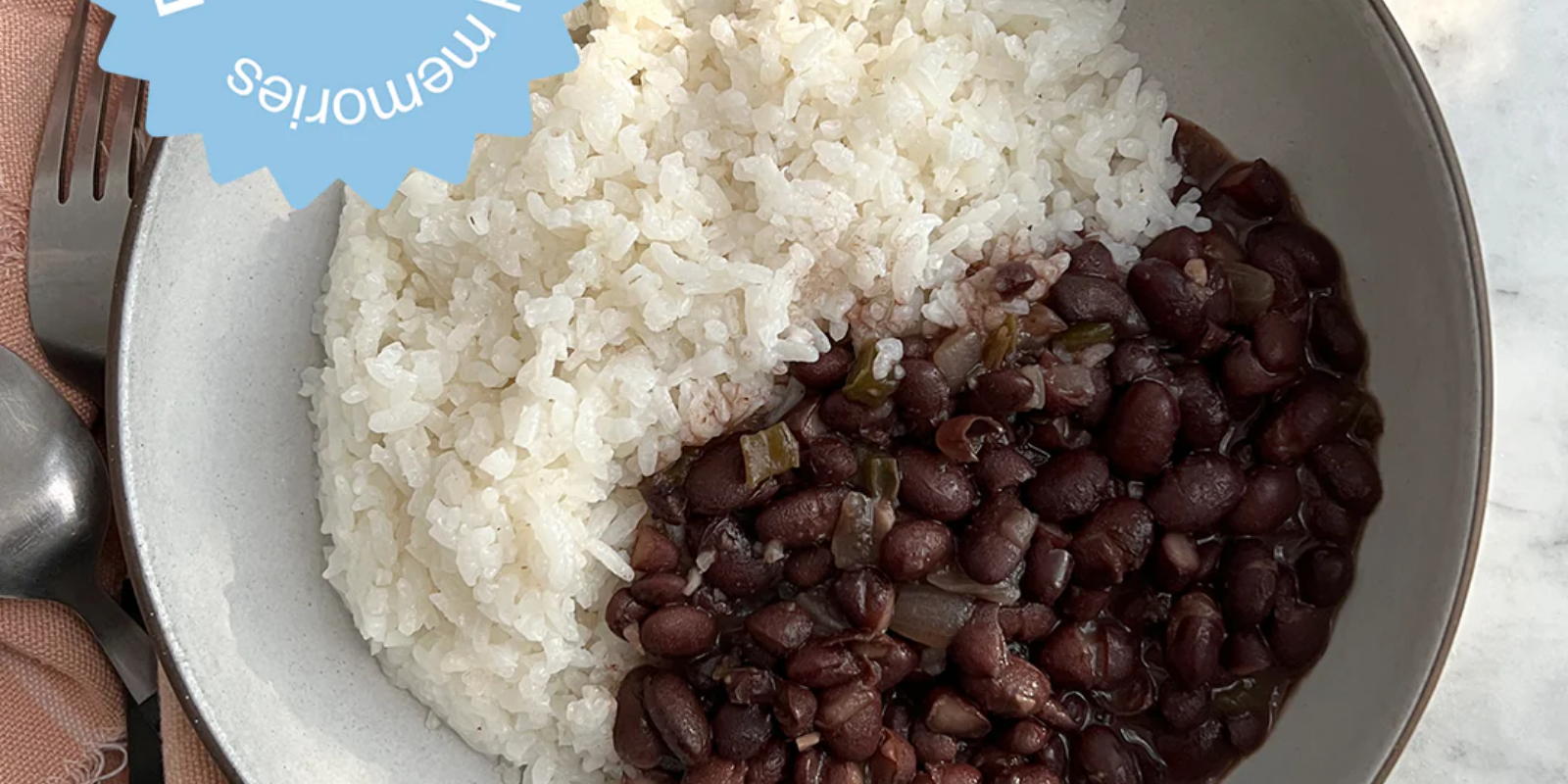
Traditionally, these beans are served with white rice, the classic combination of arroz con habichuelas that's central to Puerto Rican cuisine. The fluffy white rice soaks up the rich bean broth, and the combination is deeply comforting and satisfying.
But as Dani mentions, you can also treat it like soup and serve it with crusty bread for dipping. Either way works beautifully.
Better the Next Day
As Dani notes, the flavor develops even more when stored in the refrigerator overnight and reheated the next day. Like many bean dishes, the flavors continue to meld and deepen as they sit. The beans also freeze beautifully, making this perfect for batch cooking.
Make a big pot, eat some fresh, refrigerate some for later in the week, and freeze the rest for future meals when you want that comforting taste of home.
A Living Tradition
What makes this recipe so valuable isn't just that it's delicious (though it absolutely is). It's that it represents a living tradition, a connection to family history and cultural identity. When Dani cooks these beans, she's doing what her grandmother did, what her great-grandmother did, what her great-great-grandmother probably did.
In a world where so much changes so quickly, there's something profound about making food the same way your ancestors made it. It's a form of remembering, of honoring, of keeping people and traditions alive.
The Importance of Writing Down Family Recipes
Dani's encouragement to write down recipes from loved ones in your own family is important. Too many family recipes exist only in someone's head, in muscle memory and intuition. When that person is gone, the recipe is lost forever.
Writing them down, even if they're loose and rely on "to taste" and "until it looks right", preserves them for future generations. It's a gift to your children and grandchildren, a way of ensuring that the foods they grew up loving can be recreated long after you're gone.
A Recipe Worth Preserving
The Matos family black beans are exactly the kind of recipe worth preserving and passing down. They're delicious, deeply flavorful, satisfying comfort food. But more than that, they carry stories, memories, and the love of generations of women who cooked to nurture their families.
Every time you make them, you're participating in that tradition, adding your own story to the generations that came before.
Check out our interview with Dani to learn more about her family, this recipe, and the importance of preserving food memories!
*A Note On Our Recipes:
Every recipe here was developed and tested using farm-fresh beans from Foodocracy and Primary Beans. Older beans, anything past a year in your pantry or beans from other sources may need more coaxing. Give them a soak and add extra cooking time, and they'll get there eventually.

Related Recipes



The Heirloom Bean + Grain club
Learn More
Get impossible to find beans and grains shipped direct to your doorstep each month from small family farms.

Support small family farms
Shop Now
We support small, family owned farms across the nation. Did you know that farmers only make an average of 10 cents on every dollar you spend at the supermarket? Working directly with farms and not middle men ensures that more money goes back to the people actually growning your food.
Matos Family Black Beans
Puerto Rican
Main Course
I adapted this recipe from my Puerto Rican grandma, Adeline Matos (or, as my sister and I called her, "Mom Mom"), who got it from her mother, who probably got it from HER mother! Generations of matriarchs! I hope you love it, and definitely encourage you to write down the recipes from loved ones in your own family, it's a very special way to save memories that can be recalled every time you cook.
–Dani Dillon
Featured bean: Negro

Ingredients
The beans
- 2 1-lb bags dried Negro beans
- 1 small Spanish onion, peeled and halved
- 1 small green bell pepper, stemmed and cored
- 2 bay leaves
- Kosher salt
Sofrito
- ½ cup olive oil
- 2 large Spanish onions, chopped
- 6-8 cloves of garlic, minced
- Kosher salt
- 2 green bell peppers, stem and core removed and then diced small
- 2 tbsp ground cumin
- 2 tsp cayenne pepper or crushed red pepper flakes
- 2 tbsp oregano
- 2 tbsp freshly ground black pepper
To finish
- 3 tablespoons white granulated sugar, to taste
- ¼ cup apple cider vinegar
- ¼ cup dry white wine, to taste (you can also swap in Shaoxing Wine, if you don't keep white wine in the house)
- White rice, for serving
Directions
Cook the beans: Place dried beans in a large heavy-bottomed stock pot (with a 10-qt capacity) and add plenty of cold water (no need to pre-soak!). I typically fill the pot up leaving about 2-inches of space at the top. Add onion, green bell pepper, and bay leaves. Season the cold water with salt until you can just taste it, and then turn on the heat to high. Bring to a boil and then reduce to a simmer. Cover the pot and cook for about 1½-3 hours, or until beans are soft. (Primary Beans has some great tips on cooking beans, too, and you can save time by using a pressure cooker!) You may need to add a bit more water to the pot towards the end of the cooking process—do so if the beans look like they've absorbed most of it, and don't forget to add an additional pinch of salt when you do.
Make the sofrito: When beans have about 30-minutes left to go, start making the sofrito. Heat olive oil in a separate large, heavy-bottomed pan on high heat. Add chopped onion and minced garlic along with a nice pinch of kosher salt. Let it come to a sizzle and then cook for a few minutes, stirring, until onion turns translucent. Add green bell pepper and a bit more salt (season as you go!) and reduce heat to low. Cook "low and slow" until the sofrito is melty and dreamy. This should take a long time, 20 minutes at least, but ideally you use up all of the time you have while your beans finish cooking. When the sofrito is soft and melty, add the cumin, cayenne, oregano, and ground black pepper. Let all of those flavors meld together.
Combine beans and sofrito: When beans are soft and sofrito is done, it's time to combine them! Use a pair of tongs to carefully remove the pieces of green bell pepper and Spanish onion that the beans cooked with, and discard them. Next, carefully pour cooked sofrito directly into the pot with the beans. Make sure to use a spatula to scrape the sofrito pan, transferring all of those delicious flavors and infused olive oil into the bean pot! Give it a nice stir to combine.
Simmer everything together: Simmer for another 30 minutes to bring those flavors together. To thicken beans, use a spoon or ladle to take out about 1 cup of the beans and mash them together in a little bowl with a fork. Add back to the pot and stir. Add white sugar, apple cider vinegar, and white wine. Let it go another 15 minutes longer and then taste. Adjust any of the seasonings—salt, apple cider vinegar, wine, and sugar—as you see fit!
Serve: Serve with white rice. I love how the flavor develops stored in the refrigerator overnight and reheated the next day. The beans also freeze beautifully!