



Kongbap (Korean Rice And Beans)
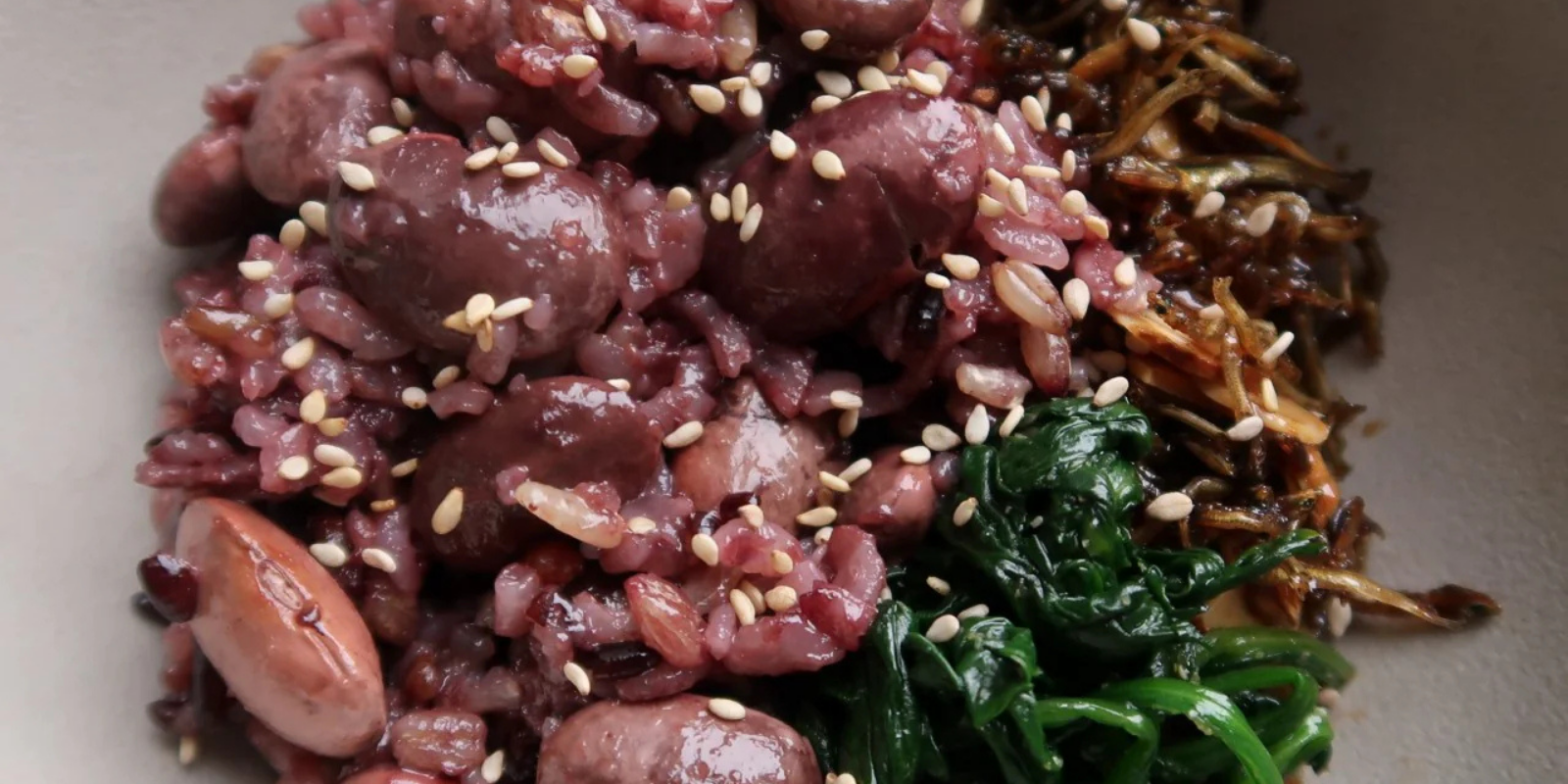
When the days are hot, we turn to the classics that satiate us without weighing us down. We teamed up with @everythingalexcooks to share her cherished kongbap recipe that does just that. In Korean, "kong" means beans and "bap" means rice, literally translating to bean rice. Combining our beans with three types of rice might seem ambitious, but Alex shows us how effortlessly satisfying it can be. Whip up some Korean banchan as an accompaniment. The best part? It makes for the most delicious leftovers!
What Is Kongbap?

Kongbap is a fundamental Korean dish, literally "bean rice", that combines beans with rice for a nutritious, satisfying, and traditionally significant meal. In Korean culture, eating beans with rice is believed to provide balanced nutrition and sustained energy, making it ideal for hot weather when heavy foods feel overwhelming.
The combination is "classics that satiate us without weighing us down", exactly what you want on hot summer days when you need nourishment but don't want to feel heavy or uncomfortably full.
The Star: Ayocote Morado Beans

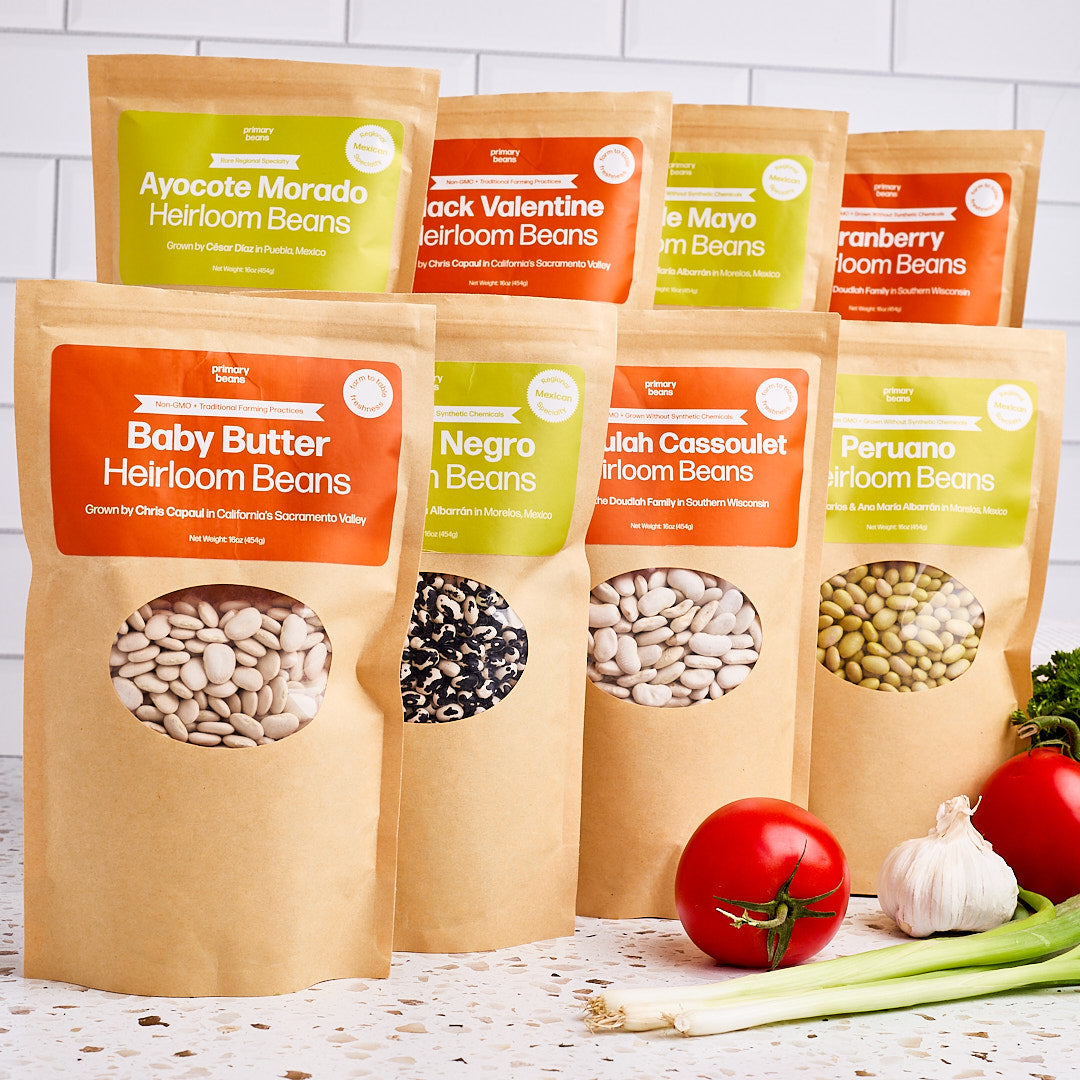
Let's talk about Ayocote Morado beans in this Korean application. These stunning purple-black heritage Mexican beans are among the largest bean varieties, with meaty texture and rich, earthy flavor.
What makes Ayocote Morado beans ideal for kongbap is their substantial size that makes them satisfying and visible in the rice, their meaty texture that provides protein-rich bites throughout the dish, and their rich flavor that stands up to the nutty rice varieties without being overwhelming.
When cooked with black glutinous rice and brown rice, these beans create a dish that's visually striking (purple-black beans among dark and light rice grains), nutritionally complete (beans + rice = complete protein), and deeply satisfying.
The Three Rice Varieties
The recipe uses three types of rice, which might seem "ambitious," but Alex demonstrates it's "effortlessly satisfying":
- Black glutinous rice (also called forbidden rice): Dramatic dark purple-black color, slightly sticky texture, nutty flavor
- Brown short-grain rice: Chewy texture, nutty flavor, nutritious bran layer intact
- White short-grain rice: Tender, slightly sticky, mild flavor
Together, these create textural and visual interest, different colors, different degrees of chewiness, different flavors all working together.
The Soaking Process
Add Ayocote Morado beans, black rice, and brown rice to a rice cooker bowl. Add enough water to cover by a few centimeters and soak for at least 12 hours.
This long soak is important for two reasons: it reduces cooking time for the beans and brown rice (which take longer than white rice), and it ensures everything cooks evenly in the rice cooker. As the recipe notes, "It really does not matter how much water you add at this point. You just want to add enough so that the beans and rice remain covered."
Plan ahead, start the soak the night before or in the morning if cooking for dinner.
The Rice Cooker Method
After soaking and draining, add the white rice to the bowl with the soaked beans and rice. Rinse everything together until the water runs mostly clear (3-4 times). This removes excess starch.
Then comes the key technique: add water so that when you flatten your palm on top of the rice and beans, the water just surpasses your second knuckle. This is a traditional Korean method for measuring water for rice, it accounts for the amount of rice while being intuitive rather than requiring precise measurement.
Cook in a rice cooker on the "brown/mixed rice" setting if available. The rice and beans should finish cooking within one hour.
The Korean Mixed Rice Option
The recipe includes a helpful note: Korean grocery stores sell pre-mixed bags of grains (called jabgokbap mix) that usually include sorghum, millet, oats, black rice, brown rice, and other grains. You can substitute this mixed rice for the brown and black rice called for in the recipe.
This pre-mixed option makes the recipe even easier and adds additional variety to the grain mix. Once cooked, this multigrain rice is called jabgokbap (잡곡밥).
The Simple Finishing
Serve with a drizzle of sesame oil and sprinkle of sesame seeds. These finishing touches are optional but traditional, the sesame oil adds nutty richness and glossy sheen, while the sesame seeds provide textural interest and additional nutty flavor.
The simplicity of the finishing reflects the dish's character, it's humble, wholesome food that doesn't need elaborate garnishes or sauces.
Serving with Banchan
The recipe notes that "Kongbap is best served with banchan or bibimbap!" Banchan are small side dishes that accompany Korean meals, kimchi, pickled vegetables, seasoned greens, etc.
The combination of plain kongbap with flavorful banchan is traditional and satisfying, the mild rice and beans provide the base, while the banchan add variety, flavor, and excitement. Alex (@everythingalexcooks) has banchan recipes if you need guidance.
Alternatively, use kongbap as the base for bibimbap, topping it with vegetables, egg, gochujang, and other traditional bibimbap components.
Perfect for Hot Weather
The description of this as something that "satiates us without weighing us down" when "the days are hot" is important. Kongbap is filling and nourishing but doesn't sit heavy in your stomach the way rich, fatty, or heavy foods do.
This makes it ideal for summer when you need energy but don't want to feel sluggish after eating.
The Best Leftovers
The recipe enthusiastically notes: "The best part? It makes for the most delicious leftovers!" Kongbap reheats beautifully and actually improves in some ways as the flavors meld.
Use leftover kongbap for:
- Reheated with fresh banchan
- Fried rice (kongbap bokkeum-bap)
- Rice balls (jumeok-bap) for portable lunches
- Base for grain bowls with vegetables and protein
Make a big batch and enjoy it throughout the week in different forms.
Alex's Cherished Recipe
The description of this as Alex's "cherished kongbap recipe" suggests this is a personal favorite, perhaps one passed down from family or developed through lots of practice. That personal connection shows in how the recipe is written, confident, straightforward, based on experience rather than theory.
Complete Protein
The combination of beans and rice creates complete protein, together they provide all nine essential amino acids that your body needs. This is why beans and rice combinations appear in cuisines worldwide, they're nutritionally smart and satisfying.
Kongbap exemplifies this principle while adding the nutritional benefits of brown and black rice (more fiber, vitamins, and minerals than white rice alone).
Cultural Significance
In Korean culture, eating multigrain rice with beans is considered healthful and traditional. It reflects Korean food philosophy's emphasis on balance, variety, and wholesome ingredients rather than rich sauces or elaborate preparations.
Kongbap is everyday food, but it's also special, nutritious, satisfying, and connected to cultural food wisdom passed down through generations.
Effortlessly Satisfying
The phrase "effortlessly satisfying" perfectly captures kongbap's appeal. Despite seeming ambitious (three types of rice plus beans!), it's actually simple, soak, rinse, cook in a rice cooker, done. No complicated techniques, no constant monitoring, just patient soaking and hands-off cooking.
Yet the result is deeply satisfying, textural variety, visual beauty, nutritional completeness, and flavors that work beautifully with Korean banchan.
*A Note On Our Recipes:
Every recipe here was developed and tested using farm-fresh beans from Foodocracy and Primary Beans. Older beans, anything past a year in your pantry or beans from other sources may need more coaxing. Give them a soak and add extra cooking time, and they'll get there eventually.

Related Recipes



The Heirloom Bean + Grain club
Learn More
Get impossible to find beans and grains shipped direct to your doorstep each month from small family farms.


Support small family farms
Shop Now
We support small, family owned farms across the nation. Did you know that farmers only make an average of 10 cents on every dollar you spend at the supermarket? Working directly with farms and not middle men ensures that more money goes back to the people actually growning your food.
Kongbap (Korean Rice And Beans)
Korean
Main Course
When the days are hot, we turn to the classics that satiate us without weighing us down. We teamed up with @everythingalexcooks to share her cherished kongbap recipe that does just that. In Korean, "kong" means beans and "bap" means rice, literally translating to bean rice. The best part? It makes for the most delicious leftovers!
Featured bean: Ayocote Morado
Other beans to try: Chaparro

Ingredients
- ½ cup Ayocote Morado beans, dry
- 2 tbsp black glutinous rice (also called forbidden rice), dry
- ½ cup brown, short grain rice, dry
- ½ cup white, short grain rice, dry
Directions
Add beans, black rice, and brown rice to the bowl of a rice cooker. Add enough water so that the water covers the beans and rice by a few centimeters. Soak in water for at least 12 hours. It really does not matter how much water you add at this point. You just want to add enough so that the beans and rice remain covered.
Pour water out, and add white rice to the bowl. Rinse rice until water runs mostly clear (3-4 times).
Add enough water so that when you flatten your palm on top of the rice and beans, the water just surpasses your second knuckle.
Cook in a rice cooker (on "brown/mixed rice" setting, if included). The rice and beans should finish cooking within one hour.
Serve with a drizzle of sesame oil and sprinkle of sesame seeds.