



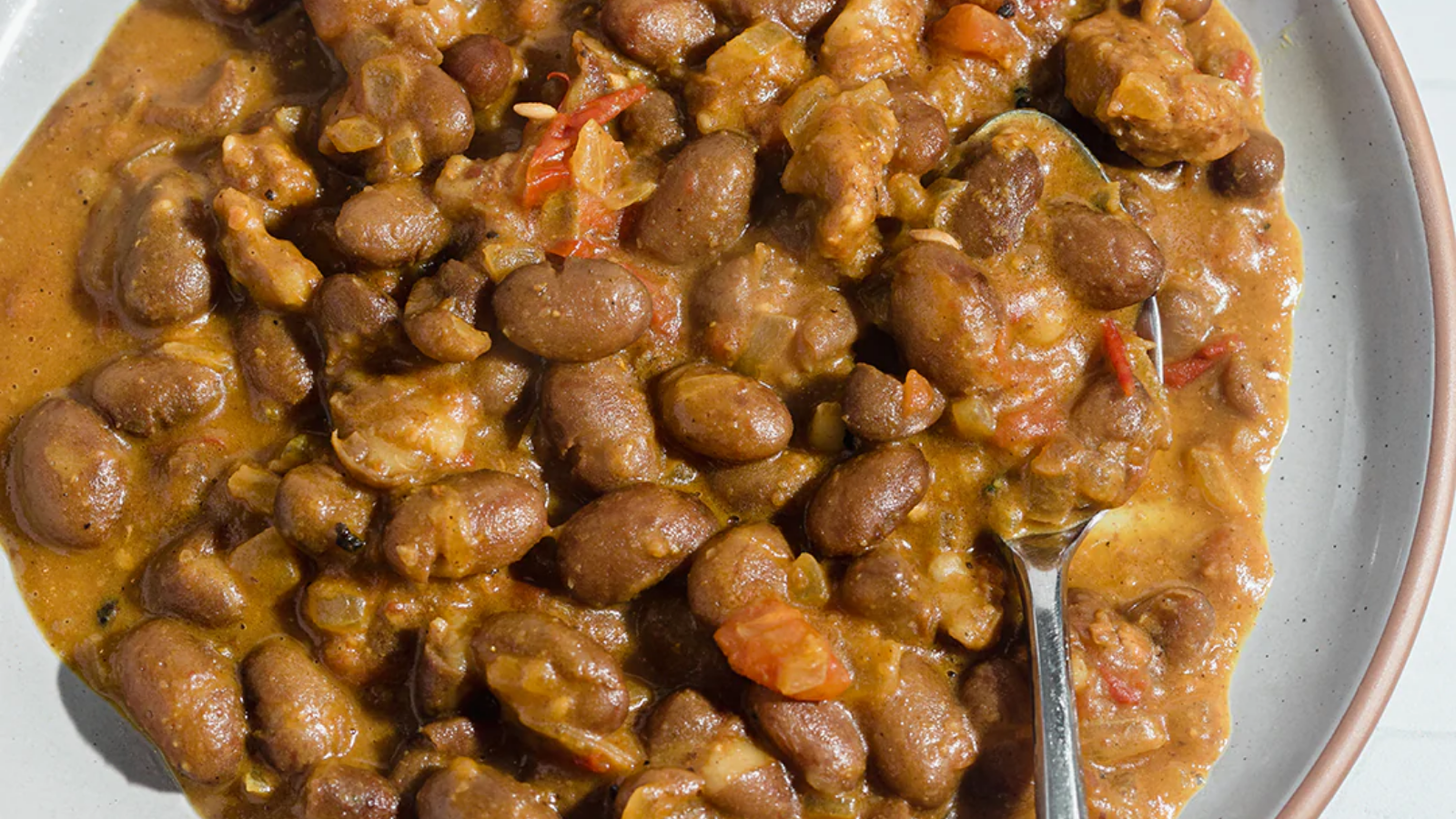

Kenyan Kunde-Inspired Beans In A Peanut-Tomato Sauce
Creator notes
Why I love this: Hawa Hassan's cookbook, In Bibi's Kitchen, features a diverse selection of recipes, interviews, and stories from grandmothers across the African continent. One of the cookbook's simplest but most delicious recipes is kunde, a Kenyan dish featuring black-eyed peas cooked in a peanut-tomato sauce. This recipe, adapted from the kunde recipe, swaps out the black-eyed peas for cranberry beans and comes together in a snap. – Karishma Pradhan, founder, Home Cooking Collective
As seen in 1 pot of beans, 5 ways to dress them up.
What Is Kunde?

Kunde is a traditional Kenyan dish featuring black-eyed peas (or cowpeas) cooked in a peanut-tomato sauce. It's everyday food in many East African households, simple, nourishing, affordable, and deeply flavorful despite minimal ingredients.
The dish exemplifies how peanuts (groundnuts) are used throughout African cooking to add richness, protein, and distinctive flavor to stews and sauces. Combined with tomatoes and warm spices, peanuts create a sauce that's earthy, slightly sweet, and incredibly satisfying.
The In Bibi's Kitchen Connection
This recipe is adapted from Hawa Hassan's cookbook "In Bibi's Kitchen," which Karishma describes as featuring "a diverse selection of recipes, interviews, and stories from grandmothers across the African continent."
The cookbook celebrates the culinary wisdom of African grandmothers (bibi means grandmother in Swahili), honoring traditional foodways and the women who preserve them. Kunde is noted as "one of the cookbook's simplest but most delicious recipes", proof that complexity isn't necessary for food to be memorable.
The Adaptation
Karishma's version swaps black-eyed peas for Cranberry beans, demonstrating how traditional techniques and flavor combinations work across different bean varieties. The fundamental concept, beans in peanut-tomato sauce with warm spices, remains the same while using what's available or preferred.
This kind of thoughtful adaptation respects the original while making it accessible and relevant to different contexts.
The Star: Cranberry Beans

Let's talk about Cranberry beans in this East African-inspired preparation. These medium-sized beans with mottled coloring have a velvety texture and slightly buttery, earthy flavor that works beautifully with the peanut-tomato sauce.
What makes Cranberry beans ideal for this kunde adaptation is their creamy texture that becomes even more luxurious in the peanut sauce, their earthy flavor that complements the peanuts naturally, and their substantial size that makes them satisfying as the centerpiece of the dish.
When simmered in peanut-tomato sauce with turmeric and coriander, these beans absorb the warm spices and nutty richness, creating something that's both comforting and distinctively flavored.
Our Cranberry beans come from Mark Doudlah at Doudlah Farms in Wisconsin. Mark is a 6th generation farmer who transformed his family's conventional farm into a certified regenerative organic operation. Learn more about Mark and Doudlah Farms.
The Simple Technique
The technique is straightforward, which is part of kunde's appeal. Heat neutral oil in a sauté pan and cook diced onion until translucent. This creates the aromatic base.
Stir in ground turmeric and ground coriander. These warm spices are fundamental to the dish's character, turmeric adds earthy, slightly bitter notes and golden color, while coriander provides citrusy, floral aromatics.
Add diced ripe tomato and cook until the water evaporates and the tomato breaks down into a sauce-like consistency. This concentration is important, you want a thick, flavorful tomato base, not watery tomatoes.
The Peanut Addition
Add the cooked beans, some of their cooking broth, and peanut butter (or finely ground peanuts with a sand-like texture). Simmer for a few minutes to let everything meld.
The peanut butter dissolves into the sauce, creating a rich, creamy, nutty coating for the beans. The bean broth helps thin the peanut butter to the right consistency and adds additional bean flavor.
Season with salt to taste. The dish should be well-seasoned, earthy from the peanuts, warm from the spices, and slightly sweet from the tomatoes.
About the Peanuts
The recipe offers two options: peanut butter or "finely ground peanuts resembling the texture of sand." The ground peanuts are more traditional, in East African cooking, peanuts are often ground fresh to a coarse texture rather than processed into smooth butter.
If using ground peanuts, pulse roasted unsalted peanuts in a food processor until they reach a sandy, coarse texture, not smooth butter, not whole nuts, but somewhere in between.
If using peanut butter, natural unsweetened peanut butter works best. Avoid peanut butter with added sugar or oils, which would alter the dish's character.
The Flavor Profile
The combination of peanut, tomato, turmeric, and coriander creates a flavor profile that's:
- Earthy: From peanuts and turmeric
- Warm: From coriander and turmeric
- Slightly sweet: From tomatoes
- Nutty: From peanuts
- Savory: From onions and salt
It's comforting and distinctive, once you taste it, you understand why this simple dish has been made for generations.
Serving with Rice
The recipe suggests serving with white rice "for a complete meal." This is traditional, kunde is typically eaten with rice, ugali (cornmeal porridge), or chapati (flatbread). The starchy accompaniment absorbs the flavorful peanut sauce and provides substance.
The combination of beans and rice also creates complete protein, making this a nutritionally balanced vegetarian meal.
Part of a Meal Prep Series
This recipe appears in "1 pot of beans, 5 ways to dress them up", Karishma's guide to cooking beans once and transforming them into multiple dishes. Kunde-inspired beans are perfect for this strategy because they come together quickly (15 minutes with cooked beans) using pantry ingredients.
Cook a pot of beans on Sunday, and throughout the week you can make this dish in the time it takes to cook rice.
Comes Together in a Snap
As Karishma notes, this recipe "comes together in a snap." With cooked beans ready, you're looking at about 15 minutes of active cooking, sauté onions, add spices, add tomatoes, add beans and peanut butter, simmer briefly, done.
This speed makes it perfect for weeknight cooking when you want something flavorful and satisfying without spending an hour in the kitchen.
Cultural Appreciation
This recipe represents thoughtful cultural appreciation, Karishma learned about kunde from Hawa Hassan's cookbook celebrating African grandmothers' cooking, adapted it using different beans while respecting the fundamental flavors and techniques, and shares it with attribution and context.
This is how culinary traditions spread and evolve, through respectful sharing, thoughtful adaptation, and acknowledgment of origins.
A Window into East African Cooking
For people unfamiliar with East African cuisine, this recipe is an accessible introduction to some of its characteristic flavors, the use of peanuts in savory dishes, the combination of warm spices, the simple but effective cooking techniques.
It's a reminder that delicious food exists in every culinary tradition, and exploring beyond familiar cuisines opens up whole worlds of flavor and technique.
Simple but Delicious
The description of kunde as "one of the cookbook's simplest but most delicious recipes" is a powerful endorsement. Sometimes the simplest recipes are the most memorable, they rely on quality ingredients and proper technique rather than complexity or extensive ingredient lists.
This recipe proves that point: onion, spices, tomato, beans, peanut butter, yet the result is something you'll want to make repeatedly.
*A Note On Our Recipes:
Every recipe here was developed and tested using farm-fresh beans from Foodocracy and Primary Beans. Older beans, anything past a year in your pantry or beans from other sources may need more coaxing. Give them a soak and add extra cooking time, and they'll get there eventually.

Related Recipes


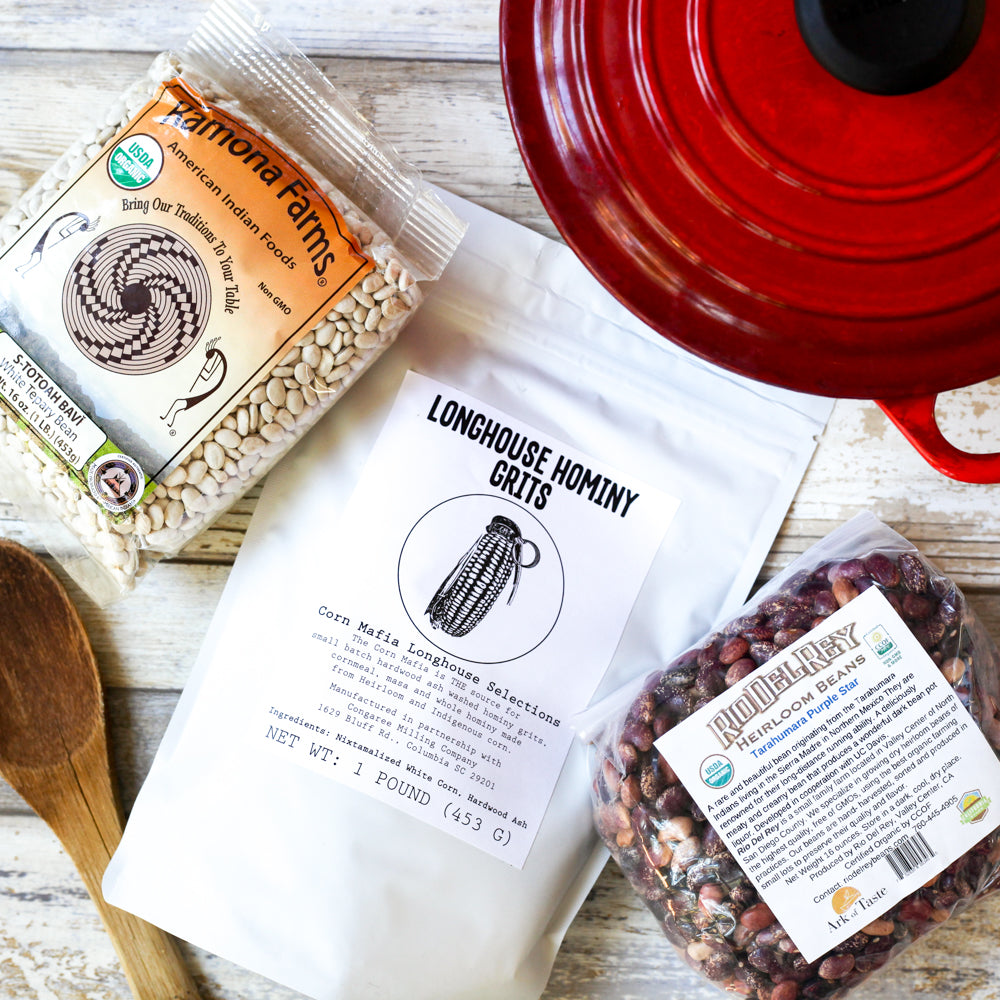

The Heirloom Bean + Grain club
Learn More
Get impossible to find beans and grains shipped direct to your doorstep each month from small family farms.


Support small family farms
Shop Now
We support small, family owned farms across the nation. Did you know that farmers only make an average of 10 cents on every dollar you spend at the supermarket? Working directly with farms and not middle men ensures that more money goes back to the people actually growning your food.
Kenyan Kunde-Inspired Beans In A Peanut-Tomato Sauce
East African-Inspired
Main Course
Creator notes Hawa Hassan's cookbook, In Bibi's Kitchen, features a diverse selection of recipes, interviews, and stories from grandmothers across the African continent. One of the cookbook's simplest but most delicious recipes is kunde—a Kenyan dish featuring black-eyed peas cooked in a peanut-tomato sauce. This recipe swaps out the black-eyed peas for cranberry beans and comes together in a snap. – Karishma Pradhan, founder, Home Cooking Collective
As seen in 1 pot of beans, 5 ways to dress them up.
Featured bean: Cranberry

Ingredients
- 2 tbsp neutral oil
- 1 onion, diced
- 1 tsp ground turmeric
- 1 tsp ground coriander
- 1 ripe tomato, diced
- ½ lb dried Cranberry beans, cooked according to the Primary Beans Cooking Guide
- A couple spoonfuls of peanut butter (or finely ground peanuts resembling the texture of sand)
- Salt
Directions
In a sauté pan, heat oil and cook onion until translucent. Stir in turmeric and coriander. Add tomato, and cook until the water evaporates. Add the beans, some broth, and the peanut butter (or ground peanuts), and simmer for a few minutes. Season with salt.