



Feast For The Future Brothy Beans
In May of 2024, Primary Beans, Seattle's Bake Shop, creative studio a big idea, and Dana Cowin's Progressive Hedonist joined forces for a delicious feast and inspiring conversation around the relationship between caring for ourselves and the earth. Together, we celebrated the possibilities that open up when we realize that we don't have to choose between our own joy and prosperity and caring for the planet.
Our brothy Orca beans received rave reviews all night, so we wanted to share the recipe for you to enjoy. To continue the ethos of the event, we ask that you consider doing a little bit of reflecting while you eat your beans: What's one action or ritual you can integrate to deepen your connection to the planet?
The Feast for the Future

This recipe comes from a special event celebrating a powerful idea: we don't have to choose between our own joy and prosperity and caring for the planet. The "Feast for the Future" brought together Primary Beans, Seattle's Bake Shop (known for exceptional bread), creative studio a big idea, and Dana Cowin's Progressive Hedonist to explore how eating well and caring for the earth can be the same thing, not opposing goals.
The concept of "progressive hedonism" is about pursuing pleasure and joy in ways that also support sustainability, equity, and care for the planet. It's eating delicious food made from ingredients grown regeneratively. It's finding delight in beans cooked simply with quality aromatics. It's realizing that the most pleasurable food often comes from the most sustainable practices.
The Star: Orca Beans
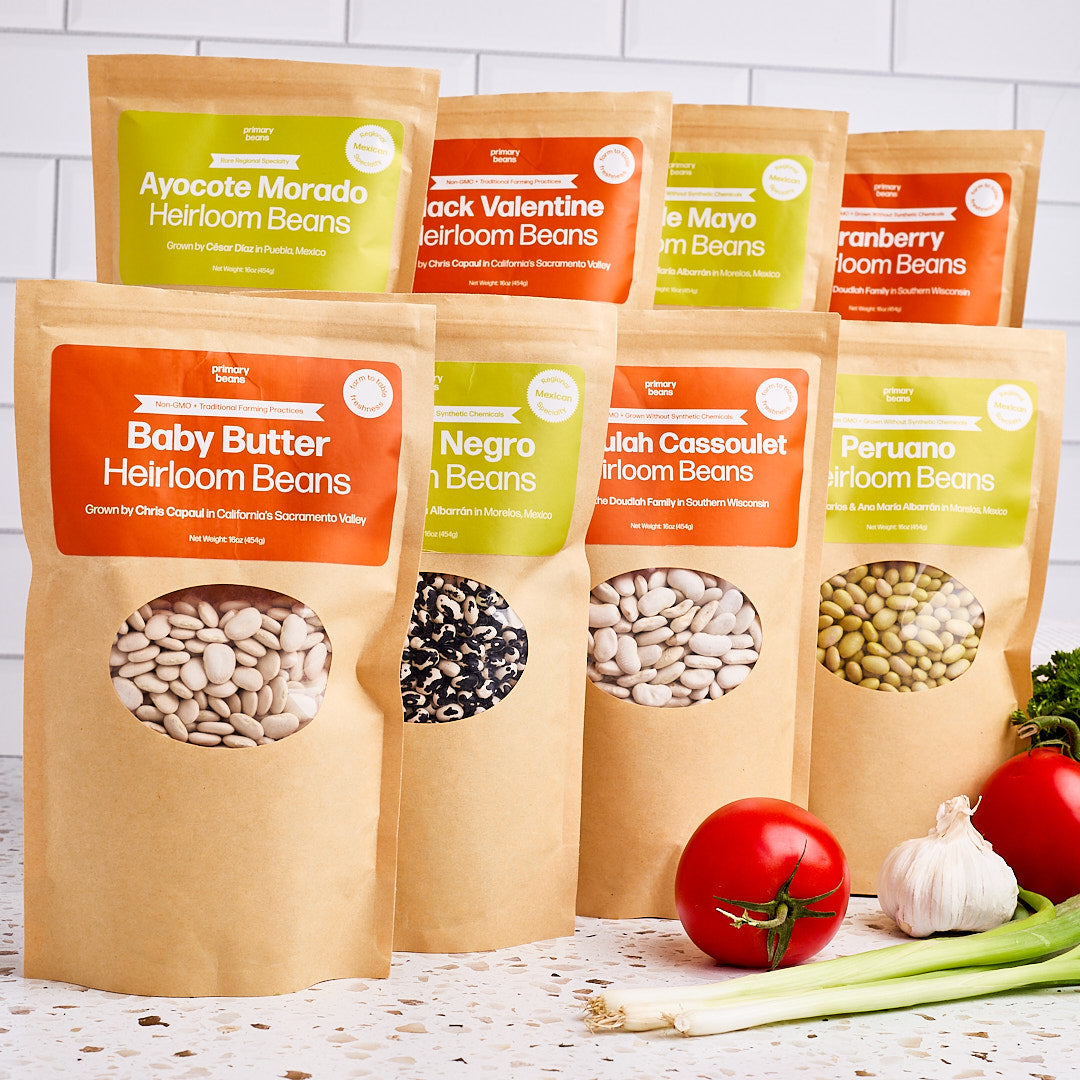
Let's talk about Orca beans, stunning black and white beans that look like tiny orcas (hence the name). These small, dense beans have a rich, almost meaty flavor and hold their shape beautifully when cooked, making them perfect for brothy preparations where you want distinct beans rather than mush.
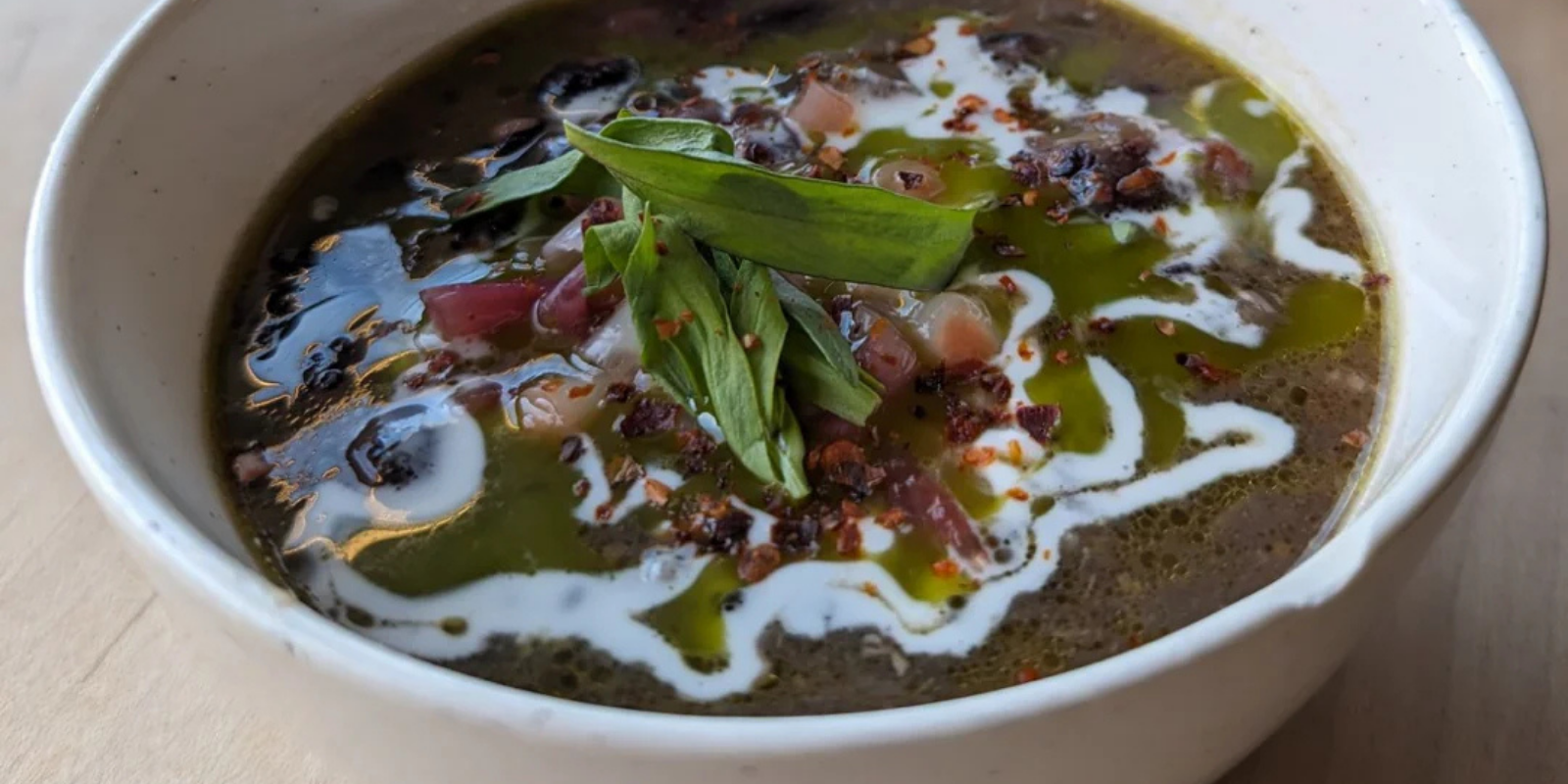
What makes Orca beans ideal for this brothy preparation is their firm texture that stays intact through cooking, their rich flavor that stands up to Parmesan rinds and aromatics, and their striking appearance, black and white beans in golden broth with herbs and vegetables look beautiful and inviting.
When cooked with Parmesan rinds, leeks, fennel, and celery, these beans create a broth that's rich, savory, and deeply satisfying, the kind of simple food that nourishes both body and soul.
The Parmesan Rinds
Parmesan rinds are a secret weapon in Italian cooking, the hard, cheesy rinds that you'd otherwise throw away actually contain incredible umami and savory flavor. When simmered with beans, they infuse the broth with a rich, cheesy, savory quality that's subtle but essential.
Using 2-3 large chunks of Parm rinds creates a broth that's almost creamy without adding any cream, deeply flavored without being heavy. It's a perfect example of using what might be "waste" to create something delicious, exactly the kind of thoughtful cooking that aligns with caring for the planet.
Save your Parmesan rinds in the freezer whenever you finish a piece of Parm, and use them in bean soups, risotto, or any brothy dish that could benefit from umami depth.
The Aromatic Vegetables
The beans cook with carefully chosen vegetables that build flavor:
- Leek (white and light green parts, thinly sliced): Mild, sweet onion flavor
- Celery (chopped): Aromatic, slightly bitter, classic in beans
- Fennel (chopped): Subtle anise flavor, sweet when cooked
Together, these create a refined, slightly Italian-leaning flavor profile that's aromatic without being overwhelming. The fennel is particularly nice, its gentle anise quality adds complexity without being assertive.
These vegetables aren't just for flavor, they also become part of the finished dish, adding texture and visual interest to the brothy beans.
The Simple Technique
The technique is beautifully simple: cook the beans with the Parm rinds, vegetables, salt, and olive oil according to the Primary Beans cooking guide. That's it. Everything goes in together and simmers until the beans are tender.
This one-pot approach allows all the flavors to meld as the beans cook. The Parmesan rinds infuse the broth, the vegetables soften and contribute their flavors, the olive oil adds richness, and the beans become tender while absorbing everything.
When done, add lemon juice (which brightens everything and balances the rich, savory flavors), adjust salt to taste, and serve.
The Finishing Touches
The optional toppings transform good beans into something special:
- Crème fraîche: Tangy, creamy richness
- Herb oil: Vibrant green color, fresh herb flavor
- Fresh tarragon: Anise-like, aromatic, slightly peppery
- Lightly pickled vegetables: Acidity, crunch, color
- Chile flakes: Heat and complexity
These aren't required, but they add layers of flavor, texture, and visual appeal. Set them out and let people customize their bowls.
The Sourdough Companion
Fresh sourdough bread is essential, you need it to soak up that incredible Parmesan-infused broth. Seattle's Bake Shop provided bread for the original feast, and their participation makes sense. Good bread is the perfect partner for brothy beans, turning soup into a complete, satisfying meal.
The combination of beans, flavorful broth, good bread, and thoughtful toppings creates something that's both simple and celebratory, exactly right for a feast that honors pleasure and sustainability together.
The Reflective Eating Prompt
The recipe includes a beautiful prompt: "To continue the ethos of the event, we ask that you consider doing a little bit of reflecting while you eat your beans: What's one action or ritual you can integrate to deepen your connection to the planet?"
This transforms eating from a purely physical act into something more thoughtful and intentional. As you eat these beans, made from ingredients grown regeneratively, cooked simply to highlight quality rather than hide deficiencies, enjoyed with good bread and company, you're invited to think about how your food choices connect you to the earth.
Maybe that action is buying dried beans instead of canned. Maybe it's shopping at farmers markets. Maybe it's cooking more at home. Maybe it's composting. Maybe it's supporting regenerative agriculture by choosing brands like Primary Beans that prioritize soil health and farming practices.
The point isn't to be perfect or to add guilt to eating. The point is to recognize that eating thoughtfully can be both pleasurable and planet-caring, progressive hedonism in action.
Rave Reviews
The recipe notes that these beans "received rave reviews all night" at the feast. This makes sense, they're delicious, they're beautiful, they're satisfying, and they embody the event's ethos perfectly. Simple, quality ingredients prepared with care create food that's both joyful and sustainable.
A Recipe and a Philosophy
This recipe is more than just instructions for cooking beans. It's an invitation to think about how we eat, why we eat, and what our food choices mean for ourselves and the planet. It's proof that beans, humble, affordable, sustainable, can be the centerpiece of a feast, can receive rave reviews, can bring people together in celebration and conversation.
It's a reminder that caring for ourselves and caring for the planet don't have to be separate goals, they can be the same thing, expressed through thoughtful eating and joyful cooking.
*A Note On Our Recipes:
Every recipe here was developed and tested using farm-fresh beans from Foodocracy and Primary Beans. Older beans, anything past a year in your pantry or beans from other sources may need more coaxing. Give them a soak and add extra cooking time, and they'll get there eventually.

Related Recipes



The Heirloom Bean + Grain club
Learn More
Get impossible to find beans and grains shipped direct to your doorstep each month from small family farms.

Support small family farms
Shop Now
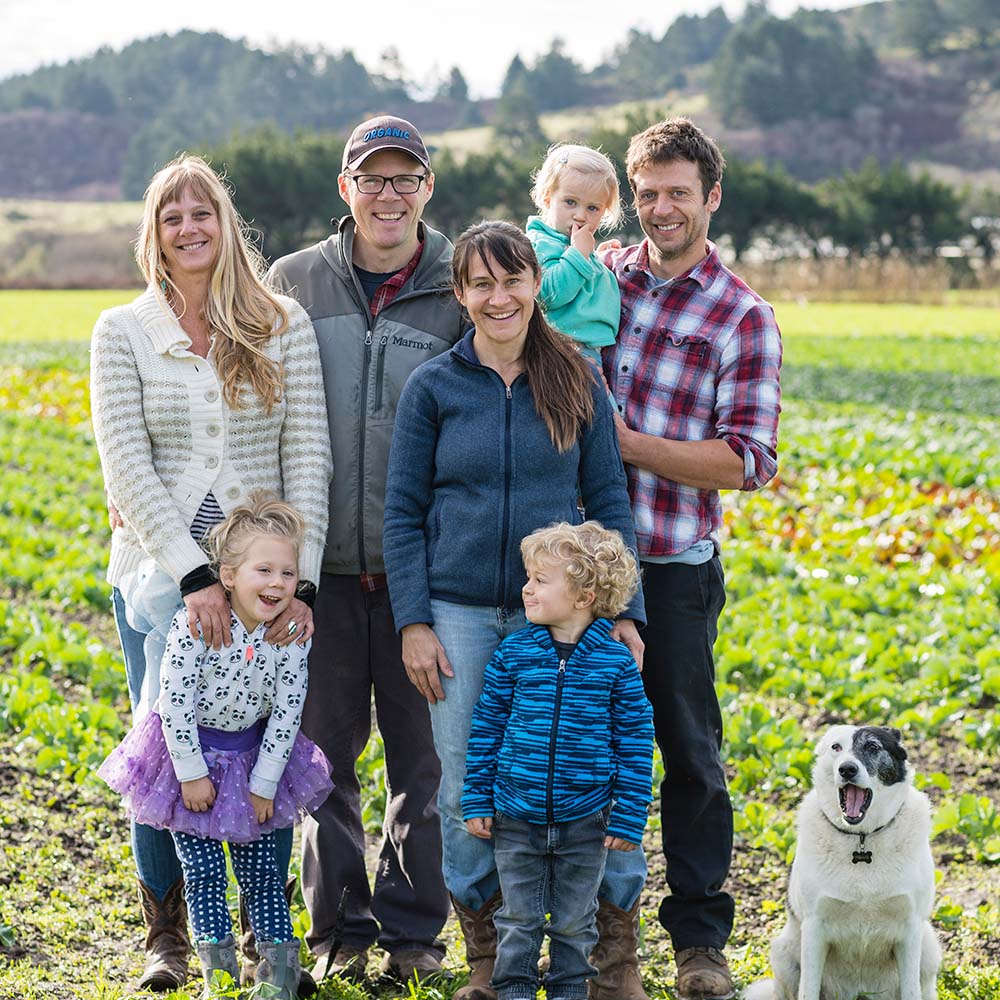
We support small, family owned farms across the nation. Did you know that farmers only make an average of 10 cents on every dollar you spend at the supermarket? Working directly with farms and not middle men ensures that more money goes back to the people actually growning your food.
Feast For The Future Brothy Beans
American
Main Course
In May of 2024, Primary Beans, Seattle's Bake Shop, creative studio a big idea, and Dana Cowin's Progressive Hedonist joined forces for a delicious feast and inspiring conversation around the relationship between caring for ourselves and the earth.
Our brothy Orca beans received rave reviews all night, so we wanted to share the recipe for you to enjoy. To continue the ethos of the event, we ask that you consider doing a little bit of reflecting while you eat your beans: What's one action or ritual you can integrate to deepen your connection to the planet?
Featured bean: Orca
Other beans to try: Southwest Red, Cranberry, Ayocote Morado

Ingredients
- 1 lb Orca beans
- 2-3 Parm rinds (large chunks)
- 1 leek, white and light green parts, thinly sliced
- 2 stalks celery, chopped
- 1 bulb fennel, chopped
- 4 tbsp olive oil
- 1½ tsp salt + more to taste
- 1 tbsp lemon juice
- Optional toppings: crème fraîche, herb oil, fresh tarragon, lightly pickled veggies, chile flakes
- Fresh sourdough bread, for serving
Directions
Prepare the beans: Cook beans with Parm rinds, vegetables, salt, and olive oil according to the Primary Beans cooking guide.
Adjust seasoning and serve: When done, add lemon juice, adjust salt level if needed. Top with toppings of your choice and enjoy with fresh sourdough bread!