



Comfort Minestrone
Creator notes
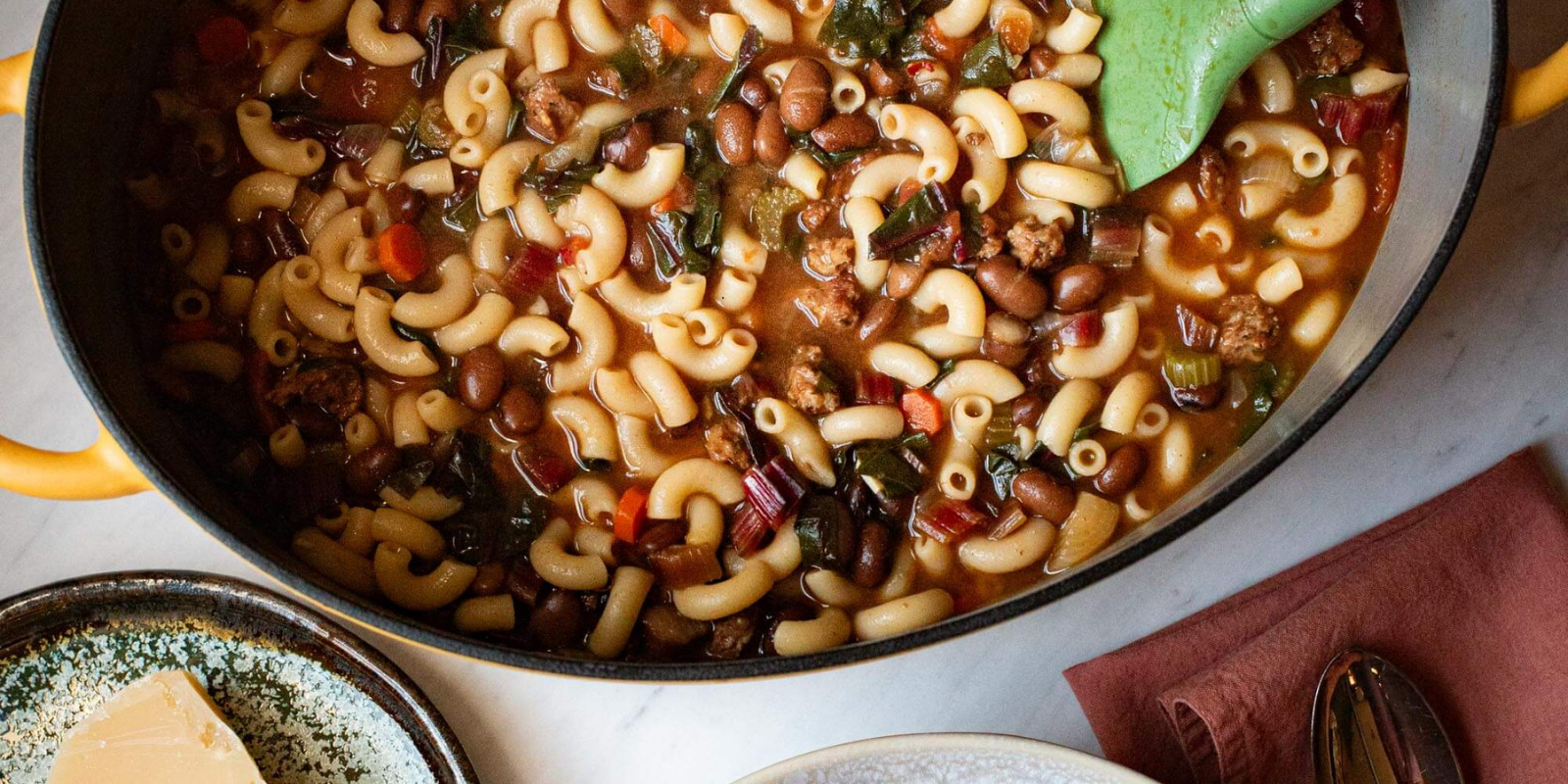
Minestrone has stood the test of time in Italian kitchens for a reason, it's vegetable-heavy yet indulgent and complex. All you need is the veggies you have access to at the moment and a few quality pantry ingredients to create that long-simmered vibe with minimal effort. My keys to the richness? From-scratch beans in their broth, high quality stock, and pasta cooked right in the pot. I also like the depth of flavor Italian sausage adds, but it can be made vegetarian or vegan with only a few simple substitutions. – Lesley
Why This Recipe Works

What makes Lesley's minestrone so successful is how it creates "that long-simmered vibe with minimal effort." The secret is in her three keys to richness: from-scratch beans in their broth (which adds body and flavor that canned beans can't provide), high-quality stock (homemade bone broth is ideal), and cooking the pasta directly in the soup (so it absorbs the flavors and releases starch that thickens the broth).
It's described as "vegetable-heavy yet indulgent and complex," which perfectly captures minestrone's appeal, it's packed with vegetables and feels virtuous, yet it's rich, satisfying, and deeply flavored.
The Star: Ojo de Cabra Beans
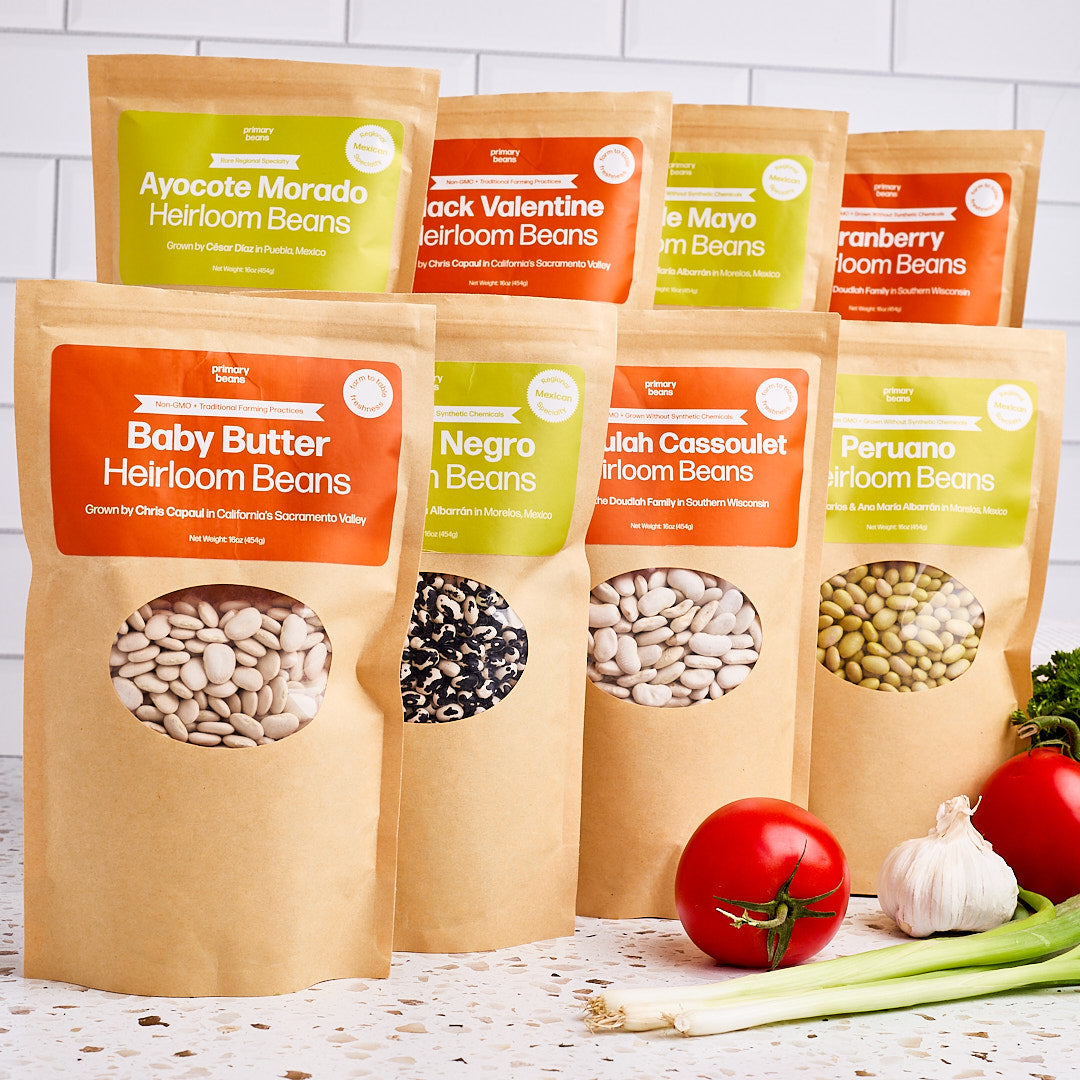
Let's talk about Ojo de Cabra beans, "goat's eye" beans named for their distinctive speckled appearance. These medium-sized beans from Northern Mexico are a meaty favorite with firm texture that holds up beautifully through long simmering in soup.
What makes Ojo de Cabra beans ideal for minestrone is their meaty, substantial texture that stands up to the rich broth without falling apart, their firm exterior and creamy interior that creates satisfying bites throughout the soup, and the flavorful broth they create when cooked with aromatics.
When cooked from scratch with thyme, rosemary, and bay leaf, these beans create a rich, flavorful cooking liquid that becomes the foundation of the soup's body and depth.
The Aromatic Bean Cooking
The beans cook with aromatics from the start: a couple sprigs of thyme and rosemary, plus a bay leaf. This infuses the beans and their cooking liquid with herbal flavors that will carry through the entire soup.
Cook the beans according to the Primary Beans cooking guide in your vessel of choice (pressure cooker is mentioned, but stovetop or Instant Pot work too). Once tender, remove the aromatics but keep the beans in their flavorful broth, this broth is liquid gold for the soup.
The Italian Sausage
Spicy Italian sausage adds significant depth of flavor and richness. Remove from casings, break apart, and brown in olive oil in a large Dutch oven or heavy-bottomed pot. The rendered sausage fat becomes part of the soup's flavor base.
Lesley notes that while she likes "the depth of flavor Italian sausage adds," the soup "can be made vegetarian or vegan with only a few simple substitutions." Skip the sausage and use vegetable stock instead of bone broth, and you have a vegan minestrone that's still rich and satisfying thanks to the from-scratch beans.
The Vegetable Foundation
After browning the sausage, the classic Italian soffritto vegetables go in: diced onion, carrot, and celery. Cook until soft, building the aromatic base. Then add the diced Swiss chard stems (reserving the leaves for later) and chopped garlic, sautéing another couple of minutes.
Season with smoked paprika (which adds depth and subtle smokiness), salt, and pepper. This layered cooking builds complexity, each ingredient gets its moment to develop flavor.
The Swiss Chard Technique
Swiss chard appears twice in different forms: the stems get diced and added early (they're tougher and need more cooking), while the coarsely chopped leaves get stirred in at the end with the pasta (they're tender and cook quickly).
This technique ensures both parts of the chard are properly cooked, stems tender, leaves wilted but not overcooked. It's smart cooking that respects the different textures of the vegetable.
The Tomato Addition
Canned whole peeled tomatoes with their juice get added and crushed by hand. Crushing by hand creates irregular pieces with varied texture, some large chunks, some smaller bits, some almost puréed, which is more interesting than uniform diced tomatoes.
The tomato juice adds acidity and body to the soup, plus essential tomato flavor that characterizes minestrone.
The Simmering Stage
Add the cooked beans with some of their flavorful broth, the stock (homemade bone broth is ideal, but quality store-bought works), and a Parmigiano Reggiano rind if you have one.
The Parmesan rind is optional but excellent, it adds umami depth and subtle cheesy flavor without making the soup taste overly cheesy. Save your Parmesan rinds in the freezer for exactly this kind of application.
Simmer everything for about 20 minutes to let the flavors meld. This is when the soup comes together, the vegetables soften further, the beans absorb the tomato and stock flavors, and everything harmonizes.
Cooking Pasta in the Soup
The pasta gets cooked directly in the soup rather than separately. This is traditional for minestrone and serves multiple purposes: the pasta absorbs the soup's flavors rather than just water, the starch released from the pasta thickens the soup naturally, and it saves you from dirtying another pot.
Use high-quality pasta in a bite-sized shape, macaroni, conchiglie (shells), or ditalini. Bronze-extruded pasta (which has a rough surface) is ideal because it holds sauce better and releases more starch.
Stir in the pasta and the chopped Swiss chard leaves together. Cook, stirring occasionally, until the pasta is al dente. Watch carefully to avoid overcooking, overcooked pasta in soup is mushy and unpleasant.
You may need to add water if the soup gets too thick. Minestrone should be stewlike but not so thick that the spoon stands up in it.
Serving
Season with final salt and pepper adjustments, then serve immediately with grated Parmigiano Reggiano and more good olive oil drizzled on top.
The olive oil at the end is traditional and important, it adds richness and brings all the flavors together. Use your good stuff.
The Vegetarian/Vegan Options
As Lesley notes, the soup can easily become vegetarian or vegan:
- Vegetarian: Omit sausage, use vegetable stock instead of bone broth, keep the Parmesan
- Vegan: Omit sausage, use vegetable stock, skip the Parmesan rind and final Parmesan
The from-scratch beans and their flavorful broth provide enough richness that the soup remains satisfying even without meat or cheese.
The Flexibility
Lesley emphasizes that "all you need is the veggies you have access to at the moment." Minestrone is endlessly adaptable, add zucchini, green beans, potatoes, cabbage, kale, spinach, whatever you have. The formula (beans + vegetables + tomatoes + stock + pasta) accommodates variations while maintaining the essential character.
This flexibility makes minestrone perfect for using up vegetables and creating something delicious from what you have rather than shopping for a specific ingredient list.
Comfort Food
The title "Comfort Minestrone" is apt. This is soup that feels like a warm hug, nourishing, satisfying, the kind of food that makes you feel cared for. It's substantial enough to be a meal, yet it's full of vegetables so it feels wholesome.
Make a big pot, enjoy some fresh with crusty bread, and keep the rest for easy meals throughout the week.
*A Note On Our Recipes:
Every recipe here was developed and tested using farm-fresh beans from Foodocracy and Primary Beans. Older beans, anything past a year in your pantry or beans from other sources may need more coaxing. Give them a soak and add extra cooking time, and they'll get there eventually.

Related Recipes



The Heirloom Bean + Grain club
Learn More
Get impossible to find beans and grains shipped direct to your doorstep each month from small family farms.


Support small family farms
Shop Now
We support small, family owned farms across the nation. Did you know that farmers only make an average of 10 cents on every dollar you spend at the supermarket? Working directly with farms and not middle men ensures that more money goes back to the people actually growning your food.
Comfort Minestrone
Italian
Main Course
Creator notes Minestrone has stood the test of time in Italian kitchens for a reason, it's vegetable-heavy yet indulgent and complex. My keys to the richness? From-scratch beans in their broth, high quality stock, and pasta cooked right in the pot. I also like the depth of flavor Italian sausage adds, but it can be made vegetarian or vegan with only a few simple substitutions. – Lesley
Featured bean: Ojo de Cabra
Other beans to try: Bayo, Sangre de Toro

Ingredients
- ½ lb dried meaty firm beans like Ojo de Cabra, Bayo, or Sangre de Toro
- A couple sprigs of thyme and rosemary and bay leaf (for flavoring beans)
- 2 links spicy Italian sausage
- Extra virgin olive oil, plus more for serving
- ½ large white onion, diced
- 1 large carrot, diced
- 1 celery, diced
- 2 cloves garlic, chopped
- 1 bunch Swiss Chard, stems diced and set aside, leaves coarsely chopped
- 1 tsp smoked paprika
- Coarse salt and freshly ground pepper
- 14.5 oz can whole peeled tomatoes with juice
- 2 cups homemade or store bought bone broth (chicken or beef work well), or water
- Parmigiano Reggiano rind (optional)
- ½ lb high quality pasta in a bite sized shape like macaroni, conchiglie, or ditalini (preferably bronze extruded)
- Grated Parmigiano Reggiano, for serving
Directions
Prepare the beans: Combine beans and flavorings in a pressure cooker (or cooking vessel of your choice). Cover with water and cook according to our bean cooking guide. Once tender, remove aromatics and set aside in their broth.
Cook veggies and sausage: Remove sausage from casings, break apart, and brown in a large Dutch oven or heavy-bottomed pot with a drizzle of olive oil. Once sausage is cooked, add chopped onions, carrots, and celery and cook until soft. Add chard stalks and garlic and sauté another couple of minutes. Season with paprika, salt, and pepper.
Simmer tomatoes and beans: Add tomatoes and their juice, crushing with your hands. Stir in cooked beans with some of their broth, stock, and Parmigiano Reggiano rind (if using). Simmer about 20 minutes to let the flavors meld.
Cook pasta and chard: Stir in pasta and chopped chard leaves and cook, stirring occasionally until pasta is al dente, taking care to not overcook. (You may need to add a little water if the soup gets too thick). Season with salt and pepper and serve immediately with grated Parmesan and more olive oil.