



Italian-Style Beans And Greens
Creator notes
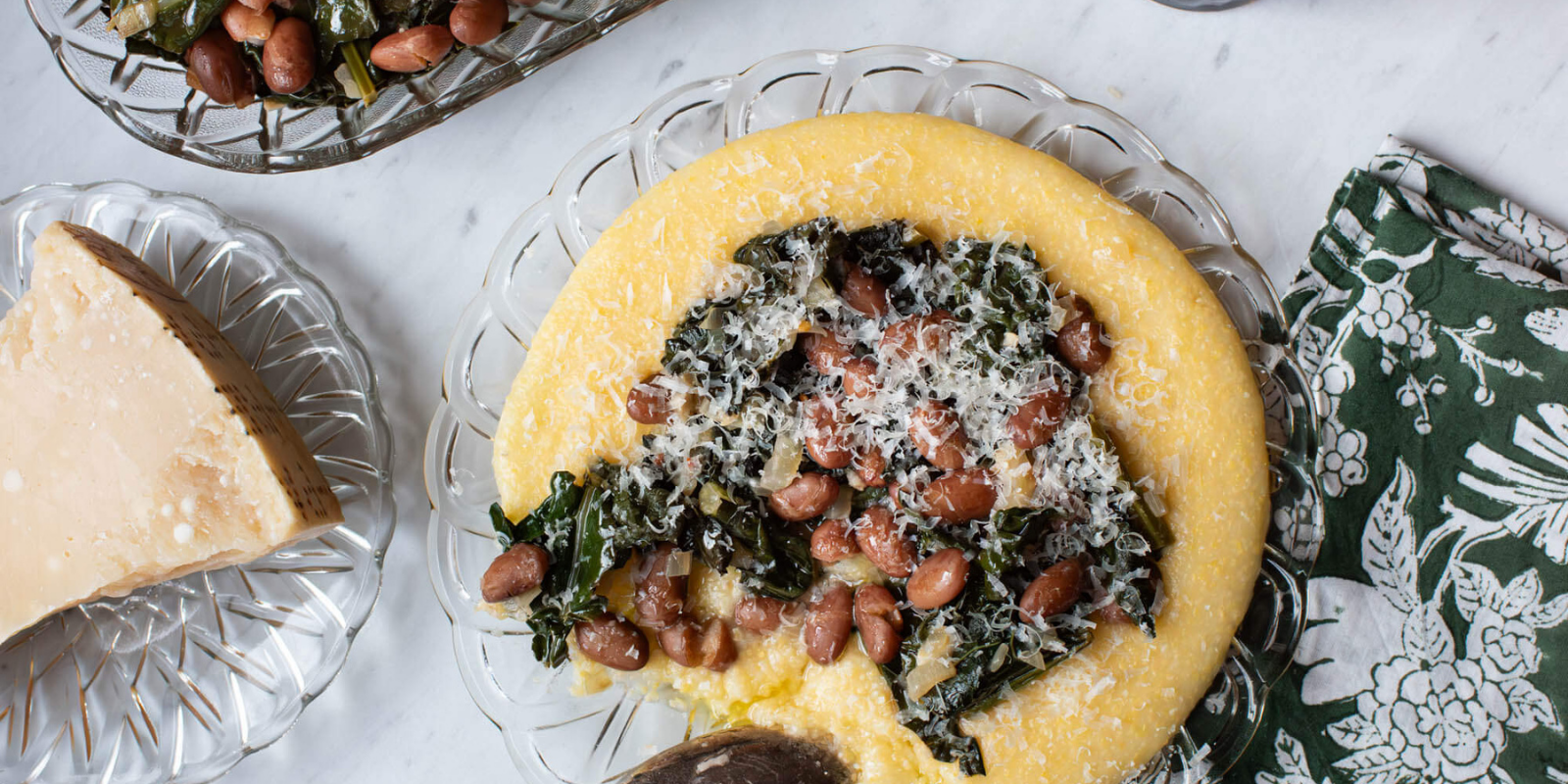
When the weather starts to get a bit gloomy, and the temperature drops, the only thing I want to eat is a big bowl of these cozy beans and greens over soft, creamy polenta. Growing up, this was the ultimate comfort food dish on chilly fall and winter days. Walking into my grandparent's house after school, I could smell the beans simmering away, and I instantly felt warm, even if I was still shivering from being outside. Stewed beans and braised greens are a staple of the type of southern Italian cuisine known as cucina povera, or "peasant food," I grew up with. A big piece of crusty bread (or two!) is a fine accompaniment, but this dish is a match made in heaven with polenta. The broth flows over the polenta, and the creamy beans are perfectly matched with velvety, cheesy polenta.
Cranberry beans, also called Borlotti beans in Italian circles, are the most traditional bean for this dish. However, I grew up eating it with Cannellini beans more often than not, as cranberry beans were difficult to find. Either bean cooks up creamy and delicious, so go with whatever you like best. Escarole is the traditional green usually used in this recipe, but Italian cooking, especially cucina povera, is about using what you have. So, if Tuscan kale is what's available to you, go with that. A combination of greens can be delicious too; the difference in flavor and texture is inviting, and it's a great way to use up whatever bits and pieces of greens you have on hand. Kale, chard, dandelion greens, mustard greens, or any other dark, leafy green work well. That being said, if you're able to get your hands on some escarole, I highly recommend using it. The flavor and texture are perfect with the starchy beans, and escarole is just made for braising.

What makes this dish so successful is how it embodies the principles of cucina povera, "peasant food" that creates something deeply satisfying from humble ingredients. As Alex beautifully describes, "the broth flows over the polenta, and the creamy beans are perfectly matched with velvety, cheesy polenta." Each element is simple, but together they create comfort food that's far greater than the sum of its parts.
The sensory memory Alex shares, walking into grandparents' house after school, smelling beans simmering, feeling instantly warm despite still shivering from outside, captures why this dish is so special. It's not just food, it's comfort, family, and tradition.
The Star: Cranberry Beans
 Let's talk about Cranberry beans (called Borlotti in Italian) and why they're "the most traditional bean for this dish." These medium-sized beans with mottled pink coloring have a velvety texture and buttery, earthy flavor that makes them beloved in Italian cooking.
What makes Cranberry beans ideal for this preparation is their creamy texture that becomes almost silky when cooked with aromatics, their ability to create rich, flavorful broth that's essential to the dish, and their traditional Italian association (they're what nonnas reach for).
Alex notes that Cannellini beans work beautifully too, she "grew up eating it with Cannellini beans more often than not, as cranberry beans were difficult to find." Both beans "cook up creamy and delicious, so go with whatever you like best."
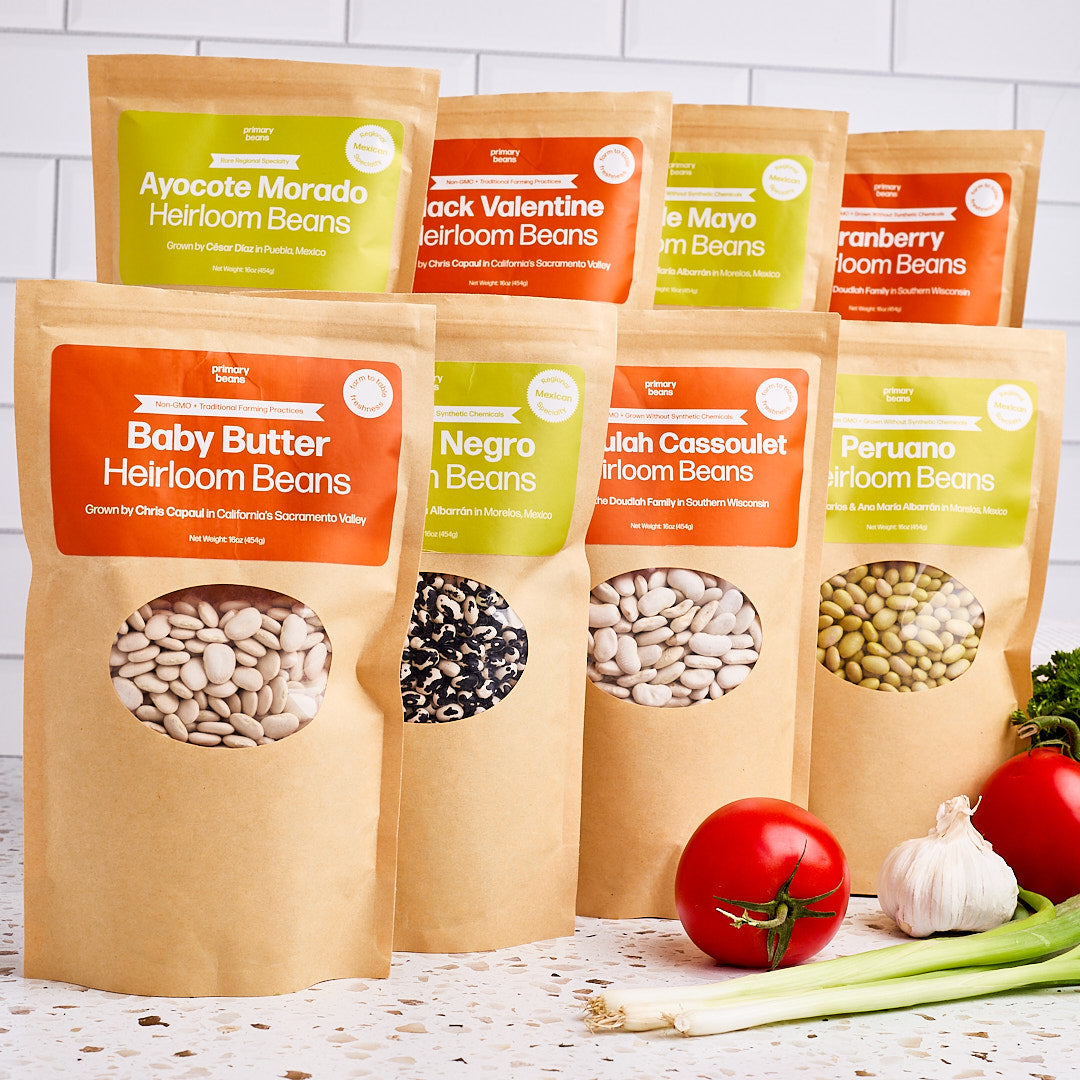
Our Cranberry beans come from Mark Doudlah at Doudlah Farms in Wisconsin. Mark is a 6th generation farmer who transformed his family's conventional farm into a certified regenerative organic operation. Learn more about Mark and Doudlah Farms.
Understanding Cucina Povera
Cucina povera translates to "peasant food" or "poor kitchen", the resourceful cooking of southern Italy where people created delicious meals from humble, affordable ingredients. As Alex explains, "Italian cooking, especially cucina povera, is about using what you have."
This philosophy means the recipe is flexible, use escarole if you can find it, but Tuscan kale works too. Use one type of greens or a combination. The technique and approach matter more than specific ingredients.
Cooking the Beans
Rinse beans and place in a large saucepan, covering with roughly 1.5 to 2 inches of water (about 4 cups). Salt liberally from the start.
Add aromatics: half a white onion (reserve the other half), halved carrot, halved celery, Parmigiano Reggiano rind (optional but highly recommended), a handful of parsley (stems and all), and 2 tablespoons of olive oil.
Simmer over low heat with the pot partially covered for 1.5 to 3 hours, depending on the bean. Start checking after 1 hour. Stir occasionally and monitor water level, adding more to keep beans covered.
This slow cooking with aromatics creates the flavorful broth that's essential to the dish. The Parmesan rind adds umami depth, the vegetables contribute sweetness, and the olive oil adds richness.
The Greens Preparation
Once beans are cooked, turn off heat, cover, and set aside. Heat remaining 2 tablespoons of olive oil in a large heavy-bottomed pot or Dutch oven over medium-low.
Dice the reserved onion half. When oil is shimmering, add red pepper flakes and diced onion. Sauté for 5-7 minutes, then add sliced garlic and sauté another 2-3 minutes.
Increase heat to medium, add greens (torn into ribbons), season with salt and pepper, and toss to coat thoroughly in the onion-oil mixture. Sauté for 3-4 minutes, using tongs to keep the greens moving and prevent burning the onion and garlic.
Braising the Greens
Carefully ladle two scoops of bean cooking liquid into the pot with greens, being careful not to add any beans yet. This flavorful broth is what transforms the greens from simply sautéed to deeply flavored and tender.
Braise greens with the lid on for 20-25 minutes over medium-low heat. This slow cooking in bean broth tenderizes the greens while infusing them with flavor.
Remove the lid, stir well, add lemon juice, and toss. Sauté for 3-5 minutes as some liquid evaporates. The lemon brightens everything and cuts through the richness.
Combining Beans and Greens
Meanwhile, remove the vegetables, Parmesan rind, and easily accessible parsley from the beans (they've done their job of flavoring).
Combine the beans and their remaining liquid with the greens, stirring to combine. Taste and adjust seasoning if necessary.
This final combination creates the finished dish, creamy beans, tender greens, and flavorful broth all coming together.
About Escarole
Alex recommends escarole "if you're able to get your hands on some." She notes that "the flavor and texture are perfect with the starchy beans, and escarole is just made for braising."
Escarole is a chicory with broad, pale leaves and mild bitterness (less aggressive than radicchio). When braised, it becomes tender and silky while maintaining some texture. It's traditional in southern Italian cooking for exactly this kind of dish.
The Greens Flexibility
Alex provides extensive guidance on alternatives: "Kale, chard, dandelion greens, mustard greens, or any other dark, leafy green work well." She even suggests using "a combination of greens" noting that "the difference in flavor and texture is inviting, and it's a great way to use up whatever bits and pieces of greens you have on hand."
This flexibility is the essence of cucina povera, work with what you have rather than following a rigid recipe.
Serving with Polenta
The recipe describes this as "a match made in heaven with polenta." As Alex explains, "the broth flows over the polenta, and the creamy beans are perfectly matched with velvety, cheesy polenta."
Make creamy polenta (cooked in water or stock with butter and Parmesan), spoon into bowls, and top with beans and greens. The polenta soaks up the broth, creating layers of flavor and texture.
The Bread Alternative
While polenta is ideal, "a big piece of crusty bread (or two!) is a fine accompaniment." Use the bread to soak up the flavorful broth, equally satisfying in a different way.
The Finishing Touches
Garnish with "a glug of good olive oil and a mountain of grated Parm." These final touches are important, the fruity olive oil adds richness and the Parmesan adds salty, umami depth.
Don't be modest with the Parmesan, Alex says "a mountain" for a reason. Cucina povera might be peasant food, but it's not about deprivation.
The Weather Connection
Alex's opening, "When the weather starts to get a bit gloomy, and the temperature drops, the only thing I want to eat is a big bowl of these cozy beans and greens", perfectly captures when this dish is most appealing.
This is cold-weather comfort food, the kind of thing you crave when it's gray outside and you need something warming and nourishing.
The Childhood Memory
The memory of walking into grandparents' house, smelling beans simmering, feeling instantly warm, this is what traditional food provides. It's not just nutrition, it's connection to family, place, and memory.
Learning to make dishes like this connects you to that tradition and creates the possibility of new memories for the next generation.
A Complete Meal
With beans (protein), greens (vegetables), polenta or bread (carbs), olive oil (healthy fat), and Parmesan (calcium), this is nutritionally complete and genuinely satisfying.
It's the kind of meal that sustains you, physically and emotionally.
The Simplicity
Despite the long cooking time, this recipe is actually simple, you're just simmering beans with aromatics, braising greens, and combining them. No complicated techniques, no hard-to-find ingredients (especially if you embrace the cucina povera flexibility).
Yet the result is deeply flavorful and satisfying, proving that simple doesn't mean boring.
*A Note On Our Recipes:
Every recipe here was developed and tested using farm-fresh beans from Foodocracy and Primary Beans. Older beans, anything past a year in your pantry or beans from other sources may need more coaxing. Give them a soak and add extra cooking time, and they'll get there eventually.

Related Recipes



The Heirloom Bean + Grain club
Learn More
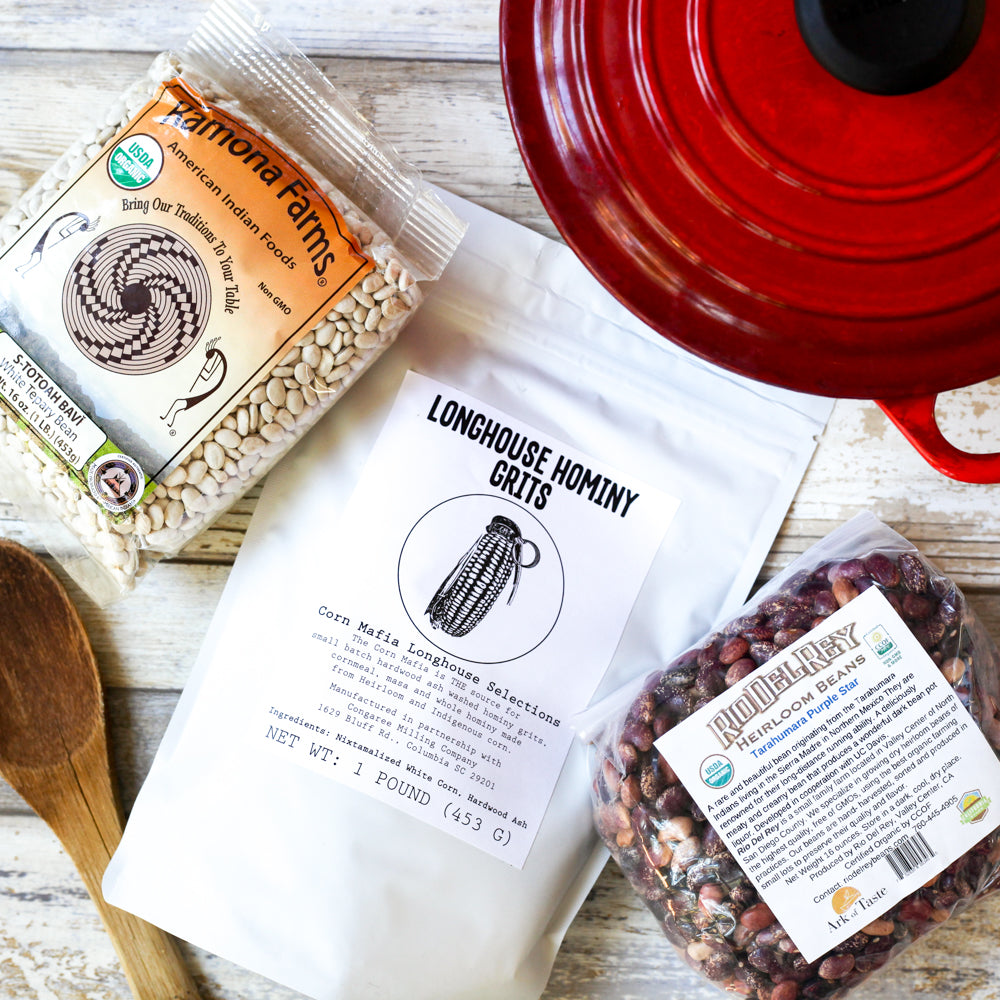
Get impossible to find beans and grains shipped direct to your doorstep each month from small family farms.

Support small family farms
Shop Now
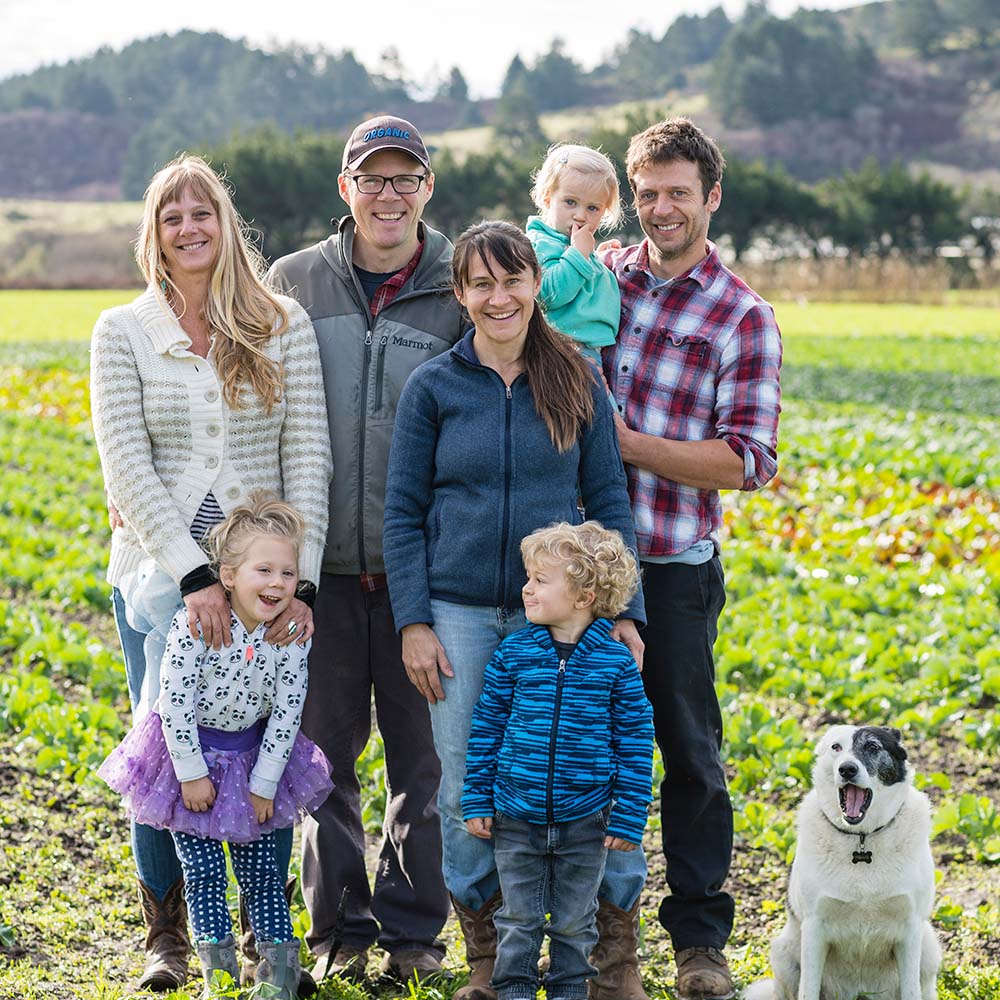
We support small, family owned farms across the nation. Did you know that farmers only make an average of 10 cents on every dollar you spend at the supermarket? Working directly with farms and not middle men ensures that more money goes back to the people actually growning your food.
Italian-Style Beans And Greens
Italian
Main Course
Creator notes When the weather starts to get a bit gloomy, and the temperature drops, the only thing I want to eat is a big bowl of these cozy beans and greens over soft, creamy polenta. Growing up, this was the ultimate comfort food dish on chilly fall and winter days. Stewed beans and braised greens are a staple of the type of southern Italian cuisine known as cucina povera, or "peasant food," I grew up with. This dish is a match made in heaven with polenta. The broth flows over the polenta, and the creamy beans are perfectly matched with velvety, cheesy polenta.
Cranberry beans, also called Borlotti beans in Italian circles, are the most traditional bean for this dish. However, I grew up eating it with Cannellini beans more often than not. Either bean cooks up creamy and delicious. Escarole is the traditional green, but cucina povera is about using what you have. Kale, chard, dandelion greens, mustard greens, or any other dark, leafy green work well.
– Alex DeSimone, food writer & recipe developer
Featured bean: Cranberry
Other beans to try: Cannellini

Ingredients
- ½ pound Cannellini or Cranberry beans
- 1 white onion
- 1 carrot
- 2 stalks celery
- Handful parsley
- 4 tbsp olive oil, divided
- Parmigiano Reggiano rind (optional, but highly recommended)
- 3 cloves garlic
- Pinch red pepper flakes
- 1 bunch greens of choice (escarole, Tuscan kale, chard, etc), torn into ribbons
- Juice of half a lemon
- Salt and pepper to taste
- For serving: creamy polenta or crusty bread, good olive oil, grated Parmigiano Reggiano
Directions
Rinse beans and place in a large saucepan, covering beans in roughly 1½ to 2 inches water, about 4 cups. Salt liberally. Halve the onion, add one half to the pot, and set the other half aside. Cut carrot and celery in half, then add to beans. Tuck the Parm rind in (if using), add a handful of parsley (stems and all), and top with 2 tbsp olive oil. Simmer over low heat with the pot partially covered for 1½ to 3 hours, depending on the bean. Start checking for doneness after 1 hour. Stir occasionally and monitor the water level, adding more to keep the beans covered.
Once the beans are cooked through, turn off the heat and cover with a lid. Set aside. Heat the remaining 2 tbsp olive oil over medium-low heat in a large heavy-bottomed pot or Dutch oven. Meanwhile, dice the remaining half of the onion. Once oil is shimmering, add in red pepper flakes and onion. Sauté for 5-7 minutes and then add garlic, sautéing for an additional 2-3 minutes. Increase heat to medium and add in greens, seasoning with salt and pepper. Toss greens to thoroughly coat them in onion and oil mixture. Sauté for 3-4 minutes, using tongs to continually move the greens around to avoid burning the onion and garlic.
Carefully ladle two scoops of bean liquid into the pot with your greens, taking care not to add any beans. Braise greens with the lid on for 20-25 minutes over medium-low heat. Meanwhile, remove veggies, Parm rind, and easily accessible parsley from beans. Remove the lid from the greens and give them a good stir. Add in lemon juice and toss, sautéing for 3-5 minutes as some liquid evaporates.
Combine beans and remaining liquid with greens, stirring to combine. Taste and adjust seasoning if necessary. Serve over polenta or with crusty bread. Garnish with a glug of good olive oil and a mountain of grated Parm.