


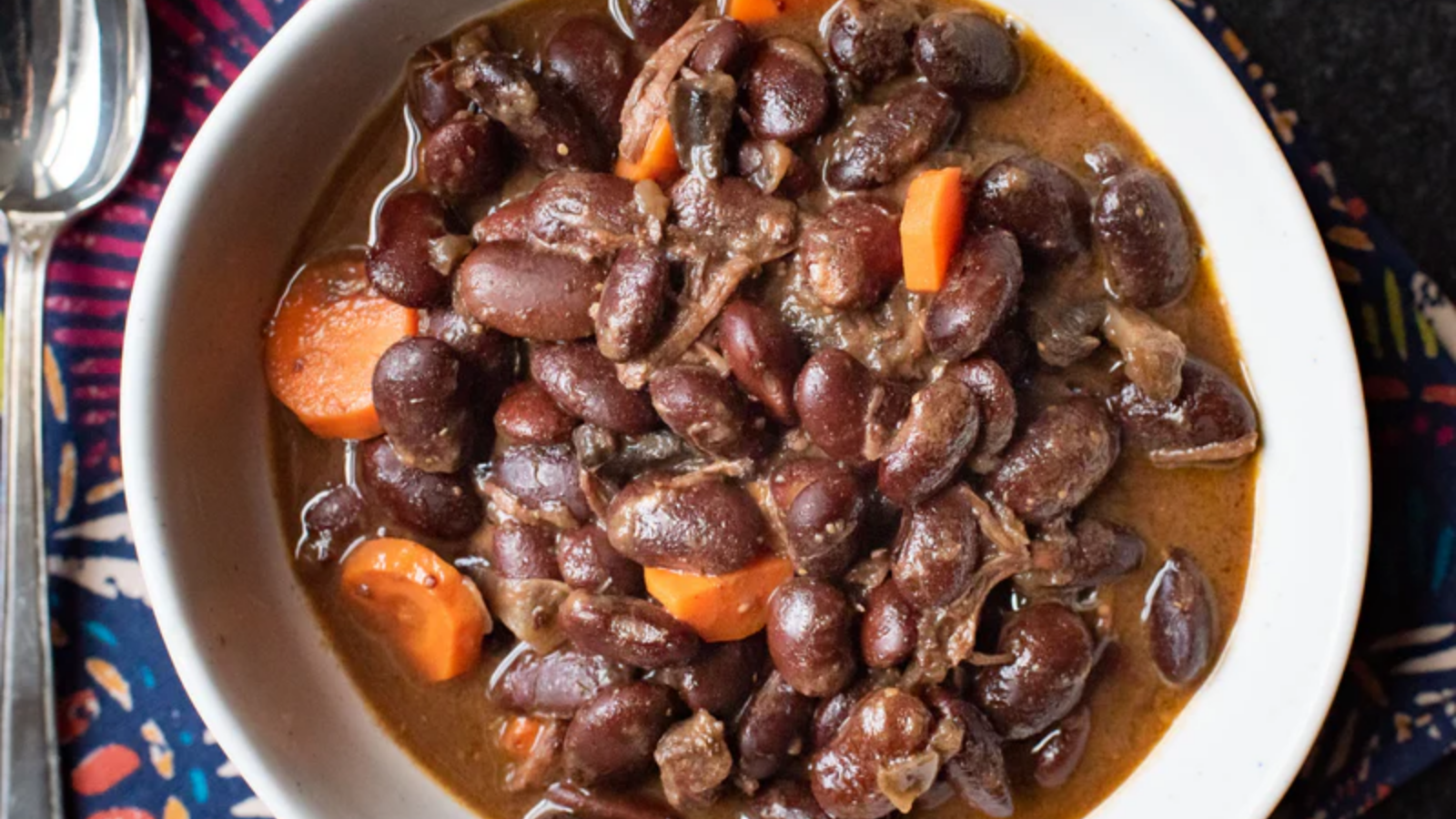

Classic Beef Stew (With "Beefy" Beans)
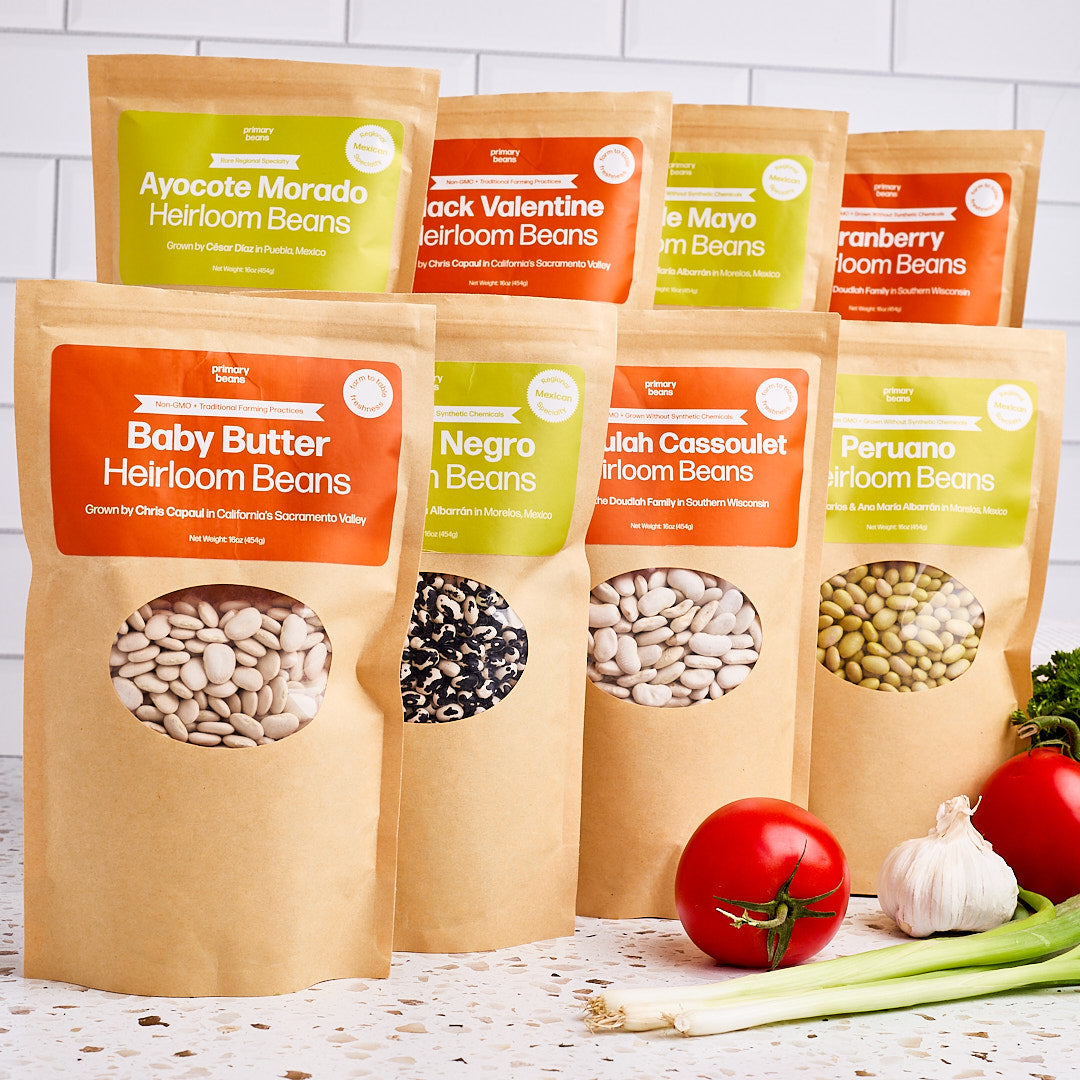
We love a good hearty beef stew, so thought, why not add some large, beefy Ayocote Morados to complement the tender beef, soak up all those delicious flavors, and pare down the amount of meat? This fan-favorite recipe from NYT Cooking was the obvious source of inspiration. The result was so magical we actually can't imagine making it again without these beans!
Why This Recipe Works
What makes this adaptation so successful is how the Ayocote Morado beans complement and extend the beef without diluting the dish's richness. The beans are described as "beefy", large, meaty, substantial, which makes them perfect for a beef stew where they need to hold their own alongside meat and not feel like filler.
The beans cook directly in the stew with the beef, absorbing the Cognac, beef stock, Dijon mustard, and all the flavorful fond from browning the meat. By the time the stew is done, the beans are as rich and satisfying as the beef itself.
As the recipe enthusiastically notes, "The result was so magical we actually can't imagine making it again without these beans!" That's high praise and suggests the beans aren't just an addition, they're essential to what makes this version special.
The Star: Ayocote Morado Beans

Let's talk about Ayocote Morado beans and why they're described as "beefy." These stunning purple-black heritage Mexican beans are among the largest bean varieties, with a meaty texture and rich, earthy flavor that makes them perfect for hearty preparations like stews.
What makes Ayocote Morado beans ideal for beef stew is their substantial size (they match the scale of beef cubes and don't get lost), their meaty texture (they become incredibly tender while maintaining structure through long cooking), and their rich flavor (they complement rather than just absorb the beef's savoriness).
When cooked for 2.5-3 hours in beef stock, Cognac, and mustard alongside beef, these beans become deeply flavorful and almost indistinguishable from the meat in terms of satisfaction, which is exactly the point.
The NYT Cooking Inspiration
This recipe is adapted from a fan-favorite NYT Cooking beef stew, which is known for its use of Cognac and generous amounts of Dijon mustard, elements that create a sophisticated, French-inspired flavor profile rather than a basic American beef stew.
The adaptation adds dried beans (cooked directly in the stew) and reduces the meat quantity, creating something that's just as satisfying but more economical and arguably more interesting texturally.
The Technique: Building Flavor

The technique follows classic beef stew principles but with beans integrated from the beginning. Preheat the oven to 300°F, this low, slow heat is essential for tender beef and properly cooked beans.
Melt butter in a Dutch oven and cook diced onion and shallots until soft (10-15 minutes). Transfer to a bowl. This creates the aromatic base and removes them from the pot so you can brown the beef properly.
Dust beef cubes with flour (for browning and eventual thickening), season generously with salt and pepper, and shake off excess. Brown in batches in hot butter until well-browned on all sides. Don't crowd the pan, you want good browning, not steaming.
The Cognac Deglazing
After browning the beef, add Cognac to the empty pot and use it to deglaze the bottom, scraping up all the flavorful browned bits (fond). This is where so much flavor comes from, those caramelized proteins and sugars on the pot bottom.
Cognac adds sophistication and depth that regular wine doesn't provide. Its brandy character complements beef beautifully. If you don't have Cognac, a good brandy or even whiskey would work, though the flavor will be different.
The Mustard Component
The mustard is what makes this stew distinctive. Stir in beef stock, Dijon mustard (smooth), and some whole-grain Dijon mustard (like Pommery, with visible mustard seeds).
The mustard provides tangy depth and complexity that cuts through the rich beef and adds a subtle sharpness. The combination of smooth and whole-grain provides both flavor and textural interest.
More mustard gets stirred in at the end, so you get multiple layers of mustard flavor throughout.
Cooking the Beans with the Stew
The dried beans go directly into the pot with the stock, mustard, and Cognac, no pre-cooking required. Return the browned beef and onion mixture to the pot, cover, and transfer to the oven.
Cook until both the beef and beans are tender, 2.5 to 3 hours. This long, slow cooking is essential for:
- Tenderizing the beef until it's falling apart
- Cooking the beans completely and allowing them to absorb all the flavors
- Developing deep, complex flavors through the Maillard reaction and slow reduction
The Carrot Addition
Add carrots (cut into half-moon slices) when there are about 30 minutes of cooking time remaining. This ensures they're tender but not mushy, they need less time than the beef and beans.
The carrots add sweetness, color, and vegetable substance to the stew.
The Mushroom Finish
Just before removing the stew from the oven, sauté mushrooms in butter in a separate skillet until browned. This separate cooking ensures the mushrooms get properly browned and flavorful rather than becoming soggy if cooked in the stew.
Remove the stew from the oven and place on the stove over medium heat. Stir in the sautéed mushrooms, remaining whole-grain mustard, and red wine. Simmer for 5 minutes to let these final additions integrate and the wine cook off slightly.
The Final Seasoning
Taste and adjust seasoning. After hours of cooking, you may need additional salt and pepper to make everything pop. The flavors should be rich, complex, slightly tangy from mustard, with depth from Cognac and wine.
Serve piping hot, this is cold-weather food that should be served properly hot.
Paring Down the Meat
The recipe notes they added beans to "pare down the amount of meat." This is smart for several reasons:
- Economic: Beans are much cheaper than beef
- Nutritional: More fiber, different protein profile
- Environmental: Lower meat consumption
- Textural: More variety in the dish
Yet the dish doesn't feel like you're sacrificing anything, the beans are so meaty and flavorful that you don't miss the additional beef.
The Magical Result
The enthusiastic declaration that "the result was so magical we actually can't imagine making it again without these beans!" speaks to how well this adaptation works. The beans aren't just filler, they're an essential component that makes the stew better than the original.
This is the highest form of adaptation: taking a beloved recipe and improving it rather than just changing it.
Perfect Cold Weather Food
This is quintessential cold-weather comfort food, rich, hearty, warming, the kind of stew that makes you feel cozy and satisfied. Make it on a Sunday, let it fill the house with wonderful aromas, and enjoy it all week as the flavors continue developing.
Serving Suggestions
Serve with crusty bread for soaking up the rich broth, or over mashed potatoes, polenta, or egg noodles. A simple green salad provides freshness to balance the richness.
This is the kind of one-pot meal that feels like both everyday comfort and special-occasion worthy.
*A Note On Our Recipes:
Every recipe here was developed and tested using farm-fresh beans from Foodocracy and Primary Beans. Older beans, anything past a year in your pantry or beans from other sources may need more coaxing. Give them a soak and add extra cooking time, and they'll get there eventually.

Related Recipes



The Heirloom Bean + Grain club
Learn More
Get impossible to find beans and grains shipped direct to your doorstep each month from small family farms.


Support small family farms
Shop Now
We support small, family owned farms across the nation. Did you know that farmers only make an average of 10 cents on every dollar you spend at the supermarket? Working directly with farms and not middle men ensures that more money goes back to the people actually growning your food.