



Clams With Alubia Beans And Spanish Chorizo
Creator notes
I really love beans and seafood together and this recipe is a dinner party favorite. Here, clams are cooked with a savory mixture of aromatics, Spanish chorizo, lemon, white wine, and broth. I then add cooked Alubia beans to the brothy mixture so they can soak up all of the fantastic flavors.
If you haven't cooked with clams before, it's actually simpler than it sounds. Buy the clams the same day you plan to cook them (you can store them in a covered bowl in the refrigerator until you're ready to cook). They'll open up in a matter of minutes once you add them to the hot cooking liquid. – Annie Lucey (annielucey.com)
Check out our interview with the recipe creator!
Why This Recipe Works

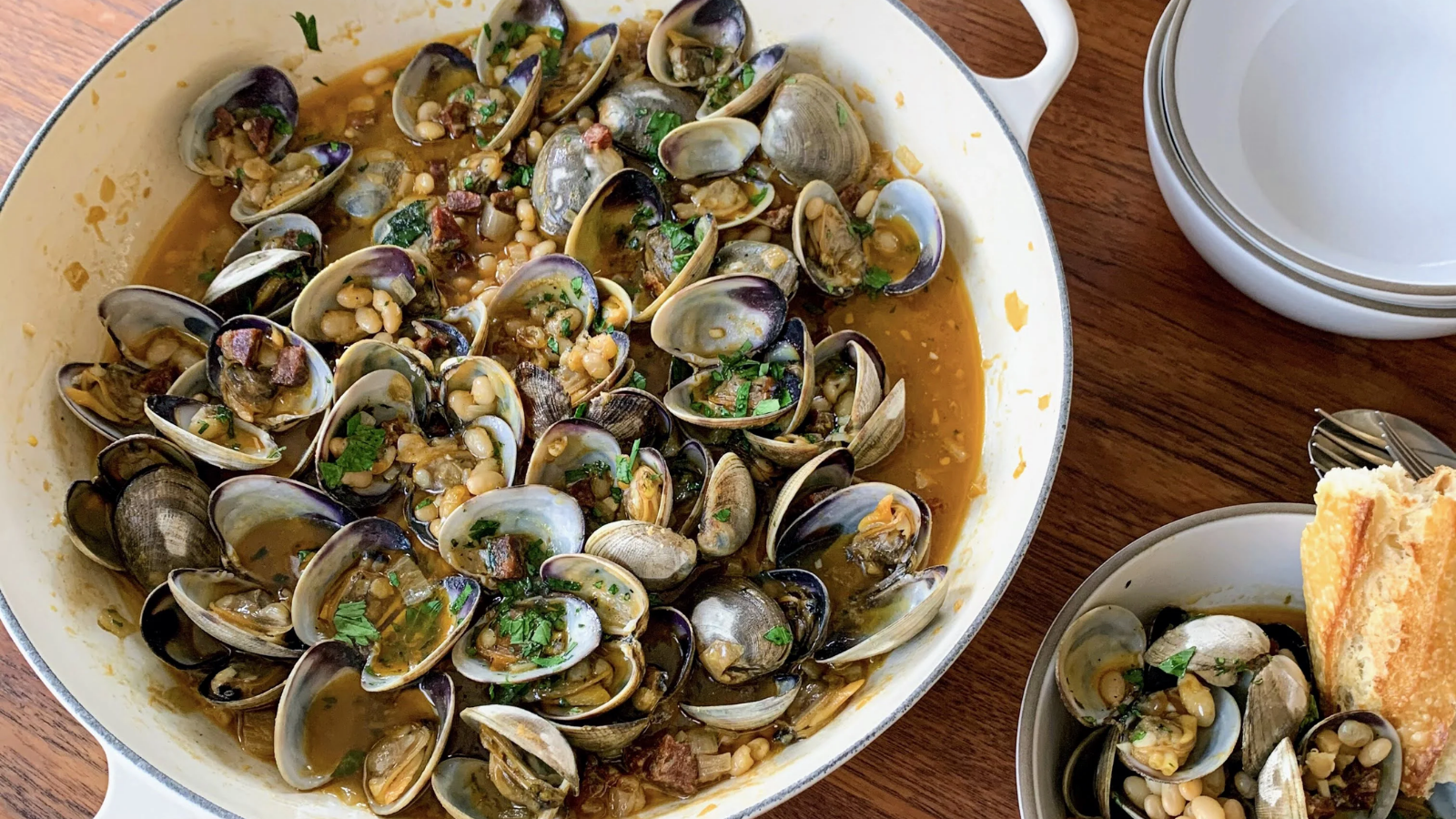
What makes this dish so successful is how it combines beans and seafood, a pairing that might seem unusual to Americans but is common in Spanish and Portuguese cooking. The clams steam open in a flavorful broth of white wine, chorizo, garlic, and lemon. The Alubia beans added to that broth soak up all those wonderful flavors, briny from clams, spicy from chorizo, bright from lemon, aromatic from garlic.
As Annie notes, it's "a dinner party favorite" because it looks and tastes impressive yet is "simpler than it sounds." The technique is straightforward, the timing is quick once you start cooking, and the presentation, clams in their shells nestled among beans in a gorgeous red-tinted broth, is naturally beautiful.
The Star: Alubia Beans
Let's talk about Alubia beans, medium-sized white Spanish beans similar to cannellini but with their own distinctive character. These beans have a creamy texture and mild, slightly buttery flavor that makes them perfect for absorbing other flavors without competing with them.
What makes Alubia beans ideal for this seafood preparation is their size (substantial enough to be satisfying but not so large they overwhelm the clams), their creamy texture (they become silky when cooked in the chorizo-infused broth), and their mild flavor (they accept the briny, spicy, citrusy flavors beautifully).
When added to the broth with the steaming clams, these beans "soak up all of the fantastic flavors," becoming little flavor bombs distributed throughout the dish.
The Spanish Chorizo
Spanish chorizo (not Mexican chorizo, they're completely different) is a cured, dried sausage flavored with smoked paprika (pimentón). When chopped and cooked in butter or olive oil, it releases its paprika-infused fat, turning the cooking liquid a "bricky red color" and infusing everything with smoky, spicy flavor.
This is essential to the dish's character. The chorizo provides the savory, smoky backbone that makes the broth so flavorful and distinctive. Don't substitute Mexican chorizo (which is fresh and crumbly), you need the cured Spanish variety.
The Clam Cleaning
Annie provides helpful guidance for clam beginners: place clams in a bowl with cold water for 30 minutes before cooking to allow any sand to purge and fall to the bottom. Lift the clams from the water (don't pour it out with the clams in it, or you'll pour the sand back over them), and discard the sandy water.
This ensures your finished dish doesn't have any gritty sand, a common issue when clams aren't properly cleaned.
Buy clams the same day you plan to cook them and store in a covered bowl in the refrigerator until ready to use.
The Aromatic Base
Heat butter and/or olive oil in a large braiser or heavy-bottomed stock pot over medium heat. Add diced shallot or onion, season with salt, and sauté for several minutes until softened and almost translucent.
Add the chopped Spanish chorizo and diced garlic, stirring to combine. Cook for about 2 minutes until the butter/oil starts turning that characteristic bricky red from the chorizo's paprika.
This color change is your visual cue that the chorizo has released its flavorful fat and colored the cooking liquid.
The Cooking Liquid
Add white wine, broth (leftover bean broth is ideal, but chicken or vegetable broth work), lemon zest and juice, and the cooked beans. Cook for about 2 minutes to let the wine reduce and cook off a bit.
This brief cooking mellows the wine's alcohol while concentrating its flavor. The lemon zest and juice add brightness that will balance the rich chorizo and briny clams.
Steaming the Clams
Add the cleaned clams, stir to distribute them evenly, and cover with a lid. Steam for about 7-10 minutes until they open.
As Annie reassures beginners, "They'll open up in a matter of minutes once you add them to the hot cooking liquid." You'll hear them start to pop open, it's dramatic and fun if you've never cooked clams before.
Discard any clams that haven't opened after 10 minutes, they were likely dead before cooking and shouldn't be eaten.
The Finishing Touches
Turn off the heat, squeeze the juice of one lemon into the dish, and scatter with generous amounts of fresh chopped parsley. Give everything a big stir "so that beans and chorizo can get into all of the nooks and crannies" of the clam shells.
This stirring is important, it distributes the beans, chorizo, and broth so every serving has a good mix of everything rather than clams on top and everything else on the bottom.
Serving
Serve with crusty bread (essential for soaking up the broth), more fresh parsley, and lemon wedges for individual bowls. The bread is non-negotiable, that red, chorizo-infused, clam-enriched broth is too good to waste.
Provide bowls for discarded shells and plenty of napkins, eating clams is delightfully messy and interactive.
Beans and Seafood
Annie opens by saying "I really love beans and seafood together," and this dish demonstrates why that pairing works so well. The beans provide substance and earthiness that ground the delicate seafood. The seafood contributes brininess and elegance that elevate the humble beans. Together, they create something more interesting than either would be alone.
This combination is traditional in Spanish and Portuguese coastal cooking, think fabada asturiana with clams, or Portuguese bean and seafood stews. It makes perfect sense when you think about coastal communities where both beans and seafood are readily available.
Dinner Party Perfect
This is genuinely "dinner party favorite" material because it:
- Looks impressive: Clams in shells, red broth, white beans, it's beautiful
- Tastes complex: Multiple layers of flavor from simple ingredients
- Cooks quickly: Once you start, it's done in 15 minutes
- Encourages interaction: Eating clams is hands-on and fun
- Scales easily: Double or triple for larger groups
Make it for guests and they'll be impressed, not knowing how easy it actually was.
Simpler Than It Sounds
Annie's reassurance that clam cooking is "simpler than it sounds" is important. Many people are intimidated by cooking shellfish, but clams are actually one of the easiest, they tell you when they're done by opening, and the technique is just steaming.
If you've never cooked clams before, this is an excellent first recipe. The technique is forgiving, the results are impressive, and you'll gain confidence with seafood cooking.
The Annie Lucey Approach
This recipe exemplifies Annie's cooking style (as seen in her herby marinated white beans recipe), thoughtful combinations of quality ingredients, clear explanations that make techniques accessible, and food that connects to personal experience and joy.
Check out the interview with Annie to learn more about her approach to cooking and how food connects us to family and memories.
*A Note On Our Recipes:
Every recipe here was developed and tested using farm-fresh beans from Foodocracy and Primary Beans. Older beans, anything past a year in your pantry or beans from other sources may need more coaxing. Give them a soak and add extra cooking time, and they'll get there eventually.

Related Recipes



The Heirloom Bean + Grain club
Learn More
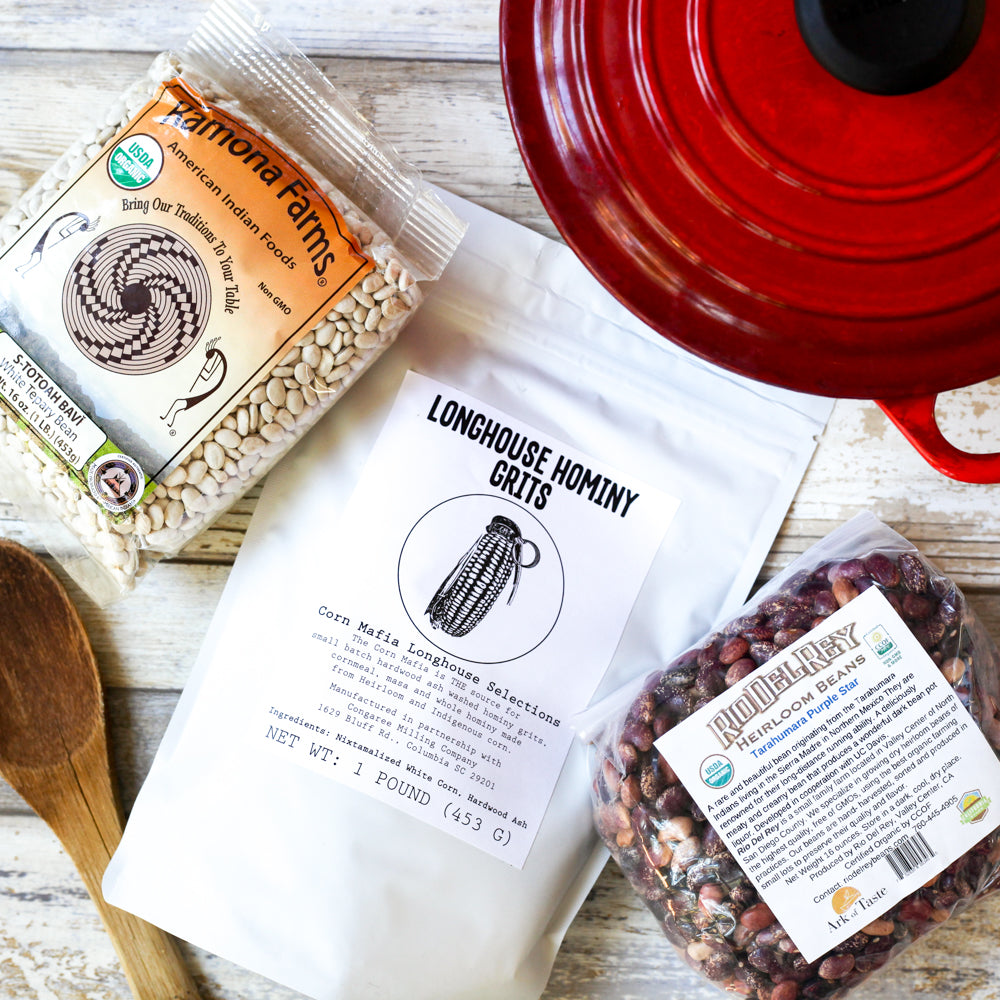
Get impossible to find beans and grains shipped direct to your doorstep each month from small family farms.


Support small family farms
Shop Now
We support small, family owned farms across the nation. Did you know that farmers only make an average of 10 cents on every dollar you spend at the supermarket? Working directly with farms and not middle men ensures that more money goes back to the people actually growning your food.