



Botanica’s Bean Tartine With Sage-Pistachio Pesto
Some dishes are more than just recipes, they're collaborations, celebrations, and expressions of community. This stunning tartine is all of that. It comes from Botanica, one of Los Angeles's leading vegetable-forward restaurants, founded in 2017 by two former food media entrepreneurs, Heather Sperling and Emily Fiffer. The recipe was created for a special partnership between Primary Beans and Botanica during a 10-day food festival organized by the non-profit RE:Her, which worked to uplift female restaurateurs during the pandemic.
Botanica calls this their "lady-powered tartine," featuring ingredients from other female-owned businesses. It's a beautiful example of how food can bring people together and support one another, while also being absolutely delicious. At the heart of the dish is a sage-pistachio pesto that's so tasty, you'll be glad to have leftovers. As Botanica explains, "It's not overly aromatic or aggressive, thanks to the savory, anchoring effect of garlicky oil and sweet, buttery pistachios. You'll want to pair it with many things (eggs, fish, roasted vegetables), but it's especially wonderful with beans."
Why This Recipe Is Special

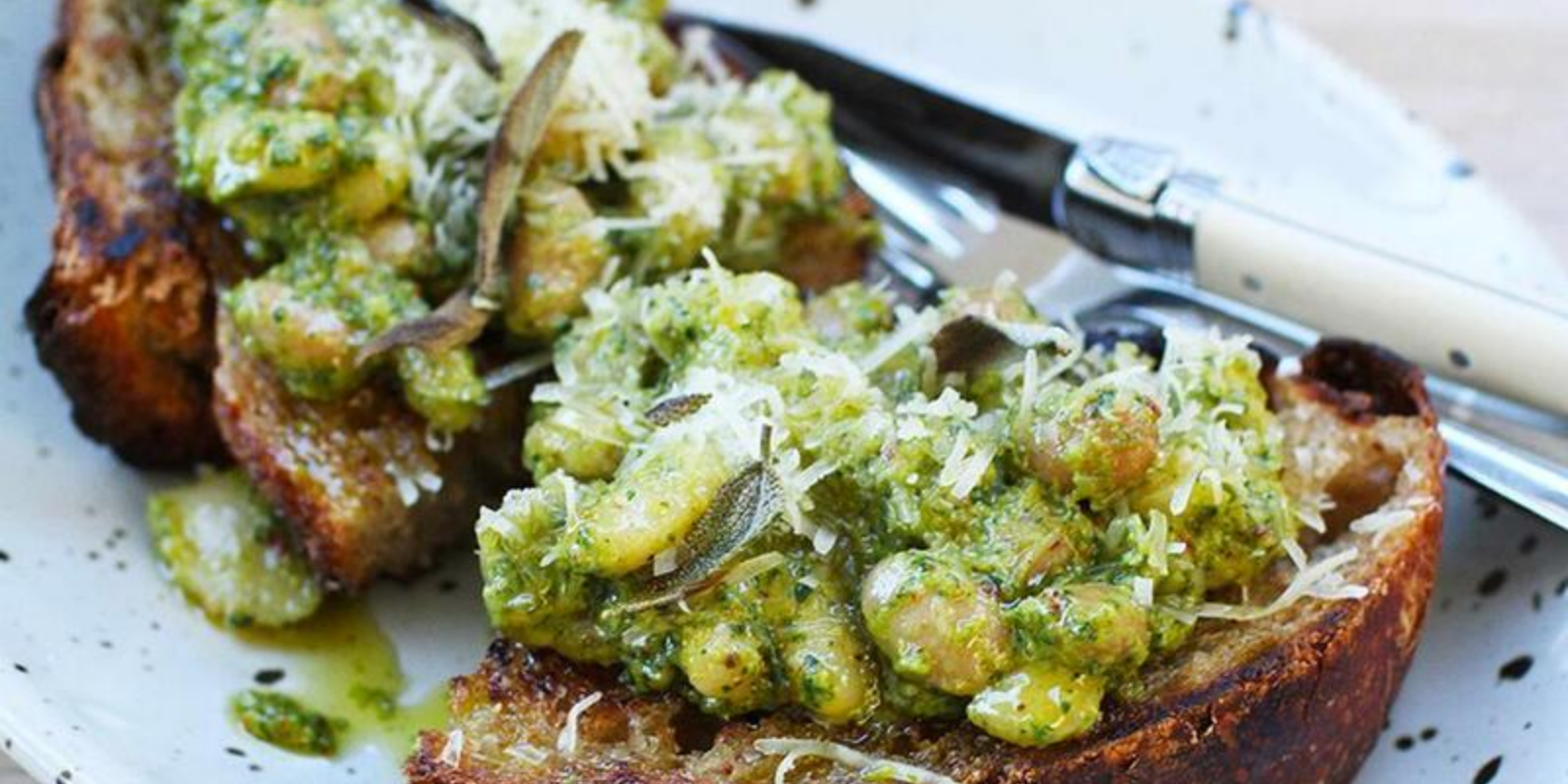
What makes this tartine so captivating is how it balances rich, complex flavors with simplicity. Creamy Cranberry beans get tossed with that vibrant green pesto, then piled onto crispy, olive oil-brushed toast. A sprinkle of Manchego cheese and a drizzle of good finishing olive oil complete the dish. It's elegant enough for a dinner party but easy enough for a weeknight, and every component can be made ahead.
The pesto is the real star. Instead of the traditional basil-pine nut combination, this version uses fresh sage, pistachios, preserved lemons, and parsley. The sage gets steeped in warm garlic-infused olive oil, which mellows its flavor and turns it a beautiful dark green. Preserved lemons add brightness and complexity. Pistachios bring sweetness and richness. The result is a pesto that feels both familiar and completely new, sophisticated but not fussy.
The Bean: Organic Cranberry Soup Beans

The bean that makes this tartine sing has a story worth telling.
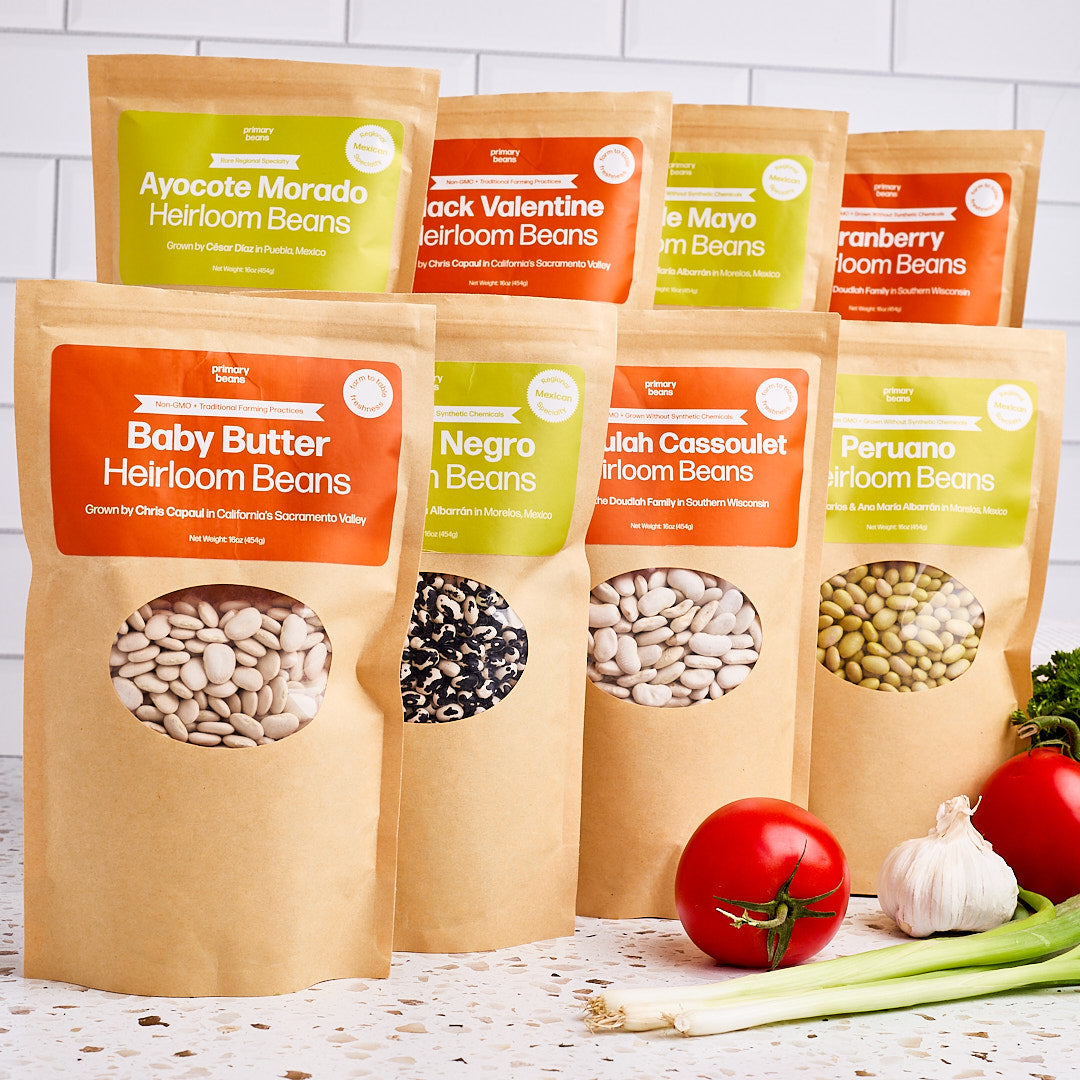
Our Organic Cranberry Soup Beans come from Doudlah Farms, a sixth-generation family operation in Southern Wisconsin where Mark and his son Jason work the land and Lucy runs marketing and operations. They farm certified regenerative organic and biodynamic, built on the belief that healthy soil grows food that is genuinely better for you. Beyond the farm they are active in their community and passionate about getting clean, nutritious food into schools. Our kind of people.
These are not your average cranberry beans. Grown in living, healthy soil built over generations of regenerative farming, they deliver a buttery, nutty flavor and a velvety texture that most beans simply cannot match. Their broth is full-bodied, luxurious, and deeply savory, exactly what you want soaking into crispy toast and carrying all that sage-pistachio pesto.
A note on the current harvest: this batch had a tough run through the cleaner, so you may find more splits than usual along with some broken pieces. Do not worry about it. Those broken beans melt into the most extraordinary broth imaginable, thick, silky, and intensely flavored. Sift through a colander first to remove any loose seed coat bits, then do a quick sort and keep the splits. They are part of the magic. And skip the soak on these, they are so fresh and tender that soaking causes them to fall apart.
Bean alternatives: Cannellini or Flageolet beans work beautifully in this tartine too, each bringing their own character to the sage-pistachio pesto.
About the Sage-Pistachio Pesto
This pesto deserves its own spotlight. The technique of steeping sage in warm garlic-infused olive oil is brilliant, it softens the sage's sometimes assertive flavor while infusing it with garlic. The sage turns a dark, gorgeous green as it absorbs the oil, almost like it's being quick-pickled.
Preserved lemons add a salty, fermented complexity that you can't get from fresh citrus. If you've never cooked with preserved lemons, this is a great introduction, they're tangy, slightly bitter, and deeply savory all at once. Combined with pistachios (which are sweeter and more delicate than pine nuts), fresh parsley, Aleppo pepper for gentle heat, and all that garlicky sage oil, you get a pesto that's balanced, vibrant, and incredibly versatile.
Botanica is right, you'll want to put this on everything. Eggs, fish, roasted vegetables, pasta, grain bowls. But it really is especially wonderful with beans.
Building the Tartine
The assembly is simple but thoughtful. You start by cooking your Cranberry beans with aromatics like garlic and bay leaves until they're tender and creamy. While they cook, you make the pesto, warming garlic in olive oil, steeping the sage, then blending everything until smooth and vibrant green. The pesto gets refrigerated immediately to retain that gorgeous color.
To build the tartines, you brush thick slices of crusty bread with olive oil and toast them until golden and crispy. Meanwhile, toss the beans with enough pesto to coat them generously, plus a squeeze of lemon juice and sea salt. Pile the dressed beans onto the toast, sprinkle with grated Manchego cheese, and finish with a drizzle of your best olive oil.
The result is layers of texture and flavor: crispy bread, creamy beans, bright pesto, salty cheese, fruity olive oil. It's simple but sophisticated, the kind of dish that makes vegetables and beans feel special.
Make It Your Own
This recipe makes plenty of leftover pesto and beans, which is actually a gift. Use the extra pesto throughout the week on eggs, grilled chicken, roasted cauliflower, or tossed with pasta. The beans are delicious on their own, in salads, or as a side dish. Together, they make an incredibly easy lunch, just toast bread, warm the dressed beans, and you're set.
You can also experiment with different beans (Cannellini or Flageolet would be beautiful), different cheeses (Parmesan, Pecorino, or feta would all work), or even serve this as a composed salad instead of on toast.
A Dish with Purpose
What makes this recipe even more meaningful is what it represents, women supporting women, businesses coming together during hard times, and the power of food to build community. Every time you make this tartine, you're participating in that story of collaboration and support.
And honestly, it's just really, really good.
*A Note On Our Recipes:
Every recipe here was developed and tested using farm-fresh beans from Foodocracy and Primary Beans. Older beans, anything past a year in your pantry or beans from other sources may need more coaxing. Give them a soak and add extra cooking time, and they'll get there eventually.

Related Recipes



The Heirloom Bean + Grain club
Learn More
Get impossible to find beans and grains shipped direct to your doorstep each month from small family farms.


Support small family farms
Shop Now
We support small, family owned farms across the nation. Did you know that farmers only make an average of 10 cents on every dollar you spend at the supermarket? Working directly with farms and not middle men ensures that more money goes back to the people actually growning your food.
Botanica’s Bean Tartine With Sage-Pistachio Pesto
American
Main Course
Photo by Botanica
This stunning recipe comes from Botanica, one of Los Angeles's leading vegetable-forward restaurants, founded in 2017 by two ex-food media entrepreneurs, Heather Sperling and Emily Fiffer. Primary Beans and Botanica partnered up for a 10-day food festival organized by the non-profit RE:Her, to uplift female restaurateurs during the pandemic.
Botanica calls their special menu item "lady-powered tartine" featuring ingredients from other female-owned businesses (like us!). The sage-pistachio pesto is so tasty, you'll be glad to have leftovers. From Botanica: "It's not overly aromatic or aggressive, thanks to the savory, anchoring effect of garlicky oil and sweet, buttery pistachios. You'll want to pair it with many things (eggs, fish, roasted vegetables), but it's especially wonderful with beans."
Featured bean: Cranberry
Other beans to try: Cannellini, Flageolet

Ingredients
- 1 lb dried Cranberry beans
- Bean aromatics: 4 garlic cloves, 2 bay leaves
- 2 cups extra-virgin olive oil plus more for blending
- 16 cloves garlic, thinly sliced
- 2 cups raw pistachios, chopped
- 2 preserved lemons, chopped
- 1 tightly packed cup parsley leaves
- 5 tsp Aleppo-style pepper flakes
- 2 tsp kosher salt
- 3 cups fresh sage leaves from 3 bunches
- Lemon juice
- Flaky salt
- 2 thick slices of crusty bread
- Good finishing olive oil
- Grated Manchego cheese
Directions
Prepare the beans: Cook beans with the aromatics according to our guide in the cooking vessel of your choice. Once cooked, remove bay leaves and strain beans.
Make the pesto: Meanwhile, in a small saucepan over medium heat, combine olive oil and garlic and cook just until oil is fragrant and garlic is golden. Remove from heat and once cooled slightly (but still warm) stir in sage. Sage should turn a dark green color as it absorbs the oil. In a blender or food processor, combine pistachios, preserved lemons, parsley, Aleppo-style pepper flakes, salt, and sage-garlic-oil mixture. Blend until smooth, scraping down the sides and drizzling in olive oil as needed to help everything blend. Once smooth, refrigerate immediately to retain vibrant green color.
Assemble the tartines: Brush bread with olive oil and toast on both sides until golden. Meanwhile, in a small bowl, toss 2 heaping cups of beans with enough pesto so that beans are well coated. Stir in a squeeze of lemon juice and sea salt to taste. Cut bread in half if slices are large and spoon the beans over top. Serve with a sprinkle of Manchego cheese and a drizzle of olive oil.