10.99 FLAT RATE SHIPPING

December 26, 2025 4 min read
At Foodocracy and Primary Beans, transparency is at the heart of everything we do. We believe you deserve to know exactly where your food comes from, how it's grown, and what risks - real or perceived - might exist. Today, we want to address a question we've received about gluten and beans, and provide you with the facts so you can make informed decisions about your health.
Beans are inherently gluten-free. According to the National Celiac Association, Celiac Disease Foundation, and Beyond Celiac, the only risk with beans is cross-contamination - physical mixing with gluten-containing grains during harvest, processing, or handling. Gluten does not transfer through soil or affect beans grown in rotation with wheat.
That said, we are not certified gluten-free. None of our producers or farmers are certified gluten-free, and we don't label our products as gluten-free.
Why not? Our farms practice regenerative agriculture and support biodiversity. This means they're always changing and rotating what they grow, working in harmony with nature's rhythms. Even if a farm isn't growing wheat today, they might grow it next season as part of a healthy crop rotation. As a small operation, I don't have the resources to continuously monitor and certify every farm's planting decisions across seasons.
This doesn't mean our beans aren't safe for most people - it means we're being honest about what we can and cannot guarantee.
Gluten-free certification is an important safeguard for people with celiac disease and severe gluten sensitivity. According to FDA regulations, products labeled "gluten-free" must contain less than 20 parts per million (ppm) of gluten. Certification programs involve:
This level of oversight requires significant resources and infrastructure that small, regenerative farms simply don't have. But for people with celiac disease or severe gluten reactions, this certification is crucial for their safety.
This is scientifically incorrect, and it's important to understand why. According to the National Celiac Association, Celiac Disease Foundation, and Beyond Celiac, gluten is a protein that exists only within the seeds of wheat, barley, and rye.
As explained in research published in the journal Frontiers in Nutrition, "gluten proteins are restricted in distribution to the starchy endosperm cells of the grain, and have not been detected in any other tissues of the grain or plant."
Plants cannot absorb protein molecules through their roots. Even if wheat was grown in a field one year and beans the next, the beans themselves remain naturally gluten-free. The gluten in wheat seeds doesn't leach into the soil or transfer to other crops.
You may have heard about "corn gluten meal" being used as an organic fertilizer and herbicide. Despite its misleading name, corn gluten meal is completely gluten-free. As the University of Illinois explains: "This is a textbook fact. Wheat contains gluten. Corn does not." The protein in corn is entirely different from wheat gluten and does not cause reactions in people with celiac disease.
The actual risk with beans and legumes isn't the soil - it's physical contamination. According to the National Celiac Association:
"Under GIPSA standards (Grain Inspection, Packers & Stockyards Administration), lentils are allowed to contain a certain percentage of foreign grain, including wheat, barley, and rye."
This means:
These are real, physical contamination risks - not soil-based absorption.
The Gluten Intolerance Group addresses similar concerns about produce grown with straw mulch, noting that while straw technically doesn't contain gluten (it's the stalk, not the seed), cross-contact during handling is the actual concern.
Here's what we can tell you about our beans:
What we do:
What we cannot guarantee:
The National Celiac Association recommends:
For more detailed information on foreign grains found in legume packages, check out Gluten Free Watchdog.
Everyone's health situation is different. If you have celiac disease, severe gluten sensitivity, or experience serious reactions, you should:
For some people with celiac disease, only certified gluten-free products are safe. For others without gluten issues, our beans are a nutritious, wholesome choice. There's no one-size-fits-all answer.
We believe in radical transparency. That means:
We'd rather lose a sale than mislead someone about what we can promise. Your health and trust are more important to us than any transaction.
If you have questions about our sourcing, our farms, or our practices, please don't hesitate to reach out. We're always happy to share what we know and point you toward resources that can help you make informed decisions.
For more information about celiac disease and gluten-free eating:
Foodocracy is dedicated to creating a more sustainable and independent food system. We support small, independent farms across the nation.
Get impossible to find beans and grains shipped direct to your doorstep each month from small family farms.
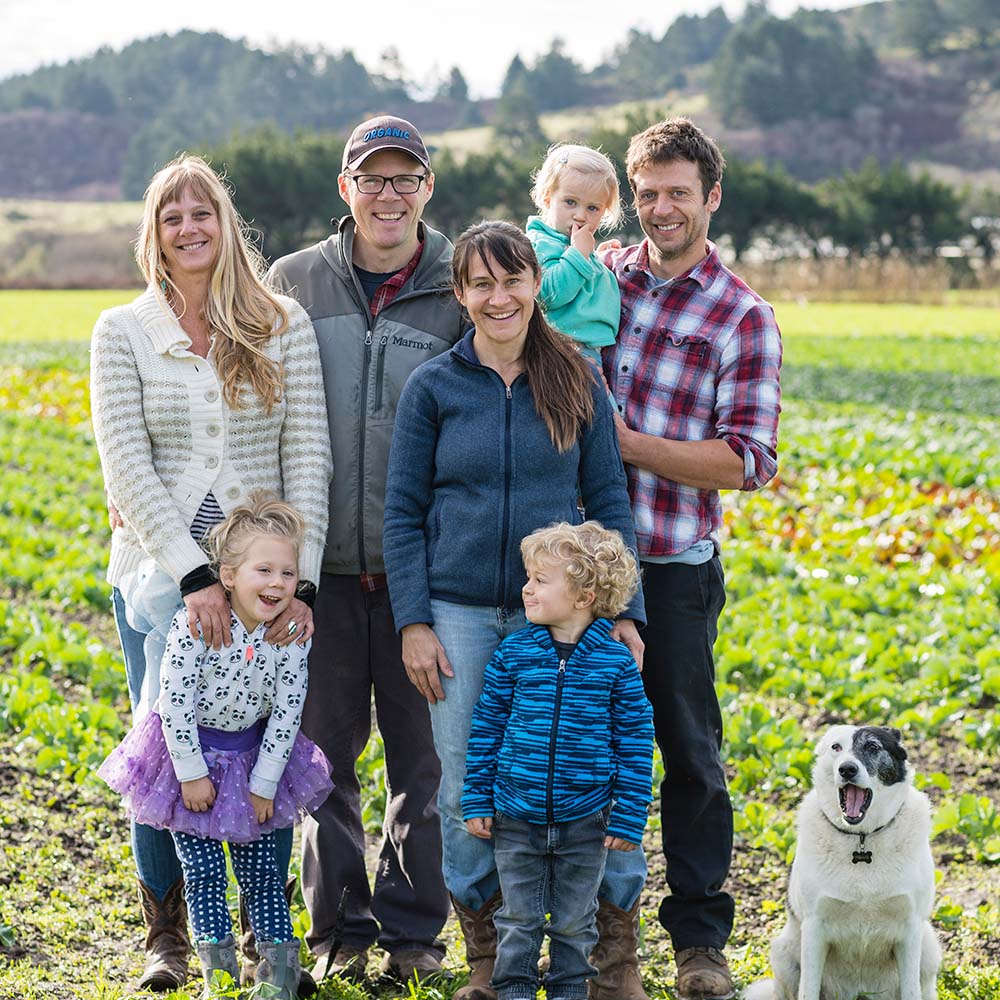
We support small, family owned farms across the nation. Did you know that farmers only make an average of 10 cents on every dollar you spend at the supermarket? Working directly with farms and not middle men ensures that more money goes back to the people actually growning your food.
Sign up for delicious recipes and special offers.
**Regularly priced items only.