



Founder Update: Glyphosate Re-Enters The Conversation
A Guest Blogpost By Lesley Sykes, Founder of Primary Beans
It’s been a little over six months since I passed the reins of Primary Beans to Lisa. With new harvests coming your way soon – and glyphosate in the news – I’ve found myself reflecting on how I approached this work, and how Lisa is continuing it.
What has always set Primary Beans apart is its direct model, and the honest conversations that make it possible. Each year, I – and now Lisa – sit down with our farmers to talk through production realities: volumes, methods, tradeoffs, and what it actually takes for a farm to survive year after year.
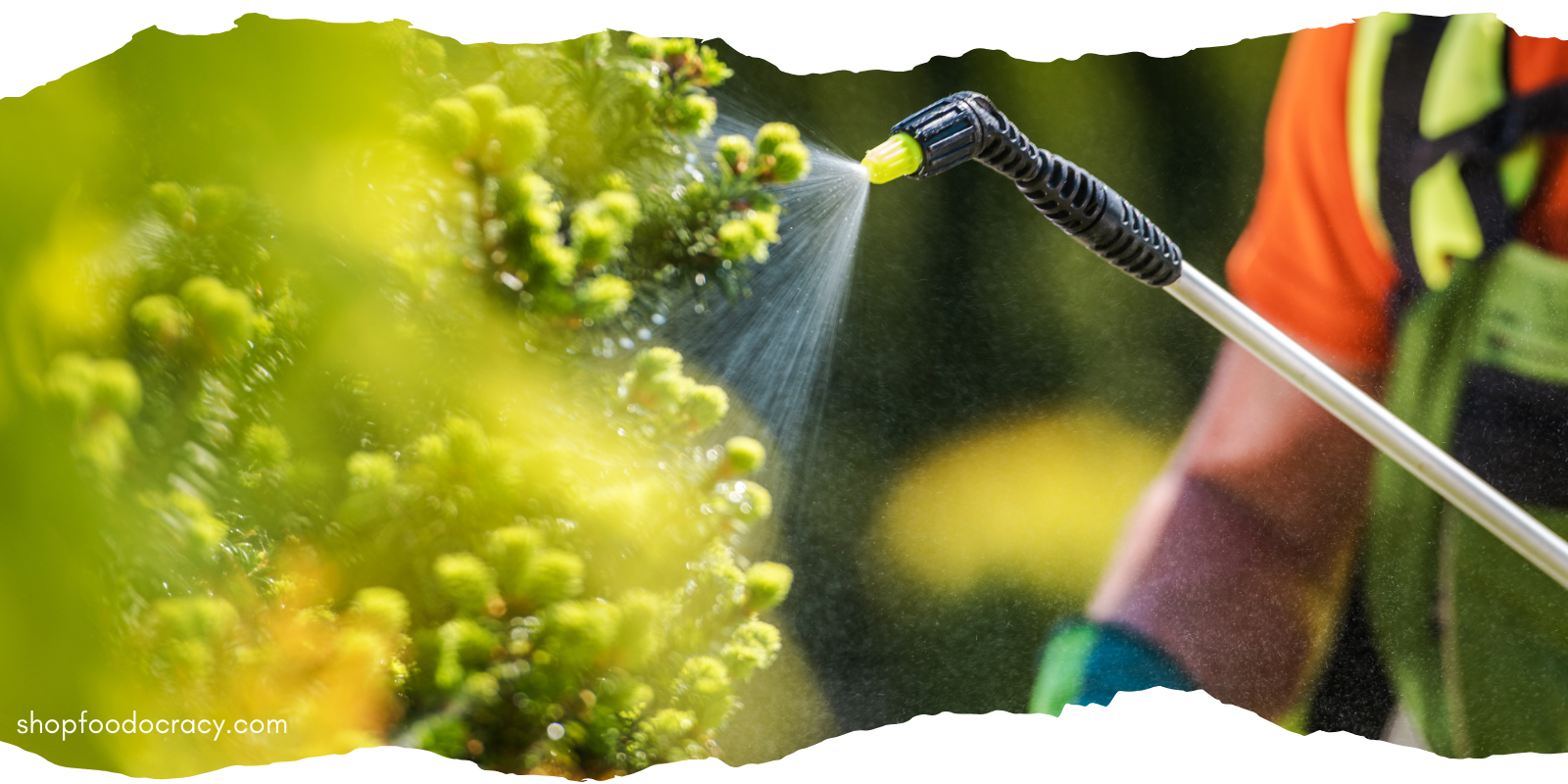
Earlier this month, glyphosate re-entered the national conversation following renewed political attention to its role in U.S. agriculture. Whether framed as a food-security issue, a defense issue, or an economic one, the moment is a reminder of just how deeply this single chemical is embedded in our agricultural system, built around the commodity crops corn and soy.

Glyphosate isn’t controversial because it’s new. It’s controversial because it’s everywhere, and because its harms are no longer hypothetical. Its use is closely tied to a farming model that prioritizes scale and efficiency, often through genetically engineered crops designed to tolerate repeated herbicide applications. That system evolved over decades – shaped by policy choices, consolidation in the seed and chemical industries, and increased dependence on inputs designed to simplify production at any cost.
Before the 1990s, many farmers used herbicides more selectively, responding to specific weed pressure rather than applying them across entire fields. Today, hundreds of millions of acres rely on the same crops and chemicals year after year. As regenerative agriculture thinker Klaus Mager recently wrote, we’re looking at “a single manufacturer, a single molecule, embedded so deeply in the production logic of industrial agriculture that its removal triggers a national response.” It’s difficult to grasp the implications of that level of dependence.
The concerns around glyphosate are real and deeply human. Farmworkers and people living near treated fields have borne the greatest risk, often with little protection or recourse. Thousands of lawsuits – many brought by people with cancer diagnoses – have exposed how aggressively these harms have been delayed, even litigated away by Monsanto (now Bayer).
And the damage doesn’t stop there. Glyphosate also affects the soil itself. In a recent episode of his podcast, Jeff Krasno discusses research linking its use to changes in soil biology, including mineral availability and microbial life. Healthy soils are resilient soils, and systems built on chemical dependence can become harder to transition away from over time.

Glyphosate shows up far beyond corn and soy. It’s a management tool baked into how we maintain land: used in orchards and vineyards to keep rows weed-free, along irrigation ditches and roads, and in landscaping from highways to backyards. In wheat, oats, barley, and even some beans, it’s sometimes applied as a pre-harvest desiccant to dry plants down evenly before harvest – a practice some farmers say is critical in wet years. Over time, what began as a tool becomes default infrastructure.
It’s easy to read headlines like these and feel powerless. The scale is enormous, and the harms are structural. But this is where I return to the work that is within reach: paying attention to how our food is produced, supporting farmers working outside the never-ending chemical cycle, and questioning foods anchored in commodity systems.
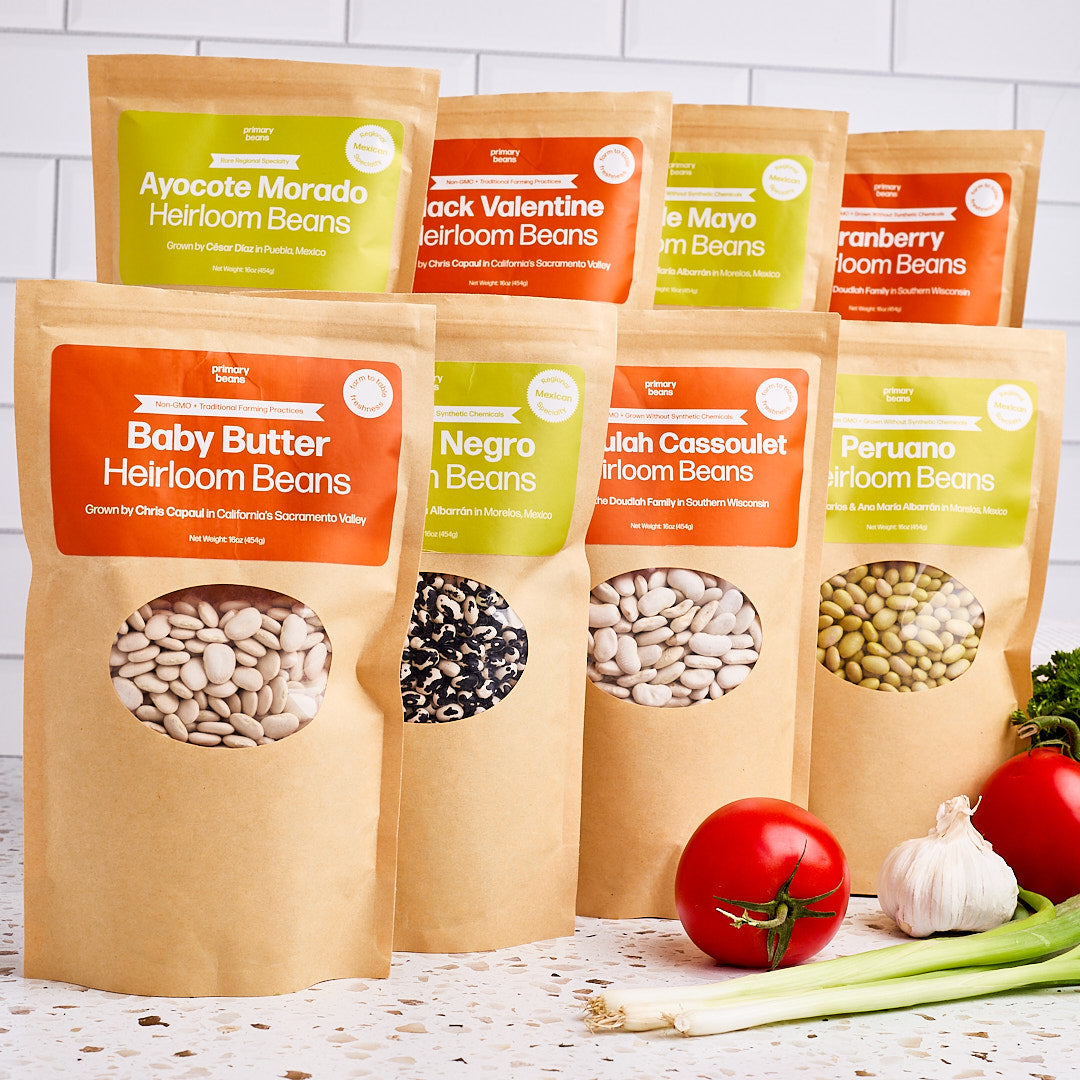
Thoughtfully grown beans – the kinds you receive from Primary Beans – sit at the opposite end of that spectrum: diverse, soil-building, nourishing, grown from seed that can be saved and replanted, and deeply human. Lisa and I can proudly say they’re grown without glyphosate.
Things can feel bleak at times. But moments like this remind me that while the system is vast, our points of contact within it can be intimate – what we cook, who we support, and which shortcuts we decide not to take.
If this resonates, I explore these food-system realities and possible paths forward in my writing over at Eating Patterns, where I think about food, labor, pricing, access, and what we expect from the meals that sustain us.

Thanks for being part of this community – then and now.
Warmly,
Lesley
P.S. If you’d like to dig deeper, here are a few useful resources:
-
“Trump enrages MAHA with order granting “immunity” to glyphosate pesticide production” – The New Lede
-
“Glyphosate: When National Security Means Never Asking Hard Questions” – Klaus Mager
-
“Glyphosate, Soil Health, and the Fight Over Food Safety” – The Commune with Jeff Krasno
-
“MAHA hypocrisy in action: glyphosate” – Marion Nestle
-
“The real ingredients missing from the UPF debate” – Eating Patterns

The Heirloom Bean + Grain club
Learn More
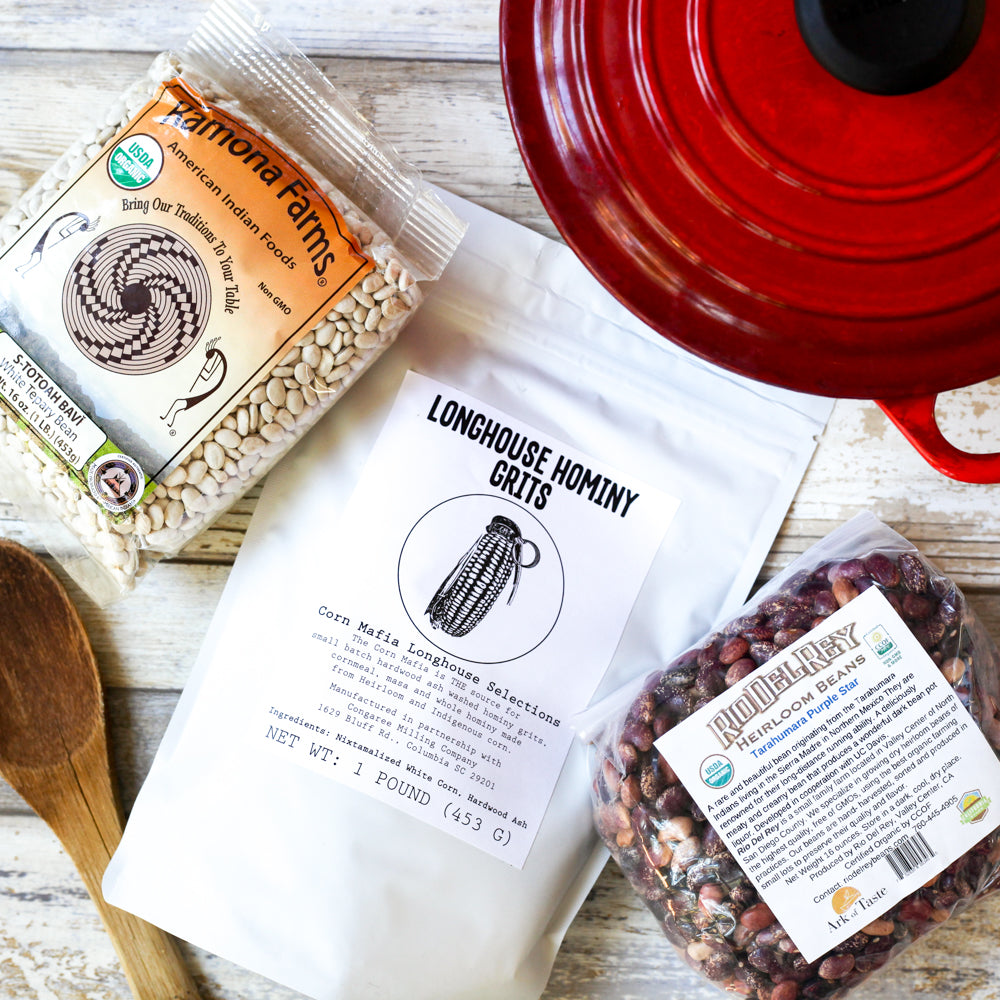
Get impossible to find beans and grains shipped direct to your doorstep each month from small family farms.

Support small family farms
Shop Now
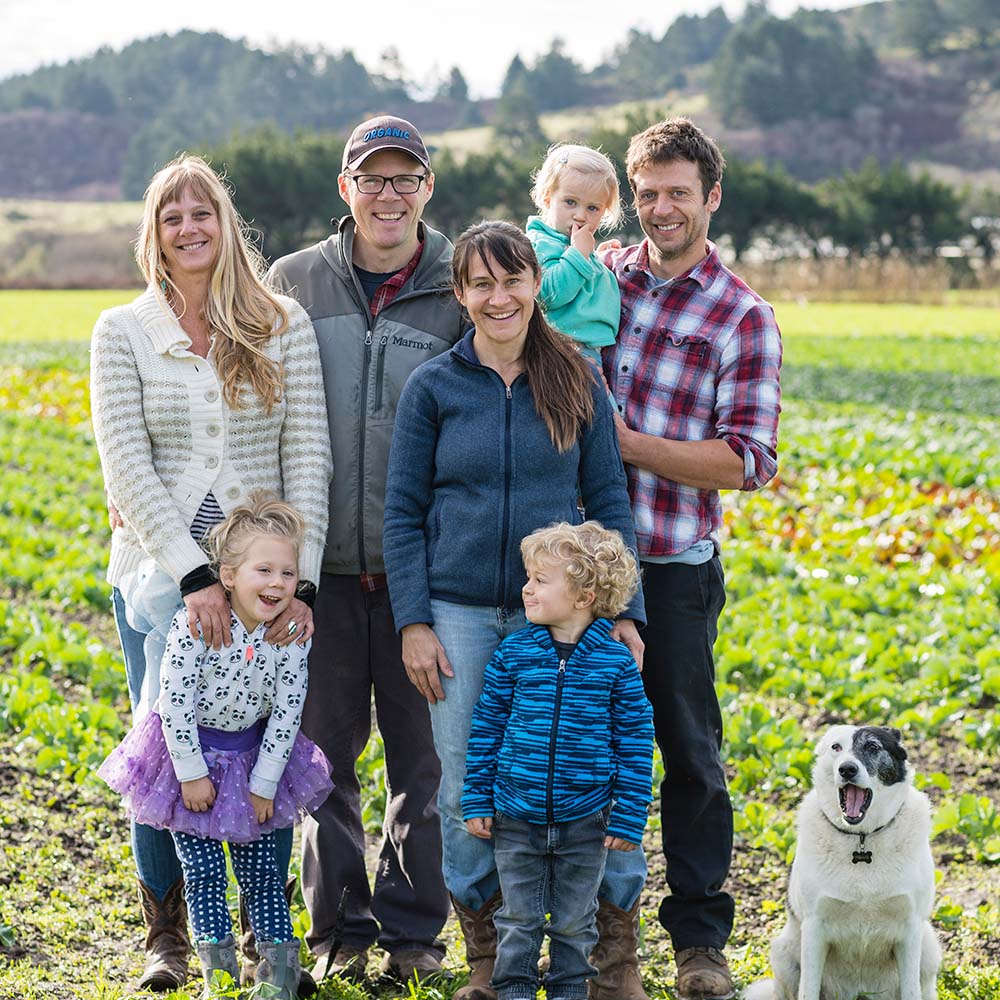
We support small, family owned farms across the nation. Did you know that farmers only make an average of 10 cents on every dollar you spend at the supermarket? Working directly with farms and not middle men ensures that more money goes back to the people actually growning your food.