




10 Real Food Resolutions That Will Actually Change Your Life in 2025
The turning of the calendar brings with it the familiar whisper of possibility, that annual invitation to reimagine ourselves. But this year, something feels different. The wellness conversation has shifted away from deprivation and toward something more nourishing, more ancient, more true. We're finally asking better questions: not "what should I eliminate?" but "what real food can fuel my best life?"
The answer, as it turns out, has been growing in fields tended by careful hands for millennia. As someone who works directly with regenerative farmers growing heirloom varieties using ancestral wisdom, I've watched these foods move from obscurity to the center of 2025's biggest health trends. From viral fibermaxxing on TikTok to the science-backed benefits of GLP-1-friendly eating, functional nutrition and gut health optimization, the foods our great-grandmothers knew intimately are suddenly the most cutting-edge choices we can make.
These ten real food resolutions aren't about restriction or rigid rules. They're about reconnecting with ingredients that carry stories, support small farmers, and happen to align perfectly with what modern science tells us our bodies desperately need. Consider this your invitation to a different kind of transformation—one rooted in heritage, flavor, and the remarkable power of eating actual food.
1. Master the Art of Fibermaxxing with Whole Foods
If you've spent any time on social media lately, you've seen the videos: beautiful bowls overflowing with chia seeds, berries, and beans, their creators proudly tallying the grams of fiber in each meal. Welcome to fibermaxxing, the practice of meeting or exceeding your daily fiber intake through whole foods. With 95% of Americans falling short of the recommended 25-35 grams daily, this trend is addressing a genuine public health concern.
But here's what the viral videos often miss: the quality of your fiber source matters profoundly. A half-cup of farm-fresh heirloom beans delivers around 8 grams of both soluble and insoluble fiber, along with protein, resistant starch, and minerals that reflect the soil they grew in. Compare this to processed fiber supplements or artificially enriched products, and you'll understand why ancestral foods are reclaiming their place at the table.

Beyond digestive health, recent research reveals fiber's protective role against modern environmental toxins. Studies show that dietary fiber can help bind and eliminate microplastics from your digestive system before they enter your bloodstream and accumulate in organs—including your brain, where microplastic concentrations have increased 50% over the past eight years. This makes fiber-rich foods like beans not just nutritious, but genuinely protective in our increasingly polluted world.
Make it real: Start your day with oats topped with berries and nuts, add a bean-based soup or salad at lunch, and incorporate whole grains at dinner. Track your fiber intake for a week to understand your baseline, then build slowly to avoid the digestive distress that comes from increasing too quickly.
2. Embrace GLP-1-Friendly Eating (Without the Medication)
With an estimated 15 million Americans now taking GLP-1 medications like Ozempic for weight management, the food industry has caught up, creating an entire category of "GLP-1-friendly" products. But what if you could naturally activate your body's own GLP-1 production through food choices?

Certain nutrients stimulate the release of this hunger-regulating hormone: protein, healthy fats, and especially fiber. The combination of soluble fiber (which slows digestion) and resistant starch (which feeds beneficial gut bacteria) creates the perfect environment for natural GLP-1 production. Beans, whole grains, and healthy fats work synergistically to improve satiety, stabilize blood sugar, and support metabolic health.
Make it real: Build meals around fiber-rich beans and whole grains as your foundation. A bowl of beans and grains with roasted vegetables, a drizzle of olive oil, and fresh herbs provides complete nutrition while naturally activating GLP-1. Think Mediterranean-style eating where legumes and grains take center stage, complemented by vegetables and healthy fats. This approach delivers the protein, fiber, and resistant starch combination that optimizes satiety and metabolic health without needing to follow rigid meal formulas.
3. Prioritize Gut Health Through Diverse Plant Foods
The gut-brain connection has moved from fringe science to mainstream understanding. Research now links gut microbiome health to everything from mood and mental clarity to immune function and chronic disease prevention. The prescription? Diversity of plant foods, particularly those rich in prebiotic fiber that feeds beneficial bacteria.
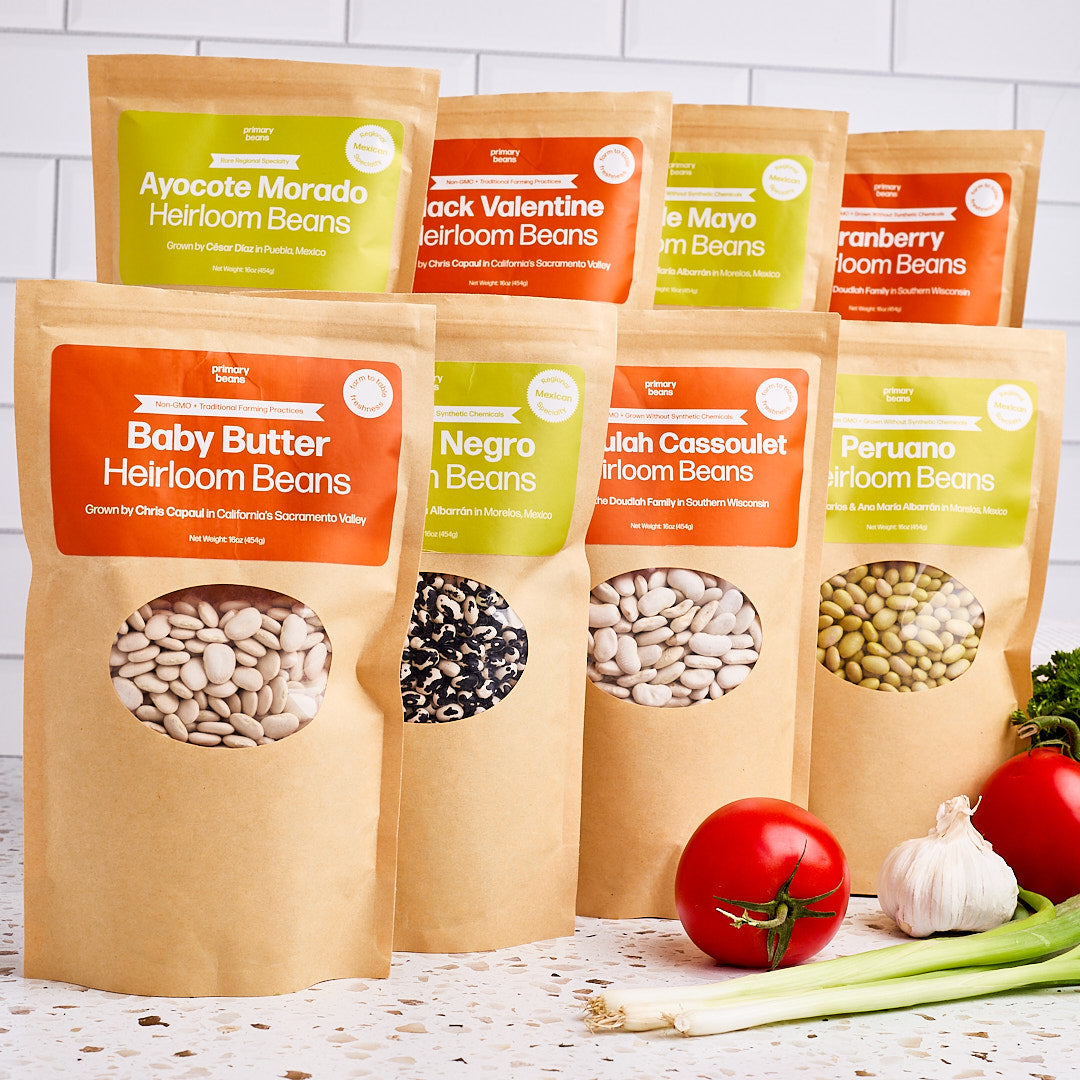
The magic number appears to be 30 different plant foods per week. This isn't as daunting as it sounds when you count herbs, spices, nuts, seeds, grains, and legumes alongside vegetables and fruits. Each variety of heirloom bean contributes to this diversity goal while bringing its own flavor profile and culinary tradition. Rotating through different varieties—Tiger Eye beans one week, Bayo beans the next, then Cassoulet beans—keeps your meals interesting while contributing to the plant diversity your microbiome thrives on.
Make it real: Keep a running list of plant foods you consume each week. Include that pinch of cumin, those walnuts in your salad, the parsley garnish you usually ignore. You'll quickly see patterns and gaps, making it easier to diversify your weekly intake.
4. Cook a Batch of Beans Every Sunday

This resolution might be the simplest on this list, yet it unlocks everything else. When you have a container of perfectly cooked beans in your refrigerator or freezer, you have the foundation for dozens of meals: quick grain bowls, salads, soups, dips, tacos, pasta dishes, and more. Check out our guide on freezing beans for time saving tips. Beans offer the rare trifecta of high fiber, high protein, and complex carbohydrates in a single, affordable ingredient.
The difference between farm-fresh heirloom beans and what sits on grocery store shelves for years cannot be overstated. Fresh beans cook faster, taste better, maintain better texture, and often require no soaking. They're a different ingredient entirely—one that deserves the simple treatment of water, salt, and perhaps a strip of kombu seaweed for enhanced flavor and digestibility.
Make it real: Choose one variety each week. Try Baby Butter beans one Sunday, Rio Zape the next, then Peruano beans the week after. Use our handy guides for cooking times and tips. You'll quickly develop favorites and an intuitive sense of how different varieties behave.
5. Reduce Added Sugar by Crowding It Out
The anti-inflammatory diet topped nutrition trends for 2025, and for good reason. Chronic inflammation underlies most modern disease, and added sugar ranks among the most inflammatory substances we regularly consume. But deprivation rarely works long-term. Instead, crowd out the sugar with foods so satisfying and flavorful that sweet cravings naturally diminish.

When your diet centers on nutrient-dense foods with adequate protein, healthy fats, and fiber, blood sugar remains stable throughout the day. This eliminates the crashes that send us searching for quick hits of sweetness. The naturally occurring sugars in fruits, consumed whole with their fiber intact, process differently in your body than refined sugars.
Make it real: For two weeks, add a high-fiber, high-protein element to every meal without removing anything else. Notice how your cravings shift. Then gradually replace processed sweets with fresh or dried fruit, dark chocolate (70% cacao or higher), and naturally sweet vegetables like roasted carrots or winter squash.
6. Source Directly from Regenerative Farms
This resolution addresses both personal health and planetary health simultaneously. Regenerative agriculture focuses on building soil health, which directly translates to higher nutrient density in the foods grown in that soil. Plants pull minerals from the earth; depleted soil produces depleted food. Rich, living soil cultivated through practices like cover cropping, composting, and no-till farming yields ingredients that taste better and nourish more completely.
Choosing clean sources matters more than ever when we're confronting multiple environmental toxins. When you're filling your body with fiber to help eliminate microplastics and protect against PFAS (those "forever chemicals" found in everything from water to food packaging), the last thing you want is to introduce additional harmful chemicals through the very foods meant to protect you. Glyphosate, the world's most widely used herbicide, disrupts gut bacteria—the very microbiome that fiber is meant to nourish and support.

Beyond nutrition, choosing regenerative farms supports the small farmers stewarding heirloom varieties and ancestral agricultural wisdom. These growers often work on a scale that allows personal relationships with customers. When you buy their products, you're not just purchasing food; you're investing in a more resilient food system built on practices that actually improve the land rather than depleting it.
Make it real: Look for a farm in your area that is practicing regenerative agriculture and join our Heirloom Bean and Grain Club to support small family farms that are practicing soil first farming and regenerative agriculture for a healthier plant and healthier food.
7. Learn Your Actual Nutrient Needs (Not Just Calories)
The calorie-counting era gave way to macro tracking, which is now giving way to something more nuanced: understanding your individual nutrient needs. Are you getting enough iron? Magnesium? Zinc? Vitamin B12? These micronutrients drive everything from energy levels to immune function to mental clarity, yet most people have no idea if they're meeting their needs.
Personalized nutrition continues rising as technology makes it more accessible. But you don't need expensive testing to start paying attention. Notice patterns: Do you crave ice or dirt (classic iron deficiency)? Do you get frequent muscle cramps (possible magnesium deficiency)? Do you feel consistently exhausted despite adequate sleep (could be multiple deficiencies)?
Make it real: Use a nutrition tracking app for just one week to understand where you actually stand. The results often surprise people. You might discover you're getting plenty of protein but falling short on key minerals. This information allows you to make targeted improvements rather than following generic advice.
8. Master Three Ancient Grain Recipes
Ancient grains—those predating modern wheat hybridization—offer superior nutrition and often better digestibility than their industrial counterparts. Jimmy Red corn, Sonora wheat, Turkey Red wheat, and heirloom varieties of rice, millet, and sorghum connect us to agricultural heritage while meeting modern nutritional needs.
These grains often contain higher protein, more minerals, and different gluten structures than conventional varieties. Many people who struggle with modern wheat find they tolerate heritage grains beautifully. The flavors alone justify seeking them out: Jimmy Red corn delivers a rusty sweetness unlike anything you'll find in supermarket cornmeal, which is typically made from GMO varieties bred for industrial agriculture rather than taste or nutrition.

When choosing grains, quality matters enormously. Conventional oats, for instance, are frequently contaminated with glyphosate used as a desiccant before harvest—a practice that leaves residues in the final product. Testing by organizations like the Environmental Working Group has found concerning levels in many popular brands. Choosing organic, heritage varieties grown by small farms committed to clean practices ensures you're getting the nutrition these grains promise without the chemical baggage.
Make it real: Choose three ancient grains to master this year. Taste a throwback recipe from colonial times with Hoe cakes made from non-GMO Jimmy Red cornmeal, fuel your morning with Cracked Farro Porridge , and prepare rice pilaf with heritage Carolina Gold Rice. These recipes become part of your permanent rotation, carrying stories forward with every meal.
9. Eat Seasonally and Locally Whenever Possible
The return to seasonal eating represents both a practical strategy and a philosophical shift. When you eat produce at its peak, you consume it at maximum nutrient density and flavor. The tomato you pick up in January, grown in a greenhouse thousands of miles away, bears little resemblance to the August tomato grown in local soil and ripened on the vine.

Seasonal eating also naturally provides the dietary diversity experts recommend. You cycle through different vegetables and fruits across the year, each bringing unique phytonutrients and benefits. Spring's bitter greens support liver function. Summer's berries deliver antioxidants. Fall's squashes provide beta-carotene and fiber. Winter's citrus pumps you full of vitamin C just when you need it most.
Make it real: Find a seasonal produce chart for your region and post it on your refrigerator. Shop farmers markets when possible. Notice how anticipation builds for strawberry season, tomato season, apple season. This reconnection with natural rhythms makes eating an act of participation rather than passive consumption.
10. Cook One Completely New-to-You Heirloom Variety Each Month
The industrialization of agriculture dramatically narrowed our collective diet. We've lost thousands of food varieties over the past century, along with the flavors, nutrients, and cultural knowledge they carried. Reversing this trend starts with individual choices to seek out and celebrate heirloom varieties.
Each heirloom bean, grain, or vegetable tells a story of the people who saved it, often against considerable odds. Jimmy Red corn survived in a pair of seed ears stored in a barn. Our partnerships with small farms and organizations like La Comandanta in Mexico and Tamoa are actively rescuing heritage Mexican bean varieties grown using ancestral Milpa techniques, preserving not just seeds but entire agricultural systems. These collaborations support indigenous farmers maintaining the traditional knowledge that kept these varieties alive through centuries. When you cook these varieties, you participate in keeping them alive—and supporting the communities that stewarded them through generations.
Make it real: Make a list of twelve heirloom varieties you've never tried: different beans, grains, tomatoes, squashes, peppers, or whatever interests you. Dedicate one month to each. Research its history, find recipes from its culture of origin, and cook it multiple ways. By year's end, you'll have expanded your culinary repertoire dramatically while supporting agricultural biodiversity. Or join our Heirloom Bean and Grain Club for a curated monthly adventure delivered straight to your door—each box includes rare varieties, recipes, and the stories behind the ingredients, making it easy to explore a different heritage ingredient every month.
Bringing It All Together
These ten resolutions share a common thread: they move us toward rather than away from. Toward flavor, toward nourishment, toward connection with the people growing our food and the land sustaining us all. They align perfectly with 2025's wellness trends not because they're trendy, but because they address genuine human needs that industrial food systems have failed to meet.
Start with one or two resolutions that resonate most strongly. Build slowly, paying attention to how your body responds. The goal isn't perfection but rather a gradual reorientation toward real food, prepared simply, eaten with gratitude. These aren't New Year's resolutions in the traditional sense—temporary restrictions endured through sheer willpower until we inevitably break. They're invitations to lasting change, rooted in pleasure and sustained by the remarkable fact that the foods our bodies need most also happen to taste extraordinary.
The year ahead holds enormous possibility. Let's fill it with flavor.
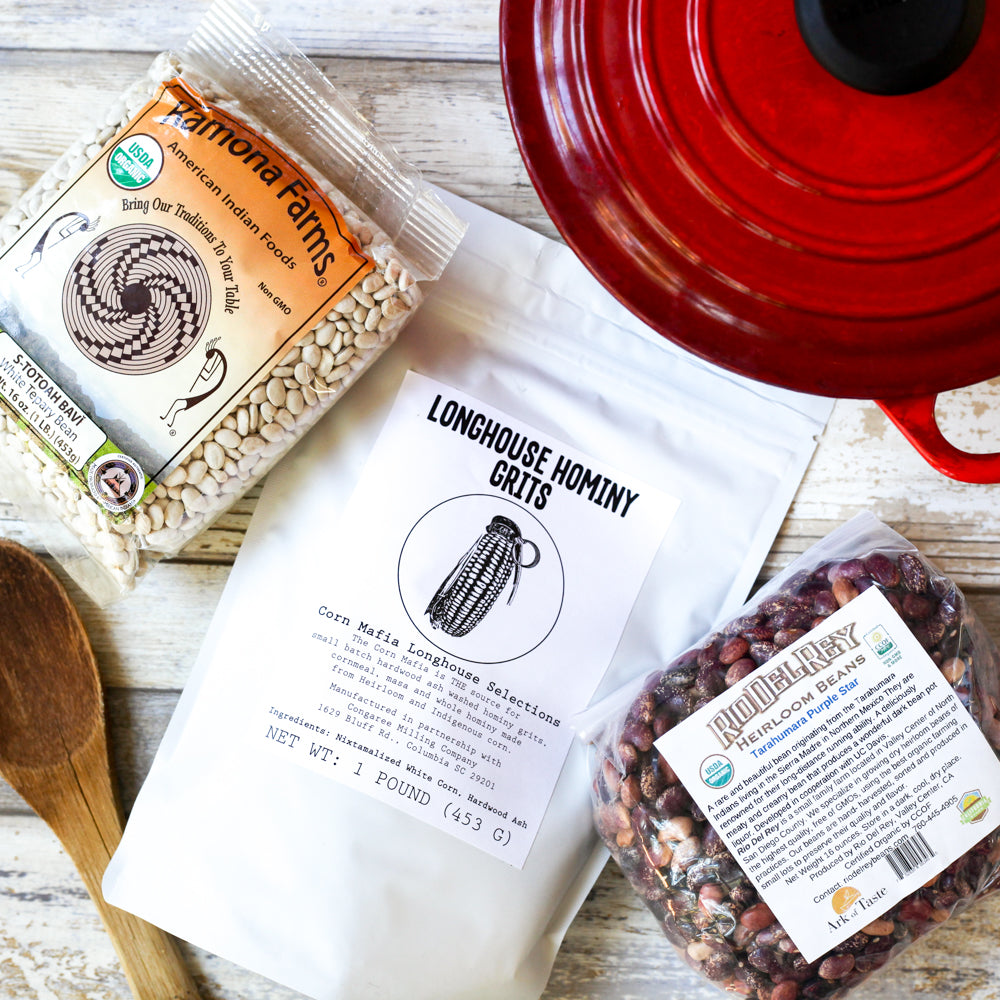

The Heirloom Bean + Grain club
Learn More
Get impossible to find beans and grains shipped direct to your doorstep each month from small family farms.
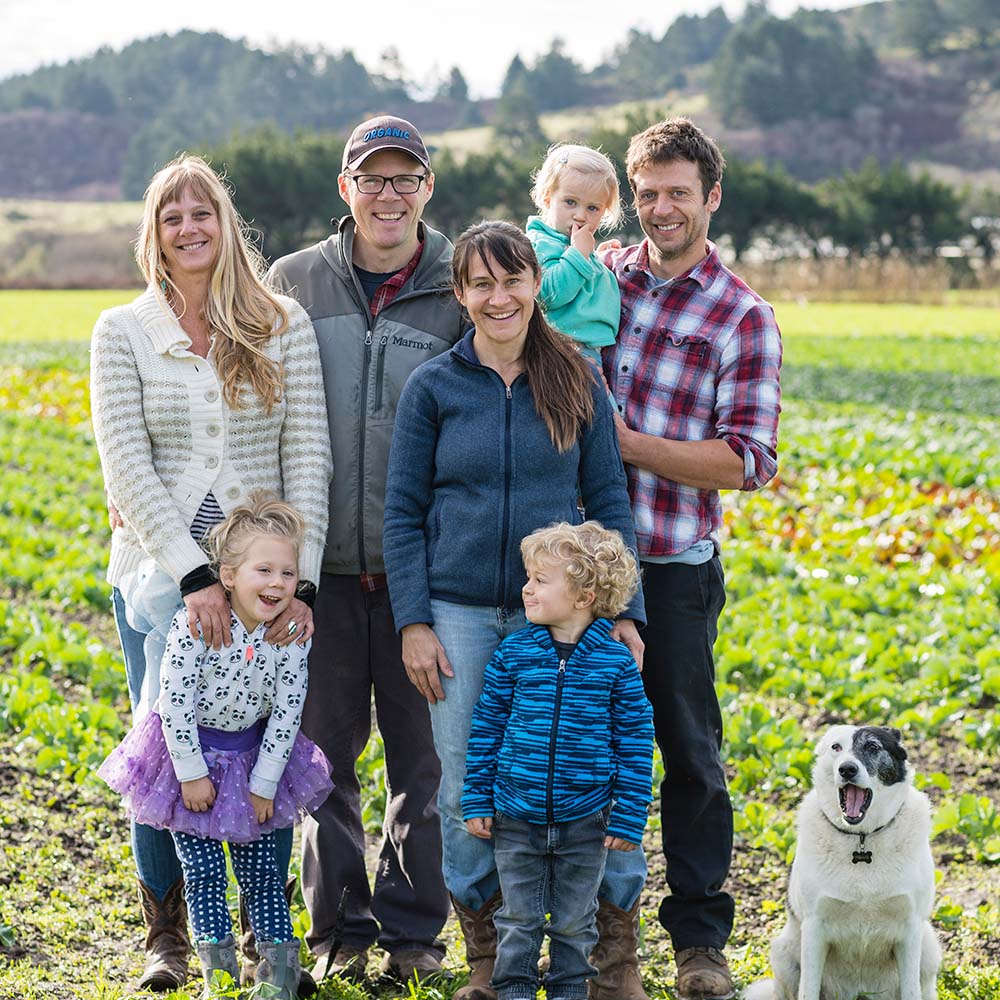

Support small family farms
Shop Now
We support small, family owned farms across the nation. Did you know that farmers only make an average of 10 cents on every dollar you spend at the supermarket? Working directly with farms and not middle men ensures that more money goes back to the people actually growning your food.