



Habichuelas Negras
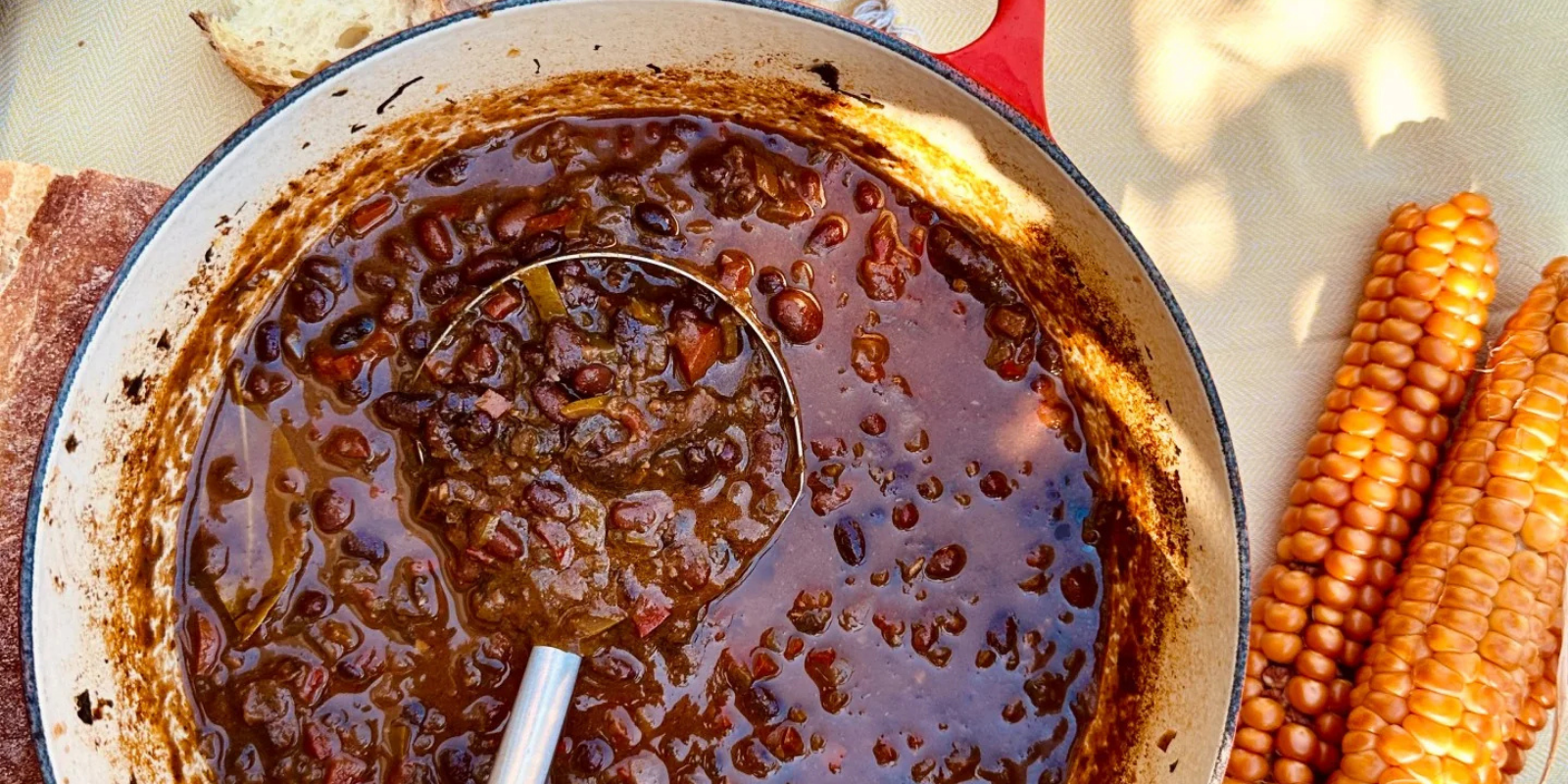
We teamed up with our favorite Latin American pantry brand, Loisa, to bring you our spin on habichuelas negras, classic Puerto Rican stewed black beans. This recipe brings together our thoughtfully sourced ingredients in a complex and hearty stew, created by Milena Pagán of Little Sister in Providence, Rhode Island.
Get the ingredients in our limited-edition Taste of the Caribbean kit!
Creator notes
I love a good pot of slow-cooked black beans! It always reminds me of my home in Puerto Rico, where my father takes me to a Cuban restaurant with outstanding black beans and roasted cornish game hens. Their beans are creamy, almost fully fallen apart into their stew, and topped with finely minced onions and cilantro. I learned very early on that all-natural and sustainable meals are not only better for your health, but they're well worth it for the flavor too. I am convinced black beans are infinitely better when cooked from dry instead of canned, and although it takes a bit of extra time, you will be glad you did once you give your beans a taste.
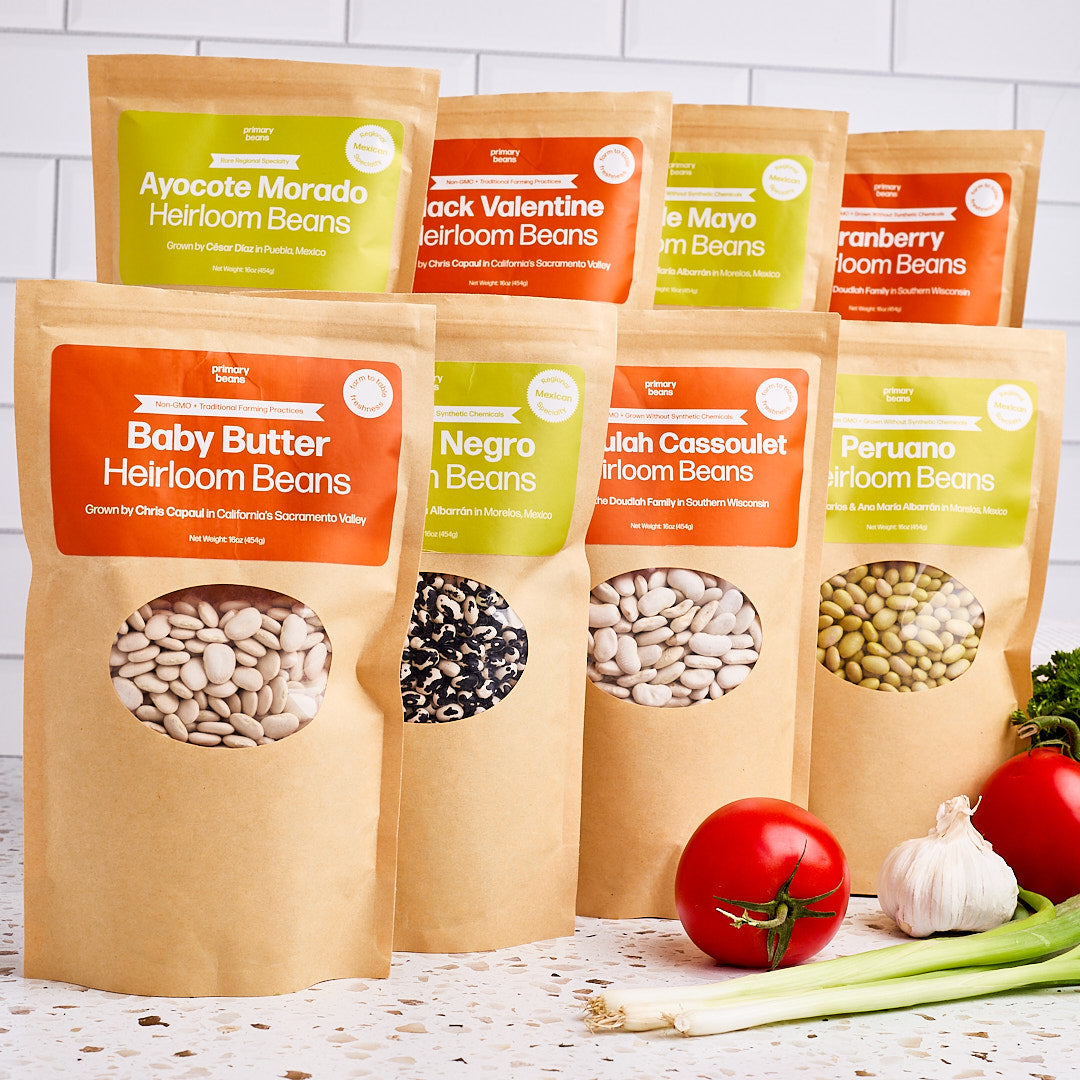
For this recipe, I was really excited to play with Chaparro Black Beans from Primary Beans. Known for their unique flavor and rich broth, Primary Beans' Chaparro Black Beans are grown in the coastal hills of Guerrero, Mexico where Chaparro has been delicately preserved for generations. Primary Beans is on a mission to provide heirloom beans to every cocina, and celebrate the variety of beans that offer diverse flavors, textures, and stories. There are many different ways to prepare your habichuelas, but for me at home, making sumptuous black beans from dried takes half a day, as I typically soak the beans in cold water the night before. In this case, these habichuelas from Primary Beans are so fresh, you can skip the pre-soak. I recommend enjoying these beans over white rice, or mixing them in like this Haitian rice and beans recipe. You can also fully blend the beans after cooking to make a creamy black bean soup.
– Milena Pagán (@littlesisterpvd)
What Are Habichuelas Negras?

Habichuelas negras are Puerto Rican stewed black beans, a foundational dish in Puerto Rican cuisine. Unlike quick-cooked beans, these are simmered slowly until "creamy, almost fully fallen apart into their stew," creating a rich, thick consistency that's perfect over white rice.
As Milena describes, this dish connects her to childhood memories of her father taking her to a Cuban restaurant in Puerto Rico where the black beans were outstanding. That kind of food memory, specific, sensory, tied to family, is what makes traditional dishes so powerful.
The Star: Chaparro Black Beans

Let's talk about Chaparro beans and why Milena was "really excited to play with" them. These black beans are "known for their unique flavor and rich broth" and are "grown in the coastal hills of Guerrero, Mexico where Chaparro has been delicately preserved for generations."
What makes Chaparro beans ideal for habichuelas negras is their rich, earthy flavor that creates the complex taste Puerto Rican black beans are known for, their ability to create thick, flavorful broth, and their creamy texture when cooked until tender.
Milena notes that Primary Beans' Chaparro beans are "so fresh, you can skip the pre-soak", a testament to bean quality. Fresh beans cook more quickly and evenly than old beans that have been sitting in warehouses for years.
The Loisa Collaboration
This recipe is part of a collaboration with Loisa, "our favorite Latin American pantry brand." Loisa makes authentic Latin American seasonings, sofrito, adobo, sazón, created by Puerto Rican founder Lorena García.
The Taste of the Caribbean kit brings together Primary Beans' Chaparro and Loisa's seasonings, making it easy to create authentic Puerto Rican dishes at home.
The Sofrito Base
Heat olive oil in a large pot over medium-high heat. Add sofrito (homemade or Loisa's prepared version), minced garlic, diced onion, diced cubanelle or green bell pepper, finely chopped recao/culantro (if available), finely chopped cilantro, bay leaves, and oregano.
Cook down until soft and fragrant, about 10 minutes. This sofrito base is the aromatic foundation of Puerto Rican cooking, providing depth and complexity.
Add tomato paste, adobo (Loisa's or your own), and sazón (Loisa's or your own) and stir to combine.
About Sofrito, Adobo, and Sazón
These are the holy trinity of Puerto Rican seasoning:
- Sofrito: A sauce base of onions, peppers, garlic, cilantro, and recao (culantro), either prepared fresh or bought prepared
- Adobo: A seasoning blend typically containing garlic powder, onion powder, oregano, salt, and pepper
- Sazón: A seasoning blend that adds color and flavor, often containing annatto (achiote), coriander, and garlic
Milena provides a recipe for homemade Puerto Rican sofrito in the notes, but using Loisa's prepared versions makes this recipe more accessible while maintaining authenticity.
The Long Simmer
Add the beans and stock (vegetable or chicken) to the pot and bring to a soft boil. Taste the broth and adjust seasoning with more adobo as needed.
Lower heat to a simmer, cover, and cook for about 2-3 hours until beans are tender, checking every 30 minutes.
This long, slow cooking is what creates habichuelas negras' characteristic creamy texture and rich flavor. As Milena notes, "making sumptuous black beans from dried takes half a day," but the result is worth it.
The Creamy Option
Once tender, serve beans hot. For creamier beans (more like the Cuban restaurant version Milena remembers), scoop out 1 cup of beans, blend until smooth, then incorporate back into the pot.
This technique thickens the broth and creates that "almost fully fallen apart" consistency that defines great Puerto Rican black beans. You can adjust how much you blend based on your texture preference.
Dried vs. Canned
Milena is emphatic: "I am convinced black beans are infinitely better when cooked from dry instead of canned, and although it takes a bit of extra time, you will be glad you did once you give your beans a taste."
This conviction comes from experience and taste comparison. Dried beans cooked properly have better flavor, better texture, and create that rich, starchy broth that canned beans can't match.
Serving Suggestions
Milena recommends several ways to enjoy these beans:
- Over white rice: Traditional Puerto Rican presentation
- Mixed into rice: Like Haitian rice and beans
- Fully blended: For creamy black bean soup
- Topped: With finely minced onions and cilantro (like the Cuban restaurant version)
The beans are versatile and work in multiple contexts while maintaining their essential character.
The Storage
Cool down to store in the fridge. These beans "will freeze nicely as well (up to six months!)", making them perfect for batch cooking. Make a big pot, portion some for the week, freeze the rest for easy future meals.
The Health and Flavor Connection
Milena notes: "I learned very early on that all-natural and sustainable meals are not only better for your health, but they're well worth it for the flavor too."
This principle, that better sourcing leads to better flavor, not just better ethics, is central to Primary Beans' mission and to Milena's cooking philosophy.
About Recao/Culantro
The recipe calls for recao (also called culantro), "if available." This herb is different from cilantro, it has longer, serrated leaves and a more intense, pungent flavor. It's traditional in Puerto Rican sofrito and adds distinctive flavor.
You can find recao at Latin American markets, but the recipe works without it if you can't find it.
The Primary Beans Mission
Milena mentions that "Primary Beans is on a mission to provide heirloom beans to every cocina, and celebrate the variety of beans that offer diverse flavors, textures, and stories."
This mission connects to the recipe, preserving traditional bean varieties like Chaparro, supporting farmers who grow them sustainably, and making them available to home cooks who want to cook traditional dishes authentically.
The Little Sister Connection
Milena Pagán is chef/owner of Little Sister in Providence, Rhode Island, a restaurant celebrating Latin American and Caribbean flavors. Her professional expertise shows in how this recipe balances traditional technique with accessibility for home cooks.
A Foundational Dish
Habichuelas negras are foundational Puerto Rican food, the kind of dish every Puerto Rican cook knows how to make, with subtle variations between families and regions. Learning to make them connects you to Puerto Rican culinary tradition and provides a versatile dish for countless meals.
*A Note On Our Recipes:
Every recipe here was developed and tested using farm-fresh beans from Foodocracy and Primary Beans. Older beans, anything past a year in your pantry or beans from other sources may need more coaxing. Give them a soak and add extra cooking time, and they'll get there eventually.

Related Recipes



The Heirloom Bean + Grain club
Learn More
Get impossible to find beans and grains shipped direct to your doorstep each month from small family farms.


Support small family farms
Shop Now
We support small, family owned farms across the nation. Did you know that farmers only make an average of 10 cents on every dollar you spend at the supermarket? Working directly with farms and not middle men ensures that more money goes back to the people actually growning your food.
Habichuelas Negras
Puerto Rican
Main Course
We teamed up with our favorite Latin American pantry brand, Loisa, to bring you our spin on habichuelas negras, classic Puerto Rican stewed black beans. This recipe brings together our thoughtfully sourced ingredients in a complex and hearty stew, created by Milena Pagán of Little Sister in Providence, Rhode Island.
Get the ingredients in our limited-edition Taste of the Caribbean kit!
Featured bean: Chaparro
Other beans to try: Sangre de Toro, Ayocote Morado

Ingredients
- 2 tbsp homemade or prepared sofrito (such as Loisa's Sofrito)
- 2-3 cloves of garlic, minced or pressed
- 1 onion, diced ¼ inch
- 1 cubanelle pepper or green bell pepper, diced ¼ inch
- 5 leaves of recao/culantro, chopped finely (if available)
- 1 thin handful of cilantro, chopped finely
- 2-3 dried bay leaves
- 1 tsp oregano
- 1 heaping tbsp tomato paste
- 1 heaping tbsp adobo or to taste (we used Loisa's Adobo)
- 1 tsp sazón or to taste (we used Loisa's Sazón)
- ½ lb dried Chaparro beans
- 1 qt stock (vegetable or chicken)
Directions
In a large pot, heat the olive oil over medium-high heat. Add the sofrito, garlic, onions, peppers and herbs to the pot. Cook down until soft and fragrant, about 10 minutes. Add the tomato paste, adobo, and sazón and stir to combine.
Add the beans and broth to the pot and let it come to a soft boil. Taste the broth and adjust the seasoning with more adobo as needed.
Lower the heat to a simmer and cover the beans. Allow the beans to cook for about 2 to 3 hours until the beans are tender, checking every 30 minutes.
Once tender, serve beans while hot. For creamier beans, scoop out 1 cup of beans and blend it until smooth, then incorporate it back into the pot. Cool down to store in the fridge. These beans will freeze nicely as well (up to six months)!