10.99 FLAT RATE SHIPPING

May 19, 2022 3 min read
At Primary Beans, we’re not shy about touting all the scientifically proven benefits of beans, which is why we’re excited to partner with Chelsea Didinger, PhD Candidate at Colorado State University, to dive into the role beans play in promoting gut health. Chelsea’s work runs parallel to ours– her PhD is dedicated to educational outreach to get people excited about beans and other pulses. There is a lot of exciting research coming out of her lab and the academic institutions she partners with, so we combined forces to share this new information with all of you.
By Chelsea Didinger, PhD Candidate
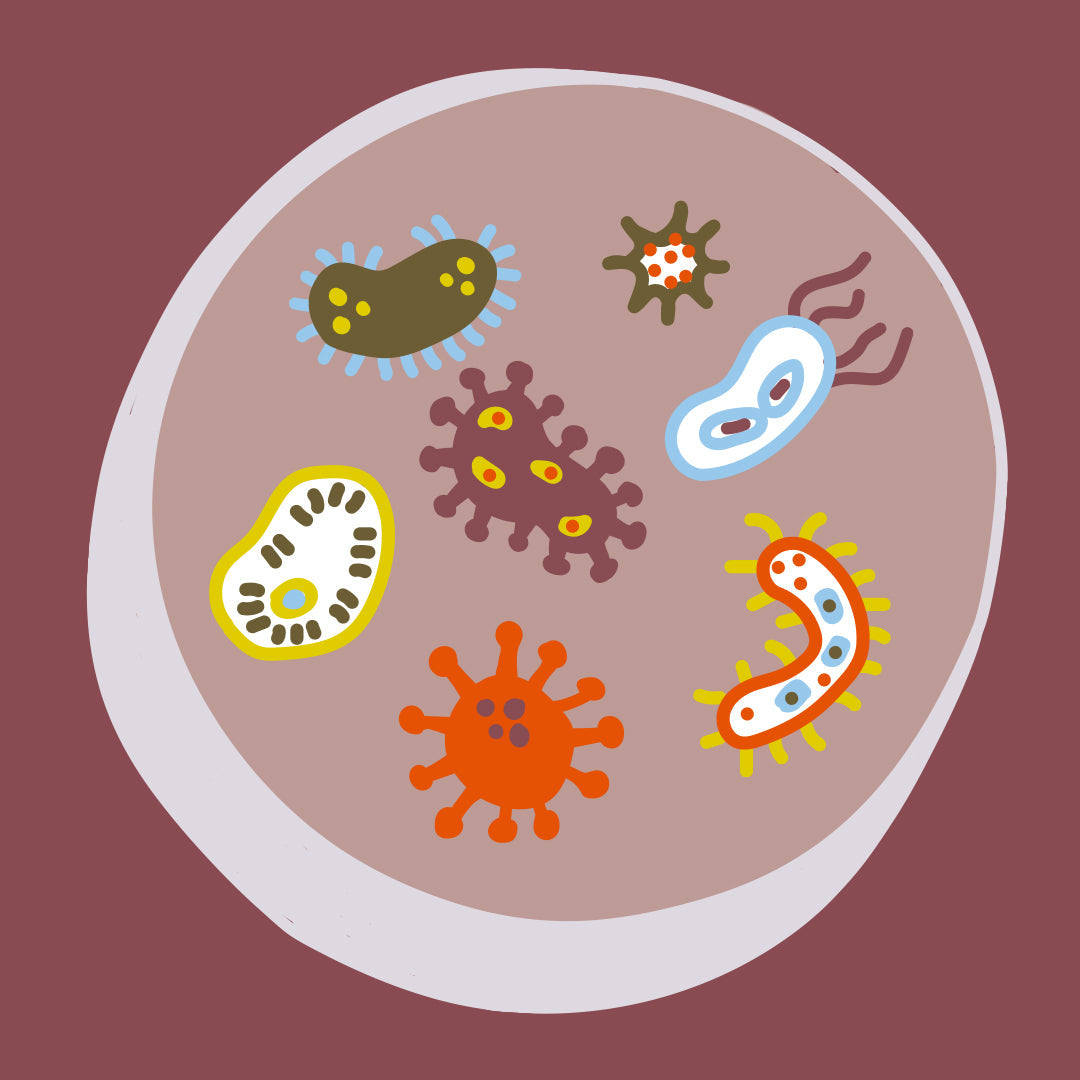
I research pulses for my PhD (“pulses” is a catch-all term that includes beans, chickpeas, lentils, black-eyed peas, and dry peas– more here!), which appear to have a tremendous impact on health maintenance and chronic disease prevention. In our just-published article, Dr. Henry Thompson and I explore the research to date on the impacts of these fiber- and protein-rich legumes on human health. The benefits for gut health is an especially hot research area because fiber serves as important fuel for important gut microbiota. Below is some of what we know.
Beans and other pulses are one of the best natural sources of dietary fiber. Although the exact amount of fiber varies, just one cup of cooked beans gets you about 14 grams of fiber. That’s about half of the daily recommendation made by the Dietary Guidelines for Americans (28 grams of fiber per 2,000 calories eaten, although some, including me, argue eating even more fiber is better!).
Getting enough fiber can help promote gut health, support bowel health, maintain a healthy weight, and more. But despite all the benefits, the vast majority of Americans fall dramatically short of the fiber recommendation, resulting in what we call the “fiber gap.”
Beans and other pulses can help boost fiber intake deliciously and efficiently! Before you reach for that fiber supplement, research suggests that whole foods– not ultra-processed foods– are the best way to promote gut health. Another study in adults with metabolic syndrome demonstrated that a diet with whole black beans had more beneficial metabolic and hormonal responses than adding the same amount of fiber as a supplement.
Given all the benefits, you may be wondering how many and what types of beans and other pulses you should be eating to optimize your own health. Scientists are still working on defining what is ideal for chronic disease prevention and promotion of a healthy gut microbiome. Recently, there have been some exciting developments in my own lab:
We don’t yet have all of the answers, but I’ll leave you with this for now: evidence to date suggests that regularly eating a wide variety of fiber-rich beans, lentils, chickpeas, and other pulses can help prevent chronic disease while simultaneously improving gut health and overall well-being.
For more on bean nutrition, check out Primary Beans' primer here.
Foodocracy is dedicated to creating a more sustainable and independent food system. We support small, independent farms across the nation.
Get impossible to find beans and grains shipped direct to your doorstep each month from small family farms.

We support small, family owned farms across the nation. Did you know that farmers only make an average of 10 cents on every dollar you spend at the supermarket? Working directly with farms and not middle men ensures that more money goes back to the people actually growning your food.
Sign up for delicious recipes and special offers.
**Regularly priced items only.