



The science behind cooking beans
At Primary Beans, we obsess over creating delicious beans while making everyday cooking easy and accessible, which is why we were excited to partner with Karishma Pradhan of Home Cooking Collective. She shares our shameless geekery and belief that anyone can cook delicious beans if they’re armed with high quality beans and some background knowledge. Bean cooking can get a bit controversial, so in partnership with Primary Beans, Karishma set out to put an end to some of the most pressing bean cooking questions.
In this guide, I set out to examine the widespread assertions and myths around cooking dried beans. To do so, I conducted a set of experiments, each centered around a critical question. My objective for each was to determine the method that yielded the best flavor and texture, and the most delicious result overall.
Question #1: What is the best method to cook beans?
Question #2: Do I need to soak beans?
Question #3: When is the best time to salt beans?

Methodology & caveats
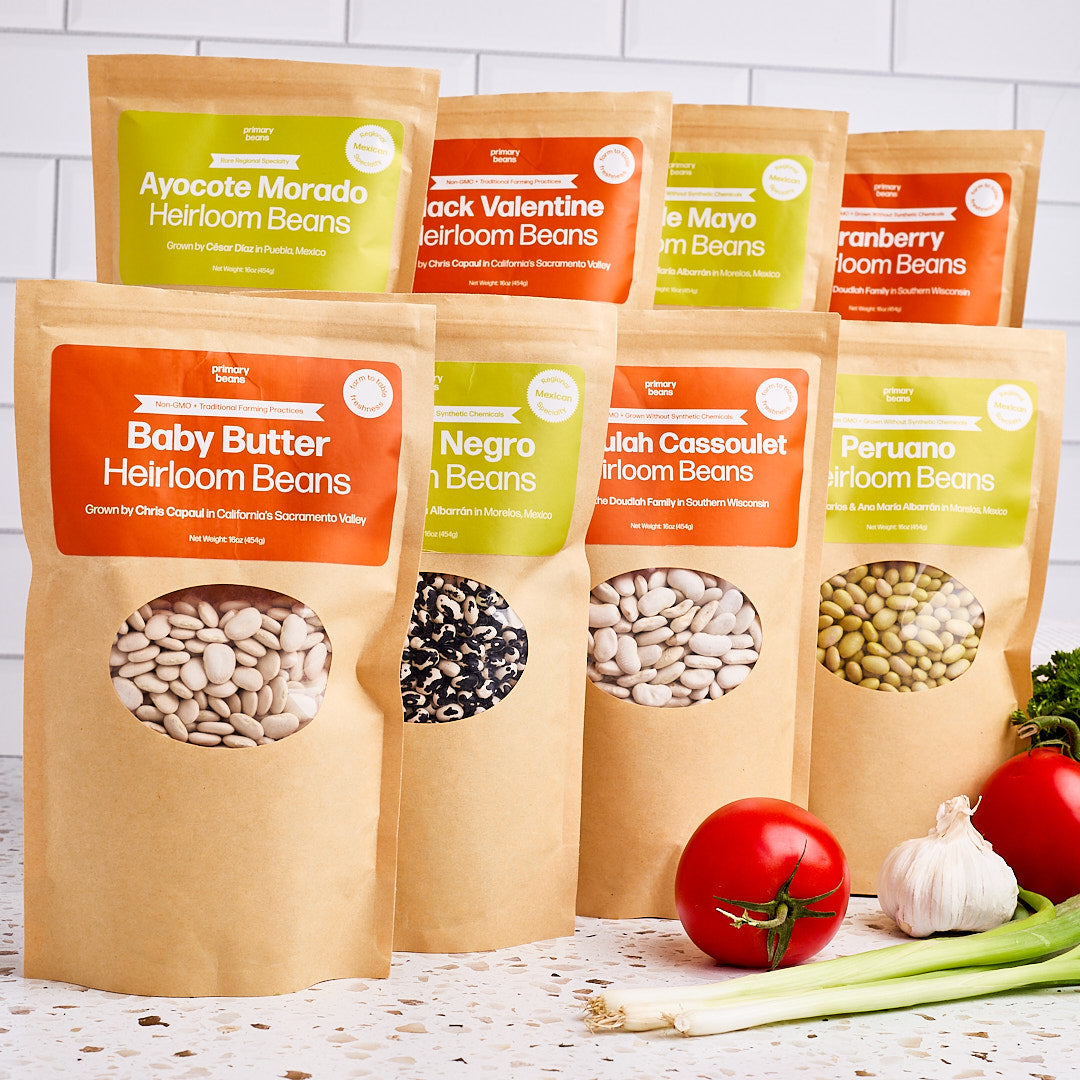
Bean selection process: Of the varieties available from Primary Beans, I selected the following to conduct the tests:
These 5 bean varieties vary considerably in texture and flavor, so I felt they would help provide a holistic picture. Additionally, cannellini beans, chickpeas, and black beans are familiar varieties in the US.

Cooking method: Beans were cooked using several different types of equipment. I added 1-2 inches of water to the dried beans and adjusted water levels as needed. Flavorings included 1-½ tsp salt and 2 tbsp olive oil per pound of beans, per the Primary Beans’ bean cooking guide.
Caveats: Experiments were conducted in my home kitchen, so the testing should provide a realistic (but not perfectly controlled) set of results.

Question #1: What is the best method to cook beans?
Assessment Criteria
Bean Texture: How firm or soft do the beans feel? How evenly did the beans cook? Did the skins remain intact?
Bean Flavor: How concentrated or diluted does the flavor of the beans taste? Did the salt penetrate the beans enough?
Cook Time: How long did it take the beans to cook?
Ease of Use: How difficult was it to cook the beans? Did this method require active or passive involvement?
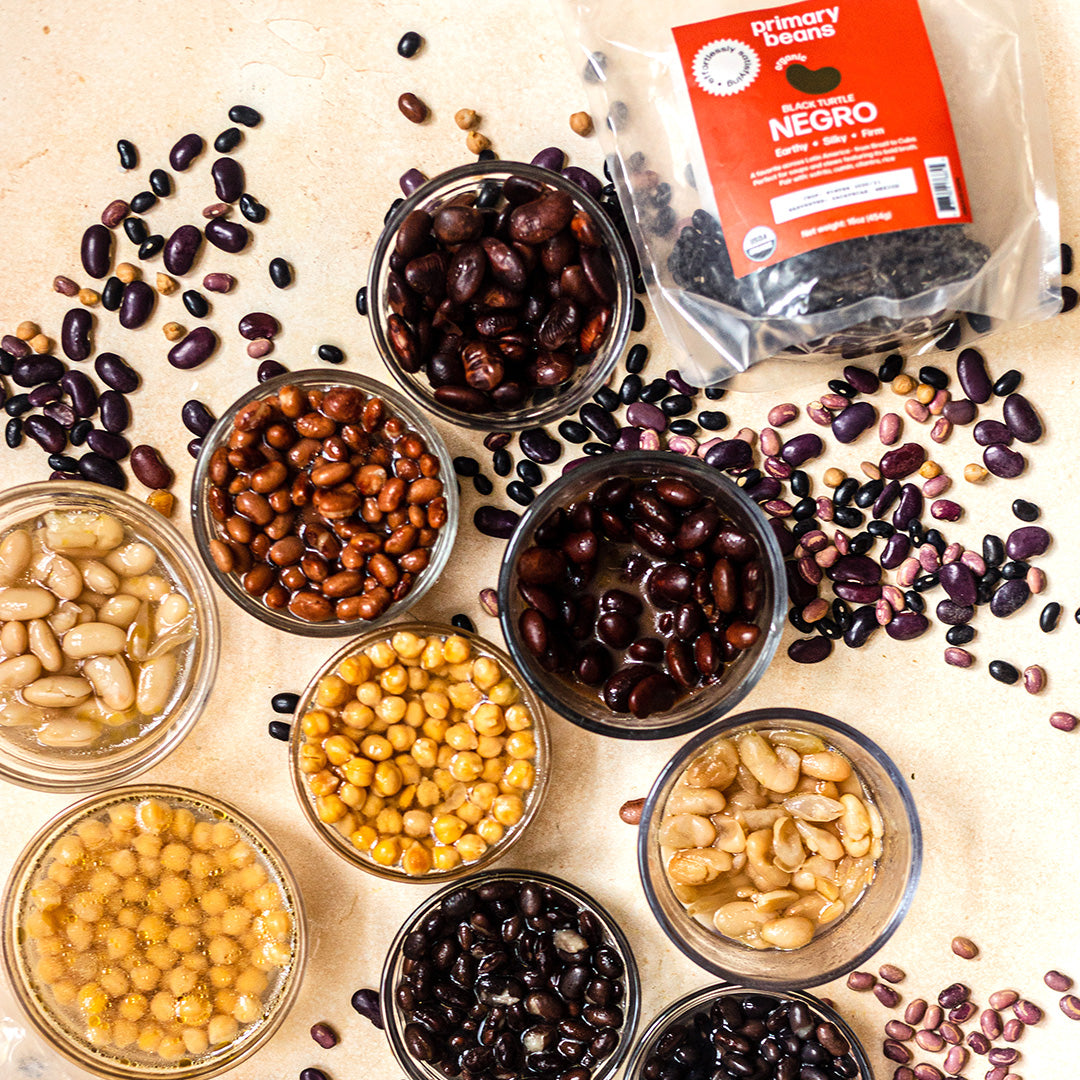
Conclusion: Cooking beans in both an Instant Pot and slow cooker results in beans that are evenly cooked, intact, and creamy. Both methods were ranked as easy, however, considering the amount of cook time required for slow cooker beans, the Instant Pot method comes out on top. The stovetop and oven methods result in beans that were unevenly cooked– some had hard spots while others were mushy. For Instant Pot beans, finishing the beans using the sauté mode (lid off) enhances the creaminess and concentrates the broth.
Click here for the full methodology and results.
Question #2: Do I need to soak beans?
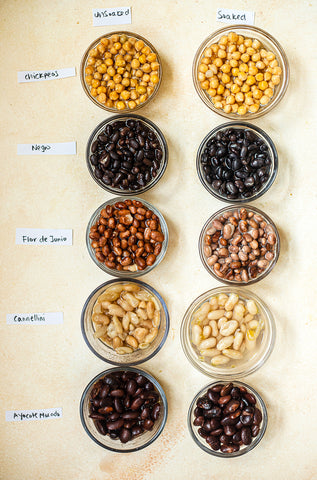
Conclusion: Soaking beans ahead of time for 6 hours can lead to a marginally better outcome for most beans: slightly more intact and evenly cooked. However, thin-skinned beans like black beans may absorb too much water and taste almost waterlogged. If you don’t have time to presoak, don't sweat it– your beans will still be tender and delicious. That said, there is one exception: if you’re starting with old beans that have suffered moisture loss (Primary Beans defines as beans older than 2 years from harvest), a presoak may help you achieve evenly cooked beans.
Click here for the full methodology and results.

Question #3: When is the best time to salt beans?
Conclusion: Regardless of whether you soak your beans, you should always salt them at the beginning of the cooking process. That way, the salt has time to fully penetrate into the center of the beans and they will be flavored inside and out.
Click here for the full methodology and results.

Takeaways
Here are a few main takeaways from the 3 experiments.
- The Instant Pot is a convenient way to cook dried beans with delicious results.
- Soaking beans ahead of time results in beans that are the most evenly cooked, but the overall difference in flavor and texture between soaked and unsoaked beans is marginal.
- Always salt your beans at the beginning of cooking!
References
https://www.seriouseats.com/soaking-black-beans-faq
https://www.seriouseats.com/salt-beans-cooking-soaking-water-good-or-bad
https://www.google.com/books/edition/On_Food_and_Cooking/6S--wG3pYZoC?hl=en
https://primarybeans.com/pages/bean-cooking-guide
https://www.seriouseats.com/salt-beans-cooking-soaking-water-good-or-bad
https://drive.google.com/file/d/1SHqoEuFlhdLUKXIoOJ9bjUMNZhJWcrOl/view
https://www.foodandwine.com/beans-legumes/do-beans-need-to-be-soaked-before-cooking

The Heirloom Bean + Grain club
Learn More
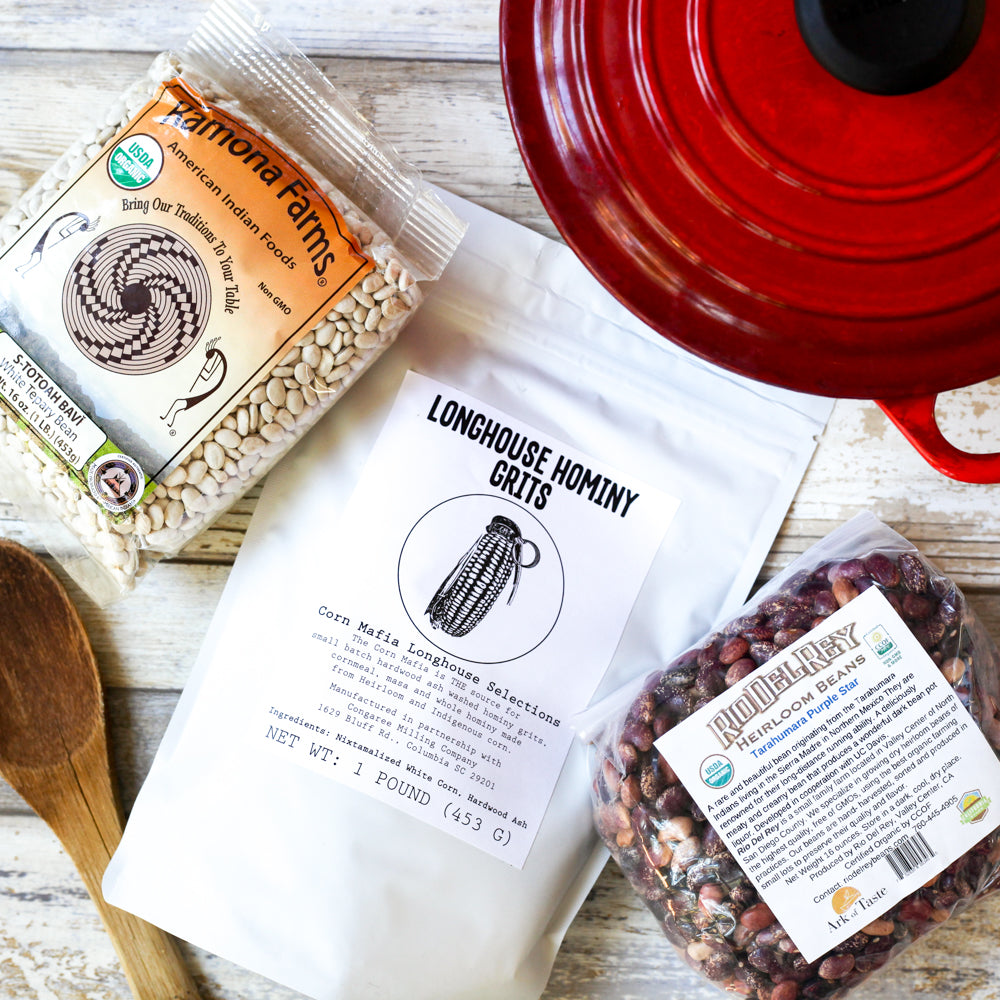
Get impossible to find beans and grains shipped direct to your doorstep each month from small family farms.


Support small family farms
Shop Now
We support small, family owned farms across the nation. Did you know that farmers only make an average of 10 cents on every dollar you spend at the supermarket? Working directly with farms and not middle men ensures that more money goes back to the people actually growning your food.