



Our top 5 steps to an organized kitchen
It may be a new year, but we’re still spending more time than ever in our kitchens. Now that we’ve settled into the role of being our own personal chefs, we thought we’d share our favorite ways to up your cooking game and stay organized. Beans love spices, fresh herbs, and other pantry staples so if you keep these items rotating and accessible, you’re steps away from effortlessly satisfying meals every time.

1. Think of pantry ingredients as produce
Just like fresh produce, pantry items require care and don’t last forever. Store items in an airtight container and away from direct sun, and label them with the harvest date or the date of purchase, so you know which ones to use first. As a rule of thumb, ingredients that contain oil are prone to going rancid. Nuts, seeds, whole-grain flours, grains, and quinoa generally last 3-6 months. An opened bottle of olive oil will last up to a year if it’s high quality (less time if it’s lower quality). How can you tell if these items are still good to use? Follow your nose. A musty, bitter, sour, or even fishy smell will make it pretty obvious when it’s time to go. When it comes to beans and other legumes, they will last up to 2 years from harvest, without too much of a difference in cooking time or flavor. After 2 years, they lose enough moisture to affect the way they cook (less quickly and evenly).

2. Take inventory of spices and make sure you can see them
Remember that spices lose their potency after a couple of years (exact timing varies by spice), so take inventory, get rid of the old spices, and find ways to use the ones that still have life. Next, consider storing them in a drawer. We recently made the switch from cupboard to drawer– being able to see every spice in one field of view makes all the difference. No more lifting up spices from the back shelf to find that darn coriander. If you don't have the ability to free up a valuable drawer, try shelf risers so that you can see things allll the way in the back.

3. Treat tender herbs with care
No more wilted herbs! We’ve found that basil and mint thrive near a window in a tall glass filled with about an inch of water, changing out the water every few days. Simply snip as you please. (Mint will actually grow new leaves in the process!) Tender herbs like parsley, cilantro, and dill do best if wrapped in a damp paper towel and stored in an airtight container in the refrigerator. Once your herbs start to age, consider our herb sauce recipe that never fails: Puree any combination of herbs (no tough stems) with olive oil, salt, garlic, and a squeeze of lemon. Spoon onto beans and everything else.

4. Hardy herbs are meant for hardy storage
While hardy herbs like rosemary, sage, and thyme store exceptionally well, eventually their age will start to show. If throwing them into your next pot of beans isn’t an option, simply stash them in the freezer in a small resealable freezer bag and voila– they’re there when you need them! As long as the herbs are dry when you place them in the bag, they won’t even clump together and are easy to separate.

5. Pare down your pantry
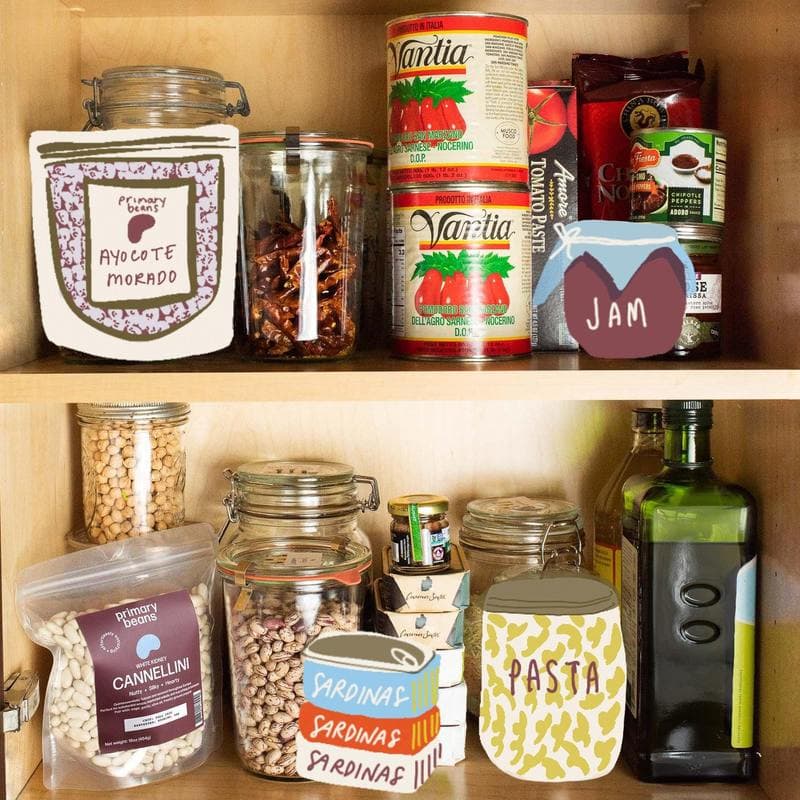
We’re taking cues from Carla Lalli Music who has been mastering the art of pantry simplification for years. “I used to keep ingredients forever, even though they made me feel guilt and anxiety.” That jam you bought on vacation years back that is is probably too sweet that you're not really excited about? Get rid of it. Shop for ingredients you love to eat and that fit with your cooking style, and the rest will follow suit. Some of our favorite pantry items for bean cooking include: harissa paste, whole peeled tomatoes, tahini, olive oil-packed anchovies, sherry vinegar, and really good olive oil.
Most great cooking starts with simply being prepared. With your favorite ingredients on hand and organized so they can be used to their max potential, cooking delicious meals with confidence comes naturally.
Have a question on something we didn't cover? Email us at hello@primarybeans.com or DM us on Instagram or Facebook.

The Heirloom Bean + Grain club
Learn More
Get impossible to find beans and grains shipped direct to your doorstep each month from small family farms.


Support small family farms
Shop Now
We support small, family owned farms across the nation. Did you know that farmers only make an average of 10 cents on every dollar you spend at the supermarket? Working directly with farms and not middle men ensures that more money goes back to the people actually growning your food.