









Sold out
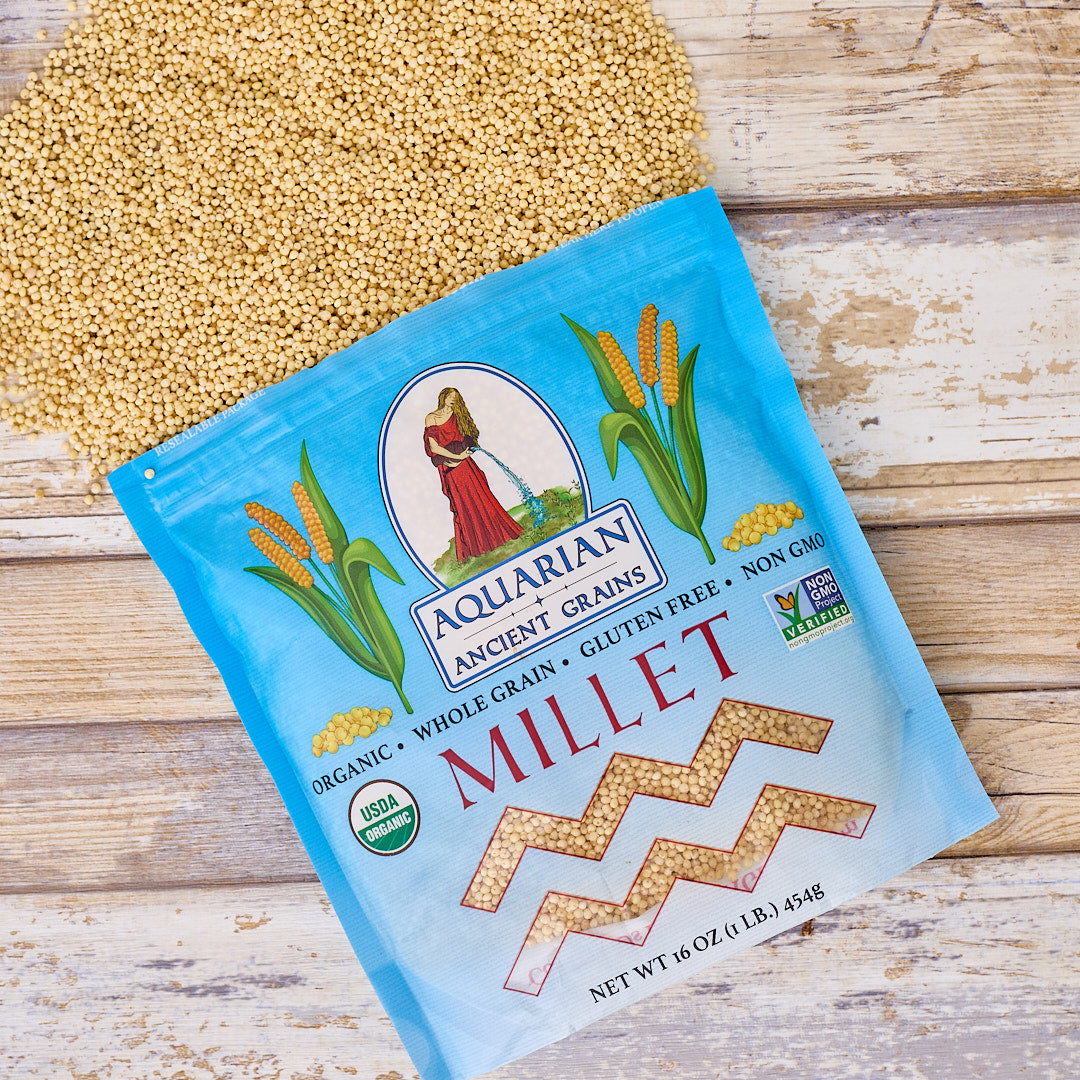
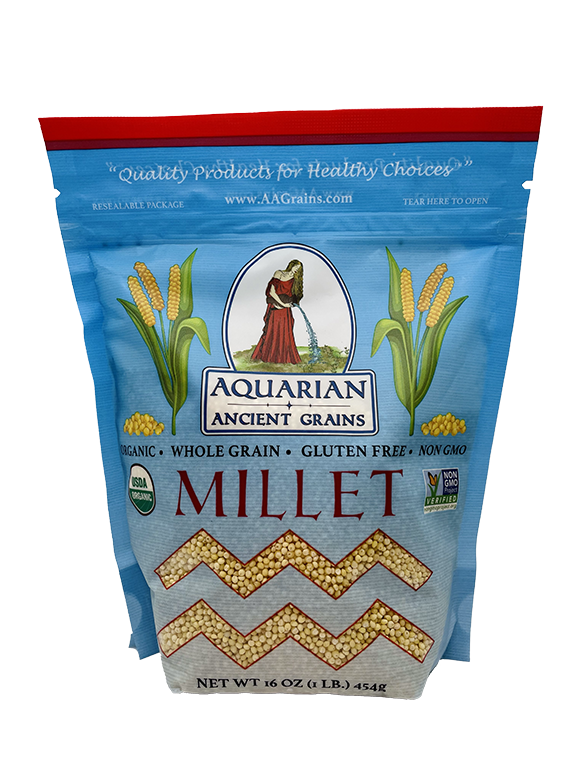
Organic Millet
$8.95
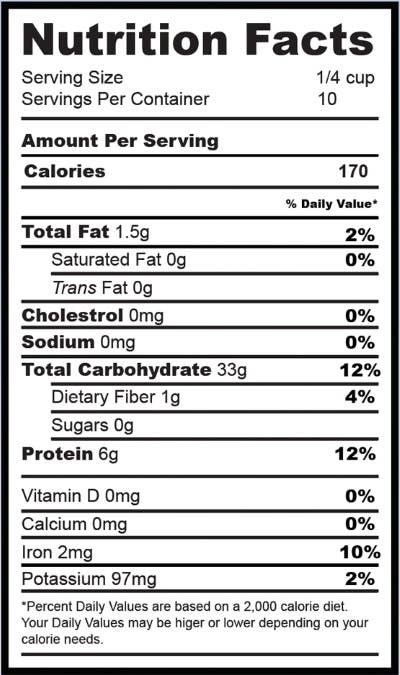
If you're not cooking with millet yet, June is your month. Naturally gluten free, rich in magnesium, phosphorus, and antioxidants, high in fiber and plant-based protein, and easier to digest than most grains — millet is genuinely one of the most nutritious things you can add to your pantry. And unlike a lot of "superfoods" that arrived yesterday with a marketing budget, millet has been earning that reputation for about 10,000 years.
One of the oldest cultivated ancient grains on earth, millet was first domesticated in China and Africa, where it became the backbone of entire civilizations long before wheat and rice dominated the global table. It spread across Asia, the Middle East, and into Europe, feeding armies, sustaining empires, and nourishing communities through droughts and hardships that would have wiped out more demanding crops. Then industrial agriculture arrived, wheat and corn took over the world's fields, and millet got quietly pushed to the margins. Which is a shame, because millet never stopped being extraordinary.
It is also one of the most sustainable crops you can grow. Millet thrives in poor soils with minimal water, requires no synthetic inputs to produce a good harvest, and builds rather than depletes the land it grows on. In a world increasingly reckoning with the environmental cost of commodity agriculture, millet is the grain that was right all along. Our Organic Millet comes from a family farm committed to growing it the way it deserves — without shortcuts, without synthetics, and with the kind of care that honors a 10,000 year legacy.
16 oz.