





Sale
Organic Cranberry Soup Beans
$5.99$14.99
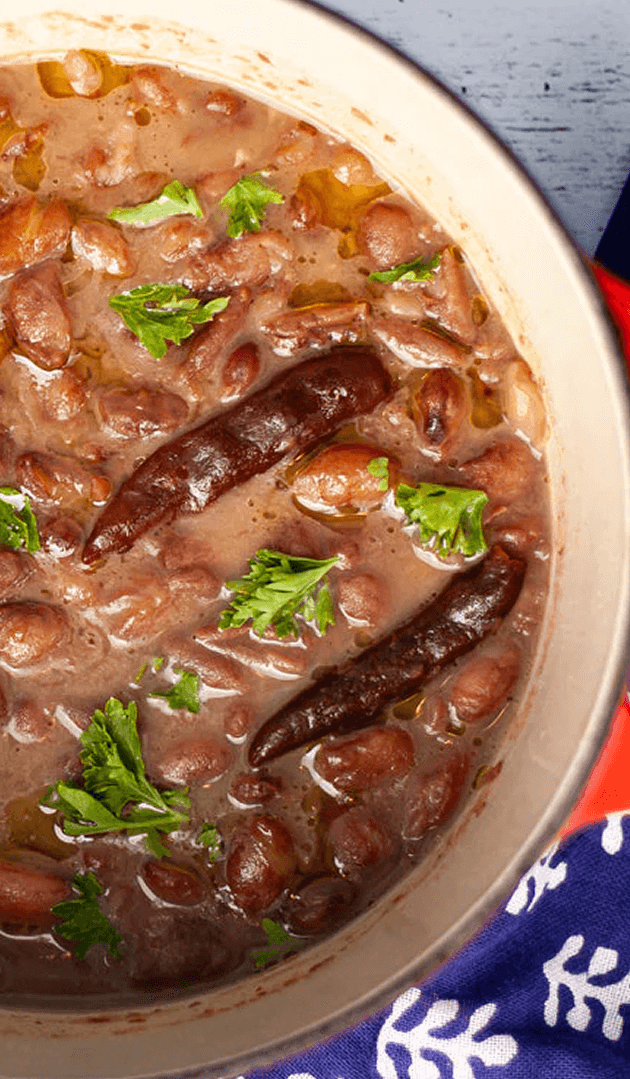
Ugly bean discount. Beautiful bean broth. You do the math. These beans had a rough season — drought, then a tough run through the cleaner. They're not pretty. We're not charging pretty prices. But that broth? Absolutely devastating
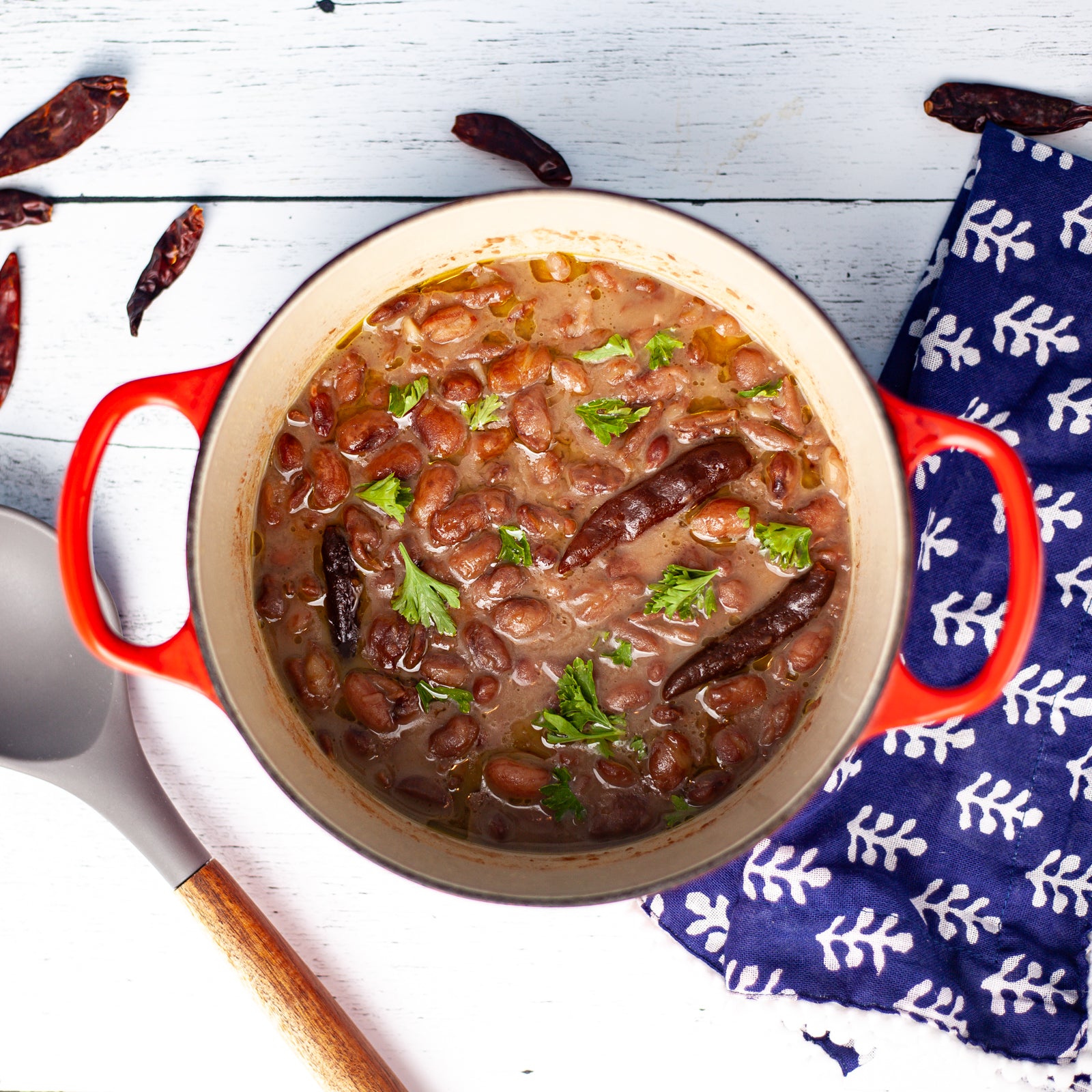
THESE CRANBERRY BEANS COOK IN HALF THE TIME! Not your average cranberry bean, Organic Cranberry Soup Beans from a certified regenerative organic family farm in Wisconsin deliver a buttery, nutty flavor and a velvety texture that will ruin you for any other bean. Grown in living, healthy soil — the kind that regenerative organic farming builds over generations — the difference is something you can actually taste in every creamy, flavor-packed bite. Please read our cooking notes because they don't cook up like regular cranberry beans.
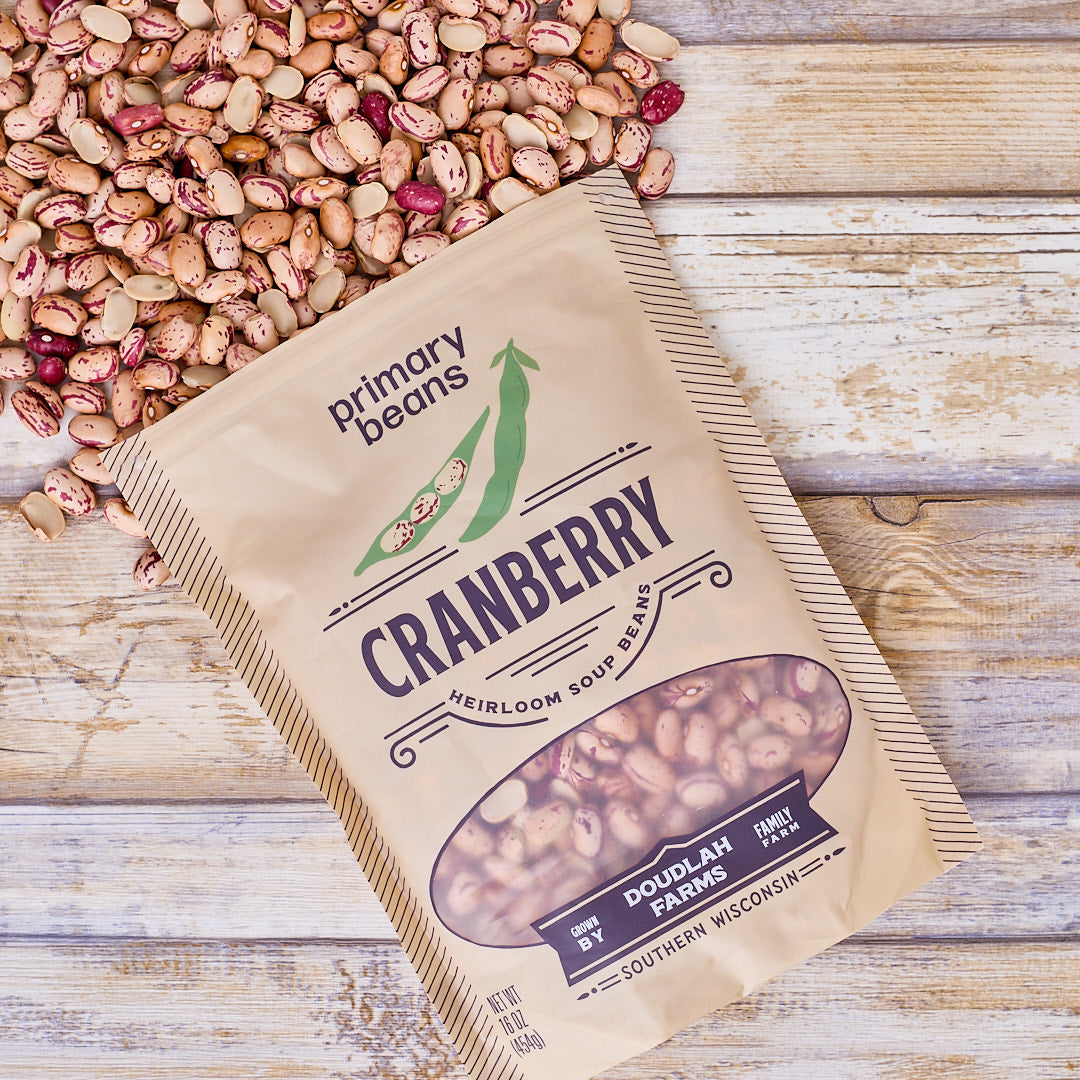
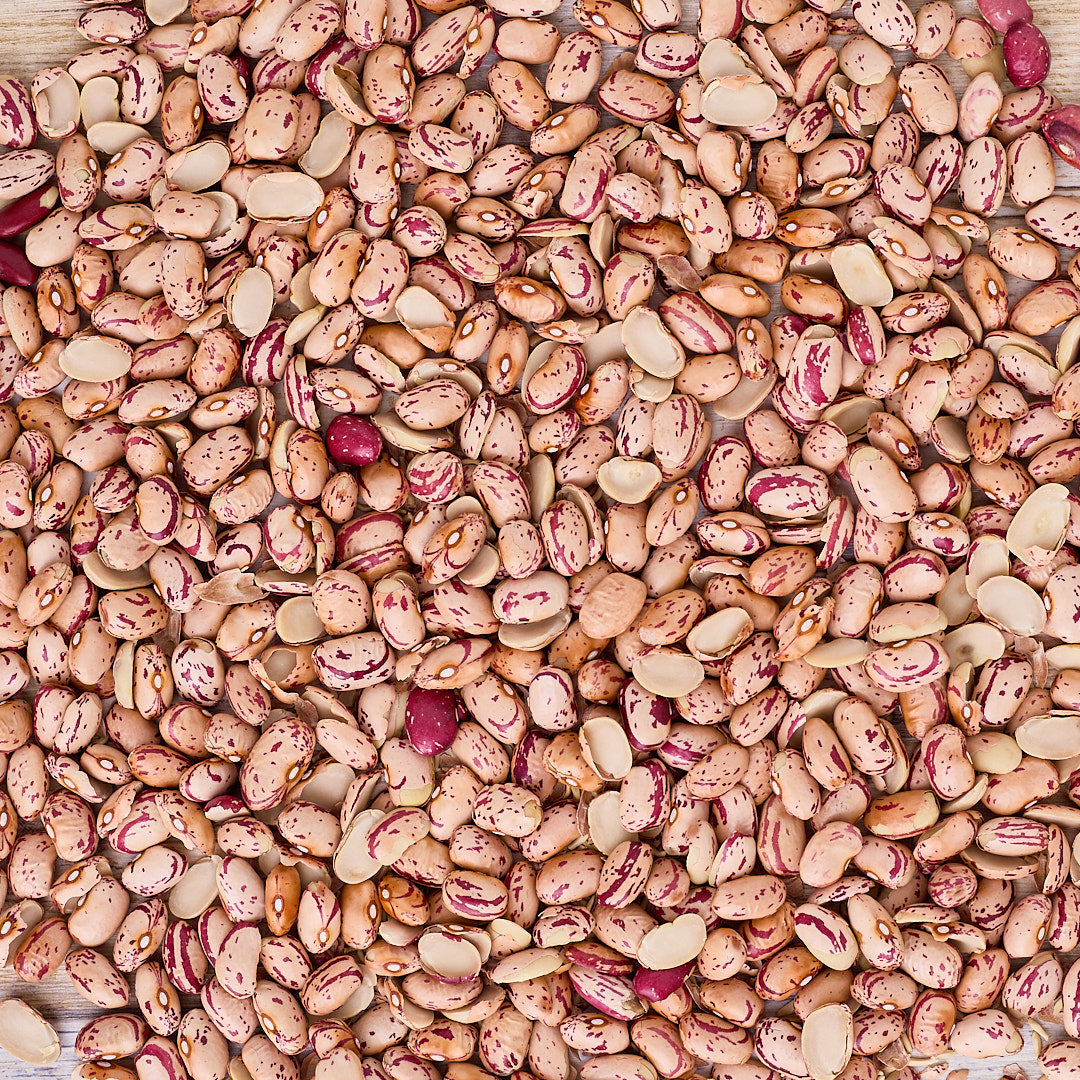
UGLY BEANS: During this year's cleaning process, the seed coats got nicked, which means you may find more splits than usual, along with bits of seed coat and broken pieces in your bag. We recommend sifting through a colander first to remove the loose seed coat bits, then do a quick sort. Keep the splits — they're part of the magic. Those broken beans melt into the most luxurious bean broth imaginable: thick, silky, and deeply savory. Perfect for soups, stews, and the world's best pasta e fagiol
Skip the soak on these beans for best results.
SEE BELOW FOR COOKING TIMES AND TIPS ON THE CURRENT HARVEST.
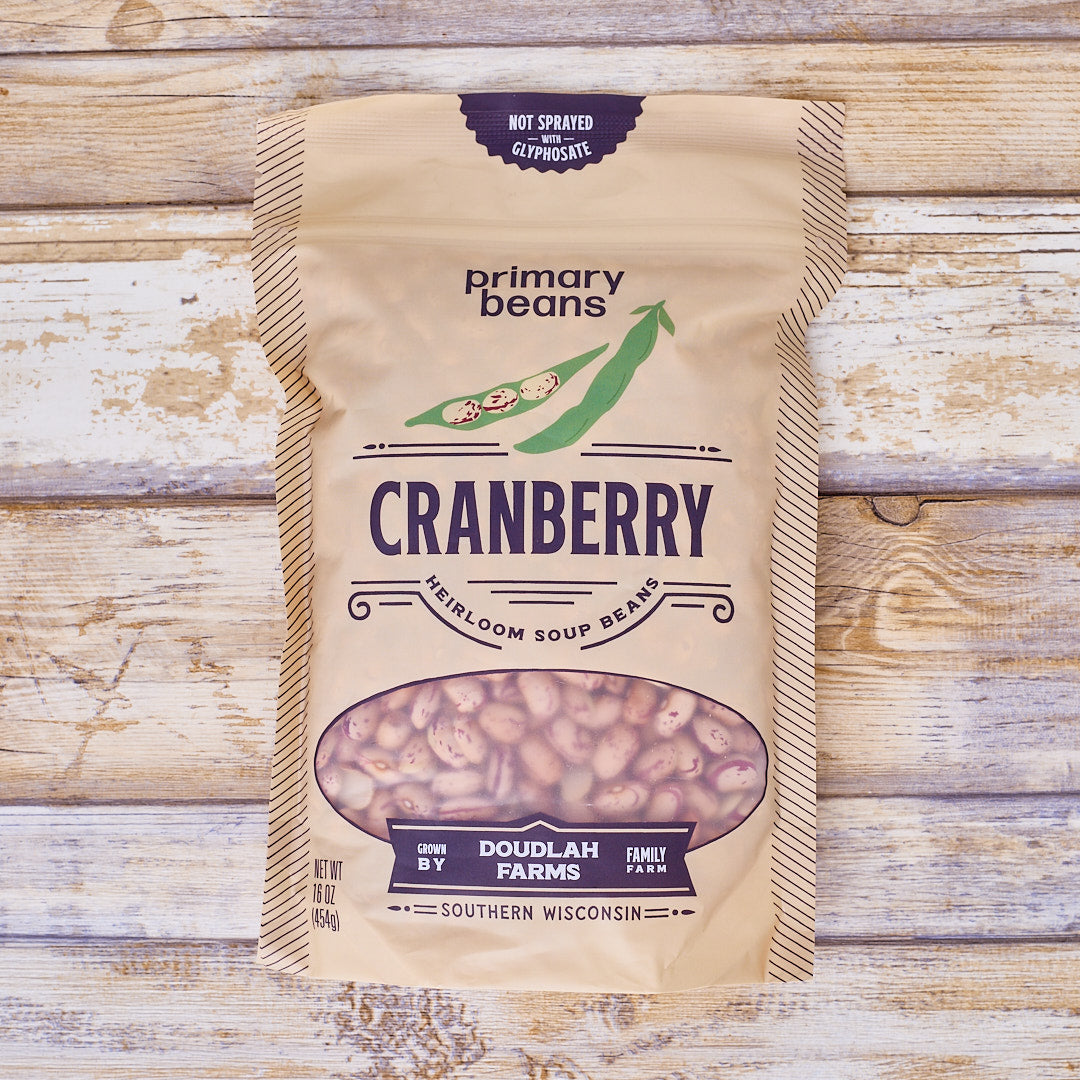
1lb in a 100% curbside recyclable standup pouch
About The Farm
Cooking Notes
Harvest Info



Better beans come from healthy soil.
We partner with family farms committed to nurturing healthy soil—the foundation of truly exceptional beans. Our single origin beans have the farmers name and harvest date right on the package. Non-gmo, glyphosate free and always grown with traditional farming methods the way nature intended.


Bean Cooking Guide
Get The Guide
After much research we've put together the definitive guide to cooking heirloom beans.


Heirloom Bean Cooking Times
Get the Guide
Your guide to cooking heirloom beans to perfection—bringing out their unique flavor, texture, and heritage in every pot.
FAQ
-
Beans are harvested once a year, typically in the fall. After harvest they are dried, cleaned and processed and finally put into bags and ready for you in the spring. Sort of like wine, last year's harvest is this year's beans! We put the harvest date and farmer on every package so that you can keep track in your pantry but once you try our beans, they won't last long.
-
Our modern, corporate food system prioritizes efficiency and cost cutting over flavor and nutrient density. To get a bag of beans to your grocery store for just a few dollars they mix together beans from farms all over the globe, keeping them in huge bins and transporting them from broker to wholesaler to distributor to store with identical bags stamped with a best by date that is at least 3 years from harvest. We choose to be radically transparent, even though its much harder and costly, because we think that everyone should know exactly how their food was grown and who grew it. Honoring the people who are doing farming differently is one of our most deeply held values and thousands of happy customers agree.
-
Regenerative is a fancy way of saying that you grow things the old fashioned way, in harmony with nature and not against it. We only partner with farms that prioritize soil health and use traditional farming methods because we know that better tasting beans come from healthy soil.
-
The weedkiller glyphosate (aka Roundup) is not used for the production of any of our beans.
-
The majority of our beans are certified organic however not all small farms can afford the process of certification. All of our beans are glyphosate free and our partner farmers where chosen for their incredible growing practices, prioritizing soil health and people health.
-
We could spend all day talking about all the reasons to love dried beans:
- One bag of beans equals 3 cans of beans, from packaging to shipping dried beans are better for the planet with a much smaller carbon footprint.
- Unique heirloom varieties.
- You get the bonus of a pot full of magical bean broth instead of mystery liquid that you'll rinse off.
- They soak up liquid as they cook — which means any aromatics, herbs, and spices you add will infuse your beans with even more flavor.
Canned beans are super convenient but if you batch cook beans and freeze them in the cooking liquid it's nearly as convenient as canned and way more delicious! Check out our guide to freezing beans.
- One bag of beans equals 3 cans of beans, from packaging to shipping dried beans are better for the planet with a much smaller carbon footprint.
-
Our farms and facilities do not grow, store, or process nuts, soy, or peanuts, so there is very little risk of cross-contamination. However, if you have a severe sensitivity, please use caution – none of our beans are certified by a third-party as being free from these allergens. Our co-packer does handle products containing milk and eggs, but the machine used to handle our beans does not come into contact with these allergens. In the case of gluten sensitivity, beans are often grown in rotation with wheat and other grains, which is the case with a handful of our farms. However, these crops are not grown in the same field at once and in the rare case that wheat kernels get mixed in, they would be removed during the cleaning process. As always, we recommend rinsing beans in clean water every time, even when they appear clean, and inspecting for small stones.